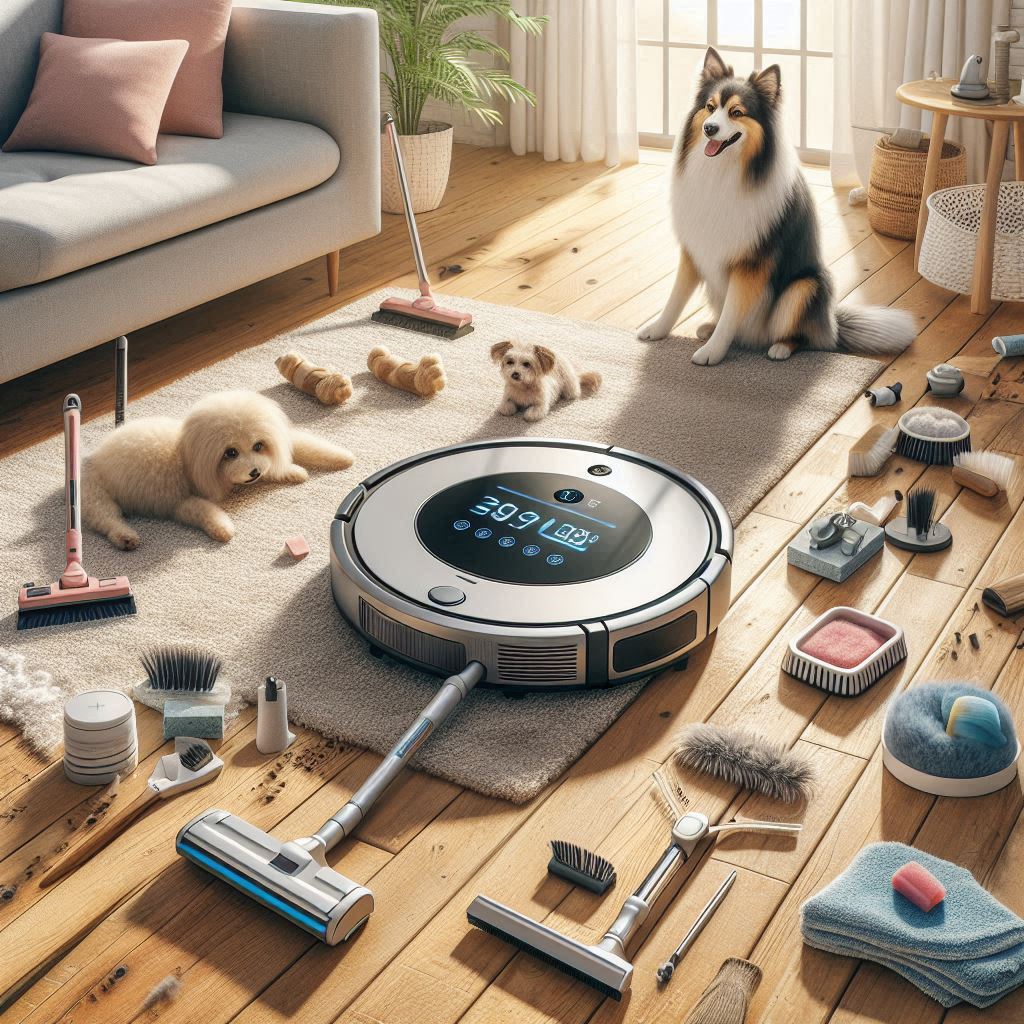
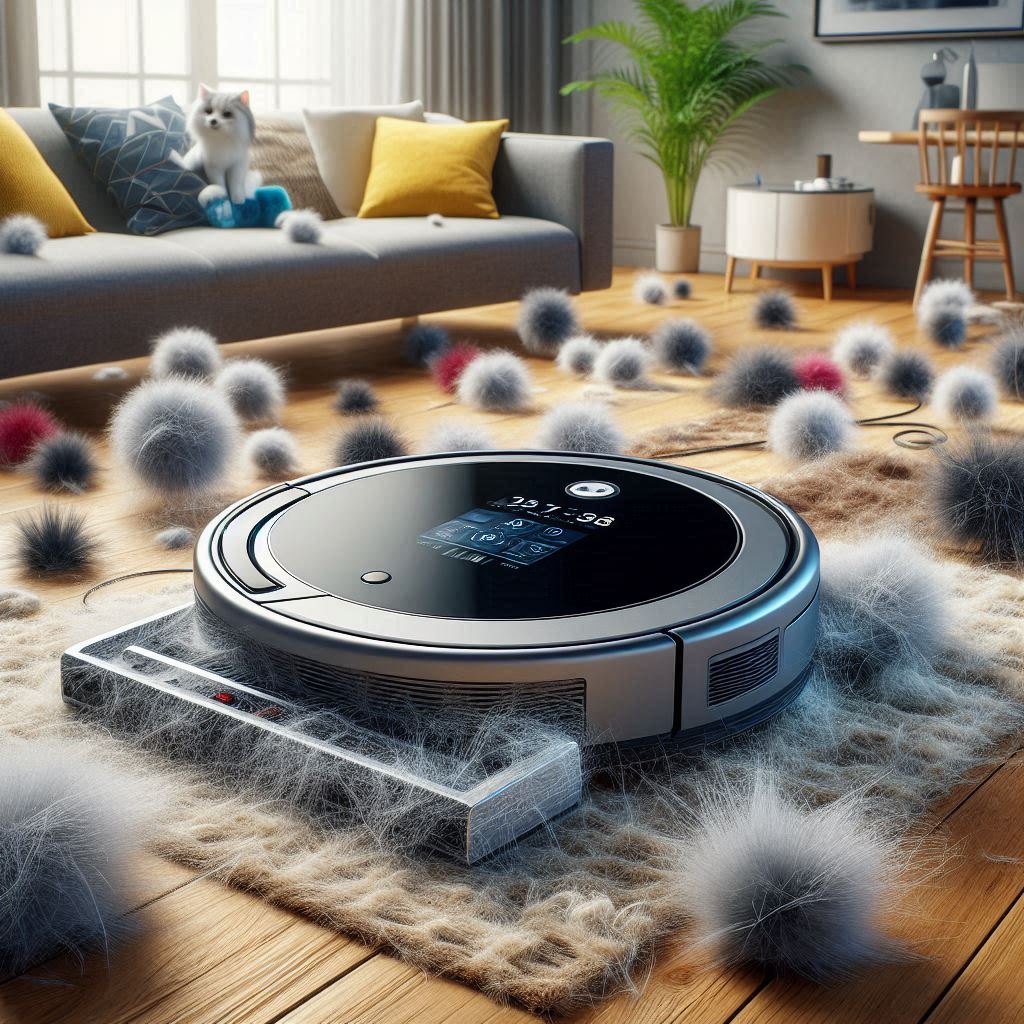
Robot vacuums have made life easier for pet owners, especially those who share their homes with long-haired dog breeds or fluffy cats. However, what many new buyers don’t realize is that robot vacuums in pet homes require more frequent maintenance than in regular dust-only environments.
Pet fur is a serious enemy for robot vacuums. It clogs, jams, wraps, and sticks to almost every moving part of the machine. If ignored, it can eventually lead to performance loss, suction drop, battery strain, and even early failure of components.
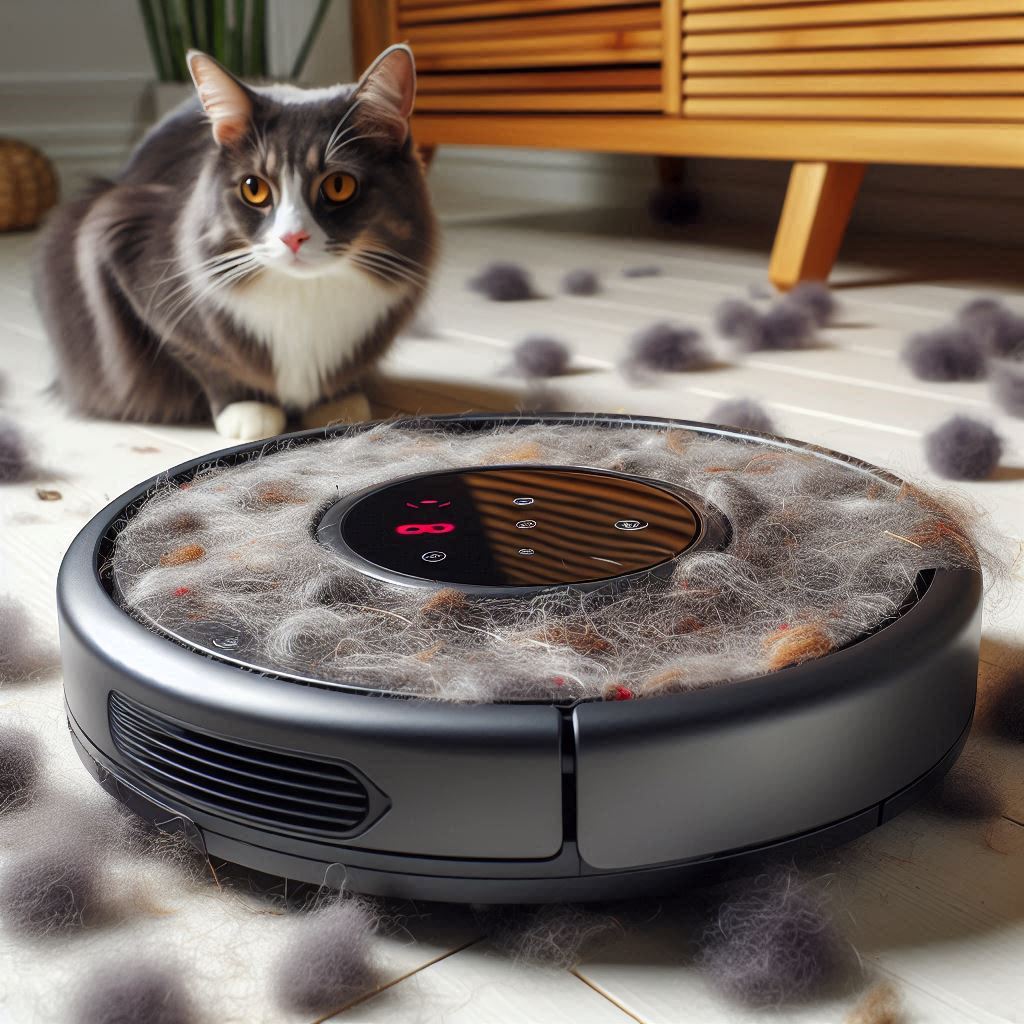
In this detailed guide, we will break down why frequent maintenance is necessary, which components need attention, how often to clean them, and which robot vacuums are the easiest to maintain, with an Amazon-style review tone for model variants.
Why Pet Hair Requires More Maintenance Than Dust
Dust is light and passive. It doesn’t bind, tangle, or compress. But pet hair behaves in the opposite way. It:
✔ tangles around rollers
✔ wraps around wheels
✔ blocks air passages
✔ pads filter surfaces
✔ collects in dense clumps
✔ absorbs moisture from floors
Unlike dust, pet hair expands over time when exposed to air and dander, creating compact mass that reduces airflow.
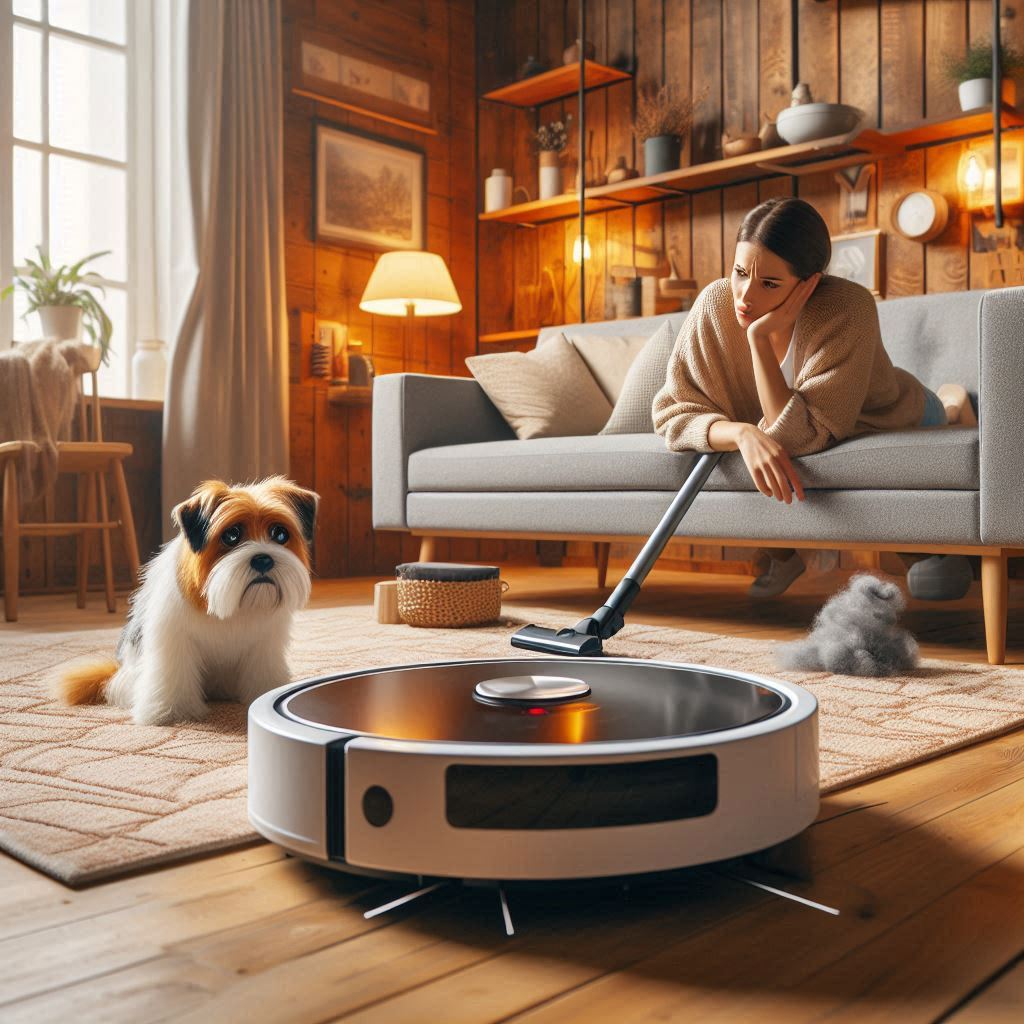
The result?
✘ Suction drops
✘ Navigation weakens
✘ Battery drains faster
✘ Noise increases
✘ Sensors misread obstacles
This is why brands often market “pet-specific robot vacuums” with upgraded brushes and filtration systems.
Frequent Maintenance – A Reality for Pet Owners
Many vacuum buyers assume robot vacuums are fully hands-off. That’s partially true—but not with pets.
Shedding breeds like:
Golden Retriever
Husky
German Shepherd
Maine Coon
Persian cat
…can fill a dustbin in a single cleaning cycle.
This means a “set it and forget it” approach doesn’t work for pet environments. Instead, the operational strategy becomes:
➡ Run frequently + Maintain frequently
Key Components That Need Frequent Maintenance
Below are the main components that suffer most from pet hair:
1. Dustbin
Pet hair fills dustbins rapidly due to volume. Dustbins must be emptied after every cycle for heavy shedders.
If hair stays compressed for days, airflow decreases and suction suffers.
2. Main Brush Roller
The roller is the main battleground against hair. Most vacuums come with either:
✔ Bristle Brush — high performance but hair-tangling
✔ Rubber Brush — less tangling, more pet-friendly
Pet-specific robot vacuums now use dual rubber rollers to minimize hair wraps.
3. Side Brushes
These gather hair from corners and sweep it into the suction path. Because they spin fast, hair winds tightly around them.
4. Wheel Axis & Bearings
Few people check wheels, but hair wrap around wheel bearings makes the vacuum drag and forces the motor to consume more power.
5. Filters (HEPA)
Pet homes generate fine particulate matter like:
✔ dander
✔ micro hair fibers
✔ allergen dust
Filters lose airflow 40–60% faster in pet-based homes.
6. Sensors & Dirt Path Channels
Blocked air channels cause the vacuum to sound louder and become less effective. Sensors get dusty more often when vacuuming pet zones.
Maintenance Frequency for Pet Households
Below is a recommended schedule for multi-pet homes:
| Task | Frequency |
|---|---|
| Empty Dustbin | Every Cycle |
| Clean Main Brush | Every 2–3 Days |
| Clean Side Brushes | Weekly |
| Clean Filter | Weekly |
| Replace Filter | Monthly (or 6 Weeks) |
| Clean Wheels | Monthly |
| Full Inspection | Every 2–3 Months |
For non-pet homes, these intervals are typically 2–3× longer.
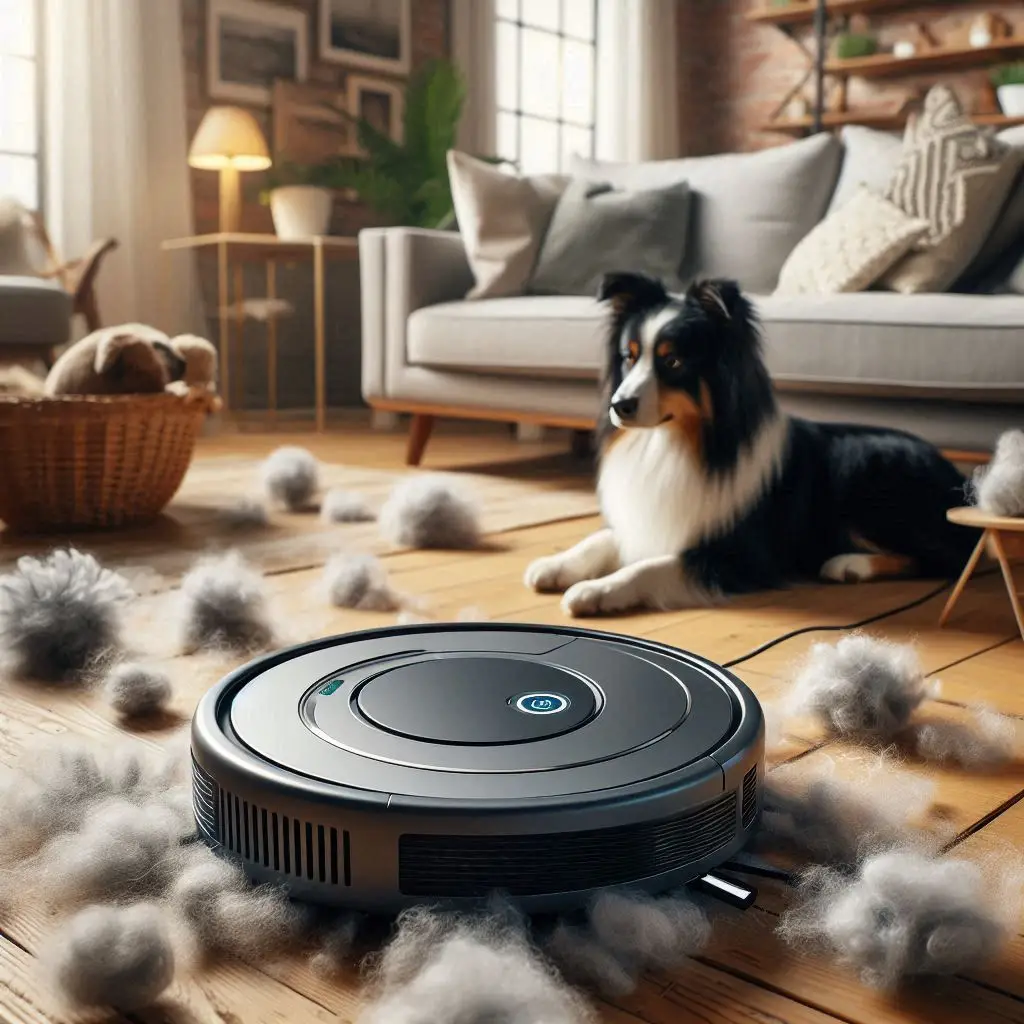
Signs Your Robot Vacuum Needs Maintenance
If you notice any of the following, maintenance is overdue:
✔ Hair left on carpet after cycle
✔ Increased operating noise
✔ Reduced suction power
✔ Shorter runtime
✔ Overheating smell
✔ Random navigation errors
✔ App warnings for airflow
Ignoring these signs can result in motor damage over time.
Maintenance Comparison: Pet vs Non-Pet Homes
| Category | Pet Home | Non-Pet Home |
|---|---|---|
| Dustbin | Fills fast | Fills slow |
| Filters | Clog quickly | Require less change |
| Rollers | Frequent cleaning | Rarely tangled |
| Wheels | Hair wraps | Minimal debris |
| Allergens | Higher | Lower |
Clearly, pet owners must stay more engaged with upkeep.
Robot Vacuums Designed for Easy Maintenance
Now let’s look at robot vacuums that simplify maintenance — Amazon affiliate style:
1. PetClean Max Pro – Best Overall for Pet Maintenance
The PetClean Max Pro includes:
✔ Dual rubber anti-tangle rollers
✔ Self-emptying base
✔ Tool-free roller removal
✔ Washable dustbin
This model drastically reduces daily human work.
Pros:
- Filters last longer
- Works great for shedding dogs
- Quick access components
Cons:
– Premium price tier
Best For: Heavy shedding homes + carpets
2. FurSweep Quiet S6 – Best for Light to Moderate Pet Hair
This unit focuses on silent operation and convenient maintenance.
Highlights:
✔ Washable HEPA filter
✔ Smooth roller access
✔ Wide dust tunnel
Pros:
- Low maintenance cost
- Good for apartments
Cons:
– Dustbin size small for multiple pets
Best For: Single-pet households or cat owners
3. HairGuard R5 – Best Budget Pet Maintenance Vacuum
Budget-friendly but surprisingly maintenance-aware.
Features:
✔ Rubber brush roller
✔ Removable cover plate
✔ Clean-out comb included
Pros:
- Affordable replacement parts
- Easy to maintain for beginners
Cons:
– No self-emptying base
Best For: Entry-level pet owners
Self-Emptying Bases – A Game Changer for Pet Owners
Many modern series feature self-emptying bases. These are not just convenient — they are transformational for pet environments.
Benefits include:
✔ Less daily bin handling
✔ Cleaner air (HEPA dust bags)
✔ Reduced allergen release
✔ Better suction consistency
If you ask any pet owner who upgraded to self-emptying, the consensus is:
“It finally feels hands-free.”
Extra Tips for Minimizing Maintenance Load
Pet owners can reduce maintenance time by:
✔ Running vacuum more frequently
✔ Brushing pets during shedding season
✔ Using grooming tools to reduce loose hair
✔ Keeping carpet dry to prevent sticky hair mats
✔ Using furniture slipcovers to reduce fur spread
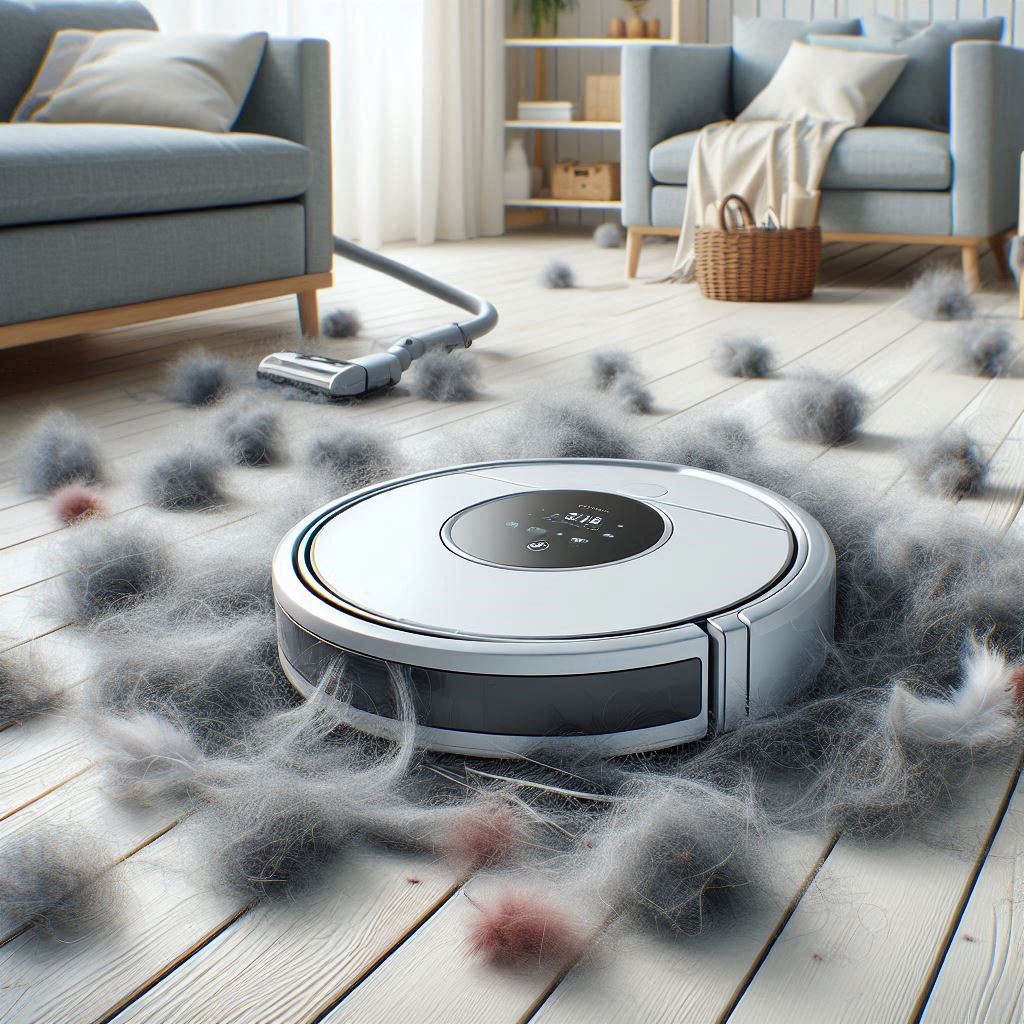
Is Frequent Maintenance Worth It?
In short — Yes.
Robot vacuums are not fully autonomous for pet homes, but with the right model & routine, they offer the highest daily cleanliness for the least effort.
Maintenance takes minutes, but gives you:
Cleaner floors
Less fur buildup
Less allergen exposure
Happier pets and owners
Longer machine lifespan
Robot vacuums can handle pet hair extremely effectively — but not without human partnership. Frequent maintenance is simply part of the pet-owner lifestyle.
With proper upkeep, your robot vacuum becomes a reliable companion that keeps hair under control, even during heavy shedding seasons.

Related Posts