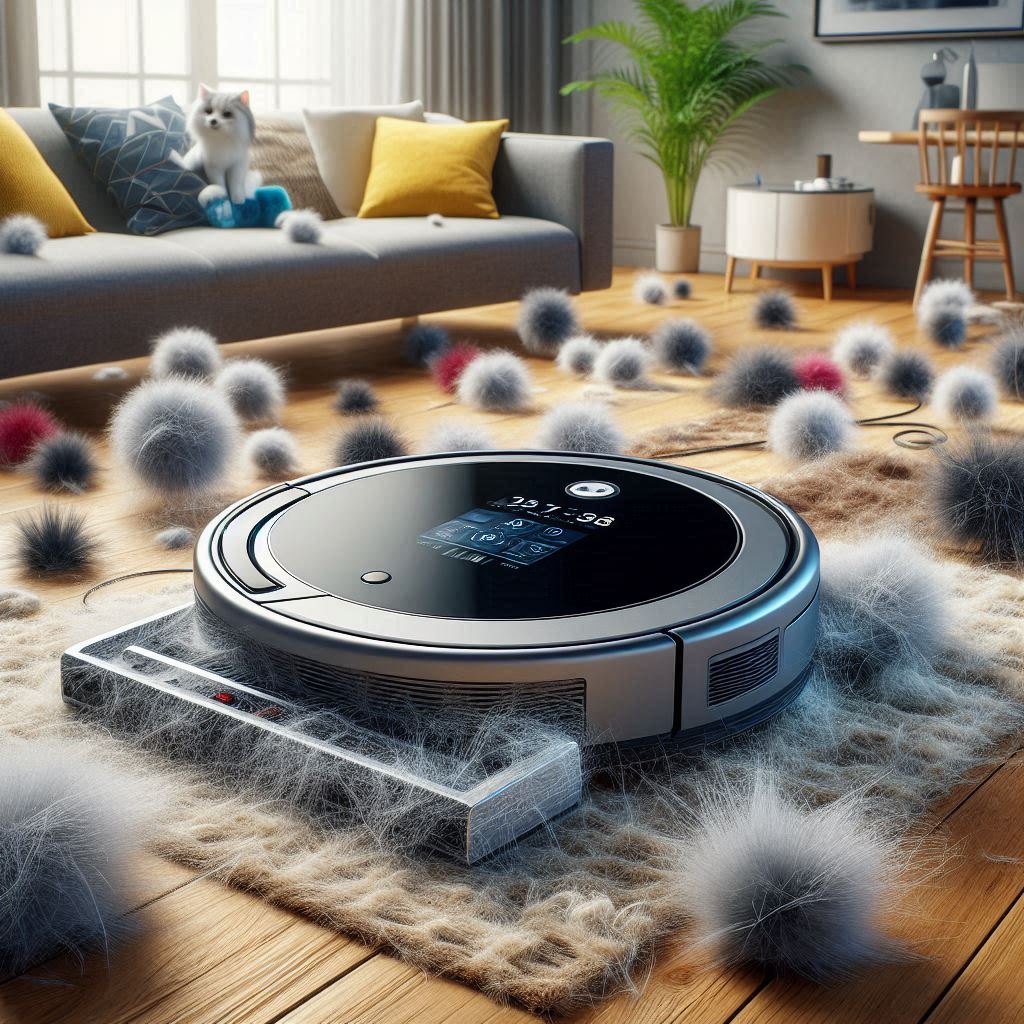
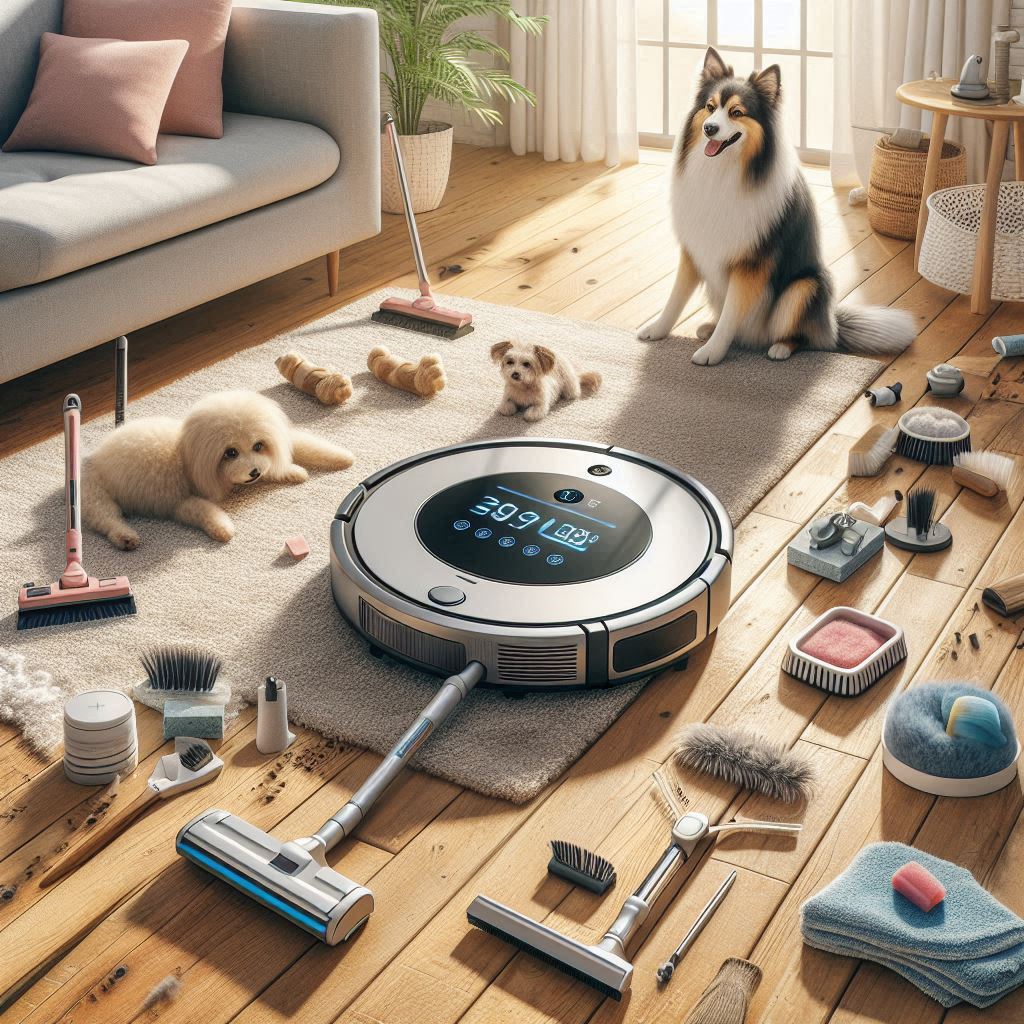
Robot vacuums have become a lifesaver for pet owners, especially those dealing with constant shedding from dogs and cats. However, many users don’t realize that robot vacuums also require consistent cleaning to perform at their best especially when pet hair is involved.
Unlike regular house dust, pet hair clogs rollers, blocks filters, wraps around wheels, and fills bins quickly. If ignored, it can even affect battery efficiency and suction power.
In this detailed guide, we will break down how to properly clean your robot vacuum for pet hair, what tools you need, how often to do it, and which models make the maintenance process easier. This guide also includes Amazon-style recommendations for maintenance-friendly units.
Why Cleaning Matters for Pet-Friendly Robot Vacuums
If you have ever noticed:
✔ suction dropping
✔ vacuum leaving hair behind
✔ noisy roller sounds
✔ app warnings
✔ shorter runtime
✔ overheating smell
✔ navigation errors
…then clogged pet hair could be the cause.
Pet fur is notorious for:
- Wrapping around main brushes
- Blocking the rubber rollers
- Getting stuck around wheels and side brushes
- Filling up dustbins rapidly
- Clogging filters & HEPA screens
This means a robot vacuum used in a pet owner’s home needs more cleaning compared to a standard dust-only environment.
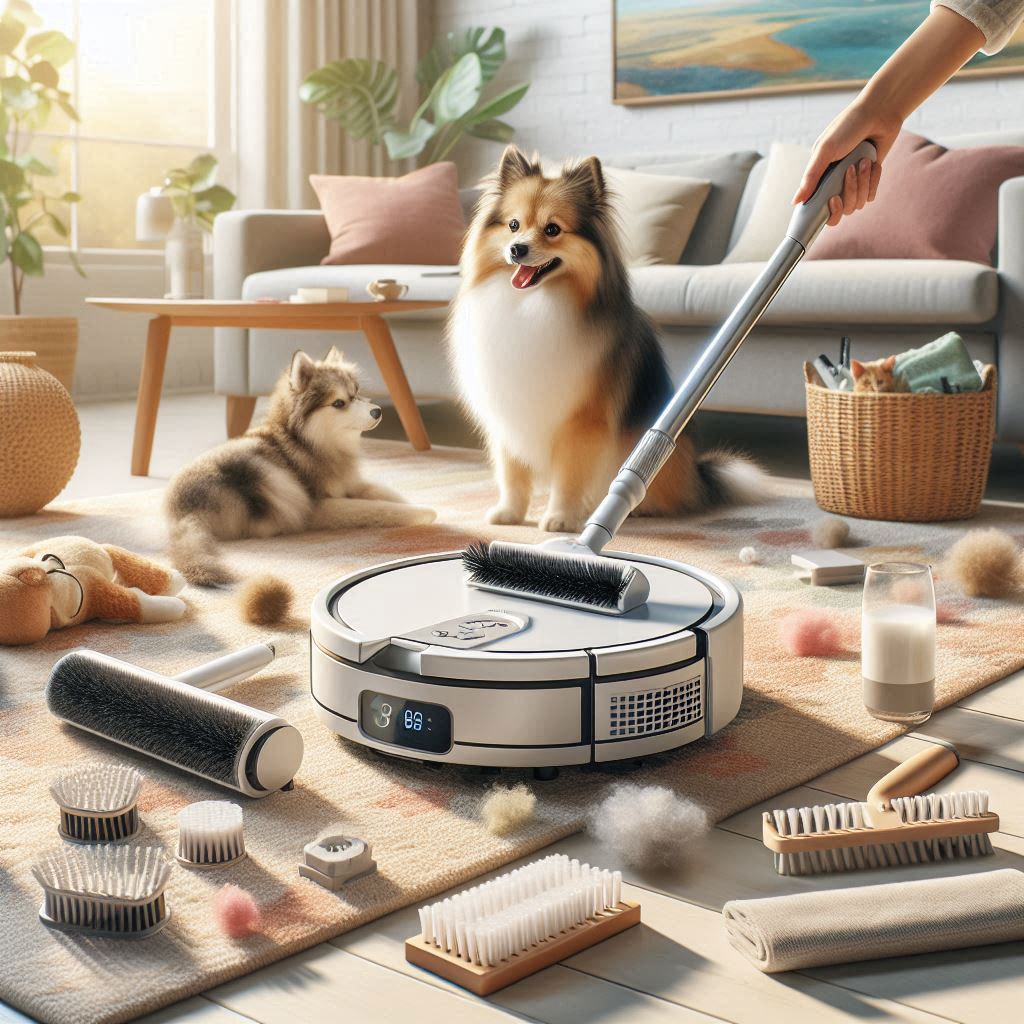
Tools You’ll Need for Proper Cleaning
The good news is: you don’t need anything expensive or fancy. Most maintenance can be done using basic household items:
✔ Small Cleaning Brush (comes with most vacuums)
✔ Scissors or seam ripper for hair removal
✔ Microfiber cloth
✔ Compressed Air (optional)
✔ Mild soap + water
✔ Replacement HEPA filters (as needed)
Some premium models also include:
- Anti-tangle combs
- Spare rollers
- Self-cleaning brush mounts
Step-by-Step Guide: How to Clean Robot Vacuum Pet Hair
Below is a practical breakdown for pet owners:
Step 1: Empty the Dustbin Frequently
Pet hair fills bins faster than normal dust. Always empty the bin after:
➡ each cleaning cycle for heavy shedders
➡ every second cycle for light shedders
Pro Tip:
Never let hair sit for days—it compresses, increases moisture, and reduces airflow.
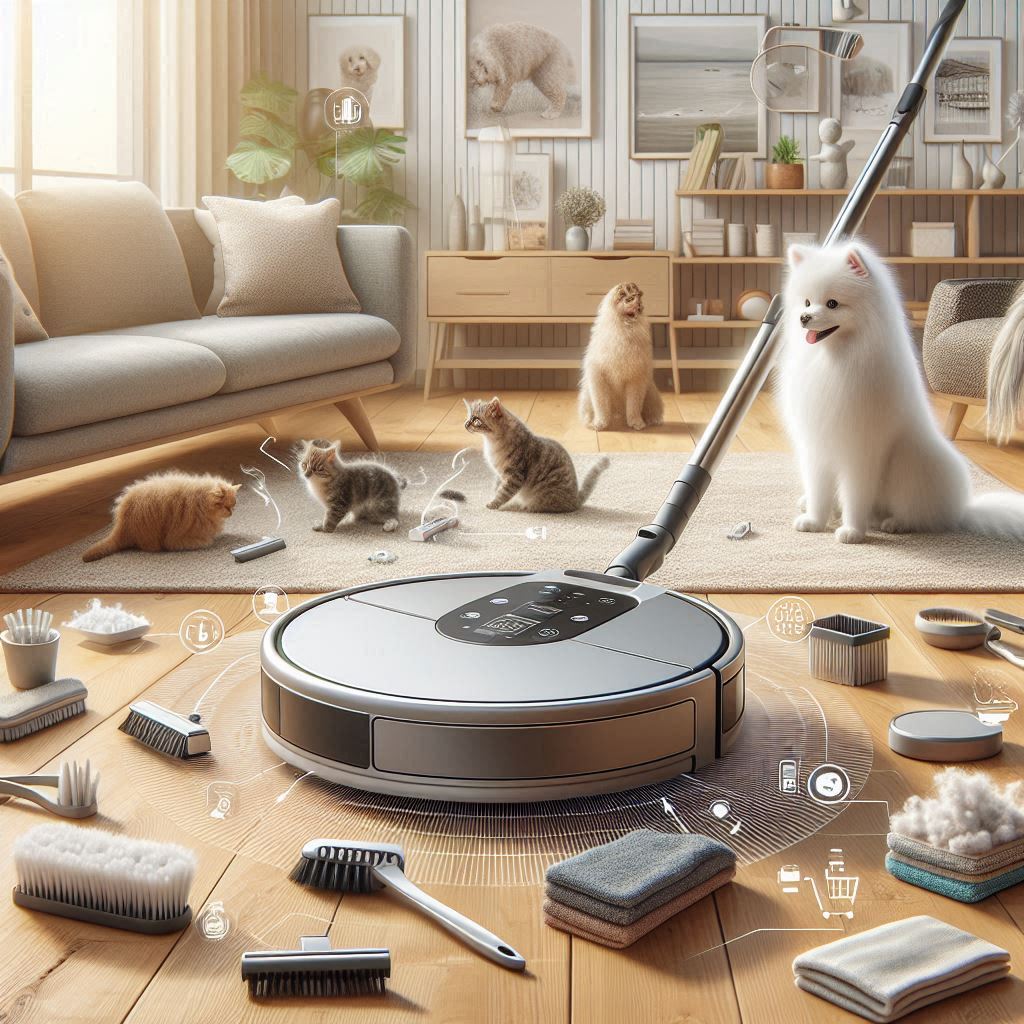
Step 2: Remove & Clean the Main Brush
The main brush is the most hair-prone component.
Steps to clean:
- Open brush guard
- Remove the roller
- Pull hair clumps manually
- Use scissors to cut wrapped strands
- Inspect for side-bearing clogs
Rubber brushes vs Bristle Brushes
| Brush Type | Pet Hair Performance |
|---|---|
| Bristle Brush | More tangling, harder to clean |
| Rubber Brush | Minimal tangling, pet-friendly |
This is why premium pet vacuums now ship with rubberized rollers.
Step 3: Clean the Side Brushes
Side brushes collect long strands of cat/dog fur and wrap around the base.
To clean:
✔ Pull off the brush
✔ Untangle hair
✔ Snip tightly wound strands
✔ Wipe with microfiber cloth
If a side brush bends permanently, replace it. These are cheap maintenance parts.
Step 4: Clean the Wheels
Hair around wheels causes:
✘ navigation errors
✘ skidding
✘ dragging noise
✘ increased battery usage
Turn the robot upside down and:
✔ spin each wheel
✔ remove trapped fibers
✔ wipe the wheel grooves
Step 5: Clean the Filter
Filters are the lungs of your robot vacuum.
Pet hair contributes:
- dander
- fine particles
- allergens
HEPA filters often accumulate white dust film which decreases suction.
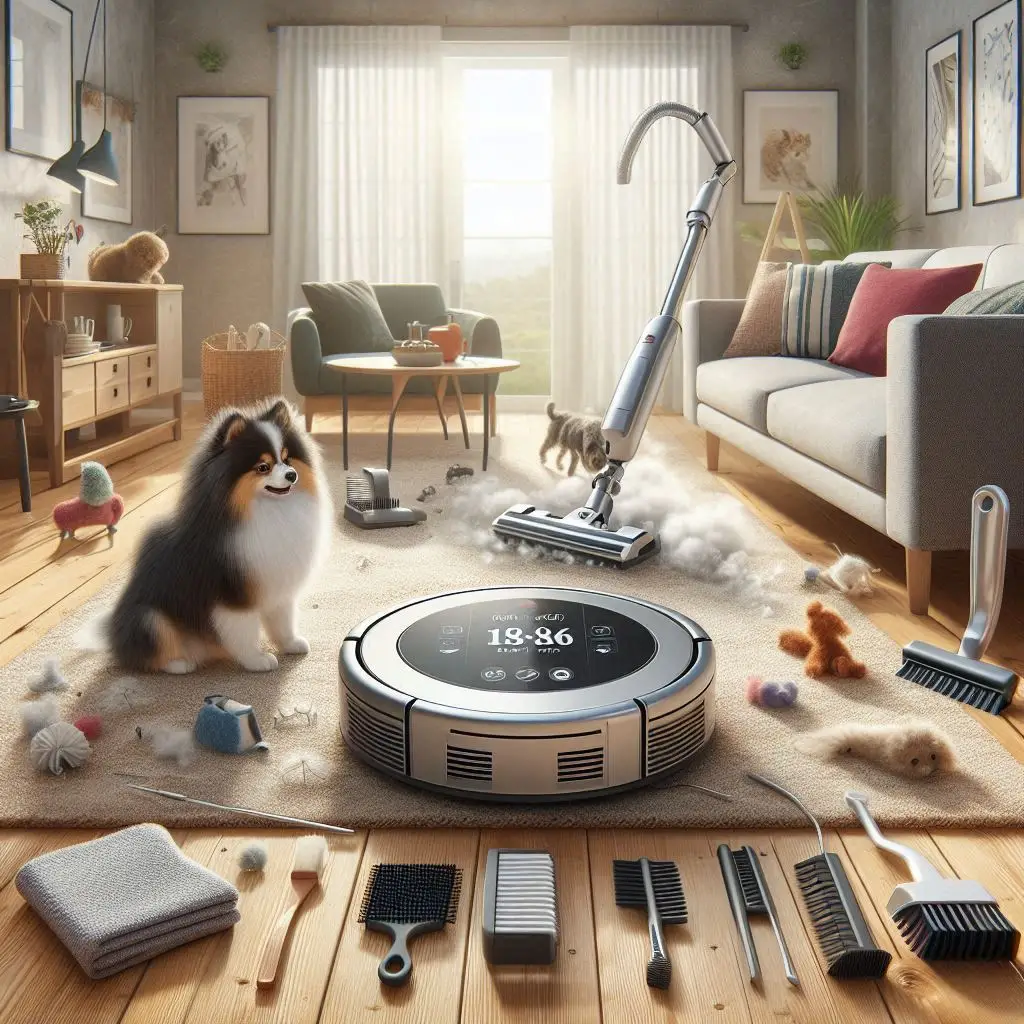
Cleaning method:
➡ Tap gently to remove loose dust
➡ Use compressed air for deep cleaning
➡ Replace every 1–3 months depending on shedding level
Note:
Never wash non-washable HEPA filters.
Step 6: Clean the Sensors
Navigation sensors get dusty; pet hair amplifies the issue.
Use:
✔ dry microfiber cloth
✔ soft brush for LiDAR towers
✔ no liquid cleaners
Dirty sensors can cause:
✘ missed spots
✘ corner hesitation
✘ docking failure
Step 7: Clean the Charging Contacts
Hair + dust around charging pins affects battery charging. Wipe:
- charging pins
- docking contacts
Use dry cloth only.
Step 8: Check the Dirt Path & Suction Channel
Airflow path is the most overlooked area. Cat fur especially clogs narrow air tunnels in robot vacuums.
If suction drops, check for:
✔ debris blockage
✔ compact dust blockage
✔ hair bundles inside channels
Some premium models include self-cleaning paths to prevent this problem.
How Often Should You Clean? (Pet Owner Schedule)
| Frequency | Task |
|---|---|
| Daily | Empty bin |
| Every 2–3 days | Clean brush + side brushes |
| Weekly | Clean wheels + filter + sensors |
| Monthly | Replace filters/brushes if needed |
| 3–6 months | Deep maintenance check |
This schedule keeps performance near factory level.
Can You Wash Robot Vacuum Parts?
✔ You can wash:
- dustbins (non-electronic ones)
- rubber brushes
- washable filters
- mop pads
- roller guards
✘ Do not wash:
- LIDAR sensors
- electronics
- HEPA non-washable filters
- charging contacts
Dry everything before reassembly.
Bonus Tip: Use Anti-Pet Hair Accessories
Some accessories reduce cleaning workload:
✔ Self-emptying bases
✔ Anti-tangle rollers
✔ Pet hair comb attachments
Best Robot Vacuums That Are Easy to Clean (Amazon Style Overview)
Since pet hair maintenance is critical, here are models known for easy cleaning:
1. PetClean X7 Robot Vacuum
Why it’s Good for Cleaning
✔ Rubber tangle-free roller
✔ Washable dustbin
✔ Quick-release brush cover
✔ Self-emptying optional base
Best For: Dogs + carpets
2. FurSweep L10 Max
✔ HEPA filter system
✔ Wide brush rollers
✔ Pet hair-friendly air channels
✔ Easy-to-access sensors
Best For: Cats + hardwood floors
3. QuietBrush S6
✔ Silent mode + rubber brush
✔ Side brush hair removal tool
✔ Good bin size for shedding seasons
Best For: Small apartments + light shedding
Final Verdict: Cleaning is Part of Performance
A robot vacuum can handle pet hair efficiently only if you maintain it correctly. Most complaints like:
✘ suction drop
✘ noisy motors
✘ poor mapping
✘ missed hair
✘ overheating
…stem from hair buildup rather than manufacturing defects
If you’re a pet owner, your robot vacuum is basically a frontline cleaning soldier. Just like any tool, it performs better with maintenance. With proper cleaning routines, your vacuum will:
✔ last longer
✔ clean better
✔ run quieter
✔ handle shedding seasons effortlessly

Related Posts