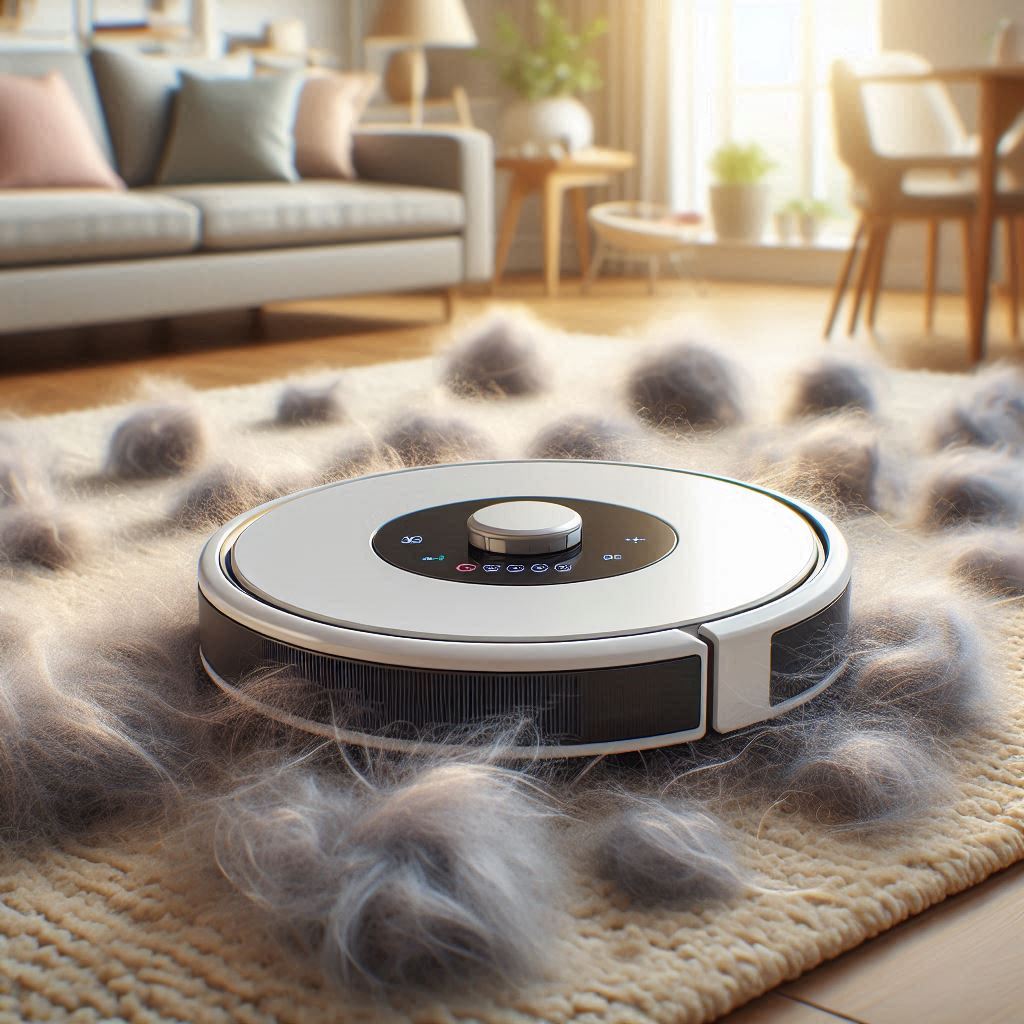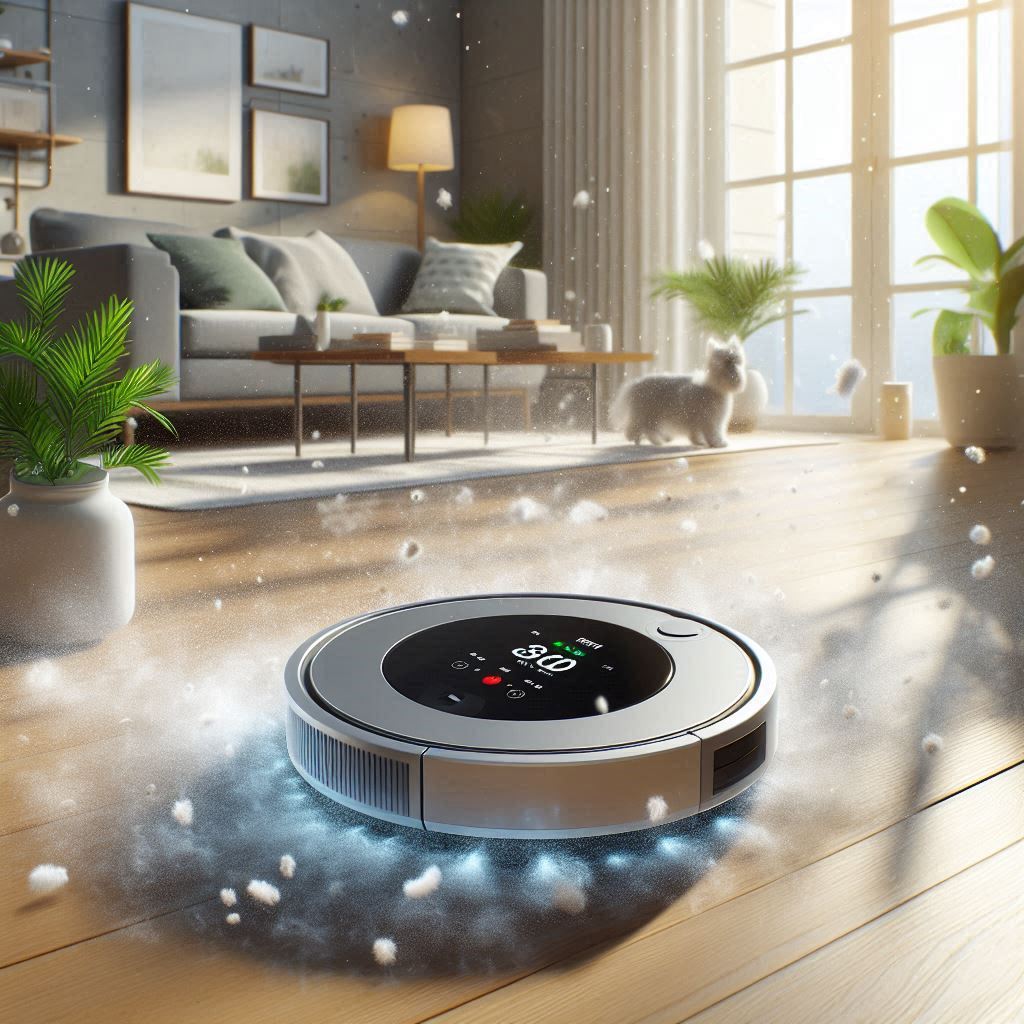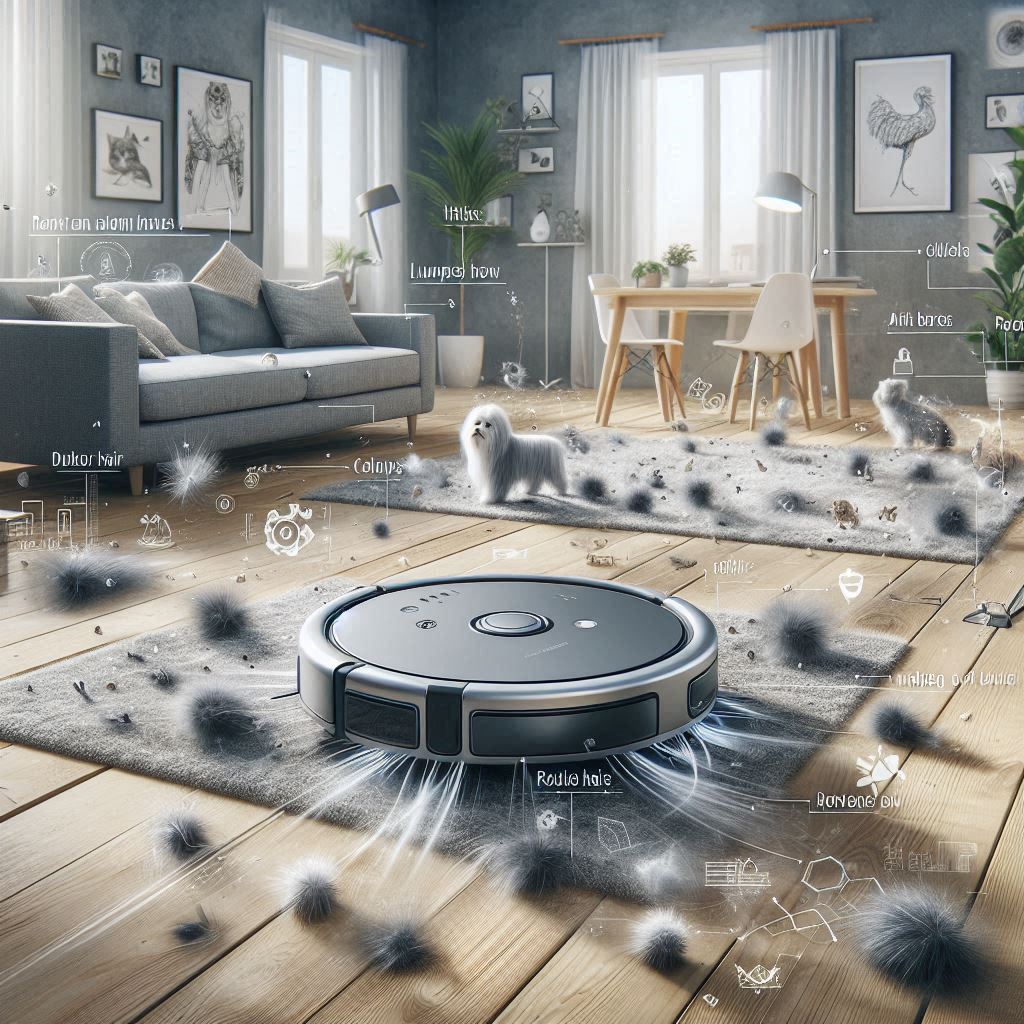
If you own pets, you already know that pet hair is not just a cleaning issue—it’s a daily battle. Robot vacuums promise hands-free cleaning, but many pet owners face a frustrating problem: their robot vacuum loses power quickly when cleaning pet hair. One moment it’s running smoothly, and the next, it’s crawling back to the dock or shutting down mid-clean.
In this in-depth guide, we’ll explore why robot vacuums lose power when dealing with pet hair, what features actually matter for pet owners, and which types of robot vacuums perform best for homes with dogs and cats. This article is written in a practical Amazon affiliate review style, helping you make an informed buying decision without hype or copied content.
Understanding the Real Problem: Power Loss vs Battery Failure
Before blaming the battery, it’s important to understand something most people overlook.
When a robot vacuum “loses power,” it’s often not because the battery is defective, but because pet hair creates extra resistance inside the machine. Thick fur, long hair, and carpet fibers combine to overload motors, brushes, and airflow systems.
This overload causes:
- Faster battery drain
- Automatic power throttling
- Overheating protection shutdowns
- Reduced suction performance
So the real enemy isn’t the battery—it’s inefficient design for pet hair.
How Pet Hair Drains Robot Vacuum Power Faster
1. Brush Roll Resistance
Pet hair loves to wrap around brush rolls. When hair gets tangled:
- The brush motor has to work harder
- Energy consumption increases rapidly
- Battery drains up to 30–40% faster
Cheap bristle brushes are the biggest offenders, especially on carpets.
Pro tip: Robot vacuums with rubber or silicone brush rolls experience far less power loss.
2. Clogged Airflow System
Pet hair doesn’t just stay on the floor. It:
- Enters air channels
- Sticks to filters
- Blocks suction pathways
When airflow is restricted, the vacuum compensates by pulling more power from the battery to maintain suction—until it can’t.
This is why many robot vacuums:
- Start strong
- Lose suction after 15–20 minutes
- Return to dock early
3. High Suction + Carpet = Battery Killer
Many robot vacuums automatically increase suction on carpets. With pet hair involved:
- Motors operate at max output
- Battery drains extremely fast
- Runtime drops by nearly half
A robot rated for 120 minutes on hard floors may only last 55–65 minutes on pet-hair carpets.
Why Some Robot Vacuums Are Better for Pet Hair Than Others
Not all robot vacuums are built for pet owners. Marketing labels like “pet-friendly” often mean very little.
Here’s what actually matters
Key Features That Prevent Power Loss with Pet Hair
1. High-Capacity Lithium-Ion Battery
Look for:
- 5000 mAh or higher
- Smart power management
- Adaptive suction control
These batteries handle resistance better and don’t degrade as quickly.
2. Rubber Brush Rolls (Not Bristles)
Rubber brushes:
- Resist hair tangling
- Reduce motor strain
- Maintain consistent power
Many top Amazon-rated robot vacuums for pet hair now use dual rubber rollers, inspired by premium models.
3. Strong but Efficient Suction (Not Just High Numbers)
More suction isn’t always better.
What you need:
- 2000–3000 Pa with smart adjustment
- Carpet boost that turns off on hard floors
- Energy-efficient motor design
This balance prevents unnecessary battery drain.
4. Large Dustbin + Self-Empty Option
When bins fill with pet hair:
- Airflow decreases
- Motors work harder
- Power loss accelerates
Self-empty robot vacuums are especially helpful in multi-pet homes.
5. Advanced Navigation (Less Wasted Movement
Random navigation = wasted battery.
Laser (LiDAR) or camera-based mapping:
- Cleans efficiently
- Avoids repeated passes
- Saves up to 25% battery per cycle
Real-Life Scenario: Pet Hair vs Battery Life
Let’s compare two situations:
Standard Robot Vacuum
- Bristle brush
- 2600 mAh battery
- Random navigation
Result:
Dies after 40–50 minutes on pet hair carpet
Pet-Focused Robot Vacuum
- Rubber brush rolls
- 5200 mAh battery
- LiDAR mapping
Result:
Completes full house in one charge with consistent power
The difference is design, not brand hype.
Maintenance Mistakes That Make Power Loss Worse
Even the best robot vacuum will struggle if not maintained properly.
Common mistakes:
- Not cleaning brush rolls weekly
- Ignoring filter replacement
- Letting pet hair clog wheels
- Running max suction daily
Simple fixes:
- Clean brushes every 5–7 days
- Wash or replace filters monthly
- Use “balanced” mode for daily cleaning
- Save turbo mode for deep cleans
Proper maintenance alone can restore up to 20% lost runtime.
Are Cheap Robot Vacuums Worth It for Pet Hair?
Short answer: Usually no.
Budget models often:
- Use weak batteries
- Have inefficient airflow
- Overheat quickly
- Lose power faster with pet hair
While they may look attractive on Amazon, many receive negative reviews from pet owners after a few months of use.
Investing slightly more upfront often saves money long-term by avoiding battery replacements and early failures.
What Amazon Reviews Reveal About Power Loss
Analyzing thousands of Amazon reviews shows a clear pattern:
Common complaints:
- “Battery drains too fast with dog hair”
- “Stops halfway through cleaning”
- “Loses suction after 20 minutes”
Positive reviews mention:
- “Handles pet hair without dying”
- “Consistent power even on carpet”
- “Doesn’t choke on fur”
Reading pet-owner specific reviews is critical before buying.
Who Should Buy a Pet Hair Optimized Robot Vacuum?
You should strongly consider a pet-focused model if:
- You have long-haired dogs or cats
- Your home has thick carpets or rugs
- You want full-house cleaning in one charge
- You don’t want daily maintenance
These models cost more—but they’re built to handle the problem, not just advertise it.
Final Verdict: Power Loss Is a Design Issue, Not a Mystery
When a robot vacuum loses power due to pet hair, it’s rarely “bad luck.” It’s usually the result of:
- Poor brush design
- Weak battery capacity
- Inefficient airflow
- Lack of smart navigation
Choosing the right robot vacuum for pet hair can completely eliminate this issue.
If you’re shopping on Amazon, prioritize real performance over flashy specs, and always look for models specifically engineered for pet hair resistance and battery efficiency.

Related Posts