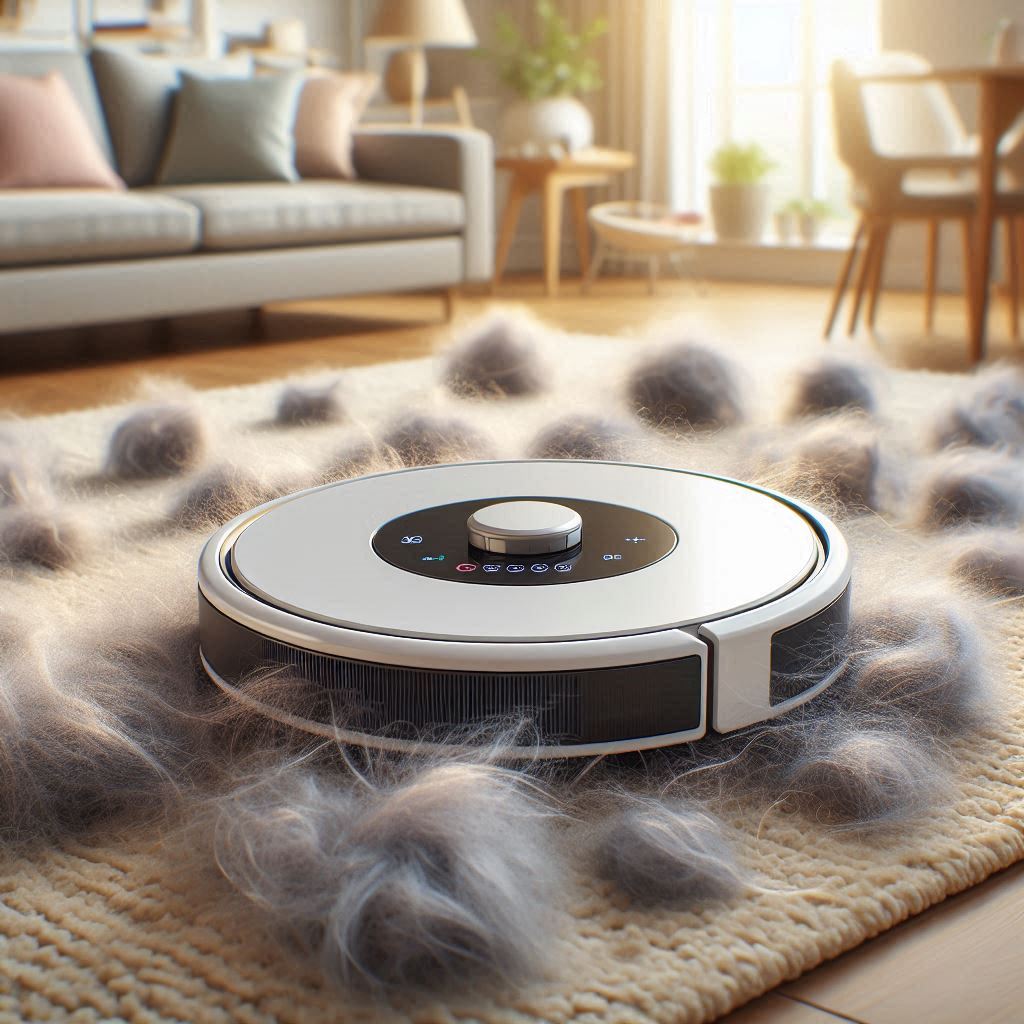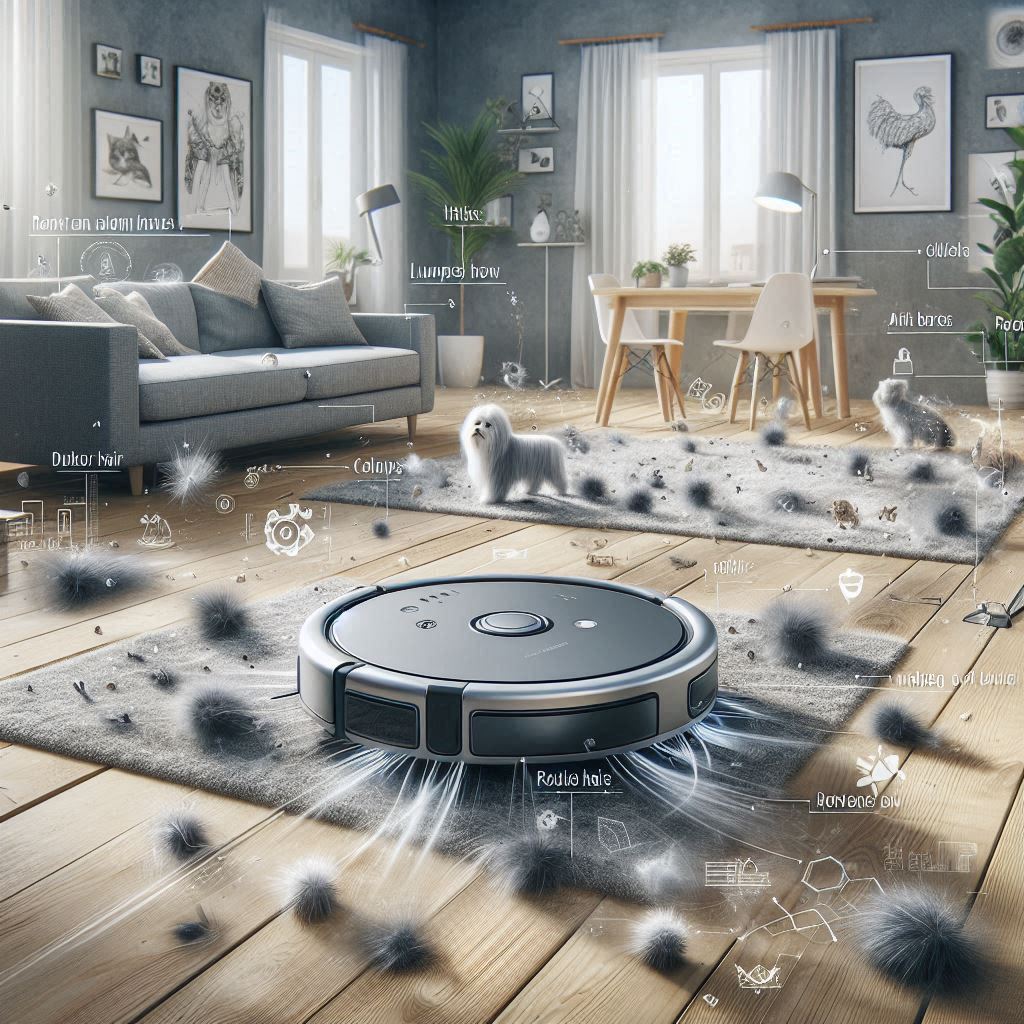
Robot vacuums are often marketed as the ultimate hands-free cleaning solution, especially for pet owners. The promise is simple: set a schedule, relax, and let the robot handle the mess. But many users quickly notice a frustrating reality—robot vacuum performance drops significantly when pet hair enters the picture.
At first, the vacuum works well. After a few weeks or months, cleaning results become inconsistent. Hair gets left behind, suction feels weaker, and battery life shortens. This article breaks down why pet hair causes performance decline, what features actually prevent it, and how to shop smarter on Amazon if you live with shedding pets.
The Difference Between “Works at First” and “Works Long-Term”
One of the biggest misconceptions about robot vacuums is assuming that short-term performance equals long-term reliability. Almost any robot vacuum can pick up some pet hair during its first few cleaning cycles. The real test comes after repeated exposure to fur, dander, and carpet fibers.
Performance drop usually shows up as:
- Reduced suction strength
- Missed pet hair on carpets
- Shorter cleaning cycles
- Increased noise or overheating
- Frequent error messages
These issues are not random—they are directly linked to how pet hair interacts with the vacuum’s internal systems.
How Pet Hair Slowly Kills Performance
1. Hair Wraps Around Brushes and Axles
Pet hair doesn’t just collect in the dustbin. It wraps tightly around:
- Main brush rolls
- Side brushes
- Wheel axles
As resistance increases, motors draw more power, leading to:
- Slower brush rotation
- Reduced debris pickup
- Higher energy consumption
Over time, this constant strain causes noticeable performance loss.
2. Airflow Becomes Restricted
Strong suction relies on smooth airflow. Pet hair and fine dander:
- Stick to filters
- Accumulate inside air channels
- Create partial blockages
Even a small airflow restriction can reduce suction efficiency by a large margin. This is why many robot vacuums sound like they’re working hard but clean poorly.
3. Filters Clog Faster in Pet Homes
Standard robot vacuum filters are often designed for dust, not fur.
In pet households:
- Filters clog faster
- Suction drops rapidly
- Motors compensate by working harder
If filters are not cleaned or replaced frequently, performance decline is inevitable.
Why Performance Drop Is Worse on Carpets
Carpets are the ultimate stress test for robot vacuums.
Pet hair:
- Embeds deep into fibers
- Clings through static electricity
- Requires stronger suction and agitation
When performance drops, carpets are the first place you’ll notice it. A robot vacuum that still looks “okay” on hard floors may be failing badly on rugs and carpeted areas.
The Role of Battery Degradation
As pet hair increases mechanical resistance:
- Motors draw more power
- Battery cycles become shorter
- Heat builds up faster
Over time, batteries degrade more quickly in pet homes. This leads to:
- Shorter runtime
- Incomplete cleaning sessions
- More frequent recharging
This isn’t always a battery defect it’s often stress-induced degradation.
Design Choices That Prevent Performance Drop
Not all robot vacuums suffer equally. Some are clearly designed with pet hair in mind.
1. Rubber or Silicone Brush Rolls
Unlike bristle brushes, rubber rollers:
- Resist hair wrapping
- Maintain consistent rotation
- Reduce motor strain
This single design change dramatically slows performance degradation.
2. High-Efficiency Filtration Systems
Pet-friendly robot vacuums use:
- Multi-layer filters
- Washable filter components
- Better sealing around airflow paths
These features help maintain suction power even as debris builds up.
3. Smart Suction Management
Instead of running at maximum power all the time, better models:
- Adjust suction automatically
- Increase power only on carpets
- Reduce load on hard floors
This balance prevents long-term performance decline.
Navigation Efficiency Matters More Than You Think
Poor navigation wastes battery and increases wear.
Random-navigation robots:
- Clean the same area repeatedly
- Consume unnecessary power
- Accumulate more hair in brushes
Advanced mapping systems (LiDAR or camera-based):
- Clean methodically
- Reduce cleaning time
- Minimize mechanical stress
Efficient movement helps preserve performance over months and years.
Maintenance: The Hidden Factor Behind Performance Drop
Many Amazon reviews blaming “poor quality” are actually describing maintenance neglect.
Essential pet-hair maintenance:
- Clean brush rolls weekly
- Remove hair from wheels
- Empty dustbin frequently
- Wash or replace filters monthly
Skipping these steps guarantees performance loss—even in premium models.
Self-Empty Bases: A Performance Saver
Robot vacuums with self-empty docks perform better over time in pet homes.
Why?
- Dustbins stay clear
- Airflow remains strong
- Hair doesn’t compact inside the vacuum
For heavy shedders, this feature significantly slows performance decline.
What Amazon Reviews Reveal About Performance Drop
Looking through Amazon reviews, a pattern emerges.
Negative reviews often say:
- “Worked great for a month, then stopped picking up hair”
- “Performance dropped after a few weeks”
- “Good for dust, bad for pet hair long-term”
Positive long-term reviews mention:
- “Still works after months of dog hair”
- “No noticeable suction loss”
- “Brushes don’t clog easily”
The difference usually comes down to pet-focused design, not price alone.
Are Budget Robot Vacuums a Bad Choice for Pet Hair?
Budget models aren’t automatically bad but most are not built for long-term pet hair exposure.
Common issues:
- Weak motors
- Small dustbins
- Poor filtration
- Bristle-heavy brush designs
These factors accelerate performance drop, making cheap models less economical over time.
Who Needs a Pet-Hair Optimized Robot Vacuum?
You should strongly consider one if:
- You own shedding dogs or cats
- Your home has carpeted rooms
- You want consistent results, not temporary performance
- You rely on daily automated cleaning
Spending slightly more upfront often prevents repeated disappointment.
Performance Drop Is Predictable and Preventable
Robot vacuum performance does not drop randomly with pet hair. It happens for clear, mechanical reasons:
- Hair wrapping
- Airflow blockage
- Increased motor strain
- Battery stress
Choosing a robot vacuum designed for pet hair, combined with proper maintenance, can keep performance stable for years.
When shopping on Amazon, don’t just ask:
“Does it work for pet hair?”
Instead ask:
“Will it still work after six months of pet hair?”
That question makes all the difference.
Amazon Affiliate Tip:
Before buying, filter reviews by “pet hair” and “long-term use.” Consistent performance over time is the real indicator of quality.

Related Posts