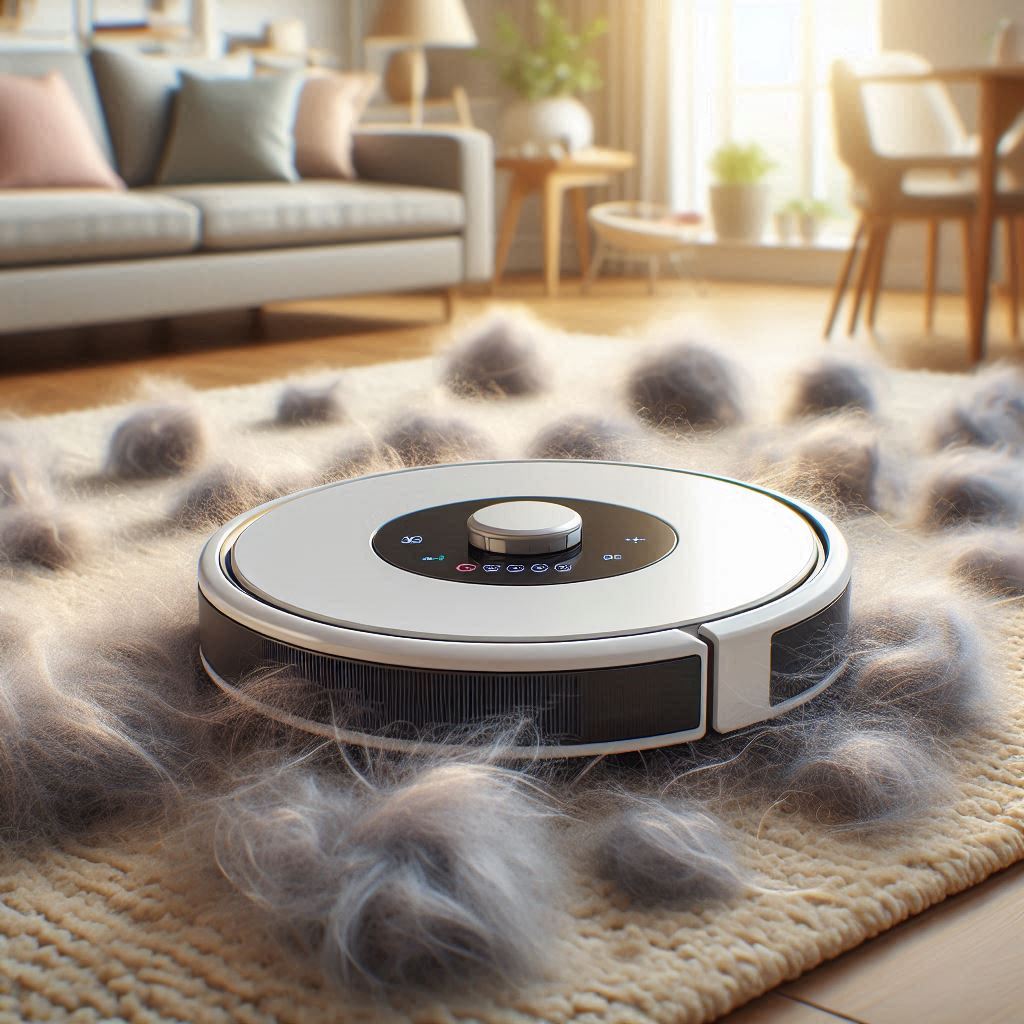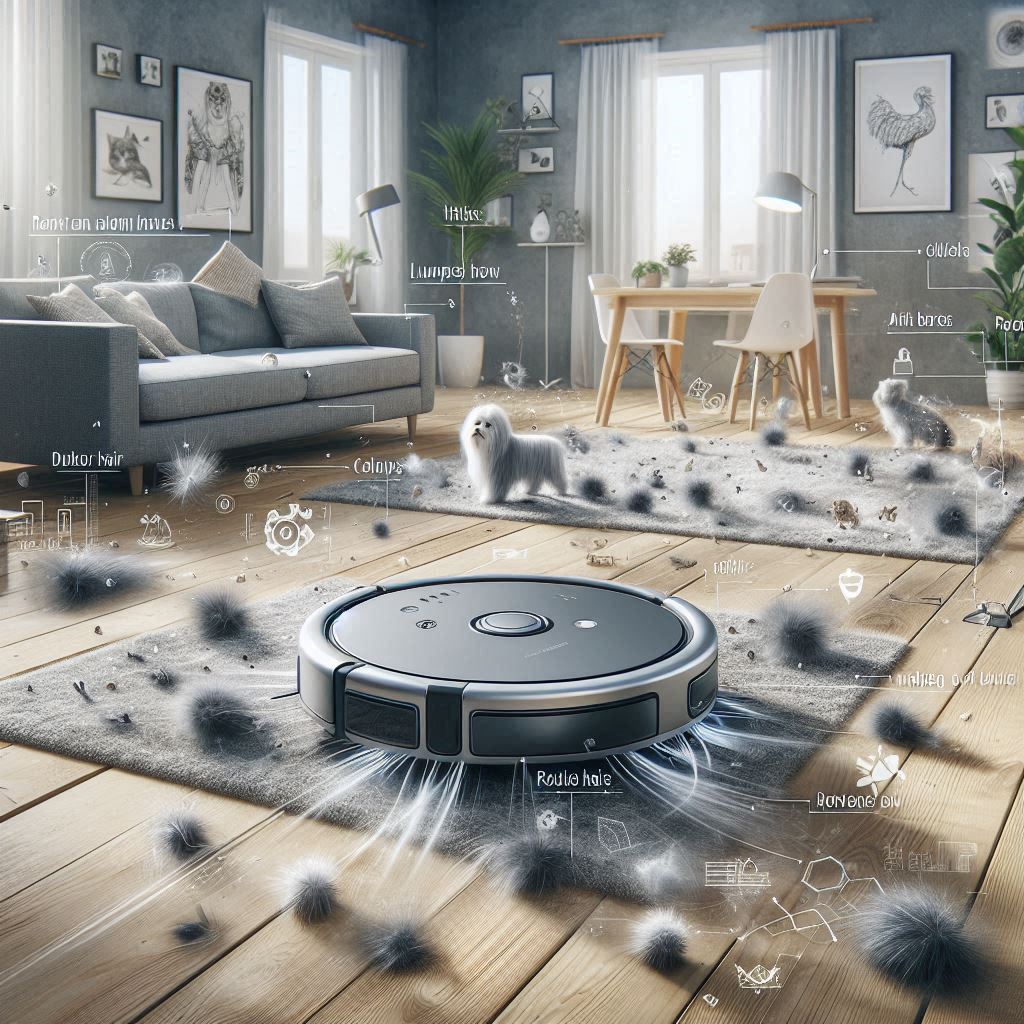
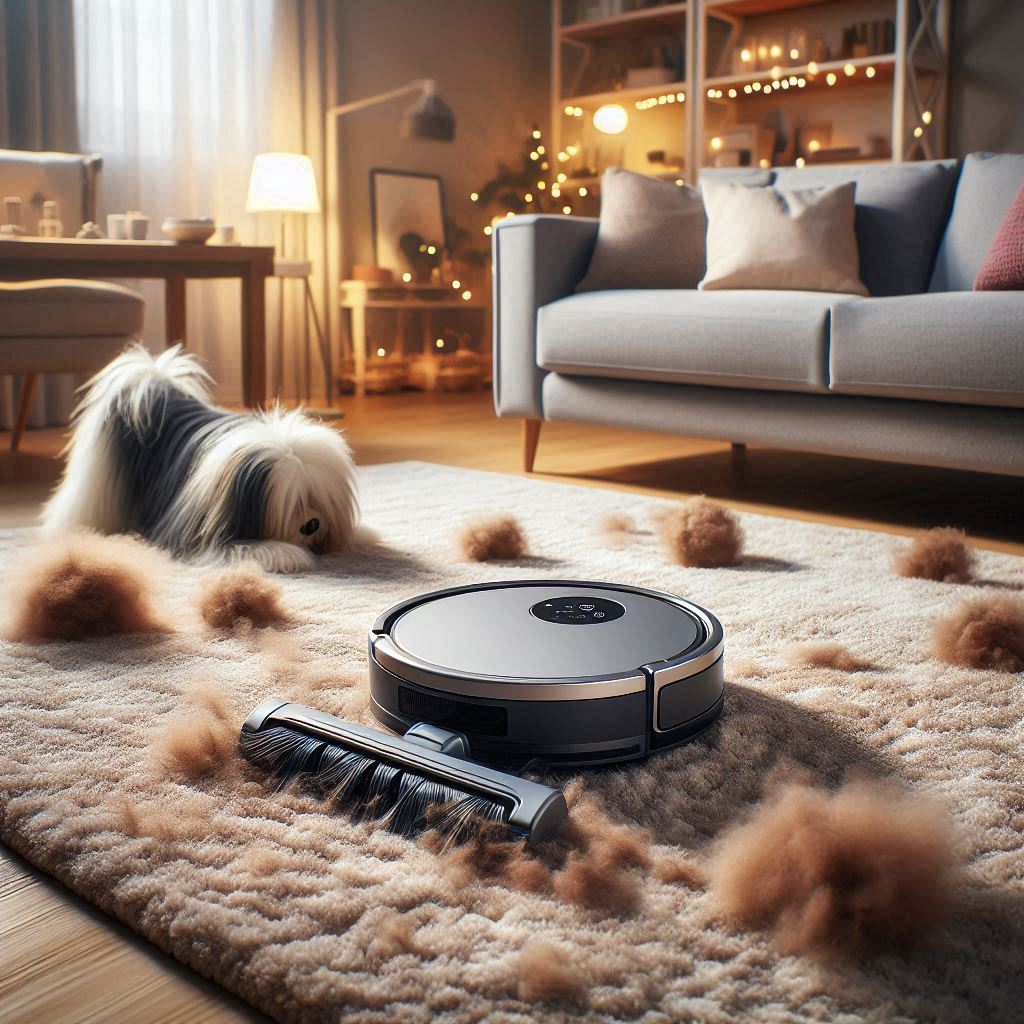
Robot vacuums have become a popular cleaning solution for pet owners who want to keep their homes free from fur, dander, and dust without daily manual effort. However, one of the most common complaints among users is poor suction performance when dealing with pet hair. Many people expect robot vacuums to effortlessly remove dog or cat hair from carpets, rugs, and hard floors, only to find clumps of hair left behind.
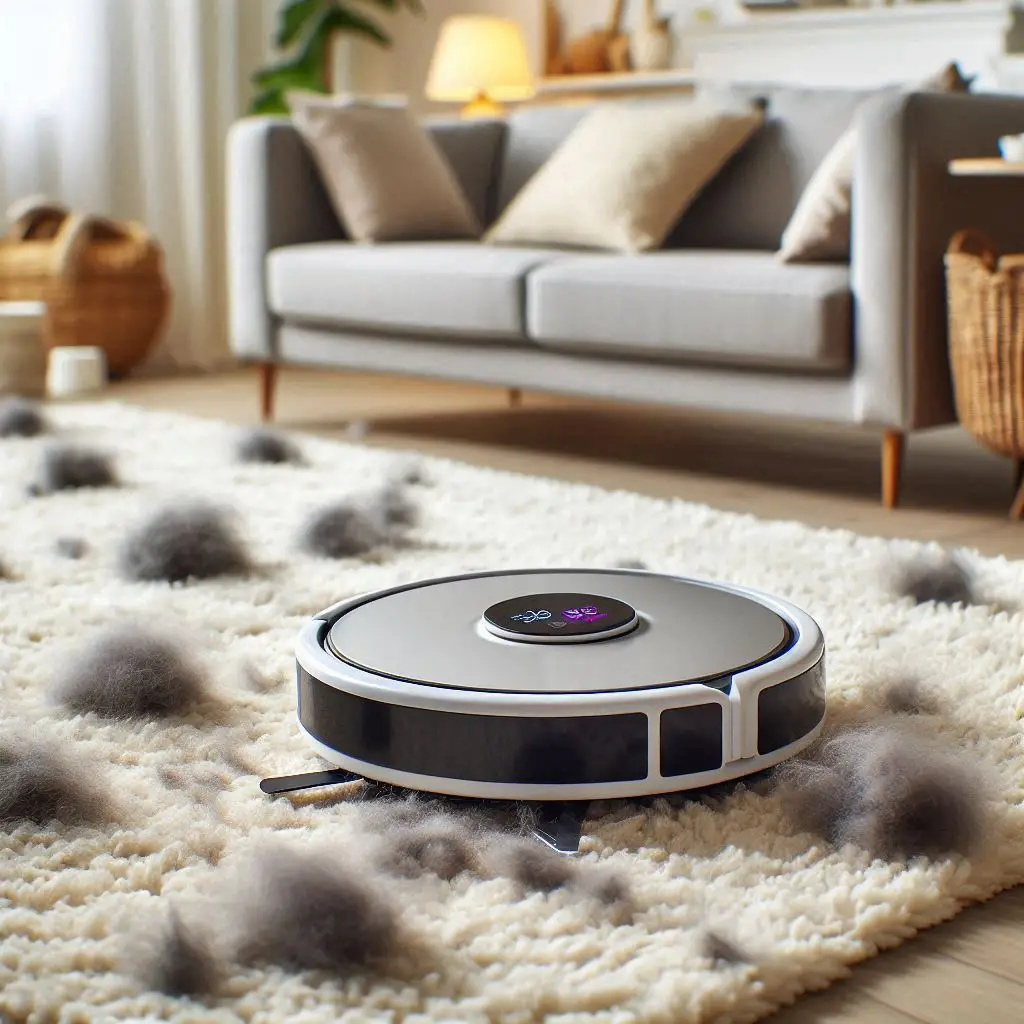
This article explores why robot vacuums often struggle with pet hair suction, what factors affect performance, and how pet owners can improve results or choose the right solution.
Understanding the Problem of Poor Suction in Robot Vacuums
Poor suction does not always mean the robot vacuum is defective. In many cases, the issue arises from design limitations, maintenance problems, or unrealistic expectations. Pet hair behaves differently from dust or crumbs. It is lightweight, static-prone, and often deeply embedded in carpet fibers, especially in homes with shedding breeds.
Robot vacuums are compact devices, and unlike traditional upright vacuums, they have smaller motors and narrower airflow paths. This makes pet hair pickup more challenging, particularly on thick carpets.
Common Reasons Robot Vacuums Have Poor Suction for Pet Hair
1. Hair Clogging the Brush Roll
Pet hair easily wraps around brush rolls. Over time, this buildup:
- Reduces brush rotation
- Blocks airflow
- Prevents hair from reaching the dustbin
When brushes are clogged, suction may technically still be strong, but hair is never lifted properly.
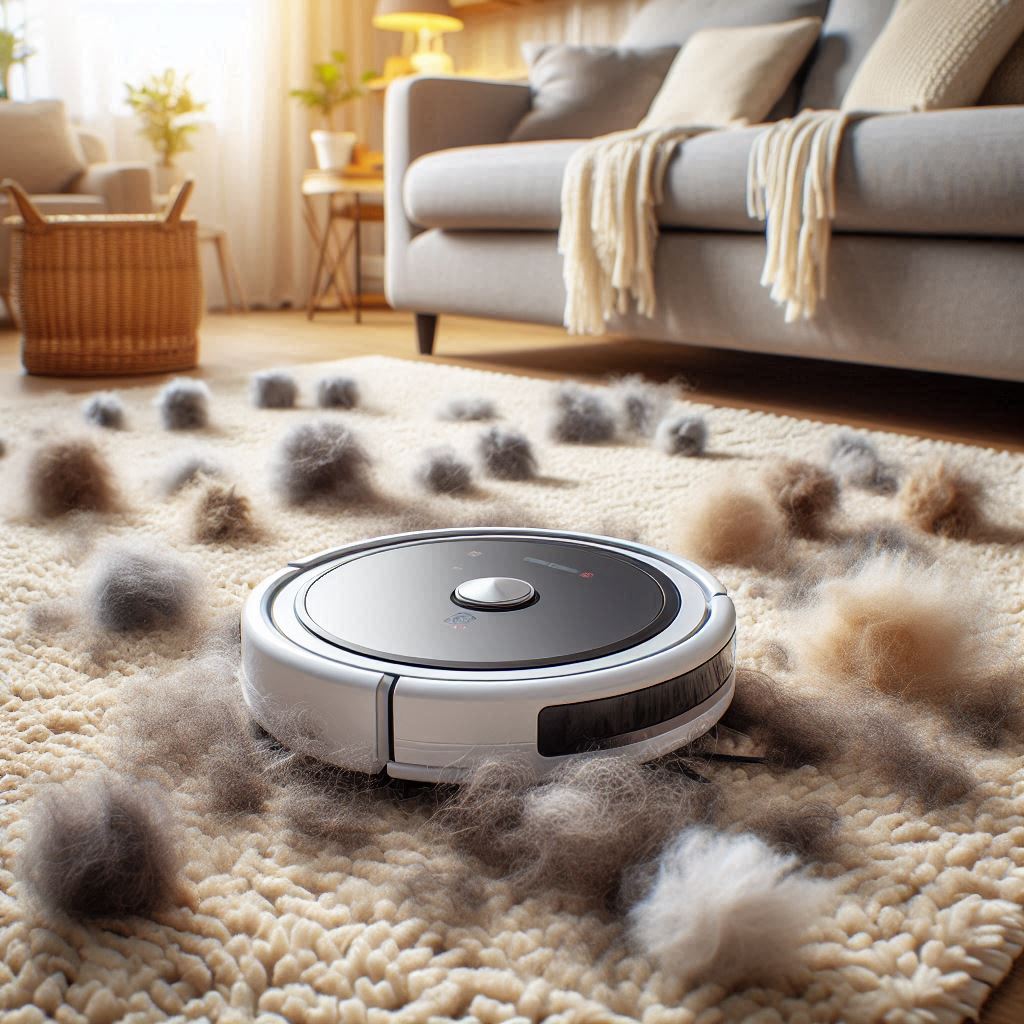
2. Full or Dirty Dustbin
A full dustbin restricts airflow. Robot vacuums rely on steady air movement, and pet hair fills bins quickly. Even half-full bins can cause noticeable suction loss.
3. Clogged Filters
Filters trap fine dust and allergens, but pet hair and dander clog them faster than normal debris. A dirty filter:
- Reduces suction power
- Forces the motor to work harder
- Shortens vacuum lifespan
Many users forget that filters need regular cleaning or replacement.
Carpet Type and Pet Hair Challenges
Low-Pile vs High-Pile Carpets
Robot vacuums perform better on low-pile carpets. On thick or high-pile carpets:
- Hair sinks deep into fibers
- Robot vacuums lack the deep agitation power
- Suction alone is often not enough
This leads users to believe the vacuum has poor suction, when in reality, the surface is the real challenge.
Rugs and Mats
Pet hair sticks to rug edges and corners. Most robot vacuums struggle in these areas due to:
- Height transitions
- Reduced airflow near edges
- Limited edge-cleaning power
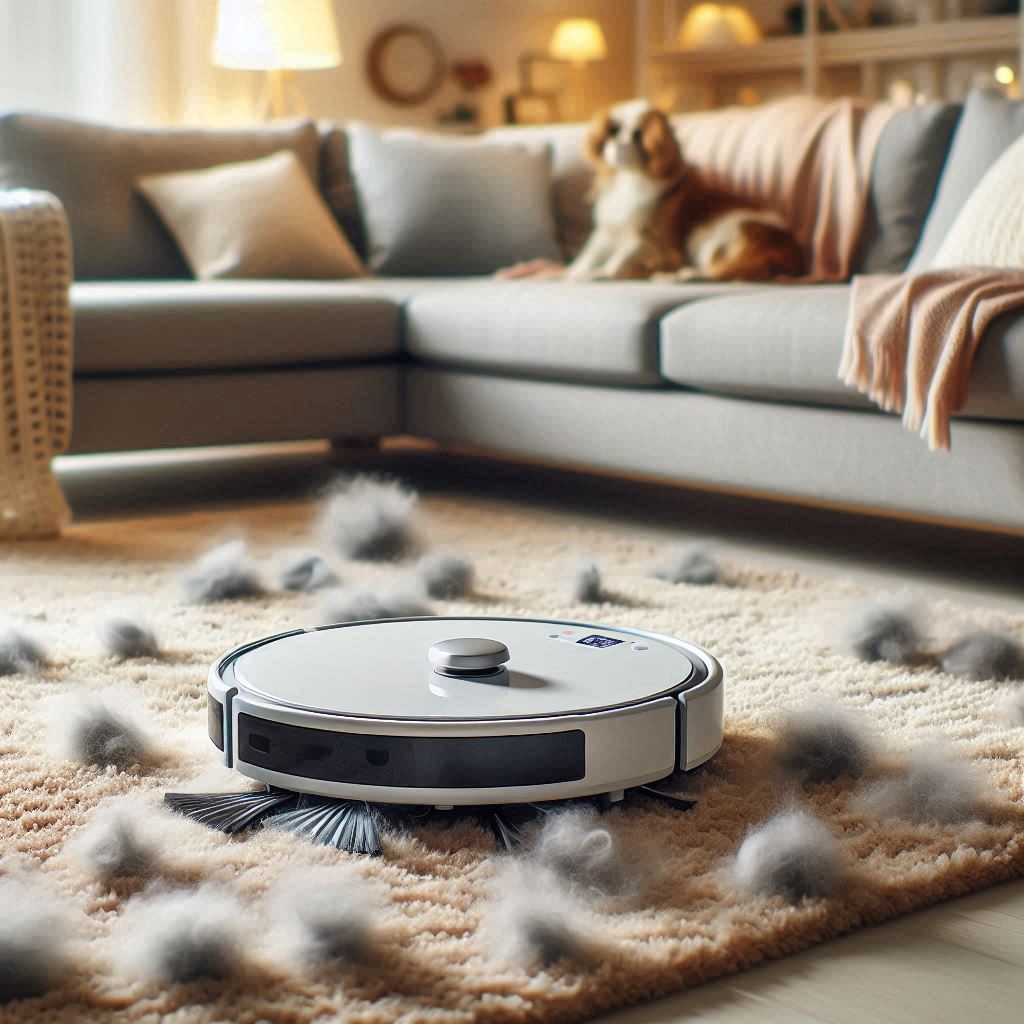
Pet Hair Type Matters More Than You Think
Not all pet hair is the same.
- Long dog hair tends to wrap around brushes
- Short cat hair embeds deeply in carpets
- Fine fur clings due to static electricity
Robot vacuums may handle one type well but fail with another. Homes with multiple pets often face compounded suction problems.
Power vs Design: Why Suction Alone Is Not Enough
Many manufacturers advertise suction power in Pascals (Pa), but higher suction numbers do not guarantee better pet hair pickup.
Why?
- Brush design is equally important
- Airflow path must be optimized
- Rubber rollers often perform better than bristle brushes
A robot vacuum with moderate suction and smart brush design can outperform one with high suction but poor airflow.
Maintenance Issues That Kill Suction Performance
Infrequent Cleaning
Robot vacuums need more maintenance in pet homes. Ignoring regular care leads to:
- Reduced suction
- Loud operation
- Overheating motors
Worn-Out Parts
Brushes, filters, and seals wear out over time. Old components cause air leaks, reducing effective suction even if the motor is strong.
Software and Navigation Impact on Cleaning Quality
Modern robot vacuums rely on smart navigation. Poor mapping or outdated software can result in:
- Missed areas
- Repeated passes over clean spots
- Ignored high-hair zones
This creates the illusion of poor suction, while the real issue is inefficient cleaning patterns.
User Expectations vs Reality
Many users expect robot vacuums to replace traditional vacuums completely, especially in pet households. This expectation often leads to disappointment.
Robot vacuums are best at:
- Daily maintenance
- Controlling shedding buildup
- Reducing allergens
They are not designed for deep cleaning heavily soiled carpets filled with pet hair.
How to Improve Robot Vacuum Suction for Pet Hair
1. Clean Brushes Weekly
Remove tangled hair using cleaning tools or scissors. This simple step restores performance immediately.
2. Empty the Dustbin Frequently
In pet homes, empty the bin after every run if possible.
3. Wash or Replace Filters
Washable filters should be cleaned regularly. Non-washable filters must be replaced as recommended by the manufacturer.
4. Adjust Cleaning Settings
Use:
- Max suction mode for carpets
- Carpet boost features if available
- Multiple passes in high-shedding areas
Choosing the Right Robot Vacuum for Pet Hair
If suction problems persist, the issue may be the model itself.
Key Features to Look For
- Strong airflow, not just high Pa ratings
- Tangle-free or rubber brush rolls
- High-efficiency filters (HEPA preferred)
- Large dustbin capacity
- Automatic carpet boost
Avoid basic models if you have heavy-shedding pets.
When a Robot Vacuum Is Not Enough
In some cases, robot vacuums cannot handle extreme pet hair situations alone.
Consider combining:
- Robot vacuum for daily maintenance
- Upright or canister vacuum for weekly deep cleaning
This hybrid approach delivers better overall cleanliness without overworking the robot.
Poor suction for pet hair is one of the most common frustrations robot vacuum owners face. However, the problem is rarely caused by suction power alone. Brush design, maintenance habits, carpet type, and pet hair characteristics all play critical roles.
Understanding these factors helps pet owners make informed decisions, improve existing performance, and set realistic expectations. Robot vacuums are powerful tools for managing pet hair, but they work best when used correctly, maintained regularly, and paired with the right home environment.
With proper care and the right model, robot vacuums can significantly reduce pet hair buildup and make everyday cleaning easier—even in homes full of furry companions.

Related Posts