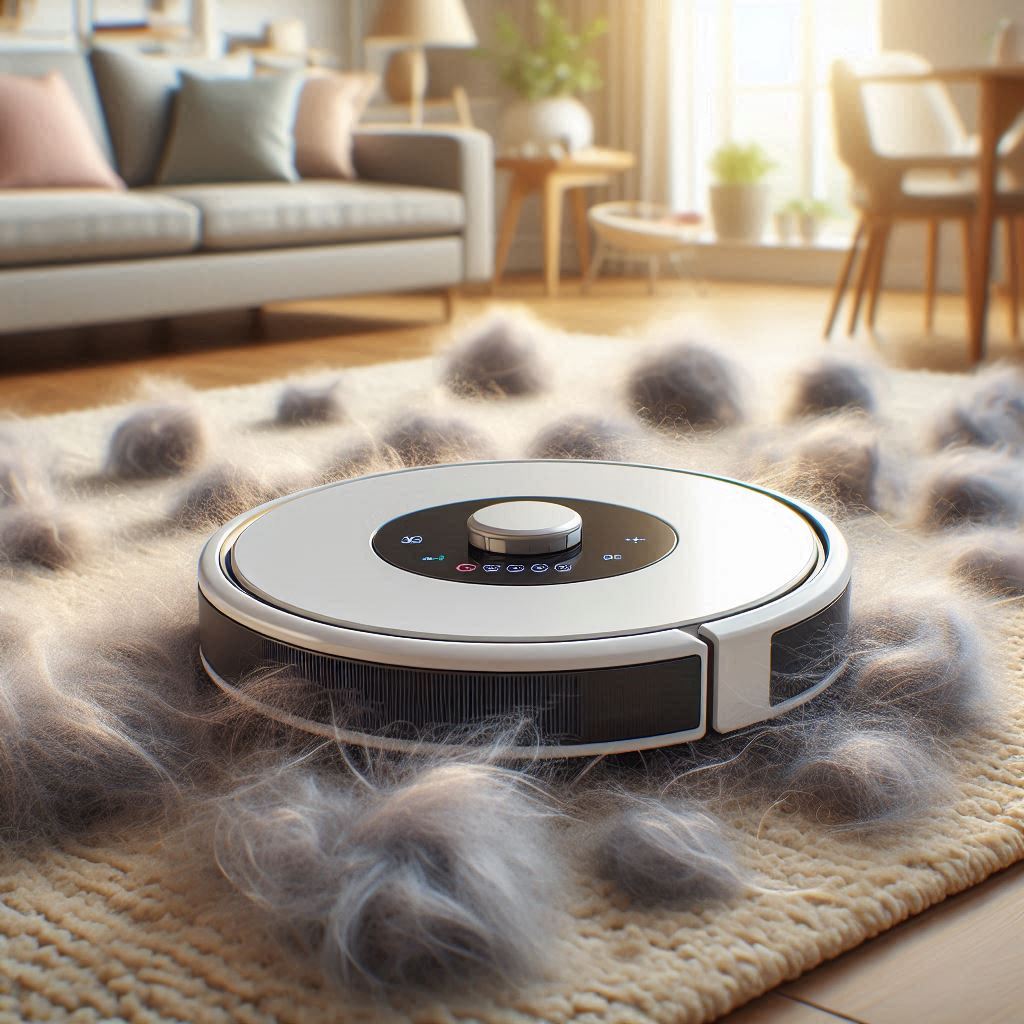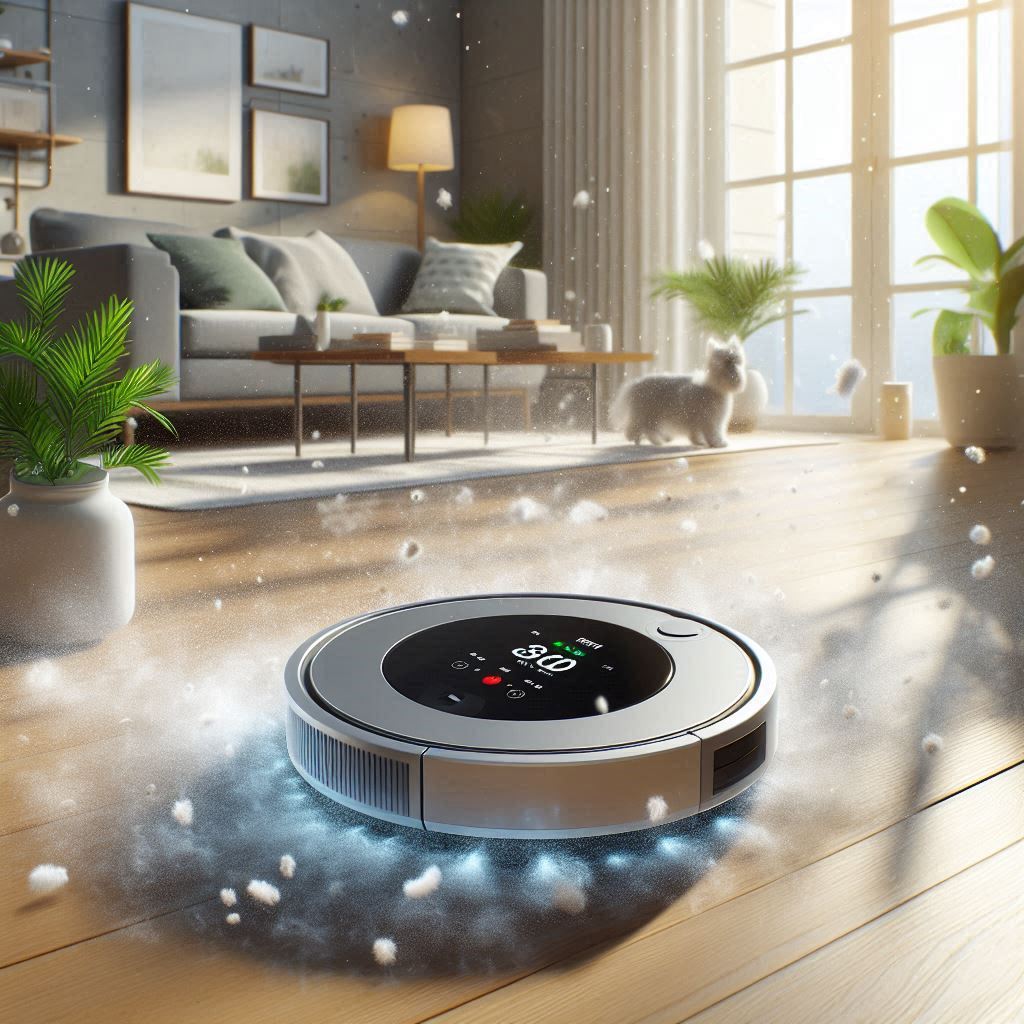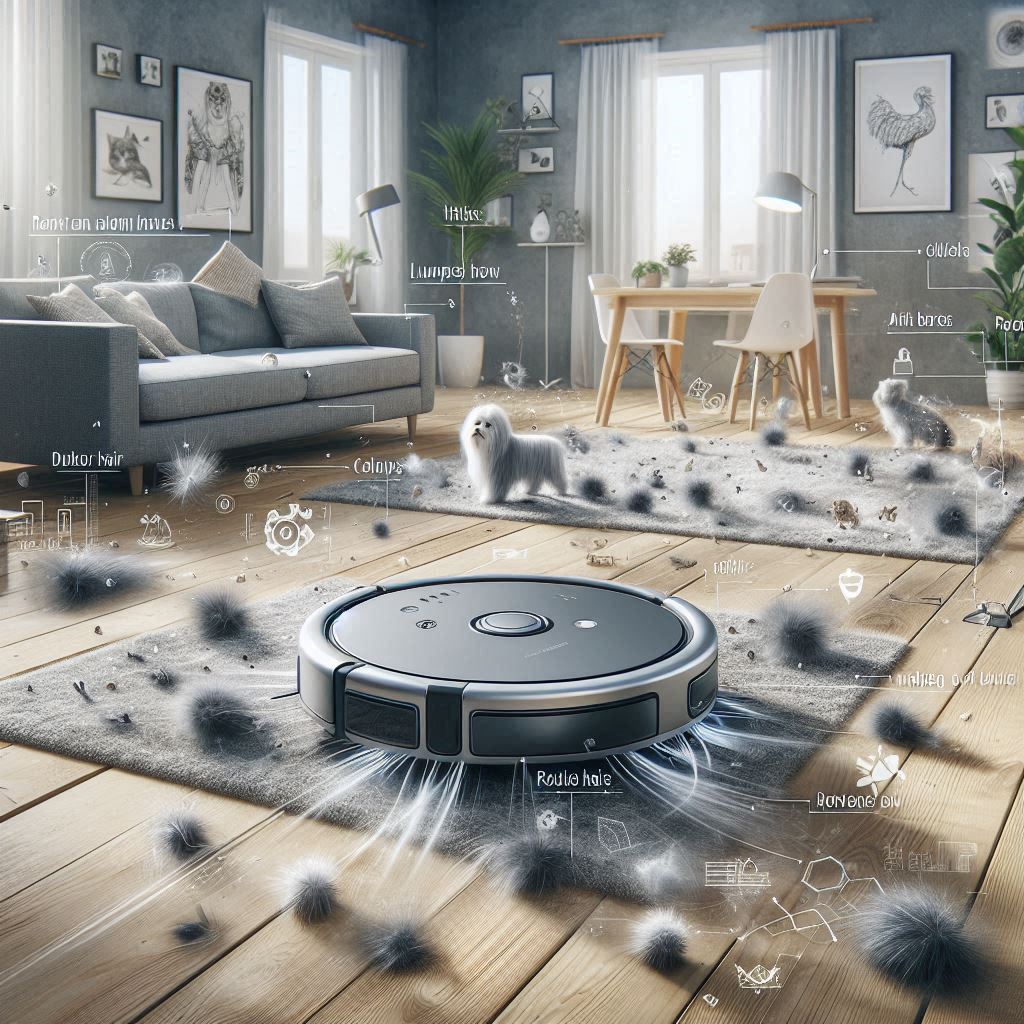
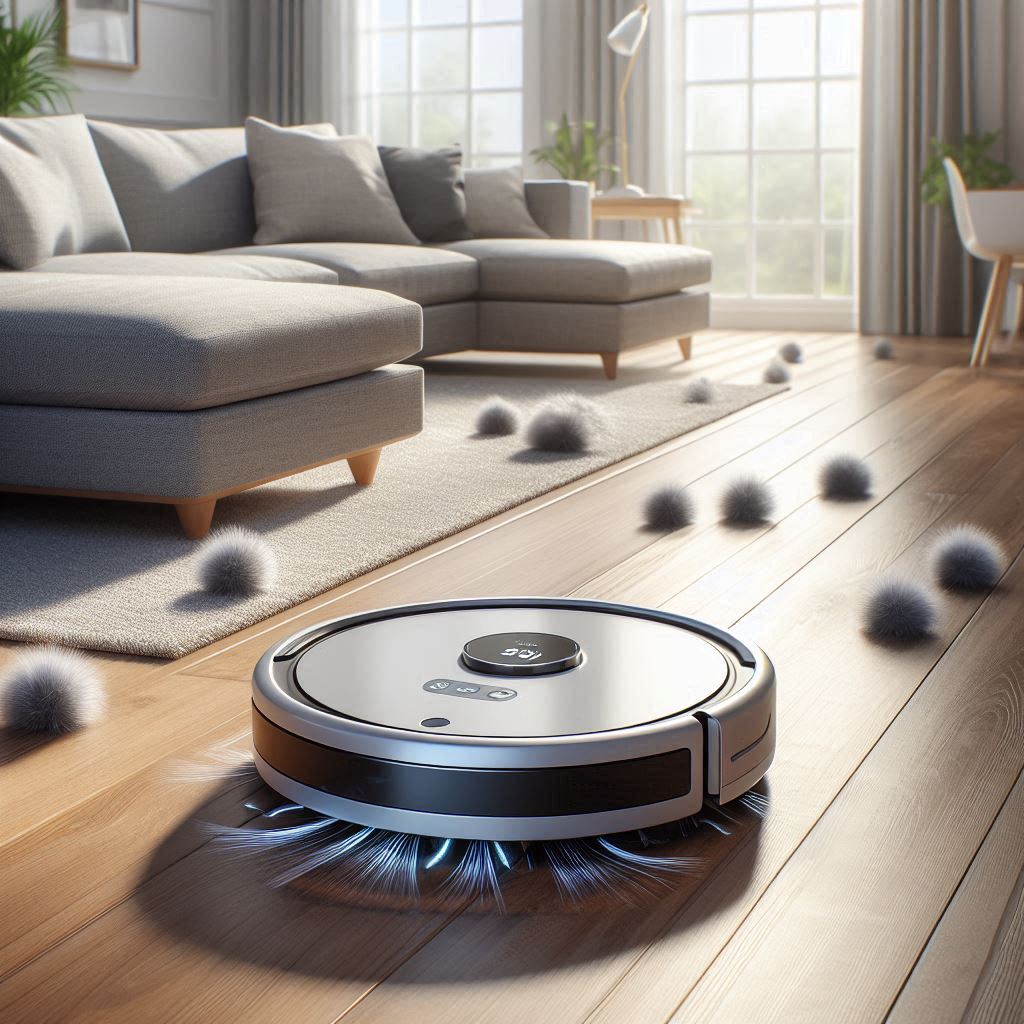
Pet hair is one of the toughest cleaning challenges for modern homes. While robot vacuums have become smarter, faster, and more powerful, edge cleaning for pet hair remains a critical test that separates average models from truly excellent ones. If you share your home with cats or dogs, you already know that pet hair loves to hide along walls, baseboards, furniture edges, and tight corners—areas where traditional robot vacuums often struggle.
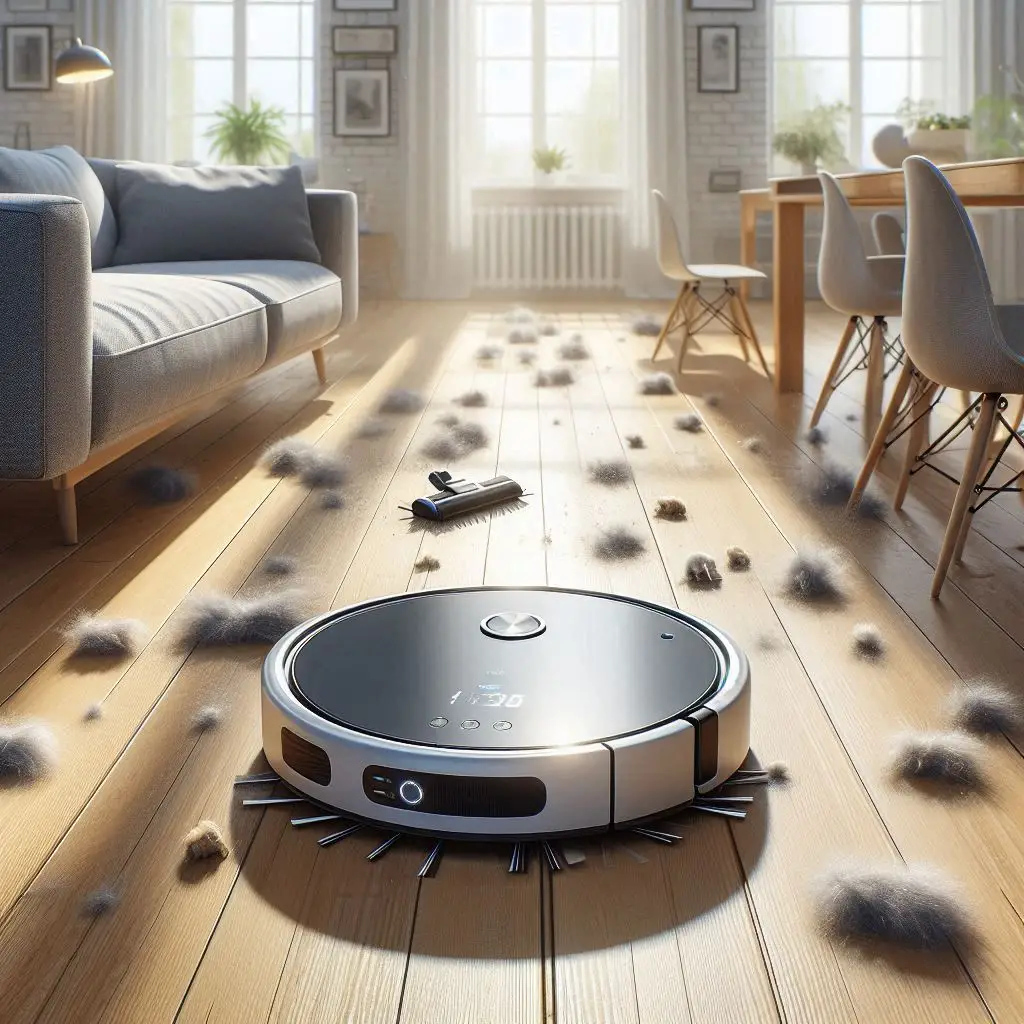
In this in-depth Amazon-style review guide, we will explore how robot vacuums handle pet hair edge cleaning, what technologies actually work, common problems, and how to choose the best robot vacuum for homes with shedding pets.
Why Pet Hair Accumulates Along Edges
Pet hair does not settle randomly. Due to airflow, foot traffic, and furniture placement, fur naturally collects:
- Along baseboards and wall edges
- Under sofas, beds, and cabinets
- In corners where dust and hair get trapped
- Around table legs and chair edges
This makes edge cleaning performance far more important than simple open-floor suction. A robot vacuum might clean the center of the room well but still leave visible hair lines along the walls.
The Biggest Challenge: Edge Cleaning + Pet Hair
Edge cleaning becomes even harder when pet hair is involved because:
- Pet hair is lightweight and static-prone
- Fur often tangles with dust and debris
- Corners limit brush contact
- Many robot vacuums use round designs that can’t fully reach edges
This is why not all robot vacuums are suitable for pet owners, especially those with heavy-shedding dogs or long-haired cats.
Key Features That Improve Pet Hair Edge Cleaning
When reviewing robot vacuums for pet hair edge cleaning, several features make a real difference.
1. Side Brushes Designed for Edges
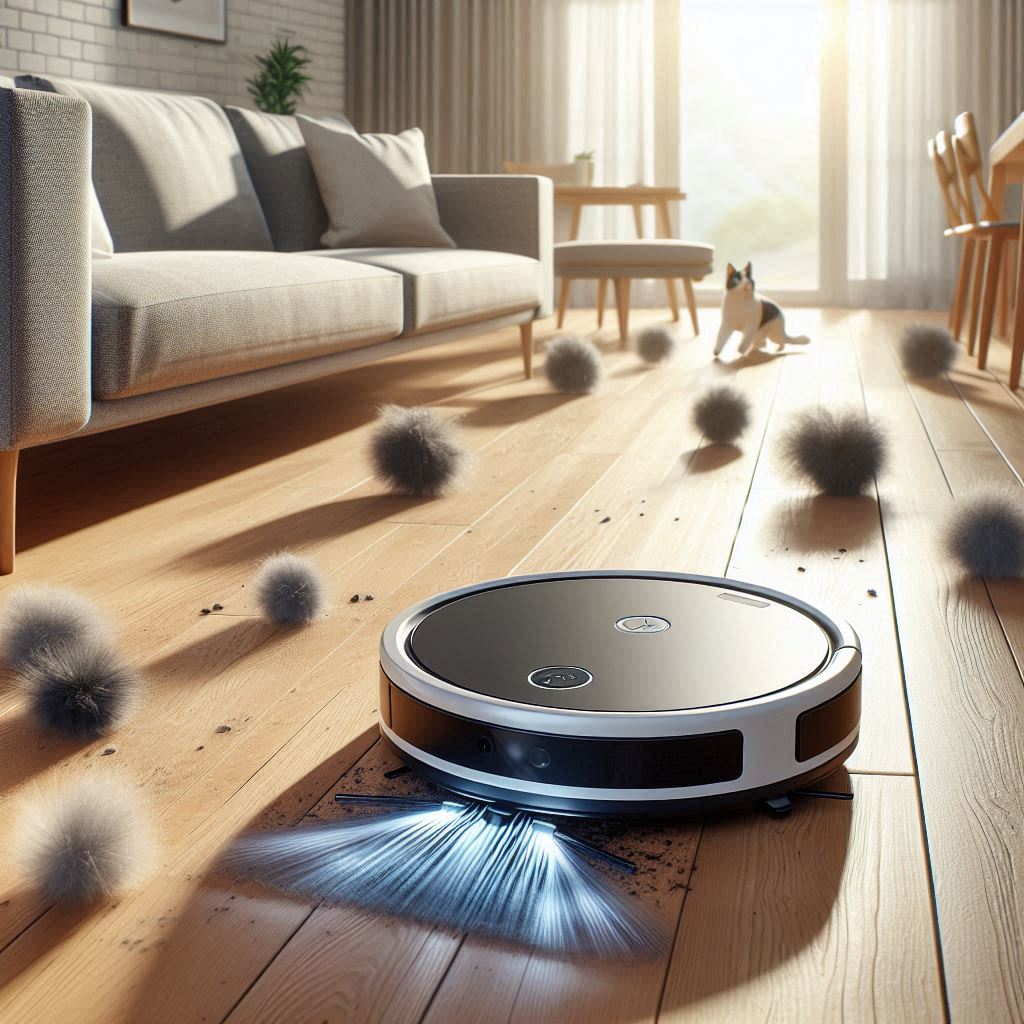
High-quality robot vacuums use extended or dual side brushes that sweep hair from edges into the suction path. Models with stiff yet flexible bristles perform best, as they can flick pet hair away from baseboards without scattering it.
Cheap side brushes often:
- Miss hair completely
- Scatter fur instead of collecting it
- Wear out quickly with pet hair
2. Strong Suction Near Walls
Edge cleaning requires consistent suction power, especially along carpets and rugs where pet hair embeds itself. Robot vacuums designed for pet homes usually feature:
- Auto-boost suction when near walls
- Higher airflow channels
- Sealed suction paths to prevent hair loss
Without strong suction, side brushes alone cannot handle pet hair buildup.
3. Advanced Wall-Following Sensors
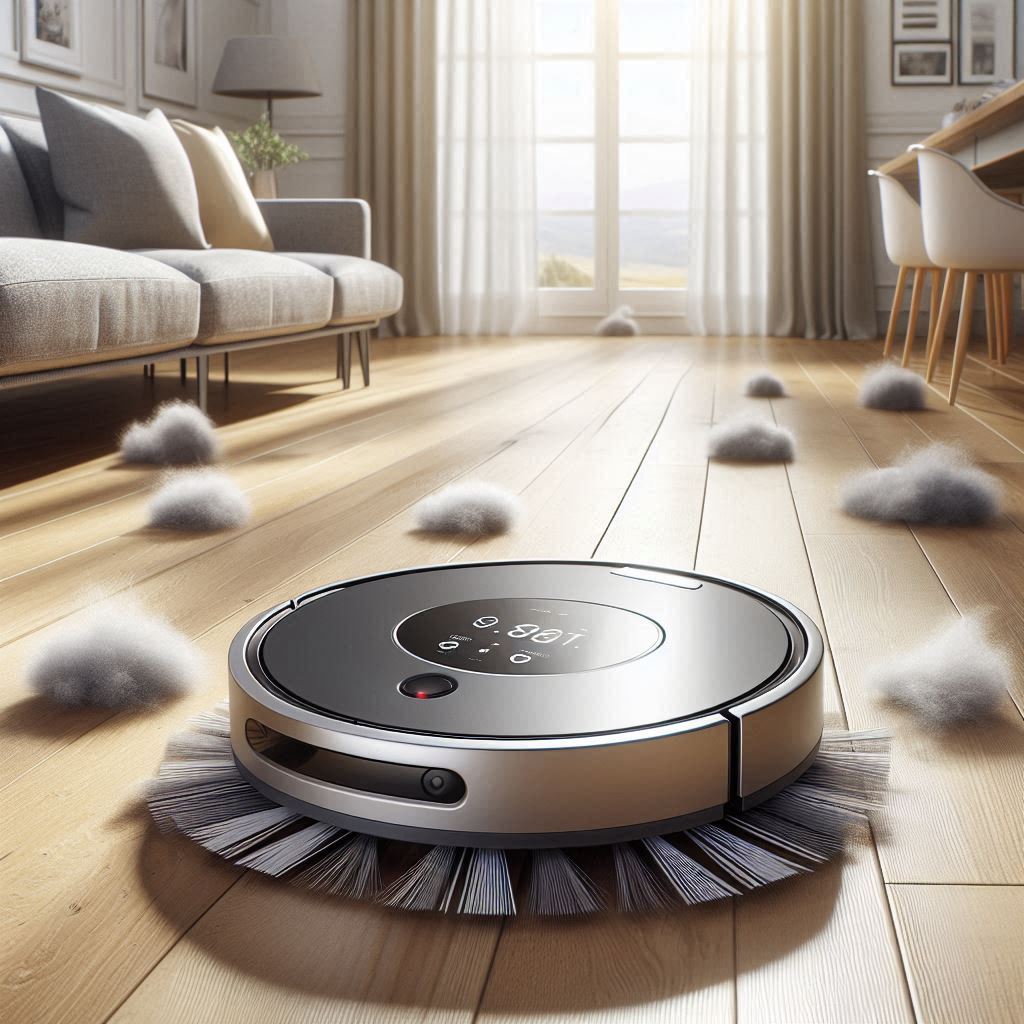
Modern robot vacuums use wall-tracking algorithms that allow them to move slowly and precisely along edges. This controlled movement improves pet hair pickup instead of rushing past problem areas.
Smart wall-following helps:
- Reduce missed spots
- Improve corner coverage
- Prevent repeated passes over clean areas
4. Rubber Brushes vs Bristle Brushes
For pet hair edge cleaning, rubber brush rolls often outperform traditional bristle brushes.
Why rubber brushes work better:
- Pet hair doesn’t tangle as easily
- Easier maintenance for pet owners
- Better performance on hardwood and tile edges
Many Amazon top-rated robot vacuums for pet hair now use dual rubber roller systems specifically optimized for edge and corner cleaning.
Hardwood Floors vs Carpet Edges
Edge Cleaning on Hardwood Floors
On hardwood, tile, and laminate floors, pet hair is easier to lift, but it spreads quickly. A good robot vacuum should:
- Use gentle but effective side brushing
- Avoid blowing hair away from edges
- Maintain quiet but consistent suction
Premium models excel at hugging baseboards and pulling hair into the dustbin without scattering it across the room.
Edge Cleaning on Carpet and Rugs
Carpet edges are more difficult because pet hair gets trapped in fibers. Effective robot vacuums for carpet edge cleaning usually feature:
- Carpet detection sensors
- Automatic suction boost
- Tangle-resistant brush rolls
Budget models often fail here, leaving visible fur lines along carpet borders.
Common Problems with Robot Vacuum Edge Cleaning for Pet Hair
Even advanced robot vacuums can struggle if they lack proper design. Some common complaints from pet owners include:
- Hair left behind in corners
- Side brushes getting tangled with fur
- Robot avoiding edges too cautiously
- Pet hair clogging air channels
- Frequent dustbin emptying
Understanding these issues helps you choose a model designed to solve them rather than create more work.
Smart Mapping and Edge Optimization
High-end robot vacuums now use LiDAR or camera-based mapping to improve edge cleaning. These systems allow the robot to:
- Identify room boundaries accurately
- Adjust cleaning speed near walls
- Perform dedicated edge-cleaning passes
Some models even include edge-only cleaning modes, ideal for pet-heavy homes.
Maintenance Matters for Pet Hair Performance
Even the best robot vacuum requires regular maintenance to maintain edge cleaning efficiency.
Recommended Maintenance Tips:
- Clean side brushes weekly
- Remove hair from brush rolls
- Empty dustbin frequently
- Check edge sensors for dust buildup
A well-maintained robot vacuum can outperform a neglected premium model.
Are Robot Vacuums Enough for Pet Hair Edges?
Robot vacuums significantly reduce daily pet hair buildup, but expectations should remain realistic.
They are best used for:
- Daily or scheduled cleaning
- Maintaining edge cleanliness between deep cleans
- Reducing visible fur along walls
For extremely heavy shedding, occasional manual vacuuming may still be necessary—but far less often.
What to Look for When Buying on Amazon
When shopping for a robot vacuum for pet hair edge cleaning on Amazon, prioritize:
- Verified reviews from pet owners
- Mentions of edge and corner performance
- Rubber brush systems
- Strong suction ratings
- Smart mapping capabilities
Avoid focusing only on price. Edge cleaning performance often improves significantly in mid-range to premium models.
Final Verdict: Are Robot Vacuums Good at Pet Hair Edge Cleaning?
Yes—the right robot vacuum can handle pet hair edge cleaning effectively, but not all models are equal. Pet owners should look beyond basic features and focus on:
- Edge-focused brush design
- Consistent suction near walls
- Smart navigation and mapping
- Pet-hair-specific engineering
When chosen wisely, a robot vacuum becomes an invaluable tool for keeping pet hair under control—especially along edges, corners, and baseboards where fur loves to hide.
Affiliate Disclaimer
This article may contain affiliate links. If you purchase through these links, we may earn a small commission at no additional cost to you.

Related Posts