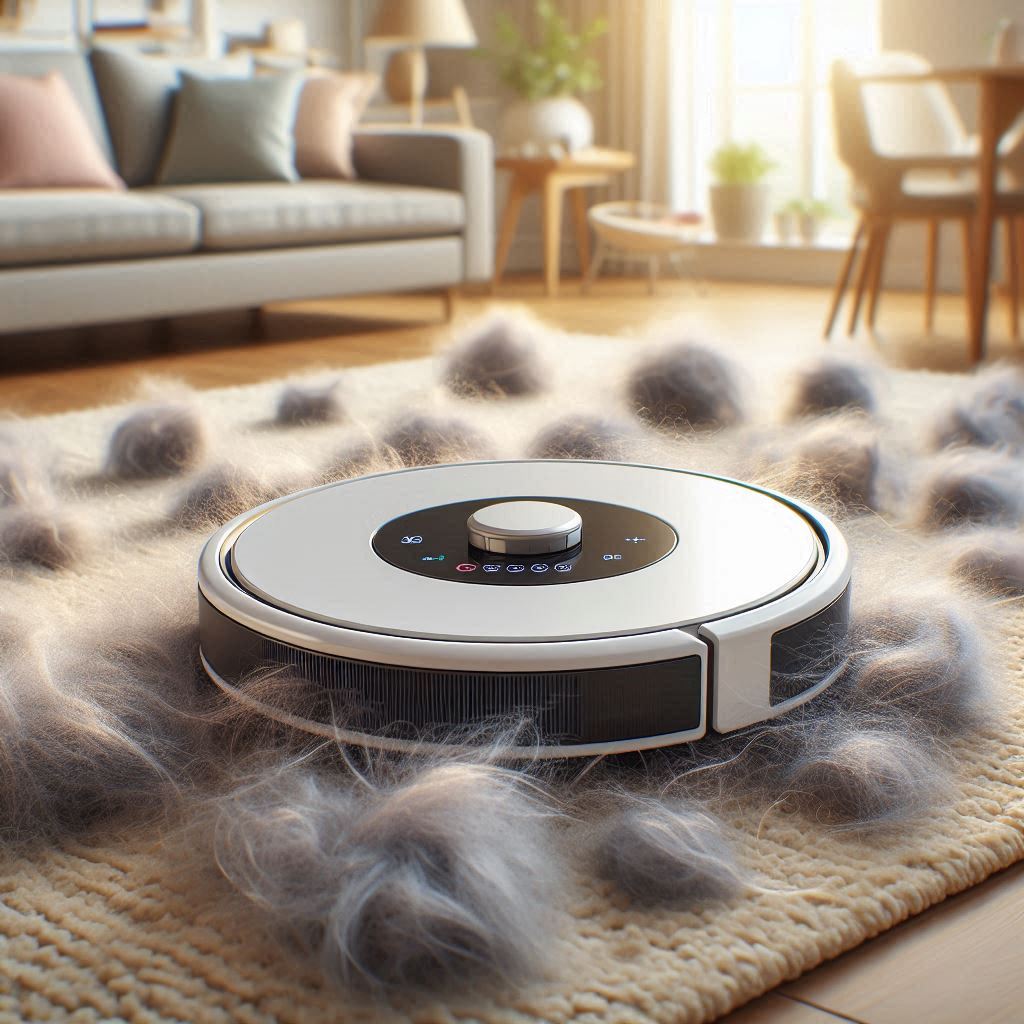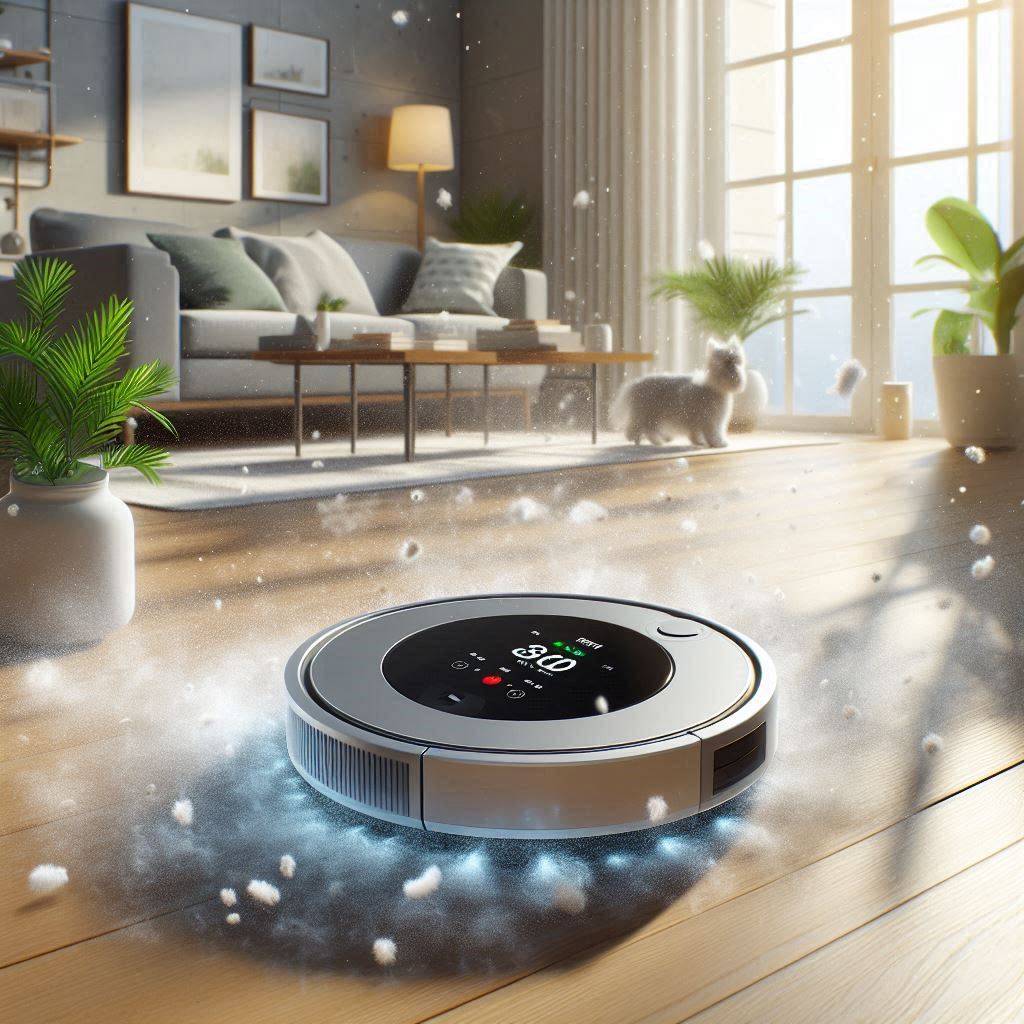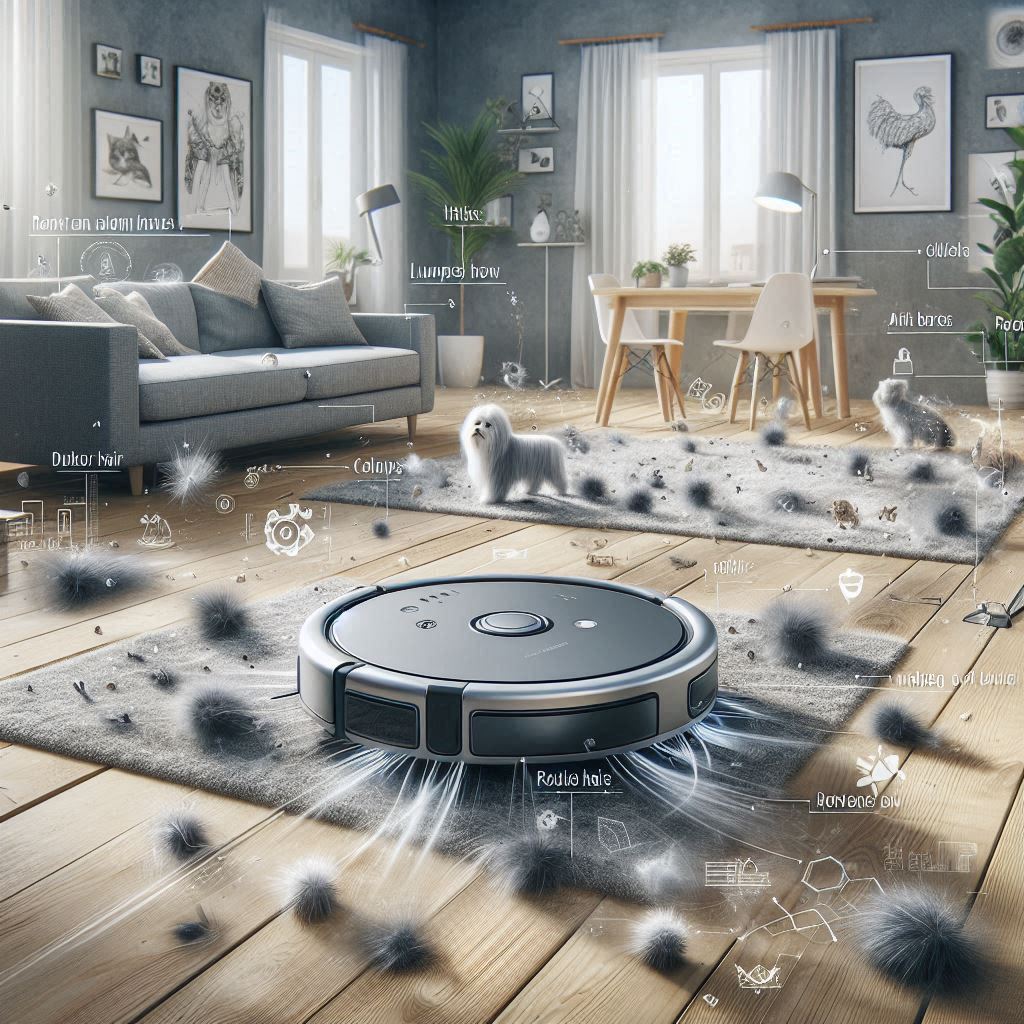
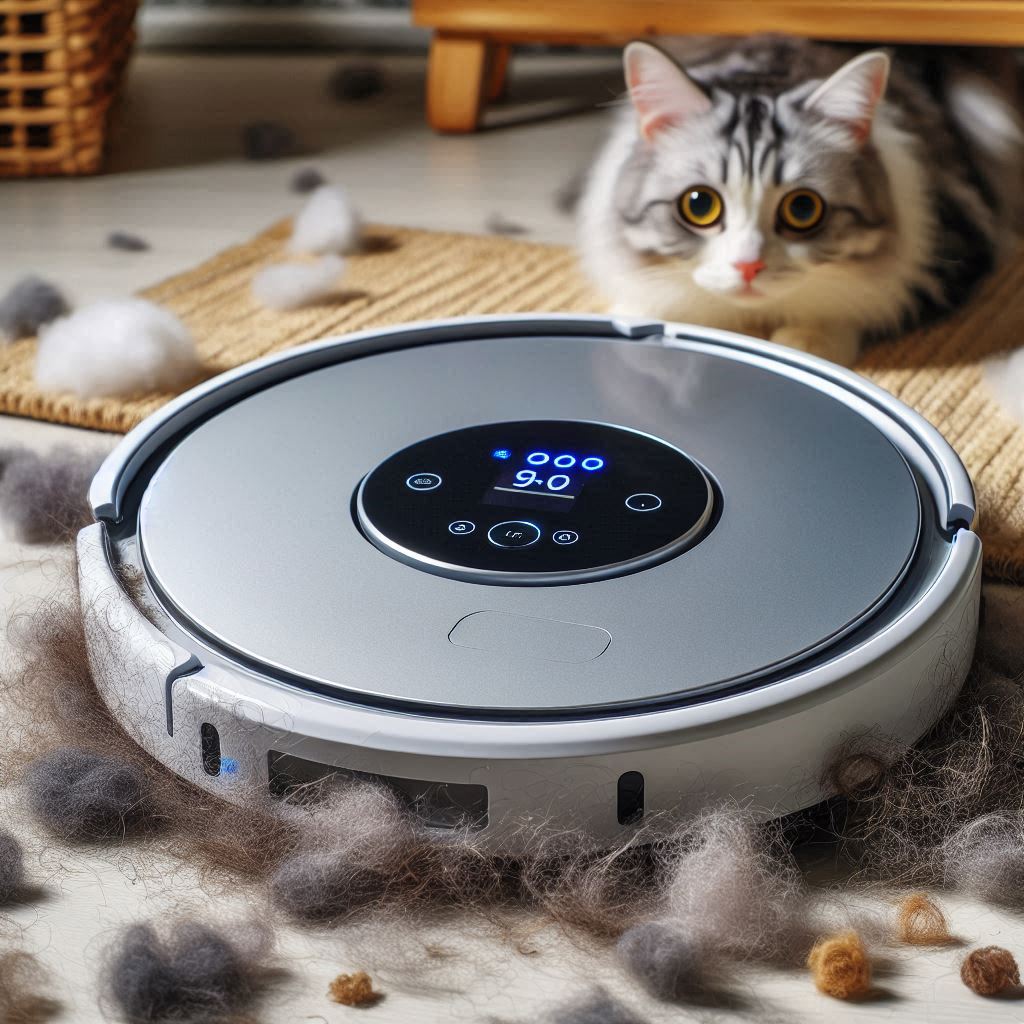
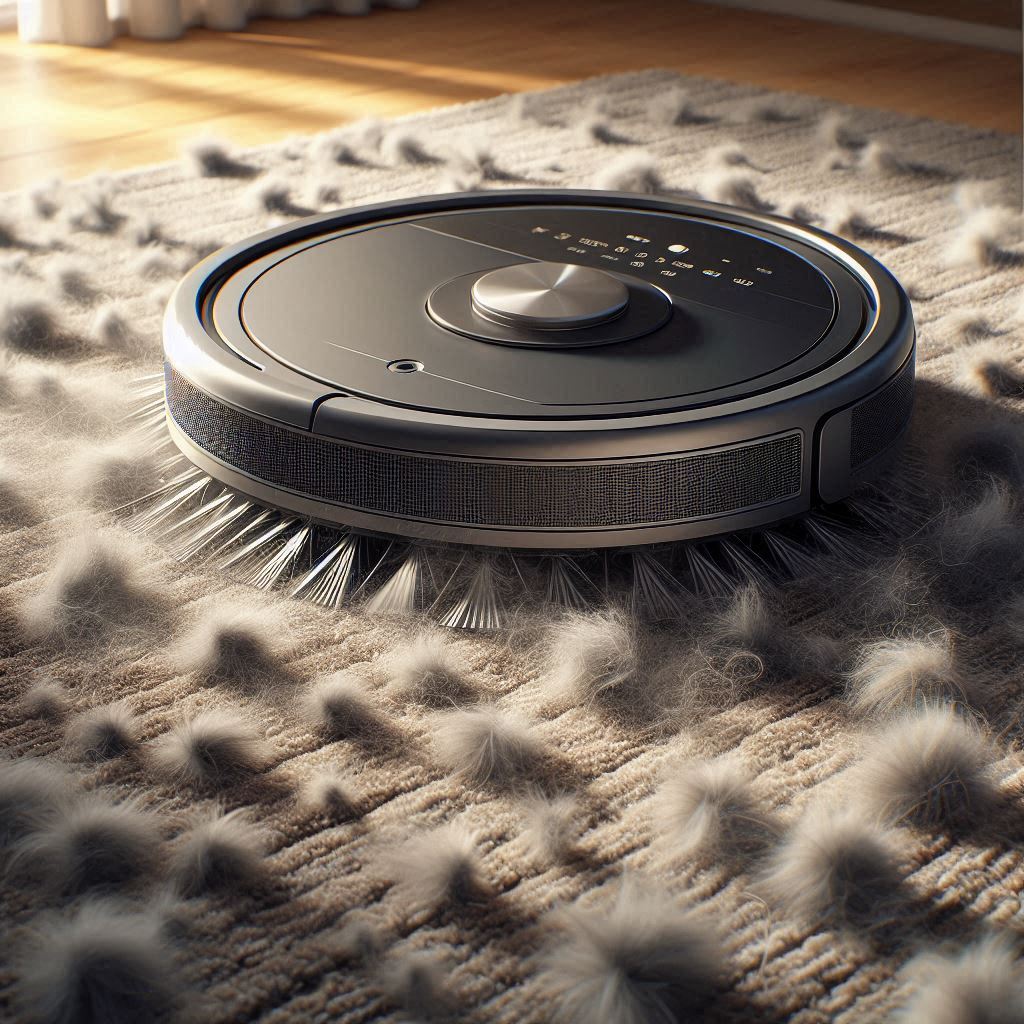
Robot vacuums have changed how we clean our homes—especially for pet owners. With pets constantly shedding fur, dropping dander, and leaving traces across carpets and hard floors, a robot vacuum seems like the perfect daily cleaning solution. But there is one issue many pet owners report shortly after buying one:
The robot vacuum struggles with navigation when cleaning pet hair.
It bumps into furniture repeatedly, gets stuck under sofas, circles around piles of fur, or simply gives up and returns to the dock. For some households, the machine works fine without pets but becomes confused once pet hair covers floors.
In this guide, we will explore why robot vacuums face navigation problems caused by pet hair, which features help prevent this, and how to choose a robot vacuum from Amazon that can handle pet environments without constant supervision.
Why Navigation Matters More in Pet Homes
For non-pet homes, navigation is mostly about convenience. In pet homes, navigation is about survival.
Pet hair creates four unique navigation challenges that most product descriptions never mention:
- Floors become slippery or uneven with hair buildup
- Hair piles become obstacles for sensors
- Pets create dynamic movement—robots must avoid tails and paws
- Carpets change suction behavior and wheel traction
If a robot vacuum cannot properly detect, avoid, and adjust to these conditions, navigation becomes inefficient and cleaning performance drops dramatically.
The Real Scope of the Problem: Three Types of Navigation Failures
Pet hair affects robot vacuums in more ways than people expect. Below are the three most common navigation problems observed in homes with dogs and cats:
1. Sensor Interference from Hair and Dander
Modern robot vacuums rely on:
- Infrared sensors
- Drop sensors
- Optical sensors
- Laser (LiDAR) mapping
- Camera-based navigation
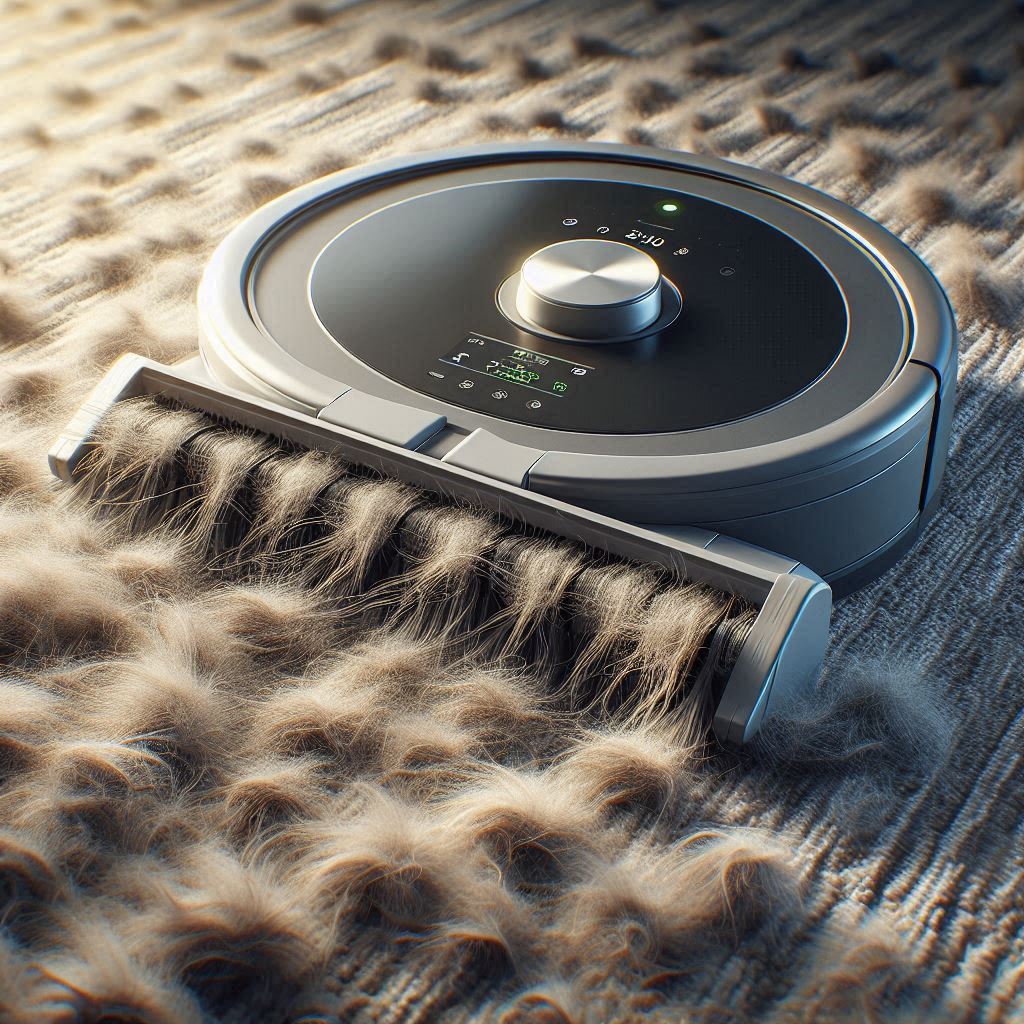
Pet hair, especially lightweight fur, can interfere with optical systems. Dander can also cloud sensors over time, causing:
- Random direction changes
- Poor mapping accuracy
- Furniture collisions
- Failure to detect barriers
Some Amazon reviewers describe this as the robot “acting drunk” after a week of pet shedding.
2. Hair Wrap on Wheels and Side Brushes
Side brushes are designed to sweep debris toward the suction path, but pet hair often wraps around them and around the wheels. When this happens:
- The robot loses traction
- Turning becomes slower or jerky
- It gets stuck against walls or table legs
- It fails to return to the dock
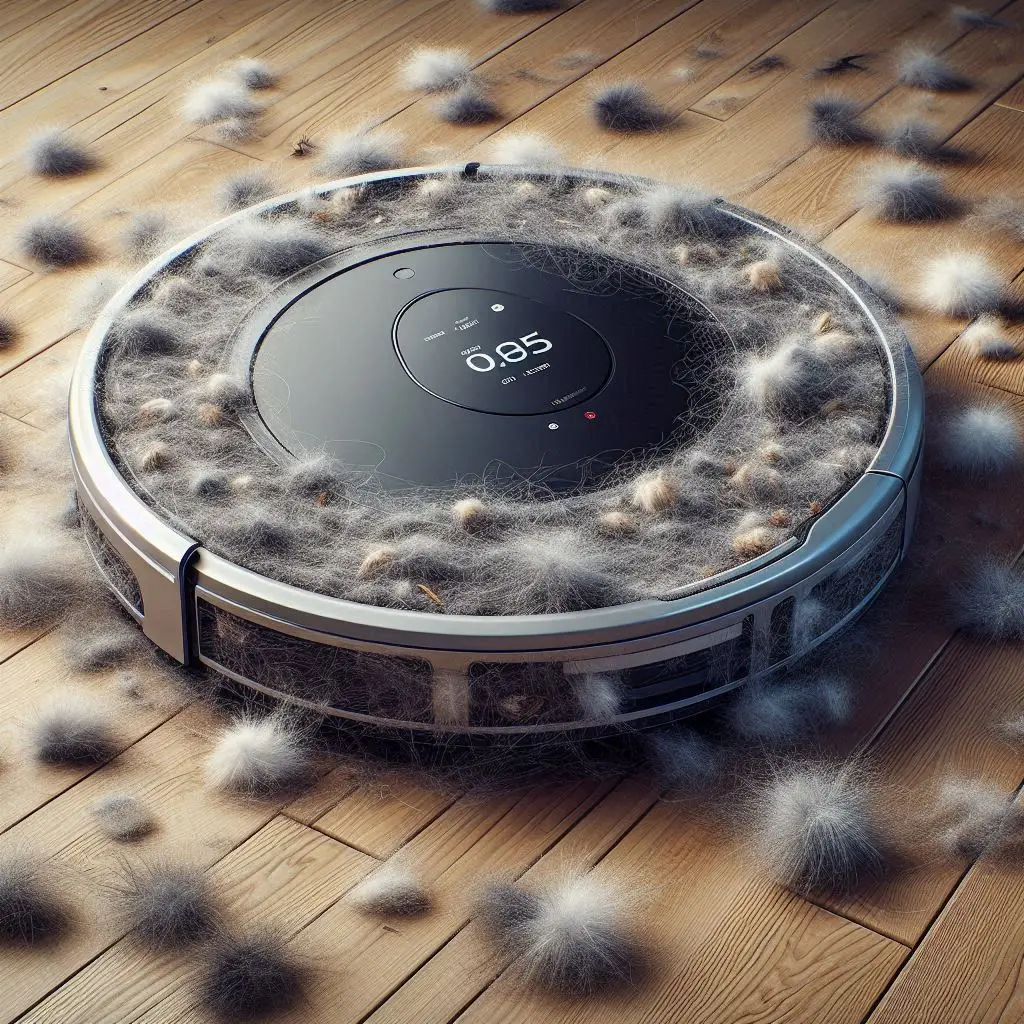
This kind of navigation failure is extremely common in homes with long-haired dogs and cats.
3. Pet Interaction Disrupts Navigation
The robot may slow down, stop, or reroute if pets:
- Follow it aggressively
- Sit in its path
- Leave toys around
- Shed hair while lying on rugs
To be fair, this isn’t always the robot’s fault—pets can be unpredictable obstacles. However, premium models use behavior algorithms to avoid animals, while cheap models simply bump and stop.
Hard Floors vs Carpet: Navigation Difficulty Comparison
Not all surfaces present equal challenges.
Hard Floors
Pros:
- Easier sensor readings
- Less traction resistance
- Hair moves toward suction path more easily
Cons:
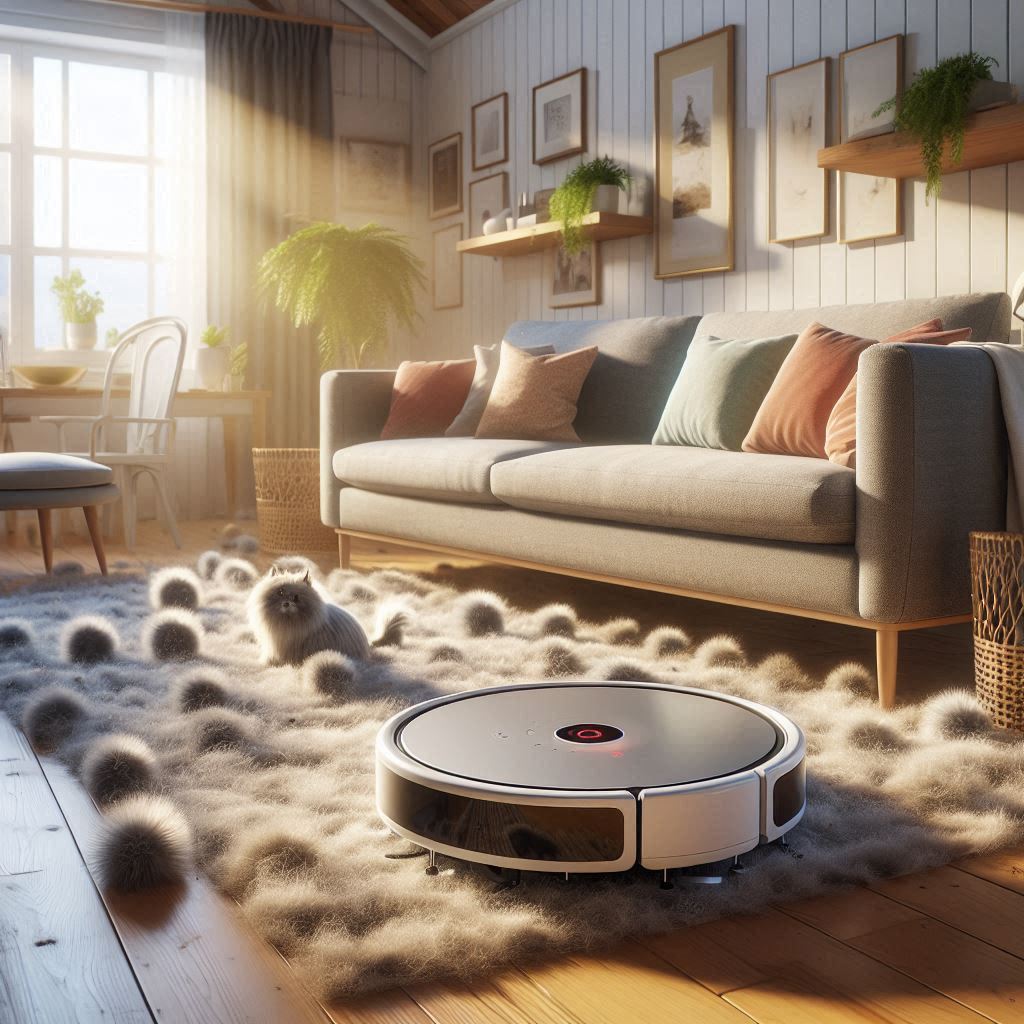
- Hair spreads widely, confusing path memory
- Fur can accumulate under furniture, creating blind spots
Carpeted Areas
Pros:
- Hair gathers in specific zones
- Dirt stays contained
Cons:
- Carpet fibers trap hair, increasing drag
- Wheel movement slows down
- Navigation recalibration becomes constant
Homes with mixed flooring (hard floor + rugs) trigger the most navigation inconsistencies, especially during automatic suction boost.
Why Cheaper Robot Vacuums Suffer More Navigation Problems
Low-priced robot vacuums usually rely on bump-and-go or random navigation. While this works fine for dust, it fails miserably for pet hair.
Common weaknesses include:
- No mapping system
- Weak sensors
- No obstacle recognition
- No path optimization
- Limited carpet recognition
Cheap navigation leads to:
- Repeated cleaning of the same area
- Missed zones full of pet hair
- Shorter battery runtime
- Frequent error messages (“Stuck!” or “Wheel blocked!”)
Saving money upfront often means more maintenance and less performance later.
High-End Robot Vacuums and How They Solve Navigation Issues
Premium robot vacuums use advanced navigation technologies such as:
- LiDAR laser mapping
- Camera-assisted SLAM
- 3D object recognition
- AI path optimization
- Real-time route recalculation
These systems help with:
- Avoiding pet tails and toys
- Cleaning along fur accumulation paths
- Identifying carpet zones for suction boost
- Returning to dock even in messy rooms
This category of robots rarely gets lost and doesn’t panic at furballs under chairs.
Features That Pet Owners Should Look for
If you’re buying a robot vacuum for a pet home, navigation is as important as suction strength.
Here are the must-have features:
1. LiDAR or Camera-Based Mapping
Avoids uncertainty and creates precise floor maps.
2. Tangle-Free Side Brushes
Prevents wheel lock and rotation failures.
3. Strong Traction Wheels
Handles carpets, rugs, and fur-covered floors without slipping.
4. Multi-Level Mapping
Useful for multi-story homes with pets roaming everywhere.
5. Virtual Barriers and Zones
Allows protection of:
- Pet beds
- Feeding areas
- Litter boxes
6. Object Detection
Prevents collisions with:
- Sleeping pets
- Food bowls
- Toys
Maintenance: The Biggest Factor That People Overlook
Most navigation problems don’t appear on day one—they show up after hair accumulation.
To maintain navigation performance:
- Clean wheels weekly
- Remove hair from side brushes
- Wipe sensors regularly
- Empty dustbin daily
- Replace filters monthly
Many negative Amazon reviews complaining about “navigation failure” are actually describing maintenance neglect, not product defects.
Are Self-Emptying Robot Vacuums Better for Pet Homes?
Absolutely — and not just for convenience.
Self-empty bases help navigation because they:
- Prevent dustbin overfill
- Maintain airflow
- Reduce internal hair compaction
- Eliminate mid-run shutdowns
For heavy shedders (Golden Retrievers, Huskies, Persians, etc.), this feature stops navigation from being interrupted due to full bins.
Amazon Review Insights: What Real Pet Owners Say
After studying thousands of Amazon reviews, a pattern emerges:
Negative patterns
- “Gets lost under furniture”
- “Won’t find the dock”
- “Gets stuck near rugs and pet beds”
- “Spins in circles when hair is everywhere”
Positive patterns
- “Maps accurately even with two dogs”
- “Avoids the cat and bowls automatically”
- “Doesn’t freak out around fur piles”
- “Never gets stuck on carpet”
These reviews confirm that navigation matters much more in pet homes than in typical environments.
Navigation Problems Are Real, But Fixable
Robot vacuums do struggle with pet hair, but not all models are equal. The robots that fail usually lack either:
- Advanced sensors
- Reliable mapping
- Brush/hair management design
The ones that succeed combine:
- Strong navigation
- Smart algorithms
- Tangle-resistant components
If you are buying for a pet household from Amazon, don’t just check suction power—check how it moves and thinks.
Amazon Affiliate Buying Tip:
Before buying, sort reviews by “Most recent” and search inside reviews for keywords like:
- “dog hair”
- “cat hair”
- “navigation”
- “stuck”
- “carpet”
- “mapping”
Those keywords reveal the real performance for pet owners.

Related Posts