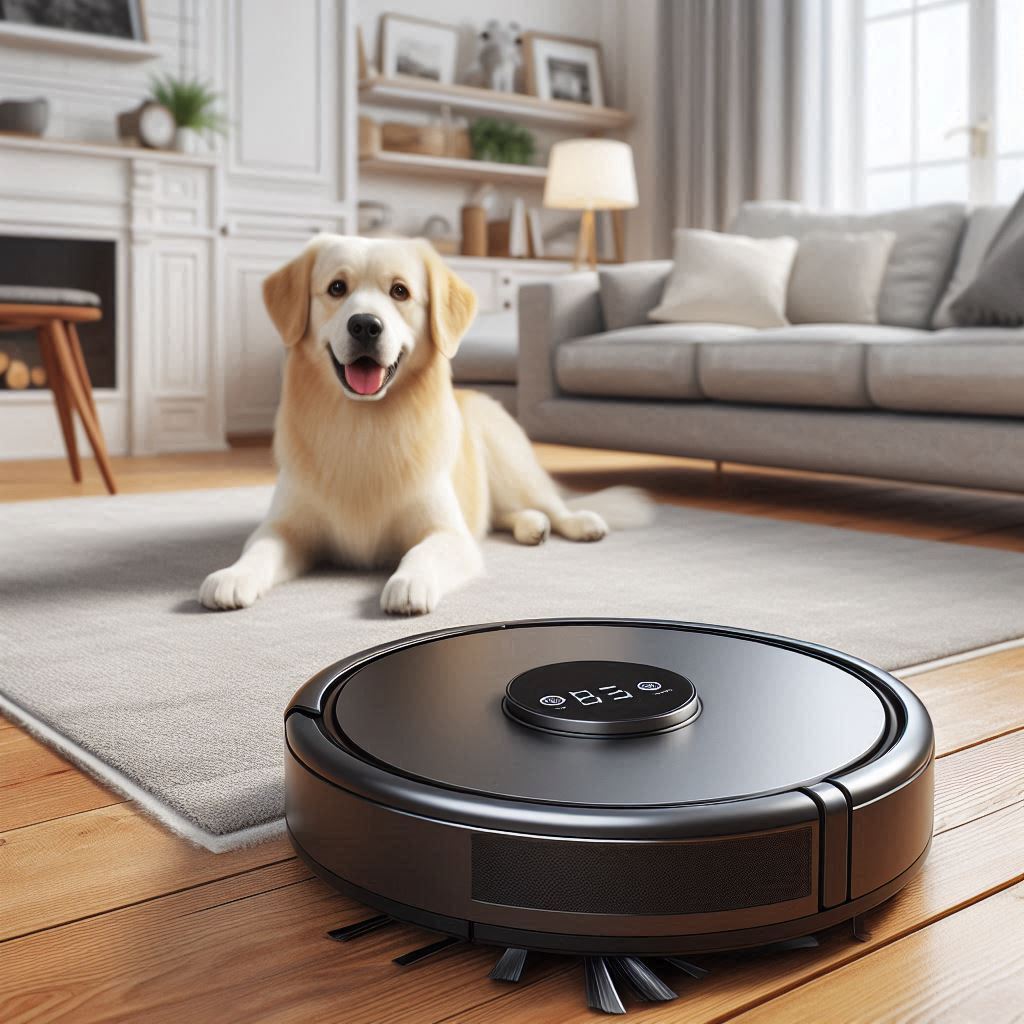
Dog owners know the struggle: fur on floors, carpets, furniture, and everywhere in between. Robot vacuums promise to save time and reduce pet hair stress, but not all models deliver. Many users have questions and complaints when it comes to finding the best robot vacuum for dog hair. In this article, we tackle the most common objections and provide clear, evidence-based answers so you can choose wisely.
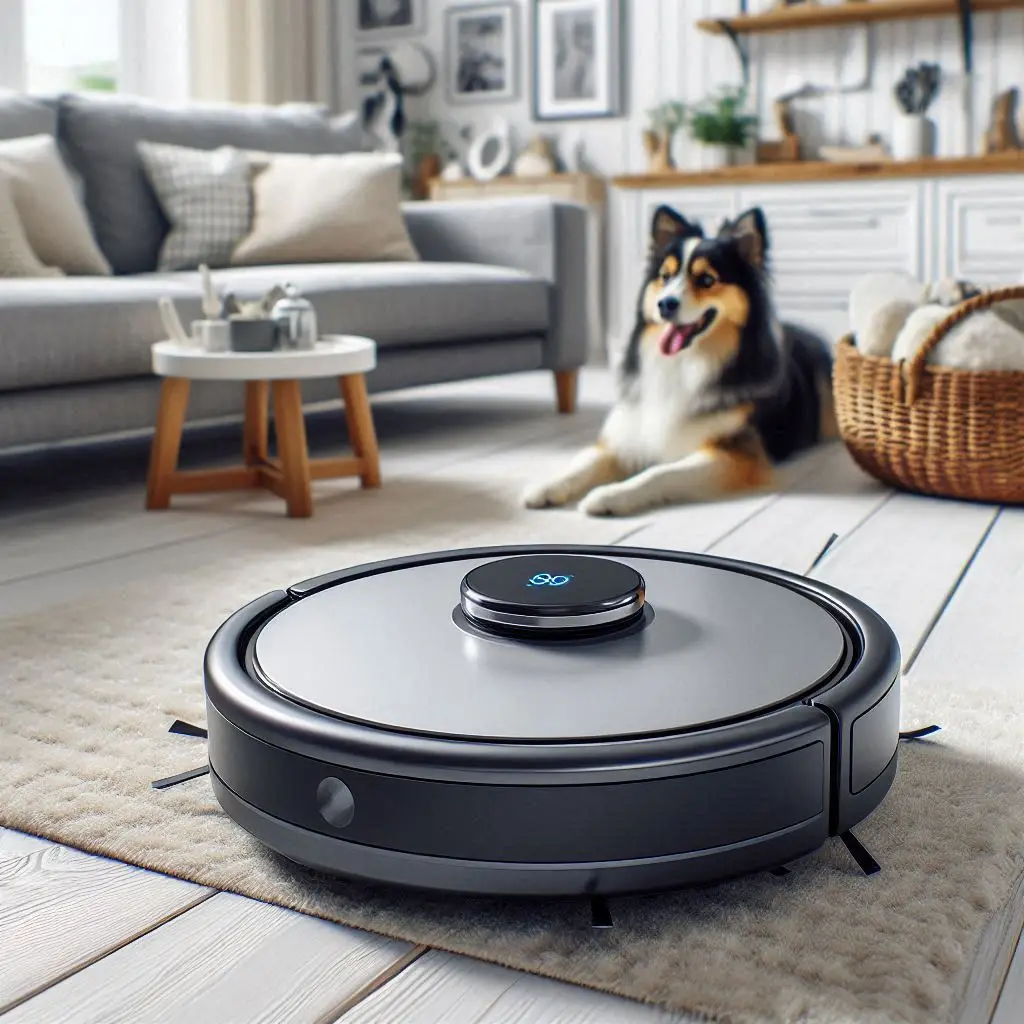
Objection 1: “Are Robot Vacuums Even Effective for Dog Hair?”
Complaint:
Many dog owners believe robot vacuums are overrated and not truly effective for collecting pet hair — especially thick, long, and curly fur.
Answer:
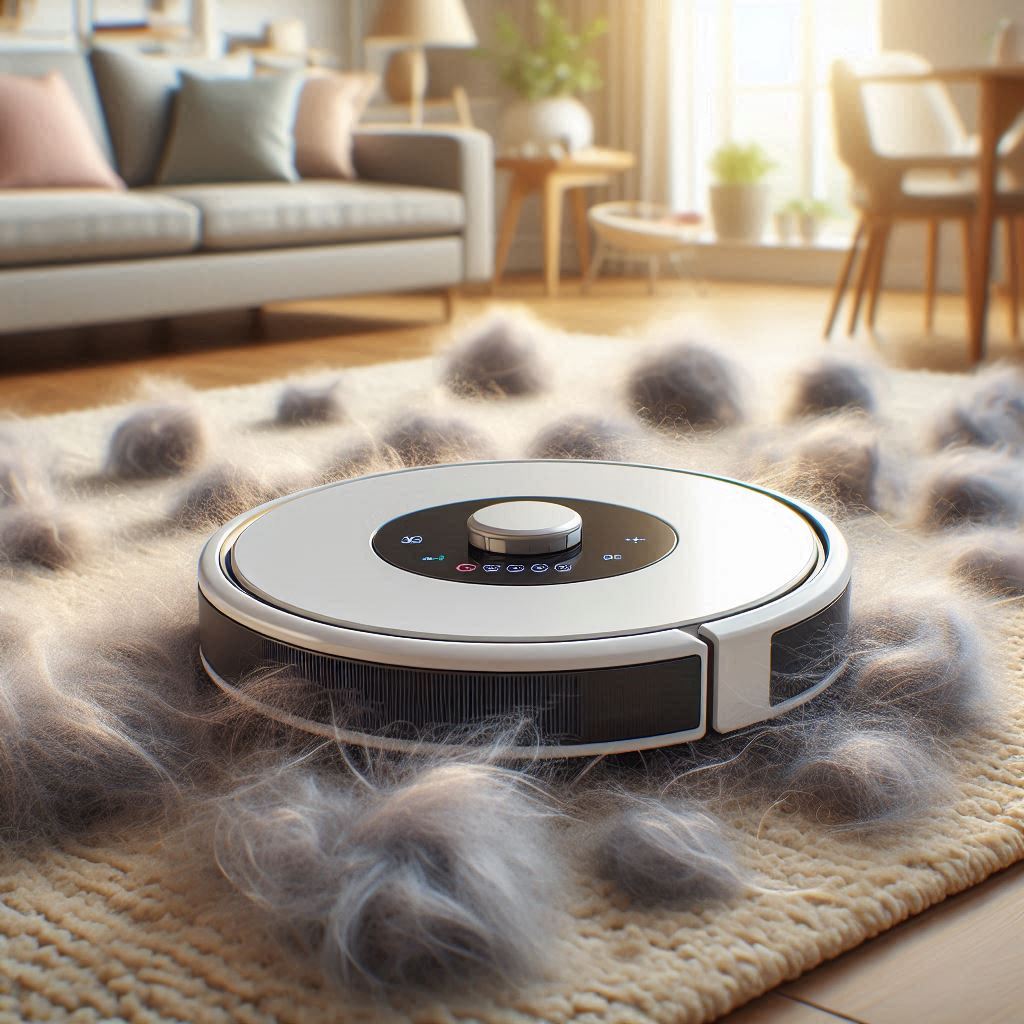
This objection stems from experiences with basic or low-end models. Traditional robot vacuums were designed primarily for dust and light debris, not dense animal hair.
However, modern robot vacuums can be highly effective for dog hair if they have the right features:
Strong suction power
Brush systems designed for hair (e.g., rubber rollers)
Anti-tangle technology
High-efficiency filtration
Many current models from trusted brands are explicitly marketed for pet hair, showing that robot vacuum technology has evolved for this very purpose.
Key takeaway: Robot vacuums can work well for dog hair, but only if they are specifically engineered for it.
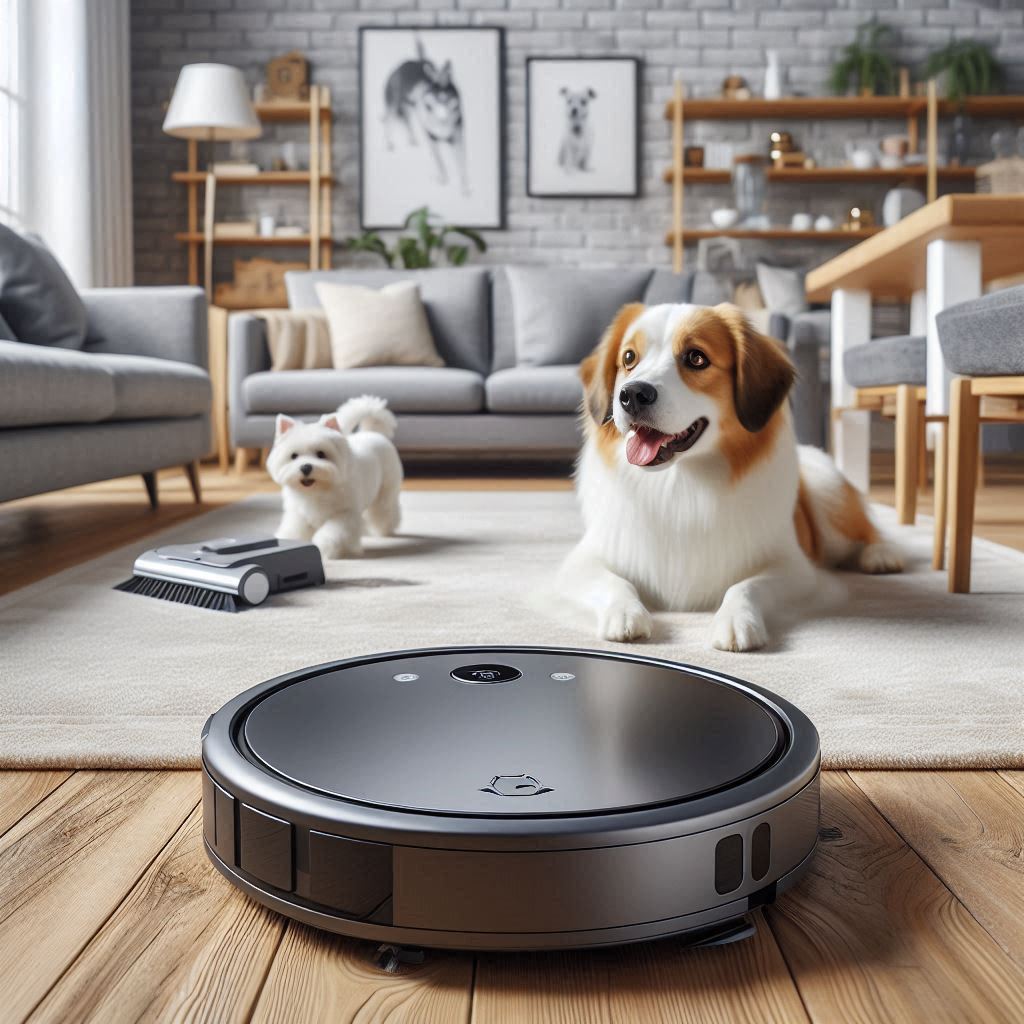
Objection 2: “My Robot Vacuum Works on Hard Floors but Fails on Carpets”
Complaint:
Pet owners report that robot vacuums take up fur on tiles or wood floors but leave hair behind on carpets and rugs.
Answer:
This is one of the most common and valid concerns. Dog hair often embeds deeply into carpet fibers. A robot vacuum that works well on hard surfaces might not have enough suction or brush agitation for carpets.
Why this happens:
• Carpets trap pet hair inside fibers
• Brushrolls may not reach deep enough
• Some robot vacuums don’t automatically increase suction on carpets
Best solutions / what to look for:
Carpet Boost / Auto-Suction Adjust-On-Carpet
Rubber or Tangle-Free Brush Rollers
Higher suction power (2000+ Pa)
Some robots will detect carpet and increase suction automatically — this makes a huge difference for dog hair removal.
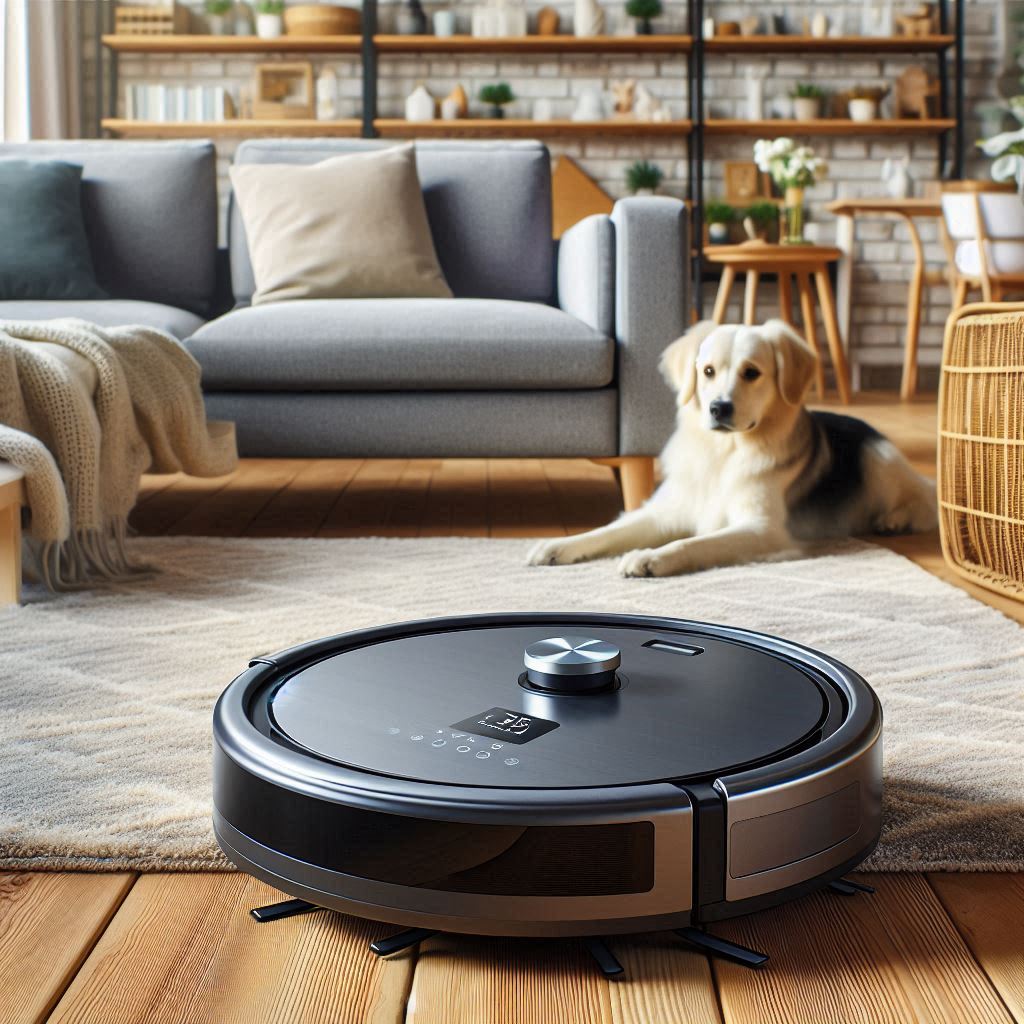
Objection 3: “Dog Hair Always Tangled Around the Brush”
Complaint:
Users complain that hair constantly wraps around the main brush and side brushes, reducing performance and requiring frequent cleaning.
Answer:
Dog hair — especially long and fine strands — naturally wraps around spinning brushes. Models with traditional bristle brushes tend to get tangled quickly.
Solutions & features that reduce tangling:
Rubber dual-rollers / tangle-free rollers
Fewer bristles and more smooth surfaces
Brushes engineered for pet hair
Quick-release brush design for easier maintenance
Even the best robot vacuums will need occasional manual cleaning, but models designed for pets reduce this significantly, saving you time and frustration.
Objection 4: “The Robot Vacuum Misses Corners and Edges Where Dog Hair Collects”
Complaint:
Pet hair tends to accumulate near walls, furniture legs, and corners — but many robots leave these areas dirty.
Answer:
Many traditional robot vacuums struggle with corners because circular designs can’t reach angles perfectly. Side brushes help sweep hair into the suction path, but their design and effectiveness vary greatly.
What to look for:
Strong, long side brushes for edge sweeping
Smart navigation systems that map the room
D-shaped robot vacuums (better edge contact than round ones)
Regular maintenance of side brushes also helps — worn or bent brushes are less effective at grabbing hair.
Objection 5: “The Dustbin Fills Up Too Quickly With Dog Hair”
Complaint:
Owners of large or multiple dogs say the dustbin fills fast and requires constant emptying.
Answer:
Dog hair occupies more volume than dust or crumbs, so it’s common for dustbins to fill quickly — especially if the vacuum runs less often.
Better options for dog owners:
Larger dustbins
Self-emptying base stations
Frequent scheduled cleaning (daily rather than weekly)
A robot with a self-emptying station is ideal for homes with heavy shedders, since dog hair can accumulate fast.
Objection 6: “Robot Vacuums Are Too Expensive for What They Do”
Complaint:
Some people feel robot vacuums are overpriced and not worth the investment, especially when compared to a traditional vacuum.
Answer:
Price matters, and not every home needs a premium model. However, when you factor in time saved and convenience (especially for busy pet owners), higher-end robots often offer better long-term value.
Cost vs benefits:
Automated daily cleaning
Pet-specific features (tangle-free brushes, strong suction)
Less manual vacuuming
Cleaner floors with less effort
The best strategy is to match features to your needs: homes with multiple large dogs will benefit more from premium models than small households with light shedding.
Objection 7: “My Robot Vacuum Gets Stuck Under Furniture and Stops Cleaning”
Complaint:
Dog owners say their robot frequently gets trapped under couches, beds, or chairs, especially when trying to clean hair underneath.
Answer:
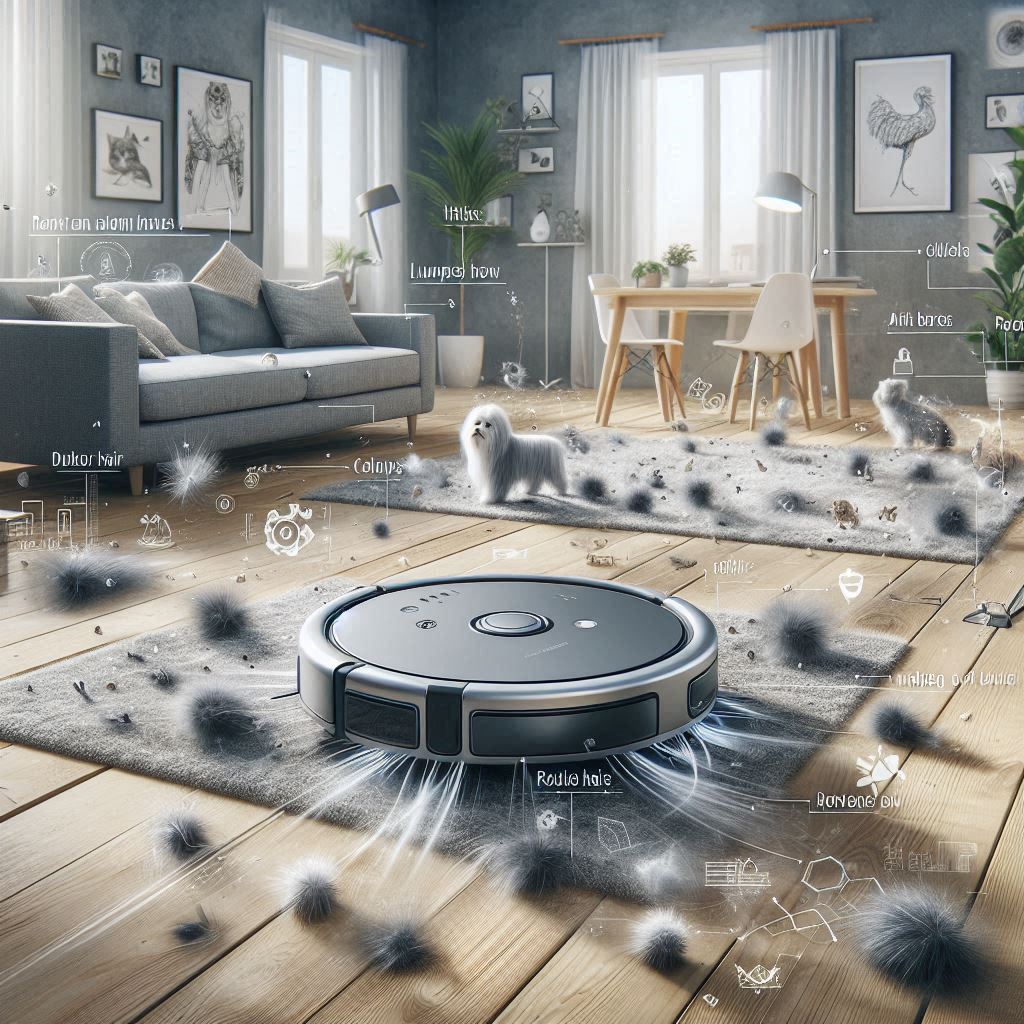
Getting stuck is usually not a hair issue — it’s a navigation and design issue. Low ground clearance and lack of advanced mapping make some robots poor at avoiding obstacles.
Solutions:
Models with strong obstacle avoidance sensors
Smart mapping (LIDAR or Visual SLAM)
Virtual no-go zones to prevent getting stuck
Good navigation improves hair pickup because the robot actually reaches areas where hair hides.
Objection 8: “The Robot Vacuum Spreads Dog Dander and Allergens”
Complaint:
Some users with allergies feel that robot vacuums kick up dog dander instead of trapping it.
Answer:
This often happens with poor filtration or dirty filters. Capturing pet allergens requires a vacuum with a high-quality filter system, ideally HEPA or equivalent.
What to look for:
True HEPA or high-grade filter
Sealed suction path
Regular filter cleaning/replacement
A clean, well-filtered robot vacuum can actually reduce allergens over time by capturing dander instead of redistributing it.
Objection 9: “Which Robot Vacuum Is Actually Best for Dog Hair?”
This is the central question — and the answer depends on your household needs:
Best Overall for Dog Hair
High suction + rubber brushes + self-empty base = best combo for dog owners.
Best for Large Dog Hair Loads
Robots with 2000+ Pa suction, auto-boost on carpet, and large dustbins.
Best for Homes with Allergies
Look for True HEPA filtration and sealed airflow.
Truthfully, there is no one universal answer, but the best models share key features optimized for dog hair.
Objection 10: “Daily Cleaning Doesn’t Seem Necessary”
Complaint:
Some dog owners feel daily robot cleaning is excessive and unnecessary.
Answer:
Dog hair sheds continuously, and daily cleaning reduces buildup, prevents hair from embedding deep in carpets, and keeps floors presentable.
Why daily helps:
Prevents mats of hair forming
Keeps allergens lower
Makes each session more efficient
Daily cleaning turns robot vacuums into maintenance tools rather than occasional cleaners.
Objection 11: “Can Robot Vacuums Replace Traditional Vacuums?”
Complaint:
People ask if a robot vacuum can fully replace a powered upright or canister vacuum.
Answer:
Not entirely. Robot vacuums are excellent for daily maintenance and reducing visible hair, but a deep, thorough vacuuming (especially on thick carpets and upholstered furniture) still benefits from a traditional vacuum.
Best strategy:
Robot vacuum for daily upkeep
Traditional vacuum weekly or bi-weekly for deep cleaning
This combination keeps your home much cleaner with less overall effort.
Are Robot Vacuums Worth It for Dog Hair?
YES — but with conditions.
A robot vacuum can make life much easier for dog owners — as long as you choose the right one.
Must-Have Features for Dog Hair Success:
Strong suction
Tangle-free or rubber brushes
Carpet boost technology
Large dustbin / self-emptying base
HEPA filtration (if allergies matter)
Smart navigation
Choosing a general-purpose model will often lead to disappointment — selection matters.
Summary of Key Points
| Objection | Truth | Solution |
|---|---|---|
| Robot vacuums don’t work | Only true for basic models | Choose pet-specific vacuums |
| Poor performance on carpet | Common issue | Suction boost + rubber rollers |
| Brushes tangle | Valid | Anti-tangle systems |
| Edges/ corners missed | Design limitation | Smart navigation + strong side brushes |
| Dustbin fills fast | Dog hair volume | Self-empty base |
| Allergens spread | Filtration problem | HEPA filters |

Related Posts