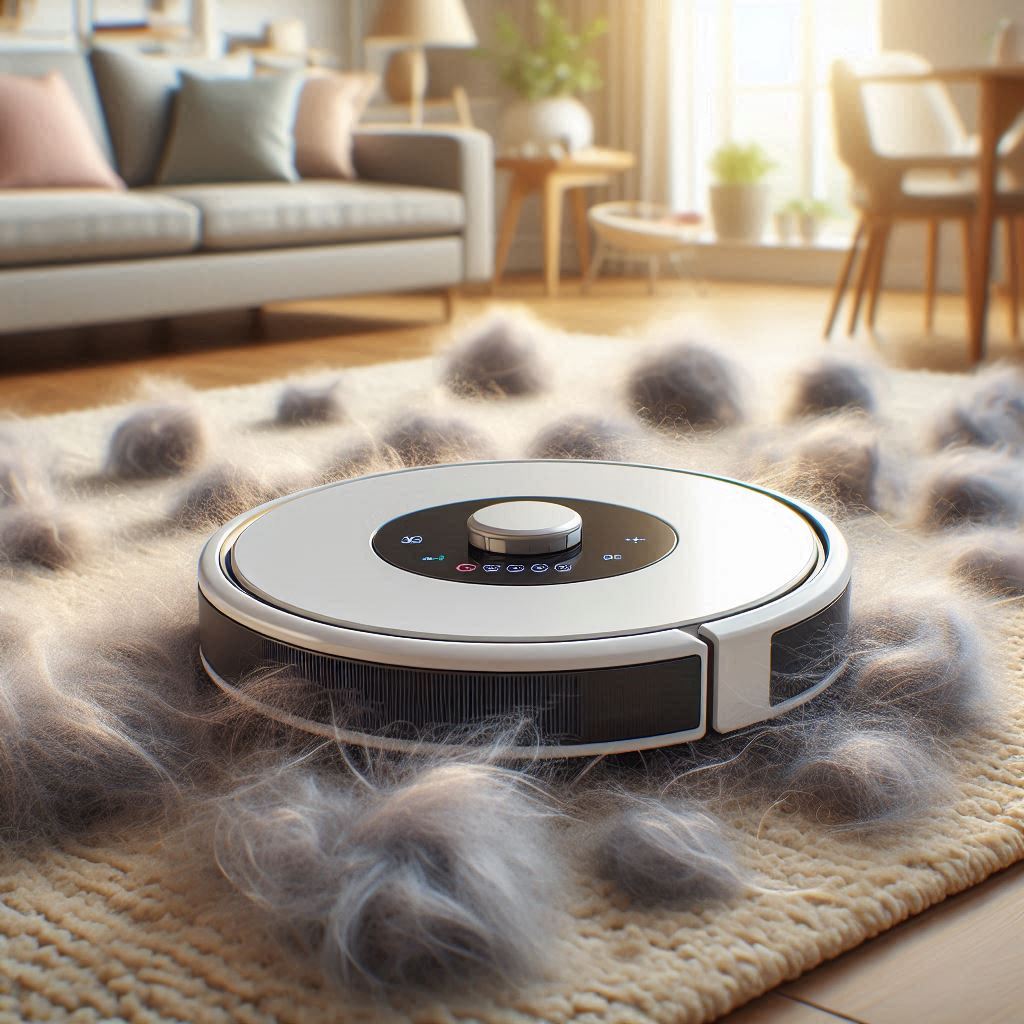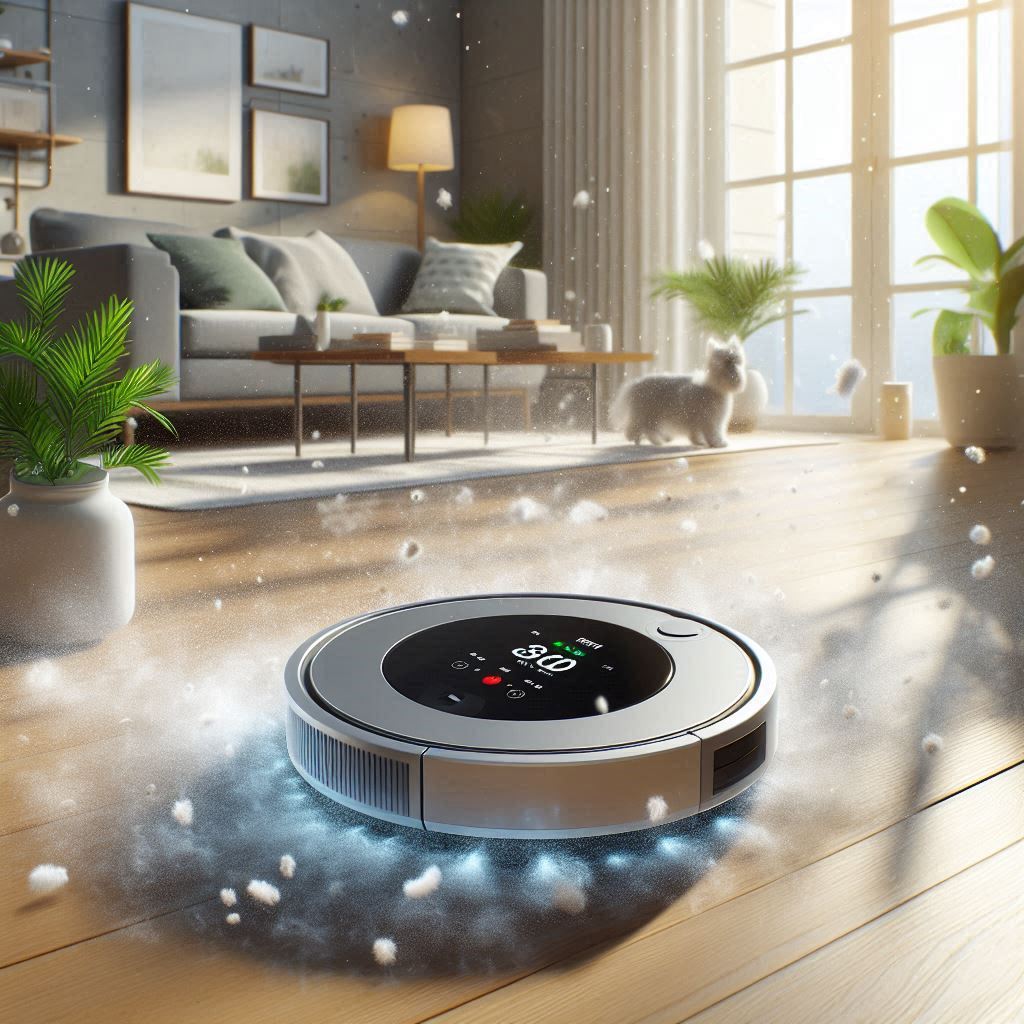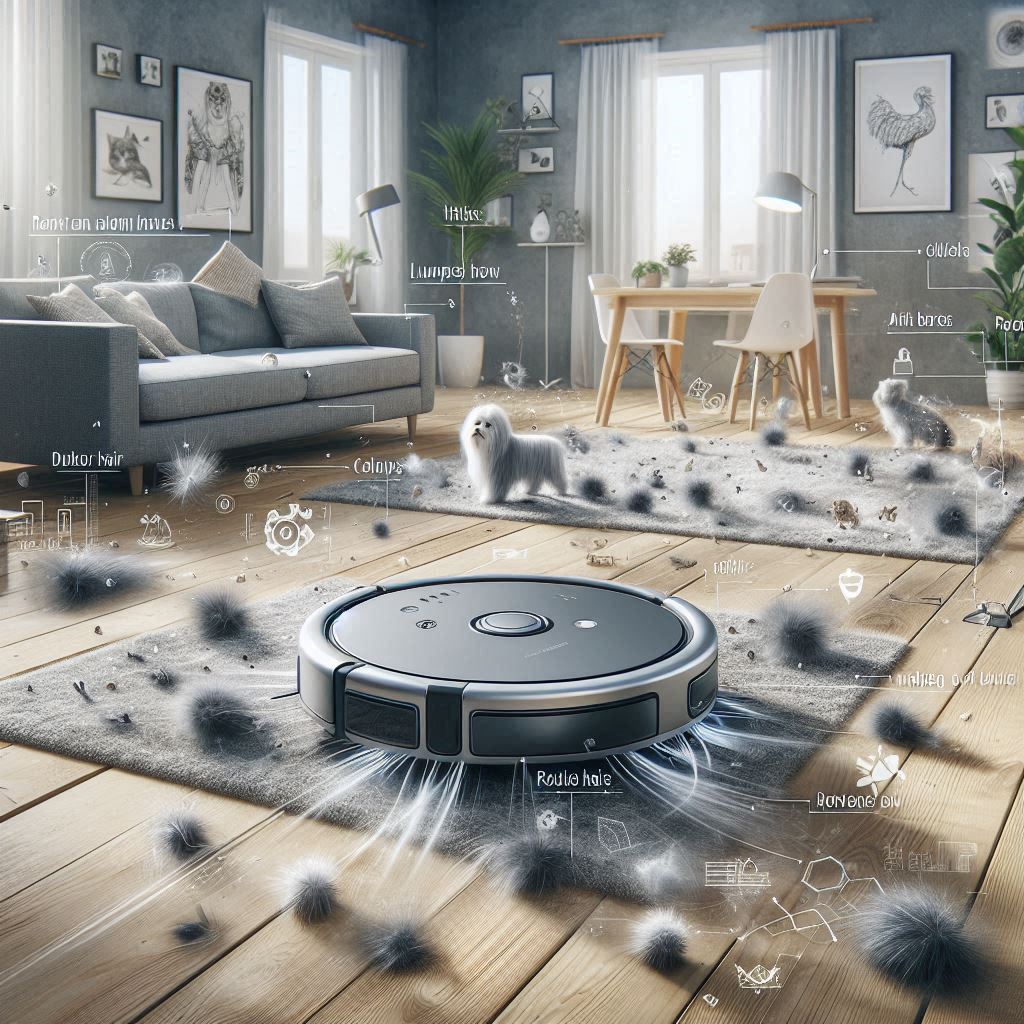

Robot vacuums are marketed as smart, hands-free cleaning solutions, especially for pet owners struggling with constant shedding. However, one of the most common complaints from users is: “My robot vacuum is not picking up pet hair properly.” This issue leads many to question whether robot vacuums are truly effective for homes with cats and dogs.
In this article, we will explore this problem in detail using an objection-and-answer format, covering real user complaints, technical limitations, and proven solutions. By the end, you will understand why your robot vacuum may be failing and how to fix or avoid the problem.
Objection 1: Robot Vacuums Are Useless for Pet Hair
Complaint:
Many users claim that robot vacuums barely pick up pet hair and mostly push it around, especially on carpets and rugs.
Answer:
This objection is partially true—but not universal. Not all robot vacuums are designed specifically for pet hair. Low-end or older models often lack:
- Strong suction power
- Rubber or anti-tangle brushes
- Optimized airflow systems
Pet hair, especially fine cat hair or long dog fur, behaves differently than dust. It clings to fibers, embeds deep into carpets, and wraps around brushes. A robot vacuum without pet-specific features will struggle.
Solution:
Choose a robot vacuum designed for pet owners, featuring:
- High suction (2000 Pa or higher)
- Dual rubber rollers
- Anti-tangle technology
- Dedicated “pet hair” or “deep clean” modes
Objection 2: The Robot Vacuum Works on Hard Floors but Fails on Carpets
Complaint:
Users often say their robot vacuum picks up pet hair from tiles or wood floors but leaves hair behind on carpets.
Answer:
This is one of the most common and valid complaints. Carpets trap pet hair deep within fibers, especially high-pile or shag carpets. Many robot vacuums lack the mechanical agitation needed to loosen embedded hair.
Additionally:
- Entry-level models do not increase suction automatically
- Short bristles fail to reach deep fibers
Solution:
- Use a robot vacuum with carpet boost technology
- Prefer models with rubber rollers instead of bristles
- Run the robot vacuum daily, not weekly
- Pre-clean carpets occasionally with a traditional vacuum
Robot vacuums are best viewed as maintenance tools, not total replacements for upright vacuums on carpets.
Objection 3: Pet Hair Gets Tangled in the Brush and Stops Cleaning
Complaint:
Pet owners complain that hair wraps around the main brush and side brushes, reducing performance or stopping the vacuum completely.
Answer:
This objection is completely valid. Long pet hair is notorious for tangling. Once tangled, the brush cannot rotate properly, which severely reduces pickup efficiency.
This happens more often with:
- Bristle brushes
- Cheap plastic brush designs
- Lack of anti-tangle features
Solution:
- Choose robot vacuums with rubber or silicone rollers
- Clean brushes at least once a week
- Remove hair manually using the provided cleaning tool
- Avoid models with multiple bristle-heavy side brushes
Modern pet-focused robot vacuums significantly reduce tangling, but maintenance is still necessary.

Objection 4: Robot Vacuum Misses Pet Hair in Corners and Along Walls
Complaint:
Pet hair accumulates near walls, corners, and under furniture, but the robot vacuum leaves those areas dirty.
Answer:
Robot vacuums rely on side brushes to sweep debris into the suction path. If the side brush is weak, worn out, or poorly designed, hair will remain in corners.
Additionally:
- Round robot vacuums struggle with sharp corners
- Poor navigation algorithms miss edge zones
Solution:
- Replace worn-out side brushes regularly
- Enable “edge cleaning” mode if available
- Occasionally supplement with a handheld vacuum
- Keep floors clutter-free to improve navigation
Some newer robot vacuums with D-shaped designs perform better in corners.
Objection 5: My Robot Vacuum Bin Fills Too Quickly with Pet Hair
Complaint:
Users report that the dustbin fills up after one cleaning session due to excessive pet hair.
Answer:
This is actually a sign that the robot vacuum is picking up pet hair, but the bin capacity is too small for pet-heavy homes.
Homes with:
- Multiple pets
- Heavy shedders (Huskies, German Shepherds, Persian cats)
produce far more debris than average homes.
Solution:
- Choose a robot vacuum with a large dustbin
- Consider a model with a self-emptying base
- Empty the bin after every cleaning cycle
- Schedule frequent cleanings instead of long sessions
Self-emptying robot vacuums are especially beneficial for pet owners.
Objection 6: The Robot Vacuum Is Loud but Still Ineffective
Complaint:
Some users say the vacuum makes a lot of noise yet fails to collect pet hair properly.
Answer:
Noise does not always equal performance. Some robot vacuums produce loud motor sounds without efficient airflow or brush design.
The real factors affecting pet hair pickup are:
- Airflow design
- Brush contact with the floor
- Seal quality of suction pathways
Solution:
- Do not judge performance by noise alone
- Check suction ratings and brush design
- Clean filters regularly to maintain airflow
- Replace clogged or dirty HEPA filters
A dirty filter can reduce pet hair pickup by more than 50%.
Objection 7: Robot Vacuums Spread Pet Hair Instead of Cleaning It
Complaint:
Instead of collecting hair, the robot vacuum scatters it across the room.
Answer:
This usually happens due to:
- Low suction
- Improper brush height
- Static electricity on dry floors
Fine pet hair can become airborne or cling to surfaces.
Solution:
- Increase suction settings
- Slightly humidify the room (dry air increases static)
- Clean brushes and sensors
- Use cleaning schedules when pets are not actively shedding
Objection 8: Robot Vacuums Are Overhyped for Pet Owners
Complaint:
Some believe robot vacuums are just marketing tools and not practical for real pet homes.
Answer:
Robot vacuums are not miracle devices, but they are extremely effective when used correctly. The biggest mistake is expecting them to replace deep cleaning entirely.
For pet owners, robot vacuums work best as:
- Daily maintenance cleaners
- Hair control tools between deep cleans
- Allergy-reduction helpers
Reality Check:
A good robot vacuum can reduce visible pet hair by 70–90% with consistent use.
Are Robot Vacuums Worth It for Pet Hair?
Yes—but only if you choose the right model and use it correctly.
Key Takeaways:
- Not all robot vacuums are pet-friendly
- Strong suction and rubber rollers are essential
- Regular maintenance is unavoidable
- Robot vacuums work best for daily upkeep
- Self-emptying models are ideal for heavy shedders
If your robot vacuum is not picking up pet hair, the problem is usually not the concept, but the model choice, maintenance, or expectations.

Related Posts