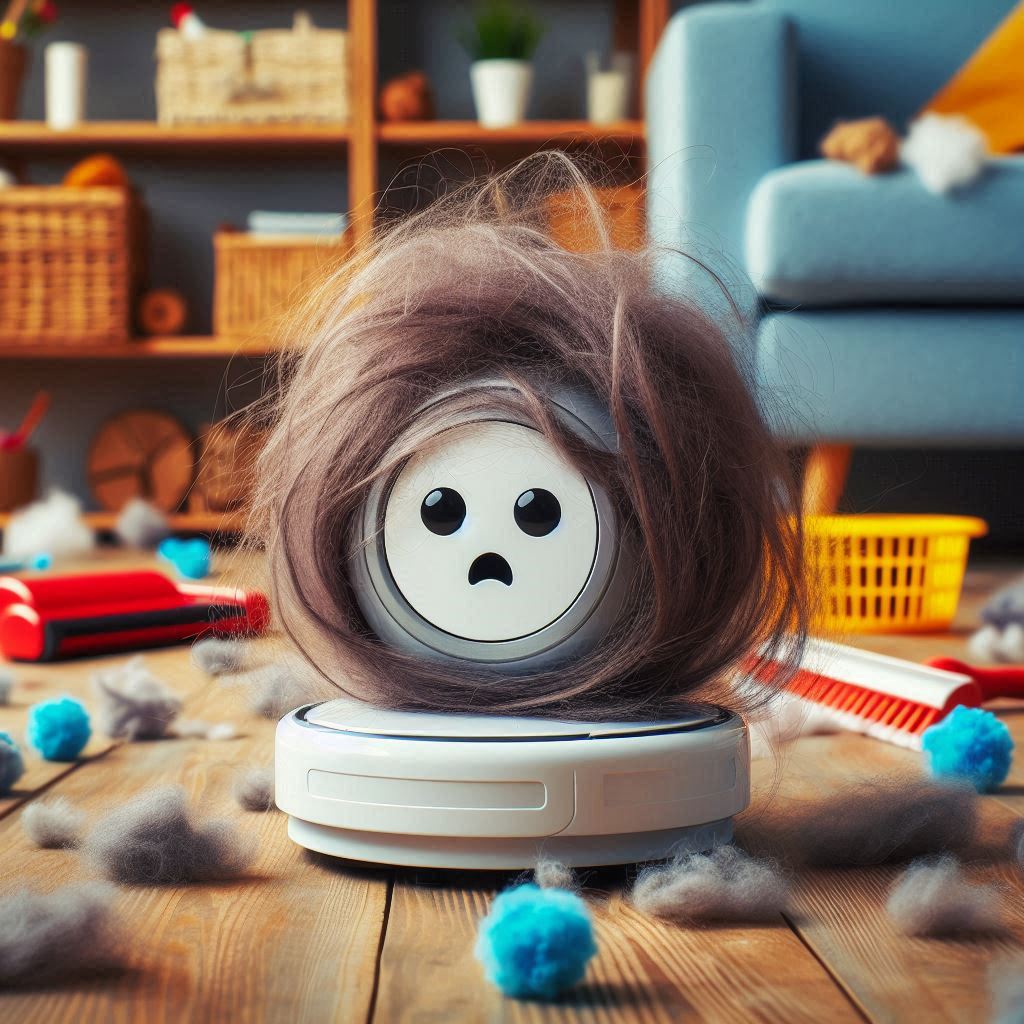

Robot vacuums are designed to make life easier, especially for pet owners who constantly battle shedding fur on floors and carpets. However, one of the most frustrating and frequently reported issues is the robot vacuum brush getting tangled with pet hair. Instead of smoothly collecting fur, the brush roll becomes wrapped with hair, reducing cleaning efficiency and sometimes stopping the vacuum altogether.

This article explores why robot vacuum brushes tangle with pet hair, how this affects performance, and what practical steps pet owners can take to prevent and manage this problem.
Why Pet Hair Tangles So Easily in Robot Vacuum Brushes
Pet hair has unique physical properties that make it problematic for rotating brushes. Unlike dust or crumbs, hair is:
- Long and flexible
- Lightweight
- Prone to static electricity
- Easily wrapped around moving parts
When the robot vacuum’s brush rotates, hair naturally winds around it, especially if the brush uses traditional bristles. Over time, this buildup becomes dense and tightly packed, making removal difficult.
Types of Brushes Used in Robot Vacuums
Bristle Brushes
These are common in older or budget models. While effective at loosening dirt, they:
- Attract pet hair
- Cause hair to wrap tightly
- Require frequent manual cleaning

Rubber or Silicone Brushes
Modern robot vacuums often use rubber rollers. These:
- Reduce hair tangling
- Flex to dislodge fur
- Push hair toward the suction inlet
Although better, even rubber brushes are not completely immune to tangling in heavy-shedding homes.
How Tangled Brushes Affect Cleaning Performance
Reduced Pickup Efficiency
When brushes are tangled:
- Rotation slows down
- Hair is no longer lifted from carpets
- Debris is scattered instead of collected
Increased Motor Strain
The motor works harder to spin a clogged brush, leading to:
- Faster battery drain
- Overheating
- Shorter motor lifespan
Loud Noise and Error Messages
Many robot vacuums produce grinding sounds or stop with error alerts when brushes are jammed by hair.

Carpet and Flooring Impact on Brush Tangling
Carpets
Pet hair embeds deep into carpet fibers. When brushes dig into carpets:
- Hair wraps tightly around the brush axle
- Fibers pull hair into the brush ends
- Tangling increases rapidly
Hard Floors
Although tangling is less severe, long pet hair still wraps around brush ends and side brushes.
Pet Breed and Hair Length: A Major Factor
Different pets produce different challenges:
- Long-haired dogs cause thick wrapping
- Short-haired cats produce fine, tightly wound tangles
- Double-coated breeds shed constantly, overwhelming brushes
Homes with multiple pets experience faster brush clogging.
Lack of Regular Maintenance
Infrequent Brush Cleaning
Many users underestimate how often brushes need cleaning. In pet households:
- Brushes may need cleaning every few days
- Weekly cleaning may not be enough
Ignoring Side Brushes
Side brushes often collect long strands of hair, which then transfer to the main brush and worsen tangling.
Design Limitations in Robot Vacuums
Robot vacuums are compact by design. This means:
- Smaller brush rolls
- Limited clearance between brush and housing
- Narrow axles that trap hair
Some models lack removable brush ends, making cleaning difficult and increasing frustration.
Common User Mistakes That Worsen Tangling
- Running the robot too infrequently, allowing hair to accumulate
- Using carpet-only brushes on hard floors
- Not trimming pet hair regularly
- Skipping pre-cleaning in heavy shedding seasons
These habits increase the amount of hair collected in a single cleaning cycle, leading to rapid tangling.
How to Prevent Robot Vacuum Brush Tangling
1. Clean Brushes Regularly
Remove hair from:
- Main brush roll
- Side brushes
- Brush ends and bearings
Using a seam ripper or cleaning tool makes this easier.
2. Run the Robot More Frequently
Daily cleaning reduces the amount of hair picked up in one session, minimizing tangling.
3. Use Tangle-Free Brush Designs
If available, switch to:
- Rubber roller brushes
- Anti-tangle brush upgrades
These significantly reduce hair wrapping.
Advanced Solutions for Heavy Pet Hair Homes
Upgrade to Pet-Focused Models
Some robot vacuums are specifically designed for pet owners and include:
- Dual rubber rollers
- Self-cleaning brush systems
- Higher airflow near brushes
Replace Worn Brushes
Old brushes trap hair more easily. Replacing them restores performance.
When Brush Tangling Is a Deal-Breaker
For extreme shedding environments, even the best robot vacuums may struggle. In such cases:
- Use robot vacuums for daily maintenance
- Supplement with upright vacuums weekly
- Groom pets regularly to reduce shedding
This combination minimizes brush tangling and improves overall cleanliness.
Robot vacuum brush tangling caused by pet hair is a widespread and understandable issue. Hair characteristics, brush design, flooring type, and maintenance habits all contribute to the problem. While no robot vacuum is entirely immune, the issue can be managed effectively with regular care, proper usage, and the right equipment.
Understanding why brushes tangle empowers pet owners to make smarter choices, maintain their devices better, and set realistic expectations. With the right approach, robot vacuums can remain a reliable cleaning companion—even in homes filled with shedding pets.

Related Posts