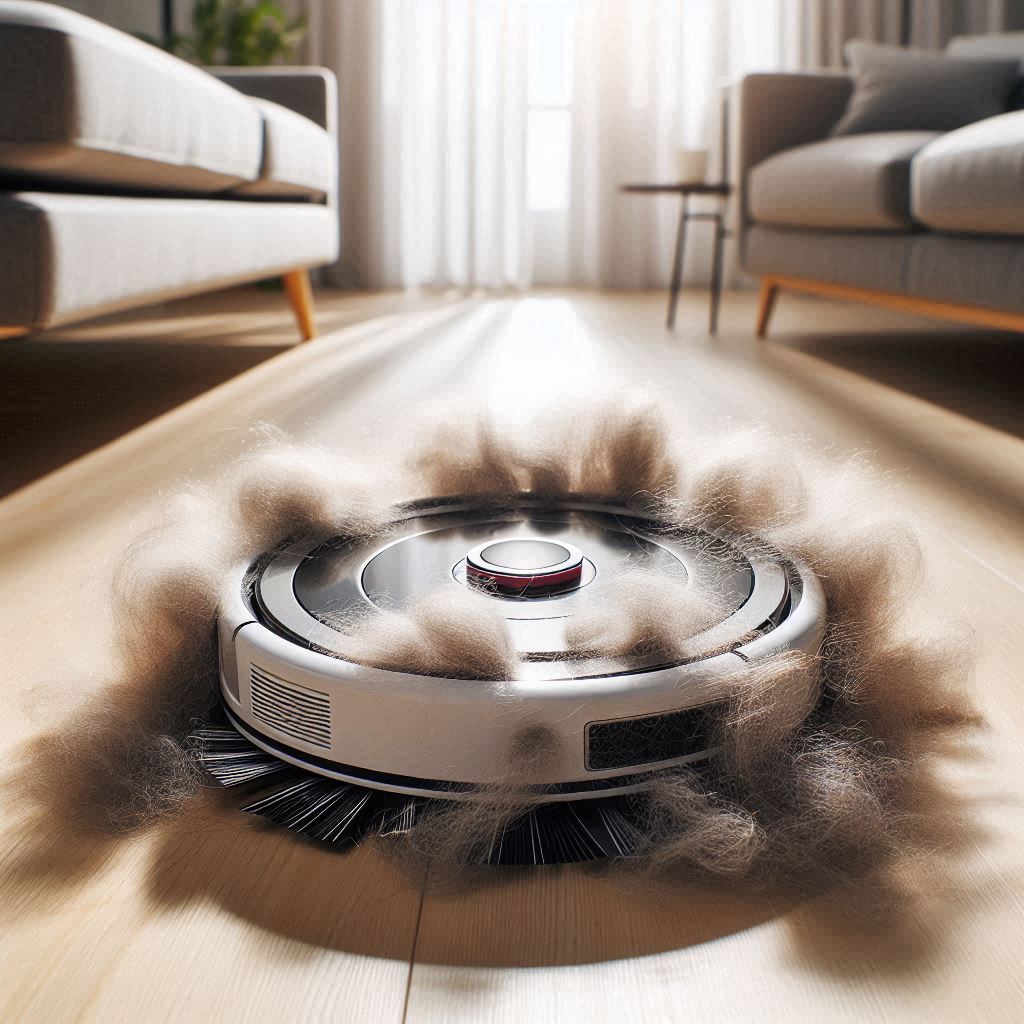
Robot vacuums have transformed the way pet owners clean their homes. With the ability to clean automatically, reach under furniture, and operate daily, these smart devices are especially popular in homes with cats and dogs. However, one of the most common and frustrating issues users face is pet hair getting stuck in robot vacuum brushes, wheels, and internal parts.
This article explores why pet hair gets stuck in robot vacuums, the problems it causes, and most importantly, how to fix and prevent it. Instead of a simple list, this guide explains the issue in a detailed, practical, and easy-to-understand style.
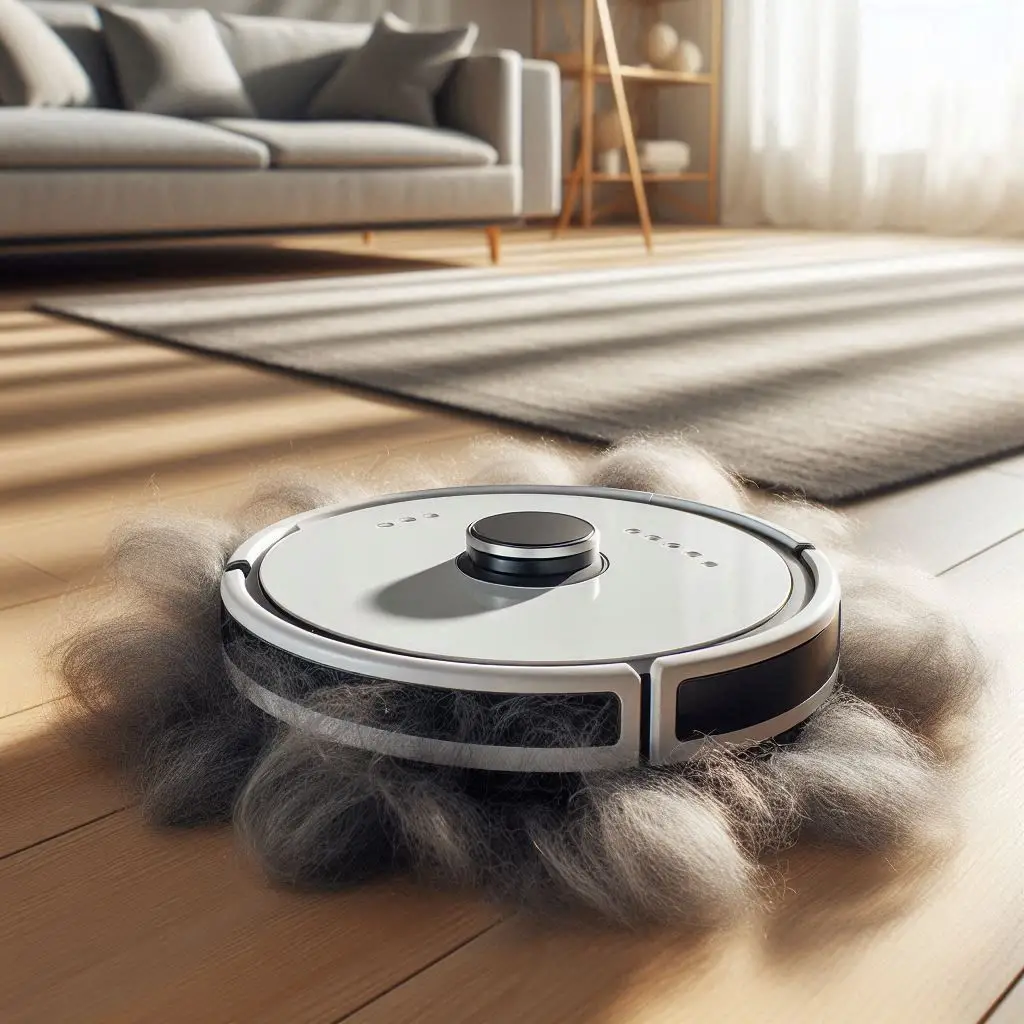
Understanding the Problem: Why Pet Hair Gets Stuck
Pet hair is not like ordinary dust or crumbs. It behaves differently inside a robot vacuum, especially when it comes into contact with moving parts.
Fine Texture and Static Electricity
Pet hair, especially from cats and small dogs, is lightweight and fine. When the robot vacuum runs, static electricity causes hair to cling to brushes, rollers, and air channels instead of flowing smoothly into the dustbin.
Continuous Daily Operation
Unlike traditional vacuums used once or twice a week, robot vacuums often run daily. This frequent use means hair accumulates faster than users expect, leading to clogging.
Carpet and Rug Cleaning
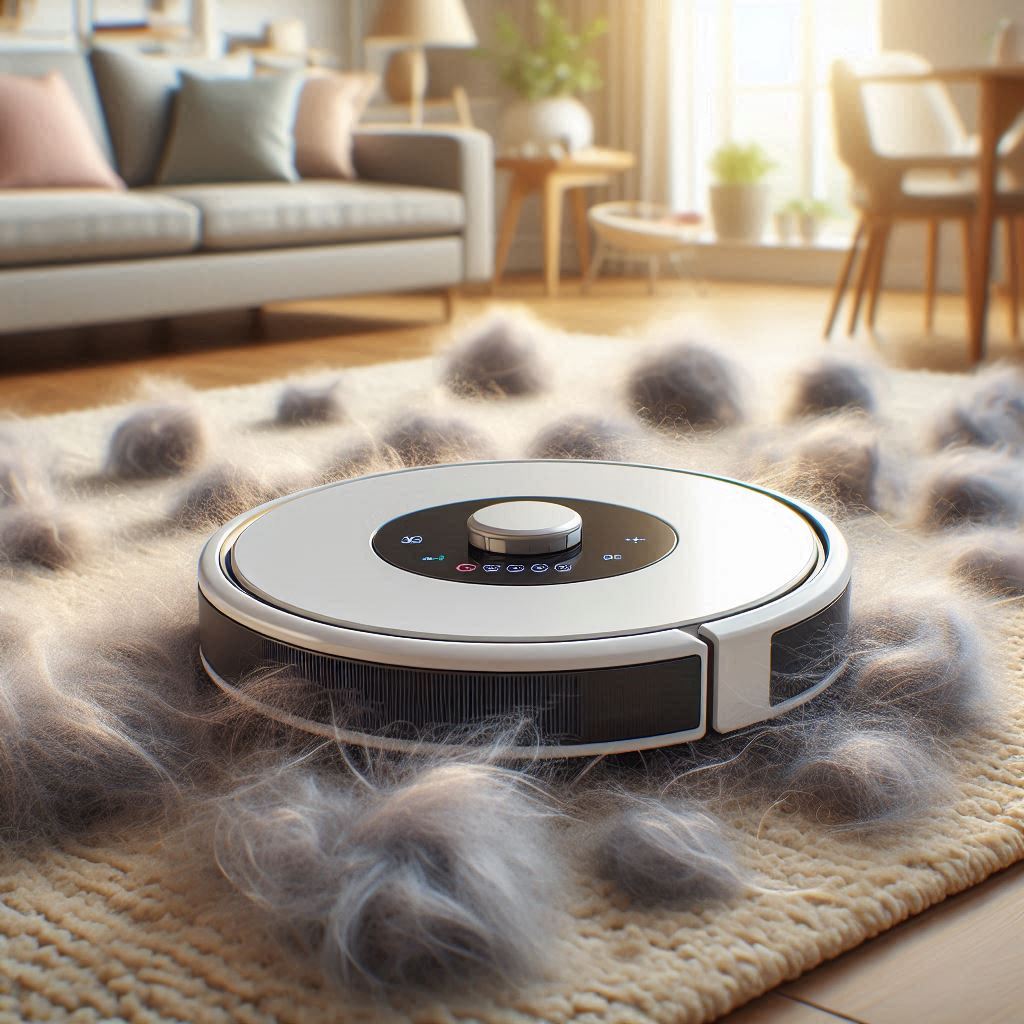
Carpets release long strands of pet hair that wrap tightly around brush rollers. Over time, this wrapping creates thick layers that restrict movement.
Where Pet Hair Commonly Gets Stuck in Robot Vacuums
Understanding where the hair gets stuck helps in diagnosing problems quickly.
Main Brush Roller
The brush roller is the most affected part. Long pet hair wraps tightly around it, reducing rotation and cleaning efficiency.
Side Brushes
Side brushes collect hair along walls and corners. These brushes spin rapidly, making them prone to tangling.
Wheels and Axles
Hair often winds around the wheels, causing resistance and movement errors.
Air Path and Suction Channel
Fine hair can block airflow, reducing suction and triggering error alerts.
Filter and Dustbin
Pet hair mixed with dust clogs filters quickly, lowering performance.
Signs Your Robot Vacuum Has Hair Stuck Inside
Robot vacuums usually give warning signs before complete failure.
- Reduced suction power
- Louder than normal operation
- Error messages related to brushes or wheels
- Robot stopping frequently
- Poor cleaning results on pet hair
Ignoring these signs can lead to long-term damage.
How Pet Hair Affects Robot Vacuum Performance
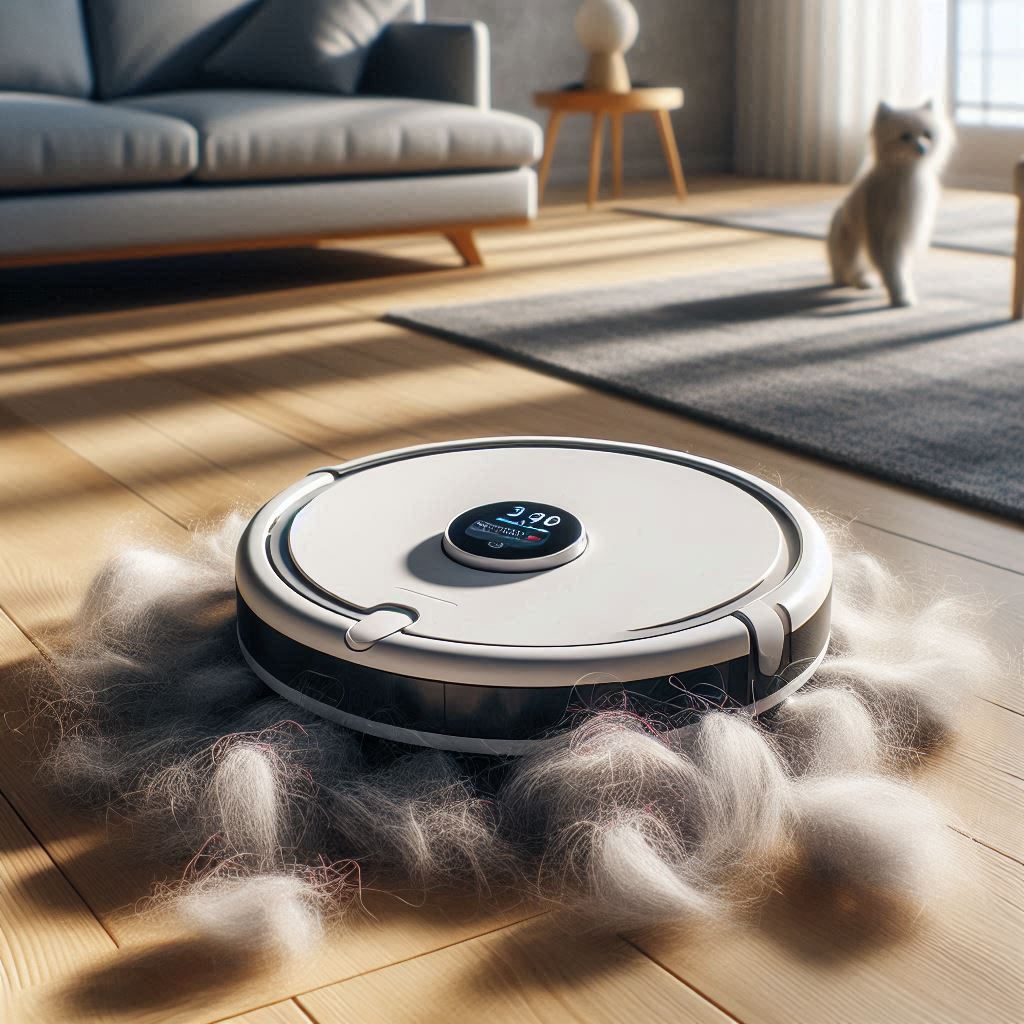
Hair buildup is not just an inconvenience—it directly impacts functionality.
Reduced Cleaning Efficiency
When brushes are tangled, they cannot agitate carpet fibers properly, leaving hair behind.
Motor Strain
Blocked parts force motors to work harder, shortening their lifespan.
Battery Drain
Increased resistance causes faster battery depletion.
Overheating Risks
Blocked airflow may cause overheating and automatic shutdown.
The Difference Between Short and Long Pet Hair
Short Hair
- More likely to clog filters
- Harder to notice buildup
- Easily blocks air passages
Long Hair
- Wraps tightly around rollers
- Causes brush jam errors
- Requires frequent manual removal
Homes with long-haired pets face more mechanical tangling issues.
Immediate Fixes: What to Do When Hair Gets Stuck
When your robot vacuum starts acting up, quick action can restore performance.
Turn Off and Inspect
Always power off the robot before inspection.
Remove Brush Rollers
Most models allow easy removal. Use the cleaning tool or scissors to cut tangled hair.
Clean Side Brushes
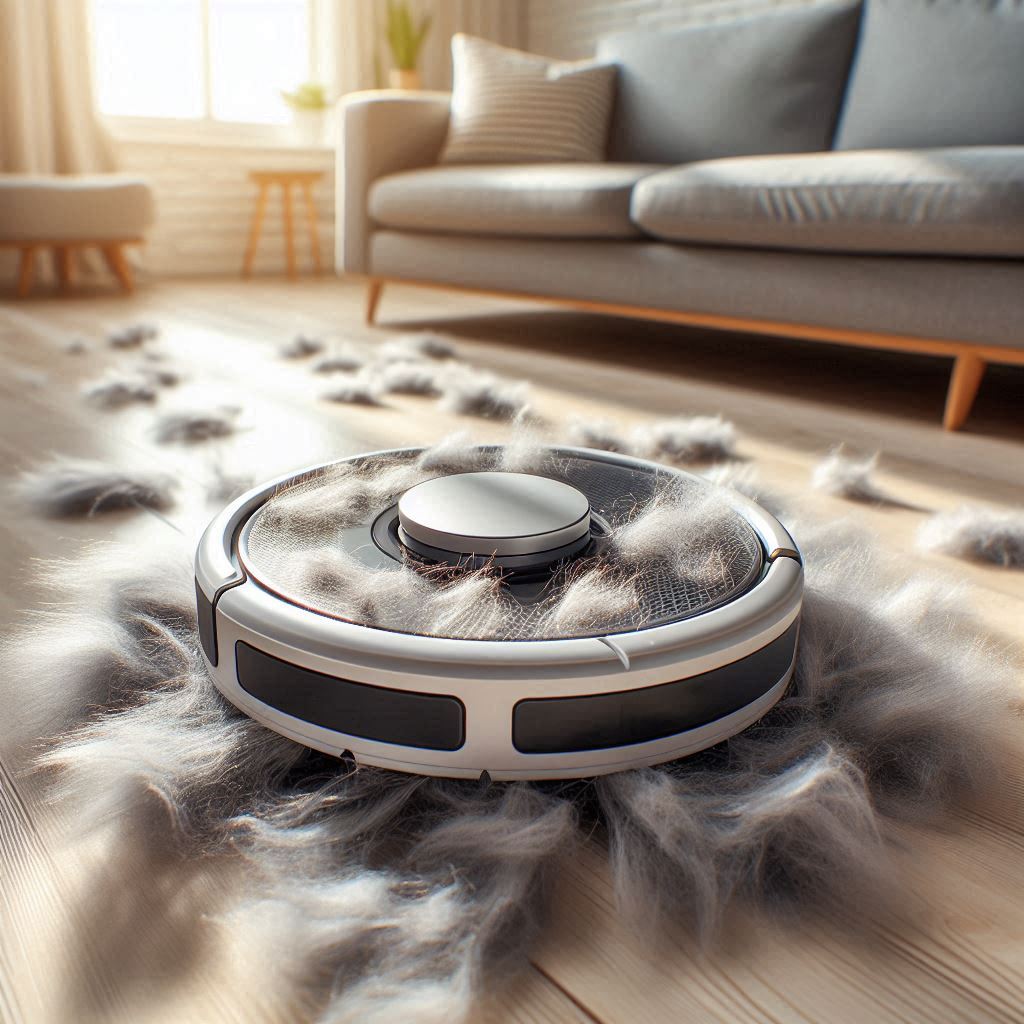
Detach side brushes and remove hair from the base.
Check Wheels
Pull out trapped hair carefully from wheel axles.
Empty and Clean Dustbin
Wash the dustbin if possible and remove compacted hair.
Deep Cleaning Routine for Pet Owners
If you have pets, a simple weekly routine can prevent issues.
- Clean main brush twice a week
- Check wheels once a week
- Wash filters every 1–2 weeks
- Replace worn brushes regularly
Consistent maintenance reduces long-term damage.
Design Limitations of Robot Vacuums
Despite smart features, robot vacuums have physical limits.
Small Motors
They are not as powerful as upright vacuums, making them more vulnerable to clogs.
Compact Design
Limited space means less tolerance for debris buildup.
One-Size-Fits-All Brushes
Not all models are optimized for pet hair, especially budget versions.
Understanding these limitations helps set realistic expectations.
Choosing the Right Robot Vacuum to Avoid Hair Issues
If pet hair frequently gets stuck, the model itself may be the problem.
Anti-Tangle Brush Systems
Rubber rollers resist hair wrapping better than bristle brushes.
Strong Suction Power
Higher suction pulls hair directly into the bin instead of wrapping it.
Self-Cleaning Brush Designs
Some models automatically cut or loosen hair.
Pet-Specific Models
Vacuum models marketed for pets usually include improved brush and filtration systems.
The Role of Self-Emptying Bases
Self-emptying robot vacuums reduce hair buildup by:
- Automatically clearing the dustbin
- Preventing hair compression
- Reducing filter clogging
This feature is especially useful in multi-pet homes.
Preventive Measures to Reduce Hair Tangling
Regular Pet Grooming
Brushing pets reduces loose hair before it reaches the floor.
Pre-Clean Floors
Pick up large clumps of hair manually before running the robot.
Use Carpet Boost Strategically
Avoid overuse on low-pile carpets to reduce tangling.
Schedule Shorter Cleaning Cycles
Multiple short runs prevent excessive buildup.
Robot Vacuum Maintenance vs Replacement
When hair problems persist, consider:
- Replacing worn brushes
- Changing filters more frequently
- Upgrading to a pet-optimized model
Sometimes maintenance is enough; other times, replacement is more cost-effective.
Psychological Frustration for Users
Constant brush cleaning can feel overwhelming, especially for busy pet owners. Understanding that some maintenance is unavoidable helps reduce frustration and improves satisfaction.
Future Improvements in Robot Vacuum Technology
Manufacturers are working on:
- Fully tangle-free brush systems
- Stronger airflow designs
- AI-based hair detection
- Automated internal cleaning
These advancements aim to minimize user intervention.
Pet hair stuck in robot vacuum cleaners is a common but manageable problem. While robot vacuums are incredibly helpful for daily cleaning, they require proper maintenance—especially in homes with shedding pets. Hair tangling, clogging, and reduced performance are not signs of failure but indications that the vacuum needs attention.
By understanding where and why pet hair gets stuck, following regular maintenance routines, and choosing pet-friendly designs, users can extend the life of their robot vacuum and enjoy cleaner floors with less effort.
In the end, robot vacuums are tools—not magic devices. With the right care, they remain one of the best cleaning companions for pet owners.

Related Posts