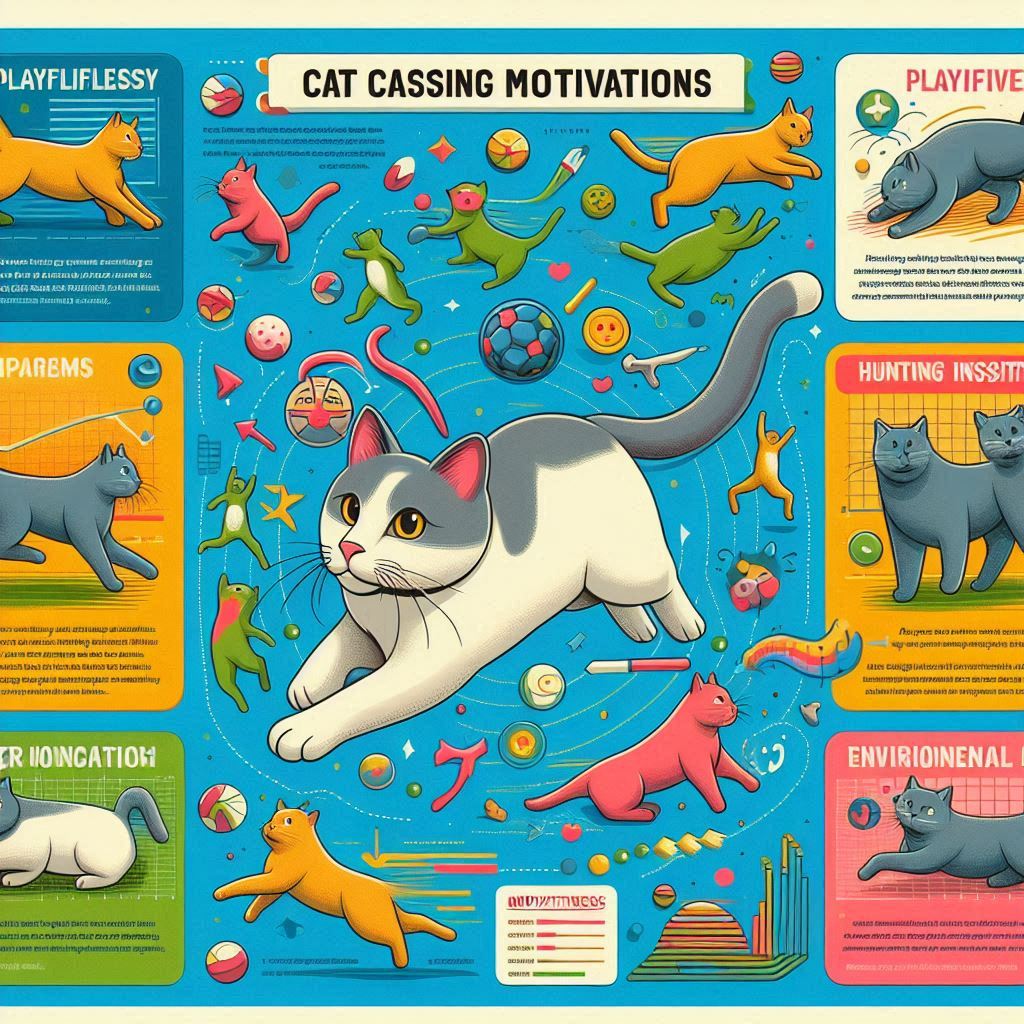
As pet owners, we often seek innovative solutions to keep our homes clean, and robot vacuums have quickly become a favorite. However, the introduction of these devices can trigger unexpected behaviors in cats, particularly the instinct to chase. This article explores the reasons behind cat chasing behavior in response to robot vacuums, its implications, and how to select vacuums that minimize this issue.
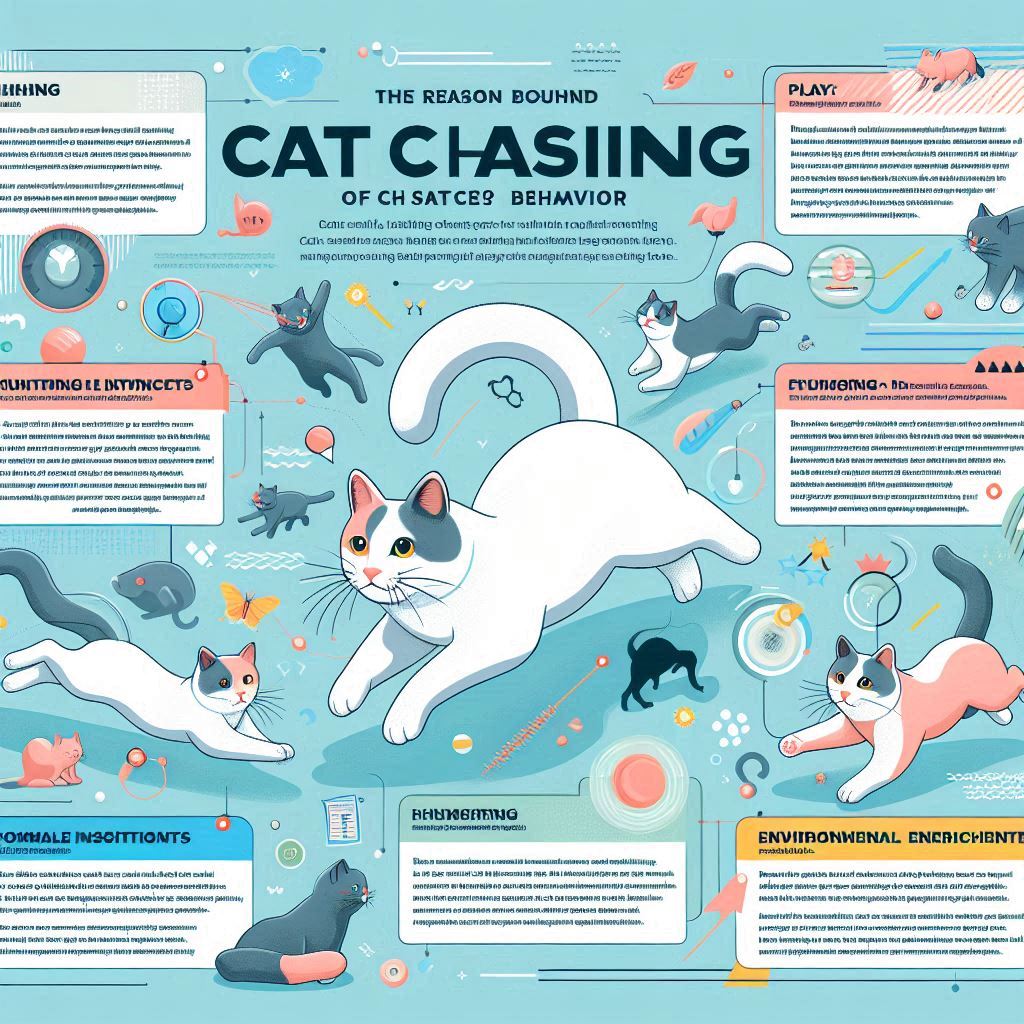
Why Cats Chase Robot Vacuums
- Instinctual Behavior: Cats are natural hunters. The movement of a robot vacuum can stimulate their hunting instincts, prompting them to chase it as they would a small prey animal.
- Curiosity: Cats are inherently curious creatures. The whirring sound and unpredictable movements of a robot vacuum can attract their attention and prompt them to explore.
- Territorial Response: Cats often feel the need to assert their dominance over their environment. The introduction of a new “intruder” in the form of a robot vacuum may trigger a chasing or pouncing response.
- Boredom: If a cat lacks stimulation, it may chase anything that moves as a way to entertain itself, including a robot vacuum.
- Previous Negative Experiences: If a cat has had encounters with other electronic devices, it might generalize its fear or hunting instinct to robot vacuums.
Behavioral Consequences of Chasing
- Injury Risks: Cats may injure themselves while chasing a robot vacuum, especially if they attempt to jump onto or off of furniture to reach it.
- Stress and Anxiety: Continuous chasing can lead to increased stress levels, resulting in behavioral changes such as aggression or avoidance.
- Disruption During Cleaning: A cat’s chasing behavior can disrupt the vacuum’s cleaning schedule, leading to ineffective sessions and unclean areas in your home.
- Increased Wear on the Vacuum: Frequent collisions with a chasing cat can lead to more wear and tear on the robot vacuum, resulting in decreased efficiency.
- Territorial Behavior: Constant chasing may lead to territorial marking or other stress-related behaviors, such as scratching or vocalization.
Tips for Mitigating Chasing Behavior
- Gradual Introduction: Allow your cat to explore the robot vacuum while it’s powered off. This can remove some of the mystery and build a calmer association.
- Positive Reinforcement: Use treats and praise to reward calm behavior around the vacuum. This can help your cat form a positive association with the device.
- Create a Safe Space: Provide a comfortable, safe area for your cat where they can retreat during cleaning sessions. This may help alleviate anxiety and minimize chasing behavior.
- Scheduled Cleaning Times: Vacuum when your cat is less active, perhaps when they are napping or eating. This reduces the likelihood of triggering chasing instinct.
- Use a Lower Speed Setting: If available, select a lower speed setting on the robot vacuum for initial cleaning sessions. Slower movements may be less stimulating for your cat.
- Monitor Reactions: Pay attention to how your cat reacts during vacuuming. If they seem scared or aggressive, pause the vacuum, and try again later when they are calm.

Choosing Robot Vacuums That Minimize Chasing Behavior
When selecting a robot vacuum that is less likely to trigger chasing behavior in cats, consider the following features:
1. Noise Levels
Opt for vacuums designed to operate quietly—typically below 65 dB. Lower noise levels can reduce stress and anxiety in sensitive cats.
2. Soft Start and Stop Features
Some models offer soft start and stop functions, which allow for smoother acceleration and deceleration. This can help lessen the likelihood of startling your cat.
3. Smart Navigation
Invest in vacuums with advanced navigation features that can calculate optimal cleaning paths. Enhanced navigation minimizes erratic movements, reducing overstimulation for pets.
4. Adjustable Cleaning Modes
Choose models with multiple cleaning modes, including those designed for quieter operation or less intense suction. This can make the vacuum less intimidating.
5. Customized Scheduling
Select vacuums that allow for customized cleaning schedules. These options enable you to choose the best times for cleaning sessions based on your cat’s activity levels.
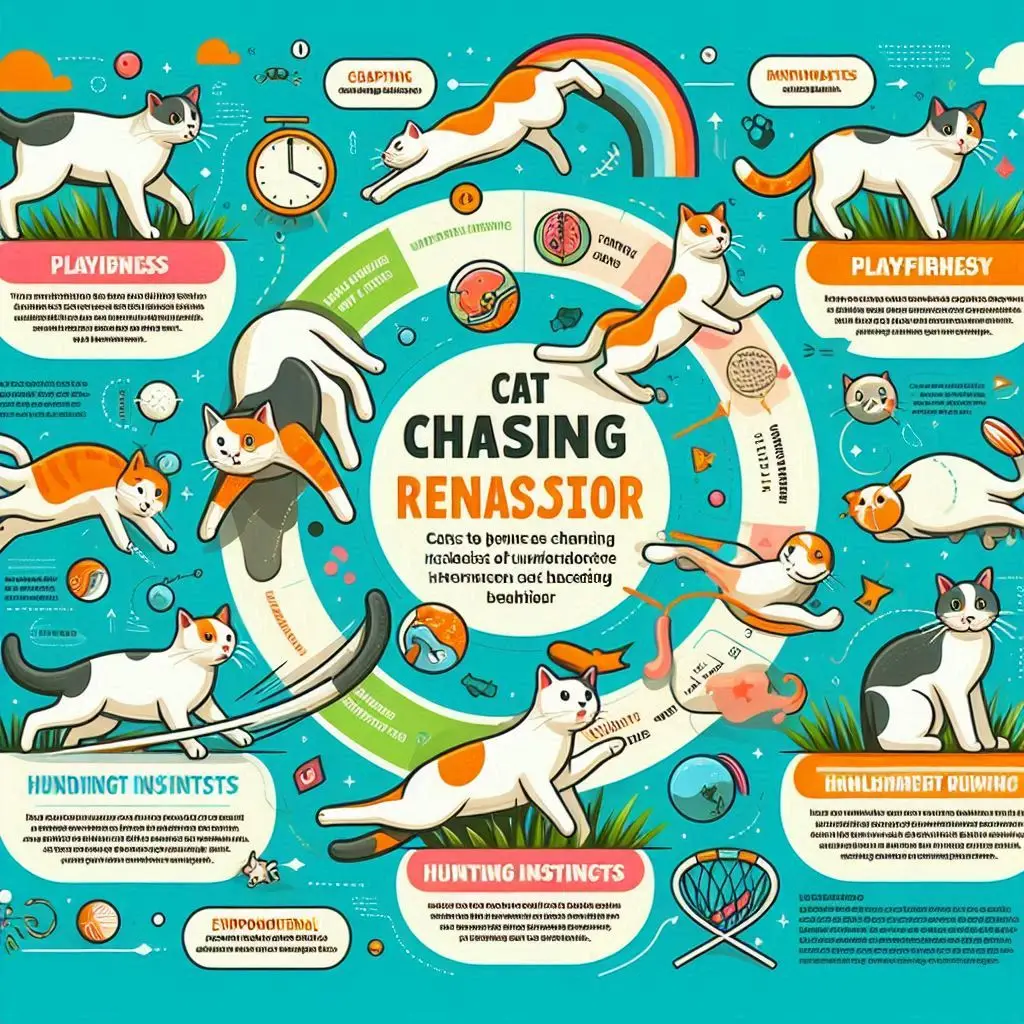
Recommended Robot Vacuums for Households with Cats
Here’s a curated list of robot vacuums available on Amazon that are well-suited for homes with cats, focusing on minimizing chasing behavior:
| Robot Vacuum Model | Noise Level | Suction Power | Navigation Technology | Special Features | Price Range |
|---|---|---|---|---|---|
| iRobot Roomba i7+ | 58 dB | High | Smart mapping | Self-emptying base, advanced navigation |

Related Posts