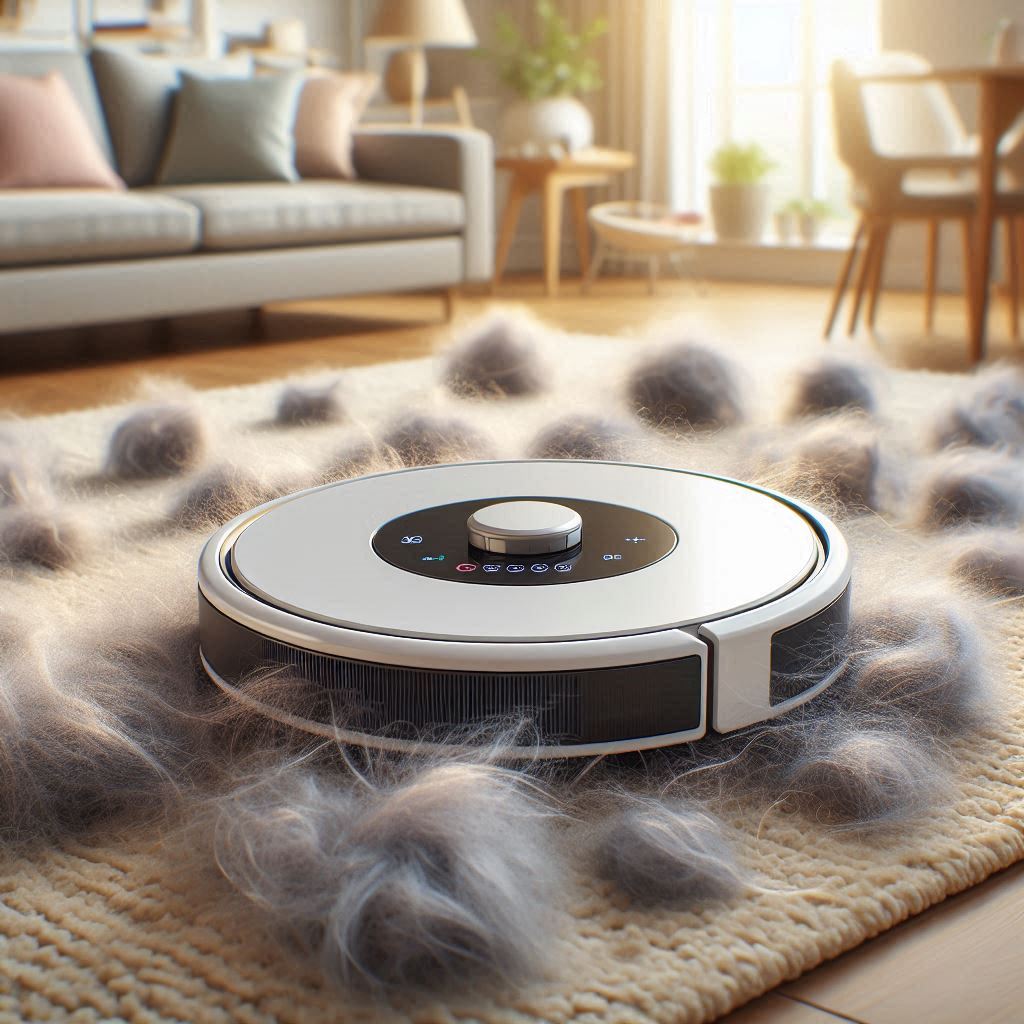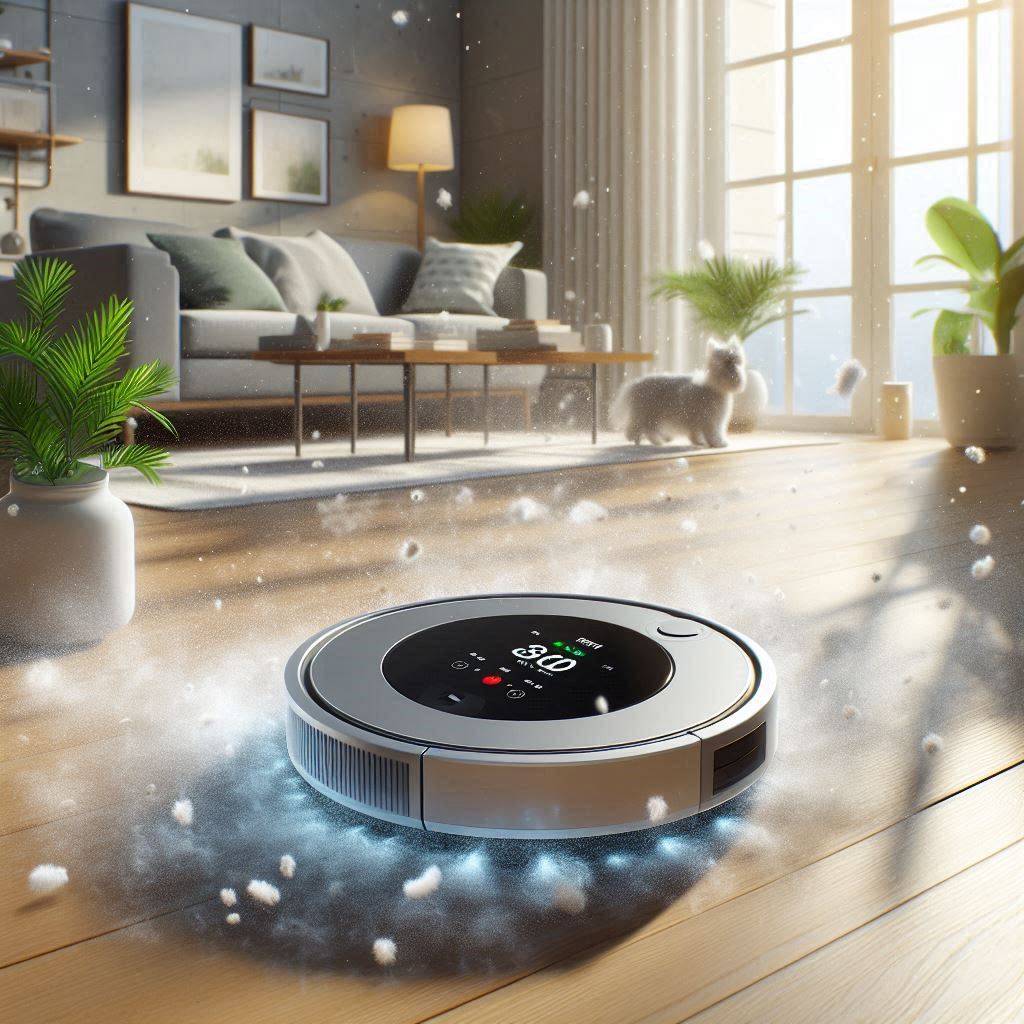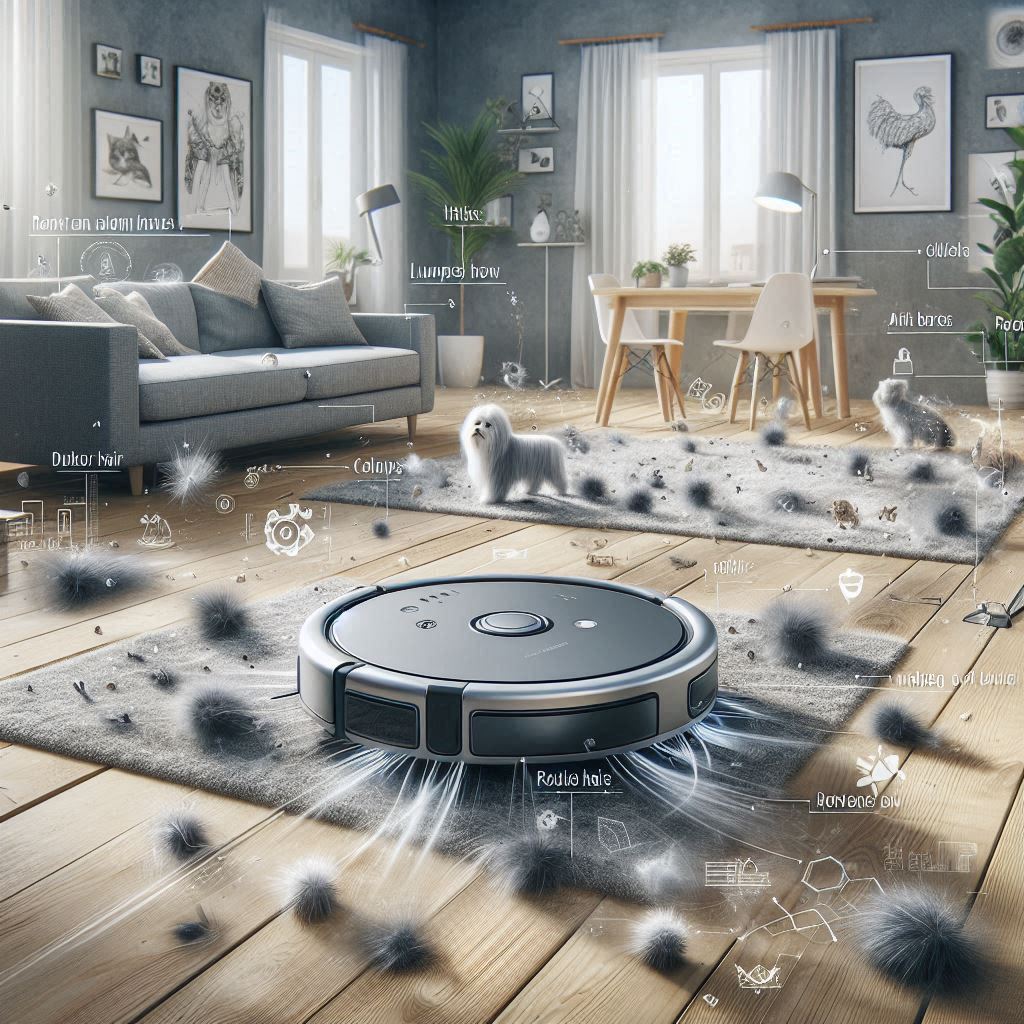
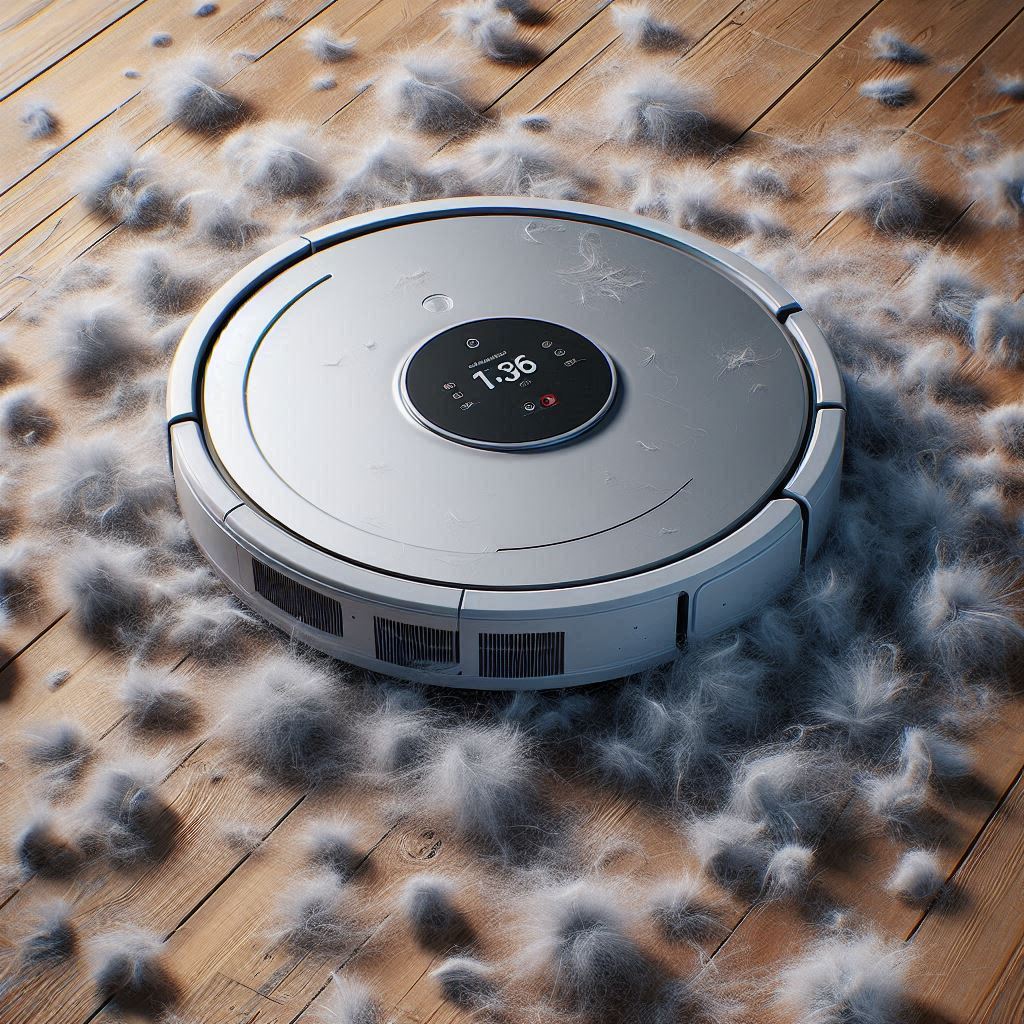
For pet owners, robot vacuums are a lifesaver when it comes to managing shedding. However, one of the most common issues users face is suction loss over time, especially when dealing with persistent pet hair. Reduced suction can leave hair behind, reduce cleaning efficiency, and make the vacuum feel ineffective. This guide explores the causes, prevention strategies, and solutions for robot vacuum suction loss due to pet hair, all in a clear, point-to-point style.
1. Understanding Suction Loss in Robot Vacuums
- Definition: Suction loss occurs when a robot vacuum is no longer able to pull hair, dust, and debris effectively.
- Common Signs: Hair left on carpets after cleaning, partial cleaning paths, or noticeable drop in vacuum performance.
- Frequency: Suction loss is common in homes with heavy pet hair, especially over months of use.
2. Why Pet Hair Causes Suction Loss
- Brush Clogging: Hair wraps around roller brushes, reducing their ability to pick up more debris.
- Filter Blockage: Pet hair and dander can clog HEPA or dust filters, decreasing airflow and suction.
- Dustbin Overload: A full or partially full dustbin can restrict airflow, directly impacting suction.
- Motor Wear: Continuous heavy-duty cleaning without maintenance can gradually reduce motor efficiency.
- Long or Fine Hair: Certain pets shed long or fine hair that can easily tangle around internal components, reducing suction.
3. Key Features to Combat Suction Loss
a) Tangle-Free or Rubber Brushes
- Prevents hair from wrapping around the rollers, keeping suction consistent.
- Self-cleaning brushes further reduce maintenance requirements.
b) High-Quality HEPA Filters
- HEPA filters trap fine hair and dander efficiently.
- Replaceable filters maintain suction over time by preventing airflow blockage.
c) Strong Motor with Adjustable Suction
- Motors rated for high suction power (2000–5000 Pa) handle embedded hair better.
- Adjustable modes allow deep carpet cleaning without overworking the motor.
d) Dustbin Capacity
- Larger bins (0.6 liters or more) prevent airflow restriction caused by frequent hair accumulation.
- Self-emptying bins maintain suction by reducing dust and hair buildup in the vacuum chamber.
e) Smart Sensors and Alerts
- Some models alert users when suction is reduced or when components require cleaning.
- Prevents prolonged periods of low suction performance.
4. Common Challenges With Pet Hair and Suction Loss
- Frequent Cleaning Needed: Homes with multiple pets or long-haired breeds experience quicker suction degradation.
- Hidden Hair Build-Up: Hair can accumulate inside the vacuum’s suction pathways, often unnoticed by users.
- Maintenance Neglect: Not cleaning brushes, filters, or sensors regularly accelerates suction loss.
- Low-Capacity Bins: Small bins fill quickly, restricting airflow and reducing suction efficiency.
- Aging Vacuums: Over time, wear and tear on motors or brushes can naturally reduce suction power.
5. Maintenance Tips to Prevent Suction Loss
- Clean Brushes Frequently: Remove hair wrapped around brush rolls every few uses.
- Replace Filters Regularly: HEPA and foam filters should be cleaned or replaced as per manufacturer guidelines.
- Empty Dustbin After Each Cleaning: Avoid airflow restrictions caused by full bins.
- Inspect Suction Pathways: Check internal hoses and suction channels for hidden hair or debris.
- Schedule Multi-Pass Cleaning: Running the vacuum twice over heavily soiled areas prevents hair buildup and ensures suction efficiency.
- Monitor Motor Health: Unusual noises or decreased suction may indicate motor strain; follow service recommendations promptly.
6. Best Practices for Heavy Pet Hair Homes
- Groom Pets Regularly: Brushing reduces loose hair before it enters the cleaning system.
- Use Zoning Features: Focus cleaning on high-shedding areas first to reduce dustbin overflow.
- Complement With Manual Cleaning: Vacuum furniture, stairs, or tight corners to avoid overloading the robot.
- Choose Self-Emptying Models: Reduces frequent bin emptying and maintains consistent suction.
- Maintain a Cleaning Schedule: Daily or every-other-day vacuuming prevents hair from accumulating and affecting suction.
7. Top Robot Vacuums Resistant to Suction Loss
Here are high-performing models that maintain suction efficiently, even in pet hair-heavy homes:
1. iRobot Roomba j7+
- Strengths: Self-emptying, tangle-free brushes, high suction power.
- Ideal For: Homes with multiple shedding pets.
- Maintenance Tip: Empty bin weekly; clean brushes monthly.
2. Roborock S8 Pro Ultra
- Strengths: Strong 5100 Pa suction, self-cleaning brush rolls, HEPA filtration.
- Ideal For: Large homes or high-traffic areas with heavy shedding.
- Maintenance Tip: Replace filters every 2–3 months for optimal suction.
3. Shark AI Ultra Robot
- Strengths: Anti-tangle brush rolls, smart navigation, voice control.
- Ideal For: Moderate-shedding homes; budget-conscious buyers.
- Maintenance Tip: Empty dustbin frequently to maintain consistent suction.
4. Eufy RoboVac X8 Hybrid
- Strengths: Dual spinning brushes, AI navigation, quiet operation.
- Ideal For: Small to medium homes with one or two shedding pets.
- Maintenance Tip: Clean brushes after every few uses; filter replacement every 2 months.
8. Benefits of Maintaining Suction Efficiency
- Consistent Cleaning Performance: Floors remain hair-free and clean.
- Healthier Home: Efficient suction reduces dander and allergens.
- Less Manual Effort: Strong suction allows robot to complete cleaning in fewer passes.
- Extended Vacuum Lifespan: Regular maintenance prevents motor strain and reduces wear.
- Improved Pet Comfort: Hair-free floors create a healthier environment for pets.
9. Tips for Long-Term Suction Maintenance
- Invest in a vacuum with self-cleaning brushes to prevent hair tangling.
- Keep extra HEPA filters for uninterrupted cleaning.
- Run the vacuum daily during heavy shedding seasons.
- Inspect suction channels monthly for hidden hair clogs.
- Consider zoned cleaning schedules to prevent dustbin overload in large homes.
Suction loss over time is one of the most common frustrations for pet owners using robot vacuums. Hair from pets, especially long-haired or multiple animals, can clog brushes, filters, and dustbins, reducing cleaning efficiency. However, with the right maintenance and a vacuum designed for pet hair, these issues can be managed effectively.
Key takeaways:
- Clean brushes, filters, and dustbins regularly.
- Groom pets to reduce hair entering the vacuum.
- Invest in high-suction, tangle-free, and self-emptying models for heavy shedding households.
- Monitor motor health and follow manufacturer maintenance instructions.
By following these strategies, robot vacuums can maintain strong suction over time, keeping your home free of pet hair and allergens while saving you hours of manual cleaning.
Pro Tip: For homes with multiple pets or heavy shedding, a self-emptying robot vacuum with HEPA filtration is the best investment to maintain suction and reduce maintenance stress.

Related Posts