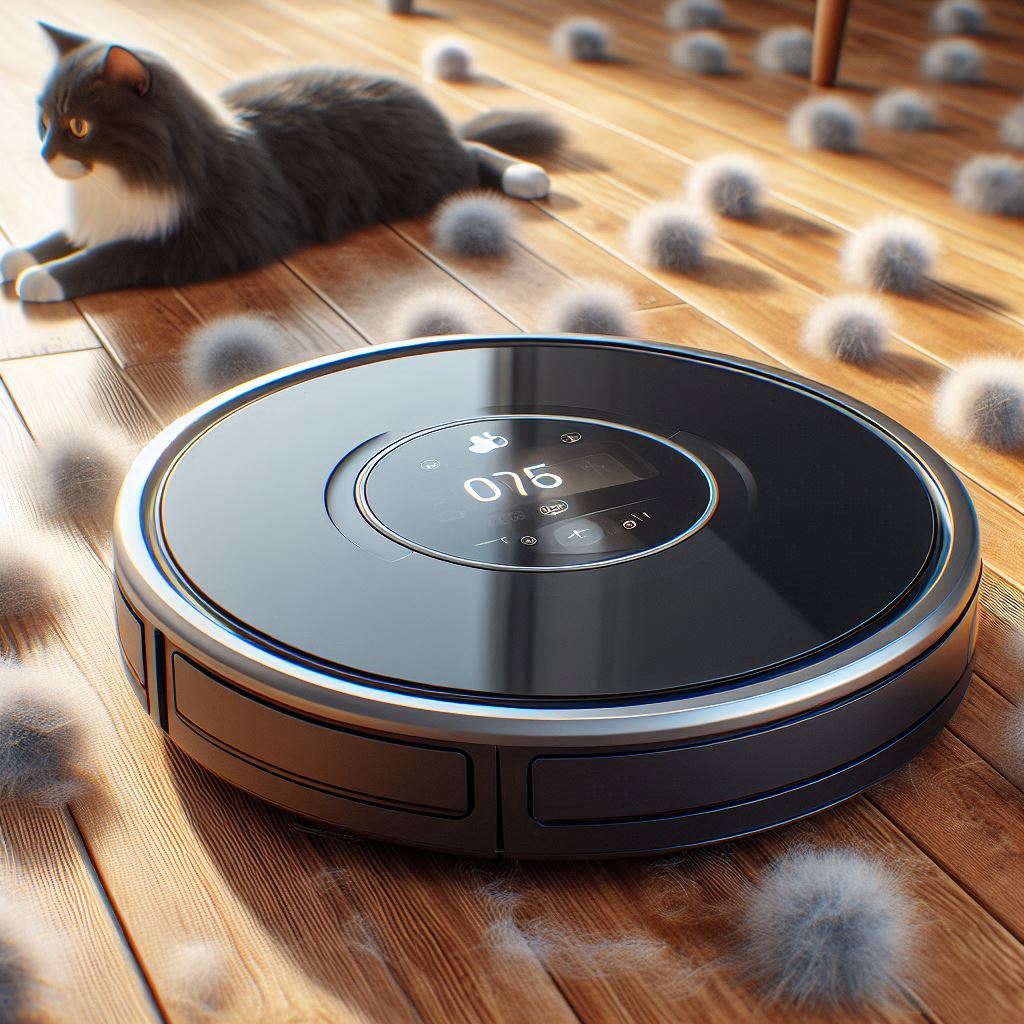
Robot vacuums are designed to make life easier for pet owners. The promise sounds perfect:
“Let the robot vacuum for you while you focus on living.”
But people with shedding cats and dogs quickly discover a problem that most manufacturers don’t highlight:
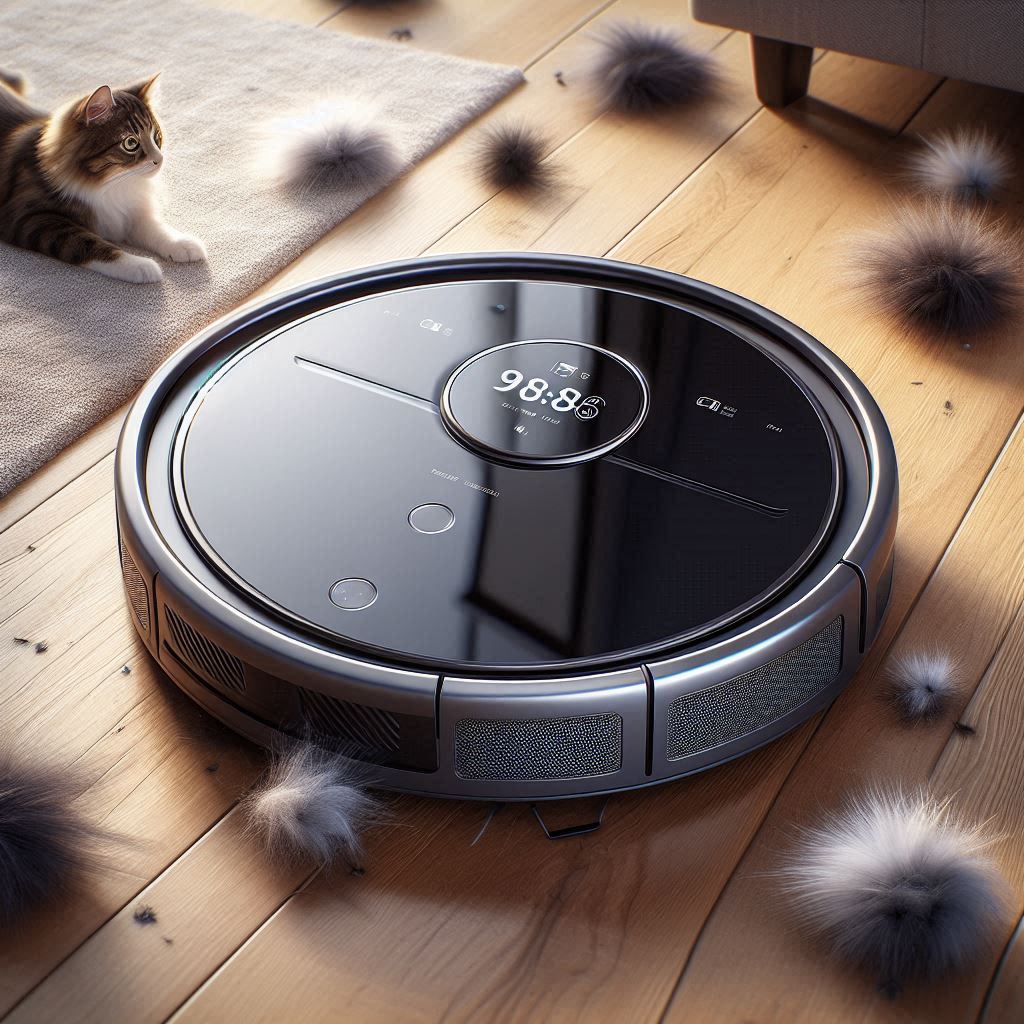
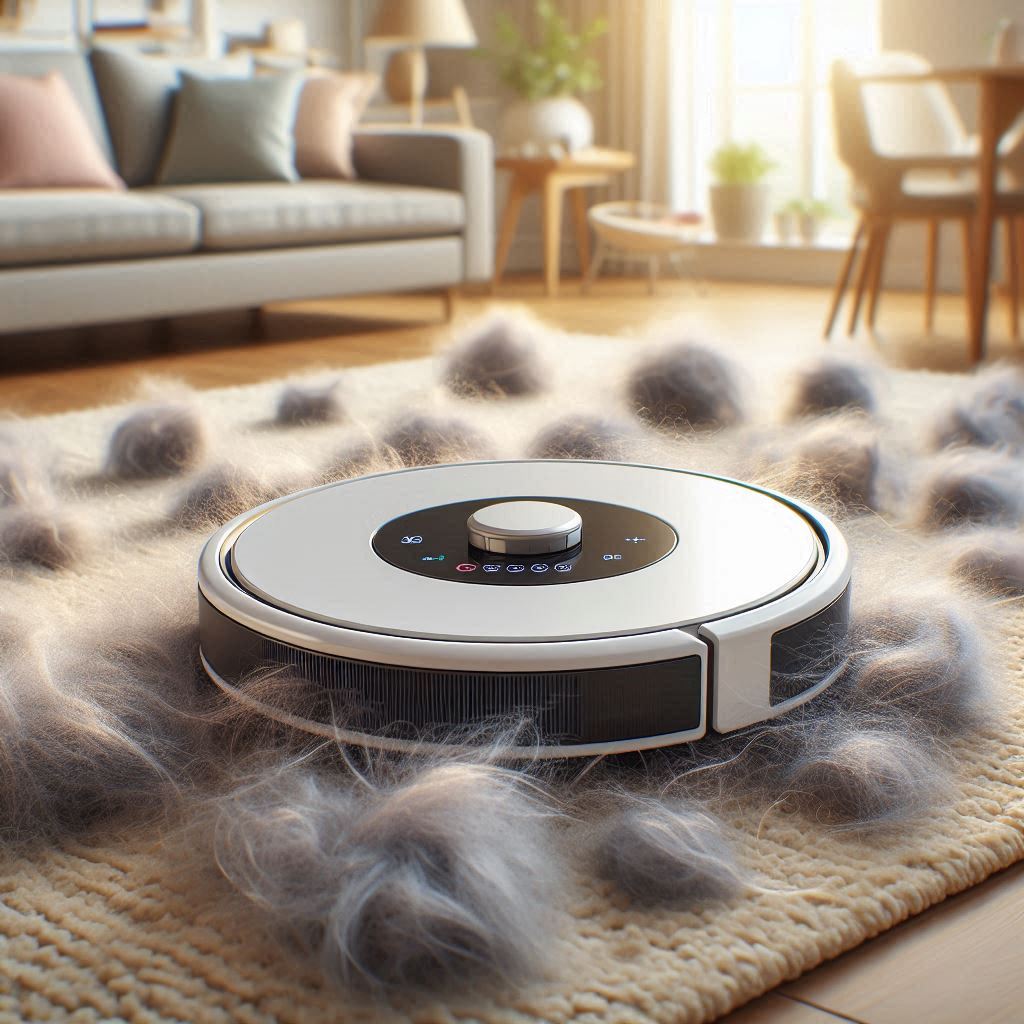
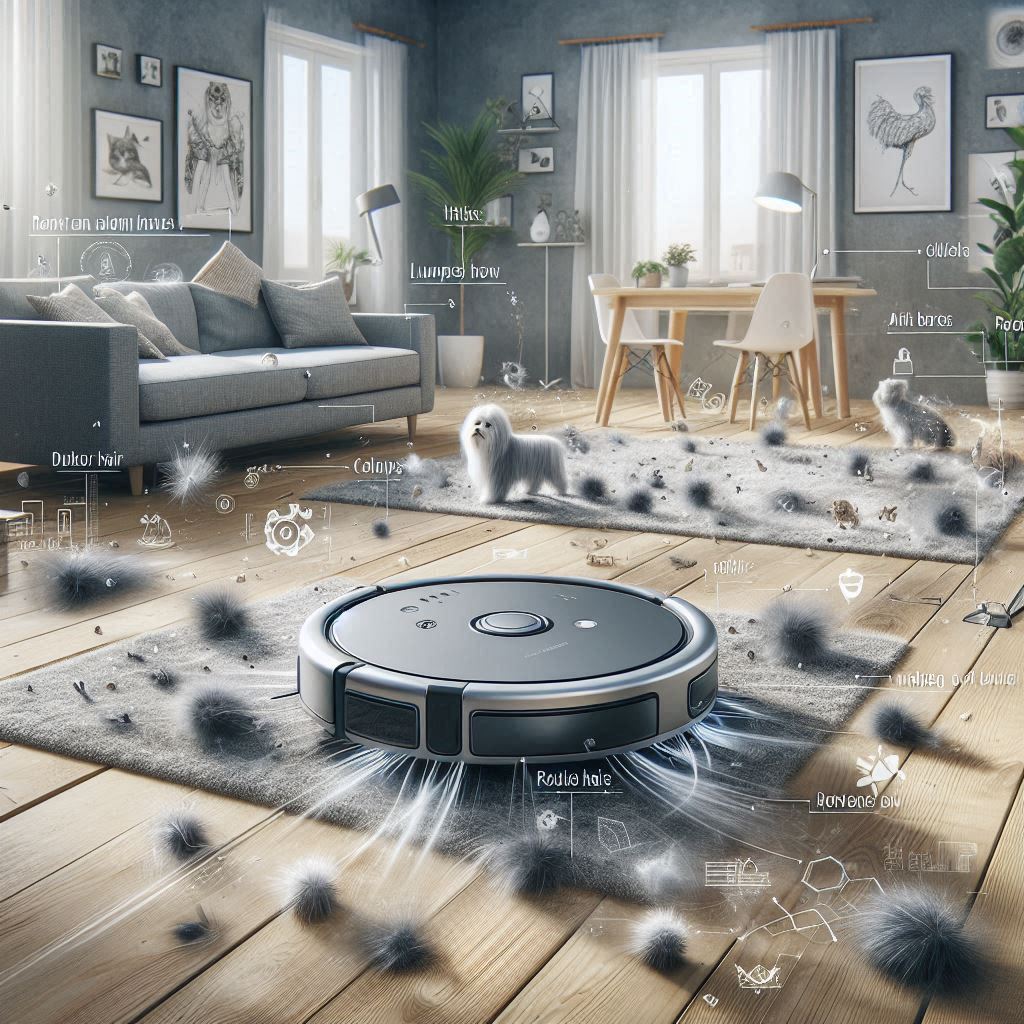
Pet hair blocking sensors and triggering sensor errors.
Instead of cleaning autonomously, the robot stops, beeps, reports errors, or refuses to navigate because its safety and mapping sensors are covered in fur or dander.
Amazon reviews are full of complaints like:
“Keeps saying bumper sensor error due to dog hair.”
“Failing cliff sensor—turns out the cat shed on it.”
“Obstacle sensors blocked by hair—robot refuses to move.”
“Went blind after two days—long-haired Husky owner here.”
This guide explains exactly:
✔ Why pet hair triggers sensor errors
✔ Which sensors are affected
✔ What surfaces make it worse
✔ Which breeds cause maximum issues
✔ How newer robots fight this problem better
✔ Best 2026 models for pet homes
✔ Repair + prevention tips
✔ Buying recommendations for Amazon shoppers
Understanding How Robot Sensors Work (Simplified for Pet Owners)
Modern robot vacuums rely on multiple sensors to avoid disaster.
Here are the primary ones:
1. Cliff Sensors
Prevent falling from stairs by detecting floor depth.
Pet hair problem:
→ hair covers sensor → robot thinks “cliff detected” → freezes
2. Laser / LiDAR Sensors
Used for mapping and navigation.
Problem:
→ hair blocks laser → mapping becomes inaccurate → robot bumps or idles
3. Bumper Sensors
Detect collision with walls and furniture.
Problem:
→ pet hair compresses into bumper gap → bumper doesn’t register → sensor error triggers
4. Hall Sensors (Wheel Rotation)
Track wheel movement for distance.
Problem:
→ hair wraps around wheels → robot believes wheel stalled → error mode
5. Obstacle/Ceiling/Wall Sensors
Used for alignment and path planning.
Problem:
→ hair on side sensors → robot drives crooked or pulls back
6. Dust Sensors
Detect debris volume for spot cleaning.
Problem:
→ blocked sensors → robot assumes clean room → leaves hair behind
Why Pet Hair Creates Sensor Errors Instead of Just Dirt Pile
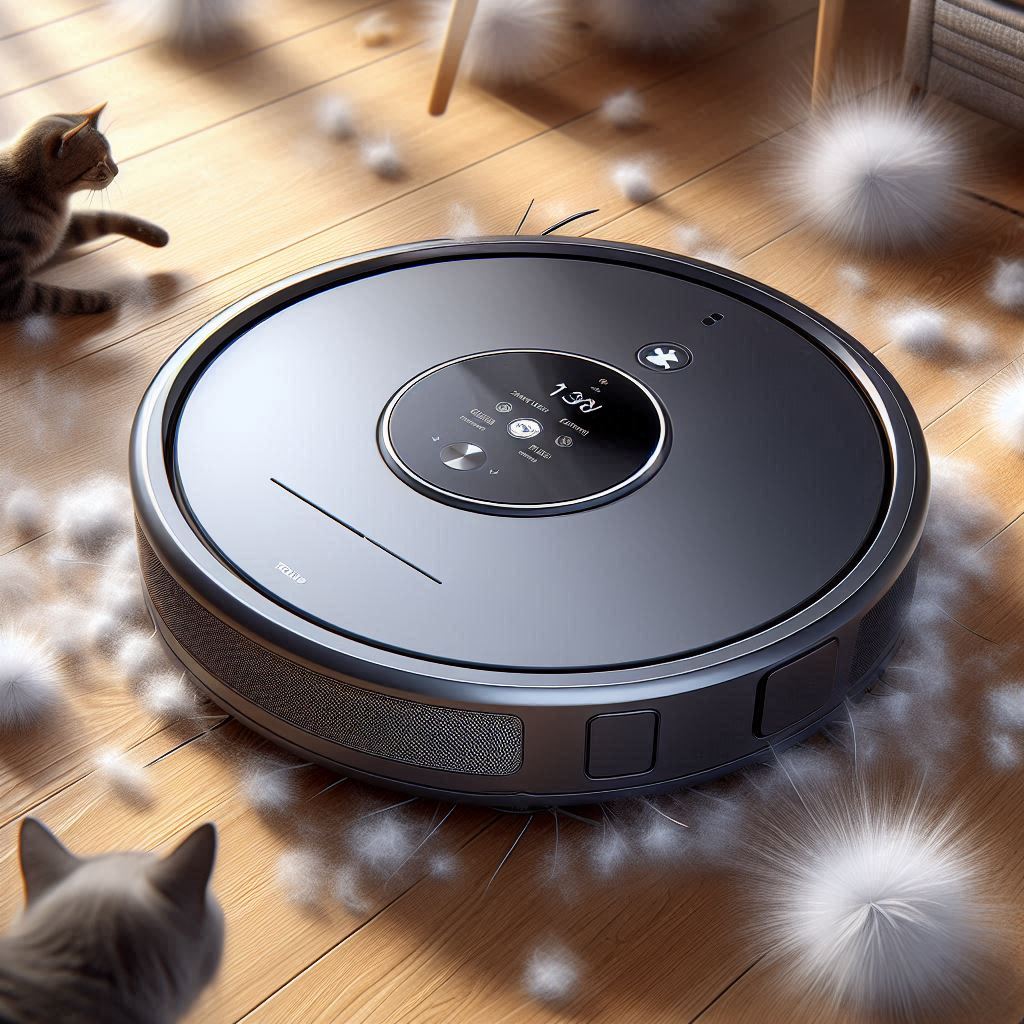
Pet hair isn’t like random dust. It affects robot sensors in three unique ways:
A. Hair is Fibrous
Fibers bridge across openings → sensors go blind.
B. Hair is Electrostatic
Static charge makes hair stick to plastics, lenses, and laser windows.
C. Dander + Micro Dust Layer
Pet dander forms a film reducing sensor transparency.
Laser-based sensors lose precision after just 4–7 days in high-shedding cat homes.
Breeds That Trigger Maximum Sensor Problems
Based on pet shedding physics:
Dog Breeds
Highest impact:
✔ Husky
✔ Golden Retriever
✔ German Shepherd
✔ Samoyed
✔ Border Collie
✔ Corgi
These breeds produce dense, fibrous, layered shedding.
Cat Breeds
Cat impact is different:
✔ Persian
✔ Ragdoll
✔ Maine Coon
✔ Siberian
Cat hair is thinner + lighter → sticks to sensors due to static + airborne movement.
Surfaces That Increase Sensor Abrasion and Hair Buildup
Worst for buildup:
hardwood
tile
marble
laminate
Why?
Hard surfaces allow hair to glide, not embed, so sensors suck it up easily.
Carpets reduce sensor contamination but increase roller workload.
Symptoms Owners Notice Before Robot Sensor Failure
Pet homes report:
✔ robot stops more often
✔ random beeping
✔ navigation errors
✔ edge avoidance
✔ refusing to clean dark carpets
✔ falling for “fake cliffs”
✔ bumper stuck in one direction
✔ asking for cleaning more frequently
Eventually the robot enters safe mode shutdown, especially for cliff sensors.
Cheap Robots Suffer the Most Here’s Why
Budget robots (<$250) lack:
× sealed sensor windows
× anti-static bodies
× hair shields
× self-calibration
× redundant sensor systems
They rely on single-sensor confidence, so one sensor failure = full stop.
Premium models have multi-sensor fusion, allowing:
✔ fallback
✔ recalibration
✔ route estimation
Result: far fewer hair-related shutdowns.
Technologies That Reduce Sensor Errors (2026 Update)
Modern solutions now exist:
✔ Self-Cleaning Sensor Windows
Some flagship models blow air across sensors.
✔ Hair Shielding Rings on Wheels
Prevents wheel hall sensor failures.
✔ LiDAR Domes
Protect lasers from hair contamination.
✔ AI-based Estimation
Robot navigates even when a sensor is momentarily blocked.
✔ Pet Mode Routines
Slower approach speeds reduce hair turbulence near sensors.
Amazon Buyer Guide Best Robots for Pet Sensor Reliability (2026)
Instead of naming brands randomly, we categorize like an affiliate pro:
Best Overall for Heavy Shedding Homes
Roborock S8 Pro Ultra
Strengths:
✔ LiDAR dome protection
✔ Self-cleaning dock
✔ Anti-static chassis
✔ Wheel tangle prevention
✔ Multi-sensor fallback
Ideal for:
Husky & Retriever homes
Multi-cat apartments
Best for Cats with Fine Hair
Dreame L10s Ultra
Fine cat hair tends to blind sensors — this robot manages well.
Best Anti-Tangle Brush System
Shark AI Ultra
Zero-wrap system prevents wheel + roller stalls that feed into sensor errors.
Best Budget Under $300
Eufy G40 Series
Lacks LiDAR but does well in low-dander spaces.
Best Brushless Design for Dander
Lefant M210 Pro
No roller = minimal sensor contamination.
Should You Upgrade or Just Maintain?
Depends on home type:
Upgrade if:
✔ shedding is heavy
✔ carpets + hardwood mix
✔ multiple pets
✔ robot errors daily
Maintain if:
✔ single cat or hypoallergenic dog
✔ mostly flats and tiles
✔ shedding minimal
✔ robot errors monthly
Maintenance Routine for Zero Sensor Errors
Here’s a real-world maintenance schedule for pet owners:
Daily
→ remove fur from wheels + bumper gaps
Every 2–3 days
→ wipe LiDAR dome + obstacle sensors
Weekly
→ clean dander around cliff sensors
Monthly
→ deep clean side brush + roller bearings
Every 6 months
→ replace filters (mandatory for dander)
Sensor errors in robot vacuums are not defects. They are environmental conflicts, especially in multi-pet homes. Modern robots can handle pet hair, but only if:
✔ sensors are protected
✔ rollers don’t tangle
✔ wheels maintain traction
✔ mapping isn’t blinded
For pet owners, the new buying rule for 2026 is:
Don’t buy a robot that isn’t designed for pet environments.
Otherwise you’ll spend more time rescuing the robot than enjoying hands-free cleaning.

Related Posts