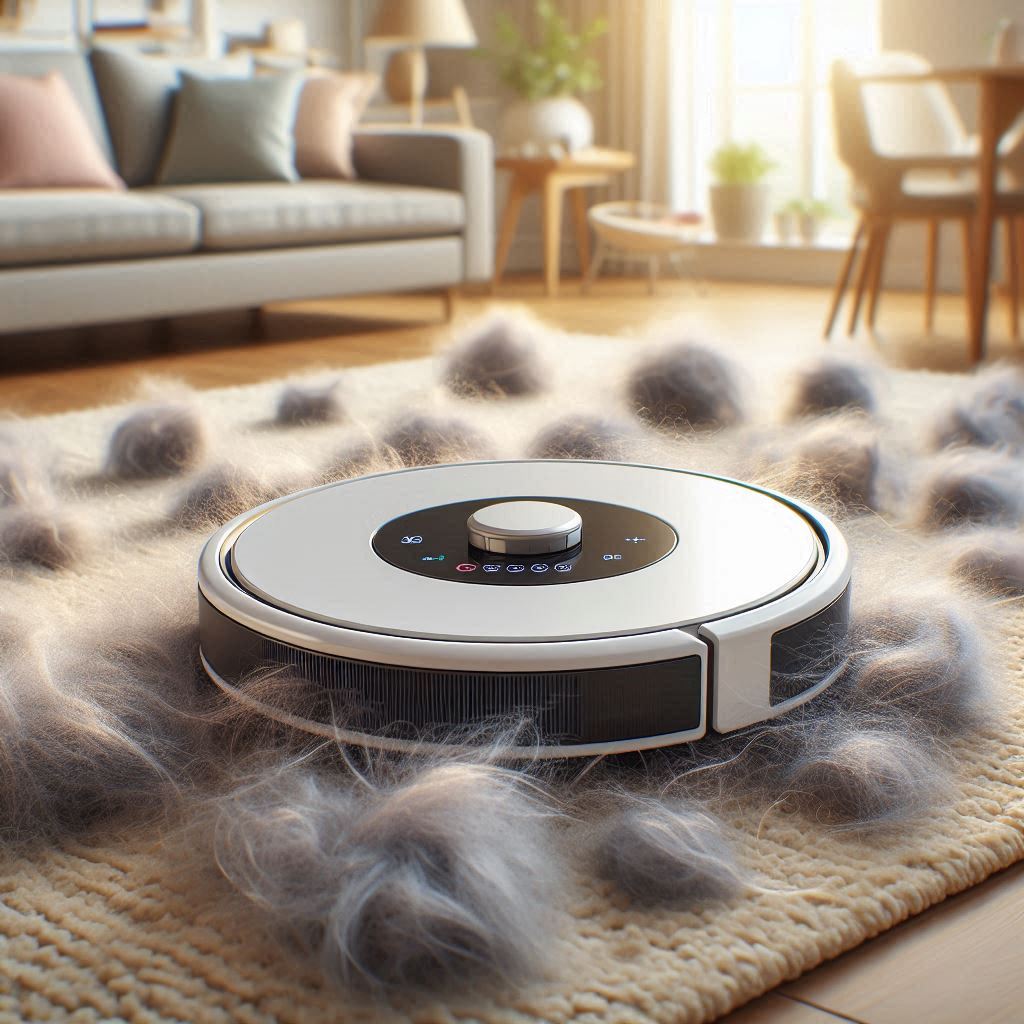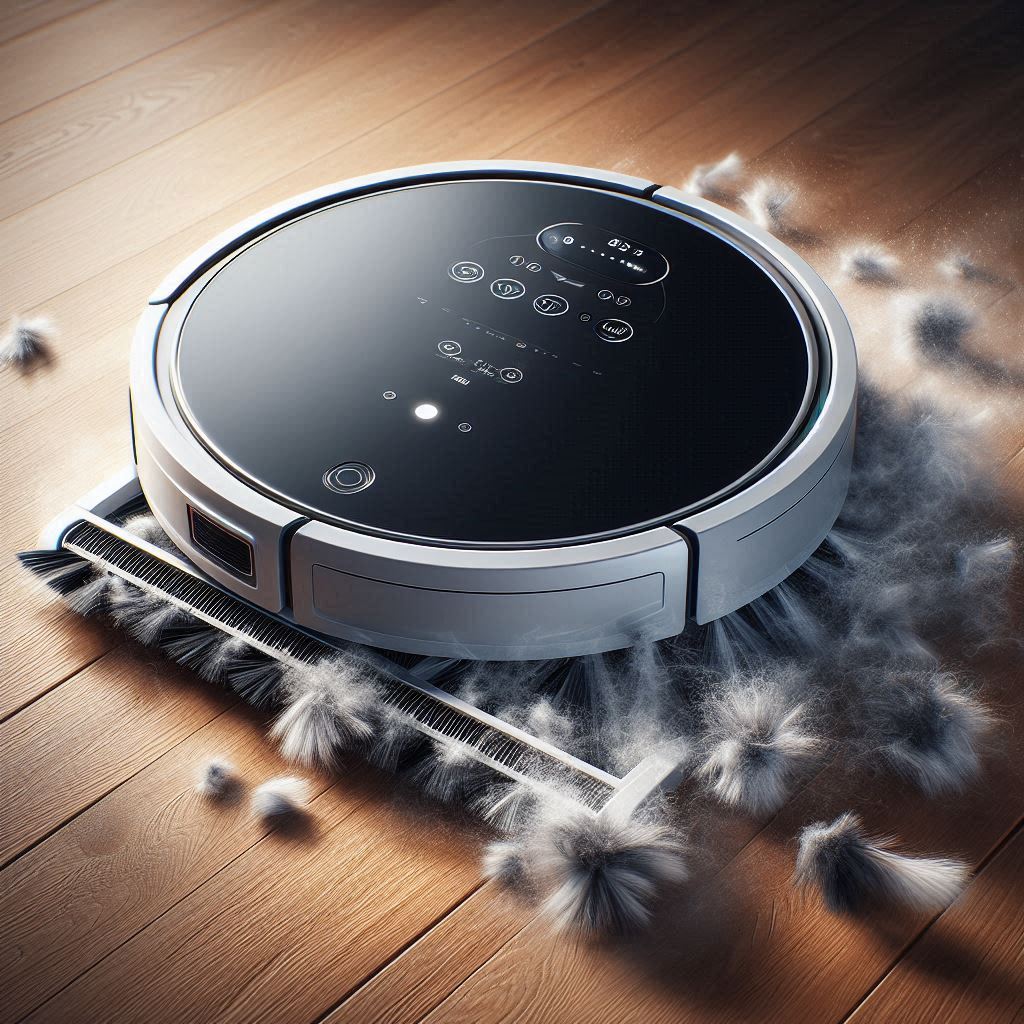
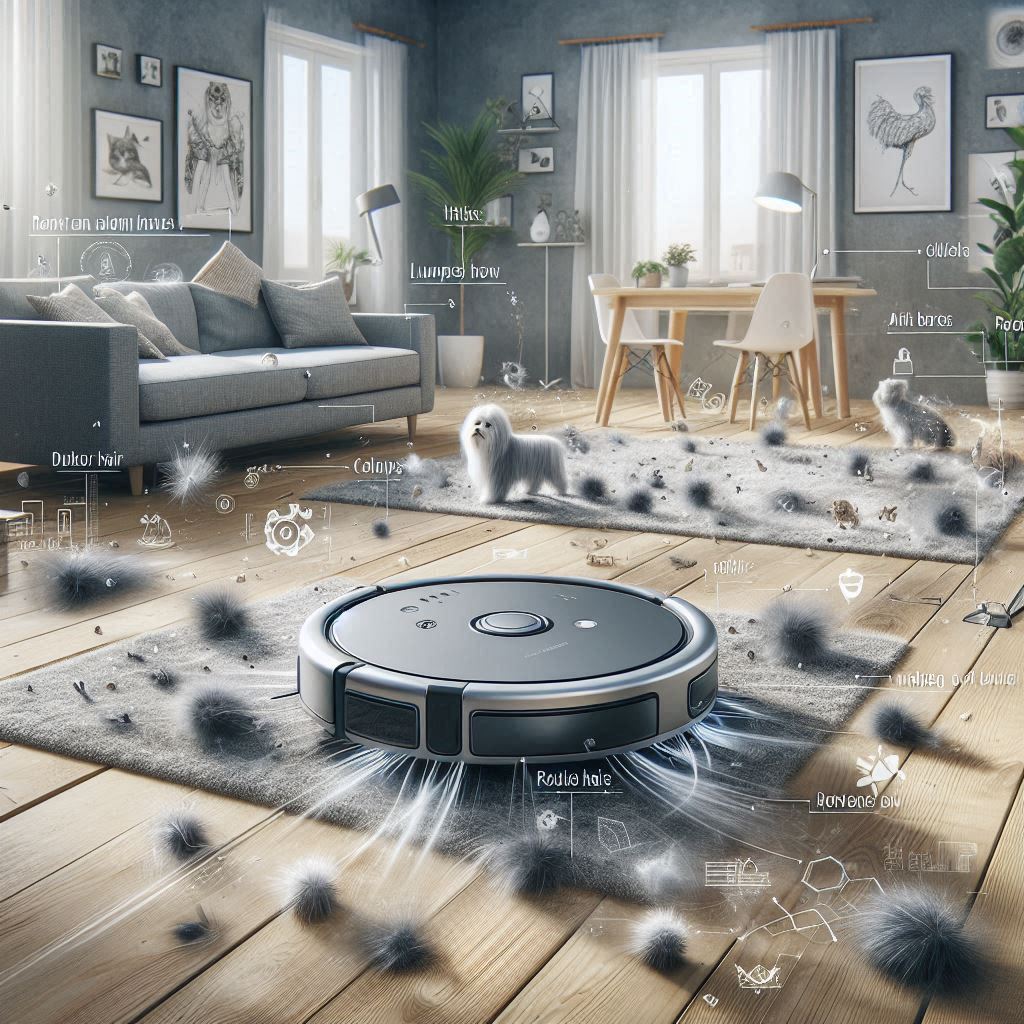
Pet hair management is already a challenge, but for robot vacuums, one of the most problematic issues is hair clumping. When pet hair mixes with dust, dander, fibers, and debris, it forms clumps that are heavier, stickier, and harder to suction than loose individual strands. This detailed guide explains the causes, consequences, preventive strategies, and top recommended robot vacuums to tackle pet hair clumping issues inside modern homes.
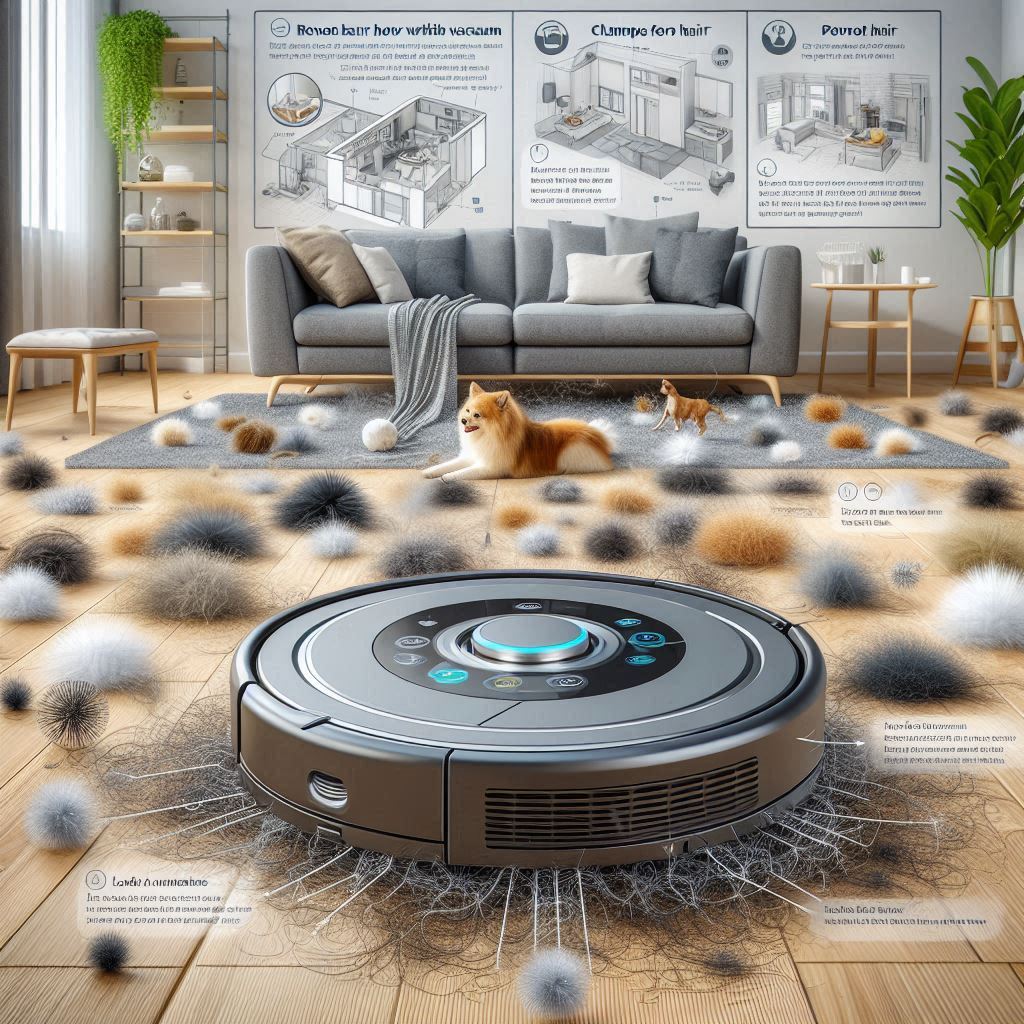
1. What is the Pet Hair Clumping Issue?
- Definition: Clumping occurs when pet hair accumulates in clumps instead of loose strands.
- Cleaning Difficulty: Clumped hair becomes denser and harder for robot vacuums to lift into the dustbin.
- Location Specific: Clumping commonly happens in corners, under beds, along baseboards, on carpets, and near furniture legs.
- Robot Impact: Hair clumping affects suction, filtration, brush rotation, and dustbin capacity.
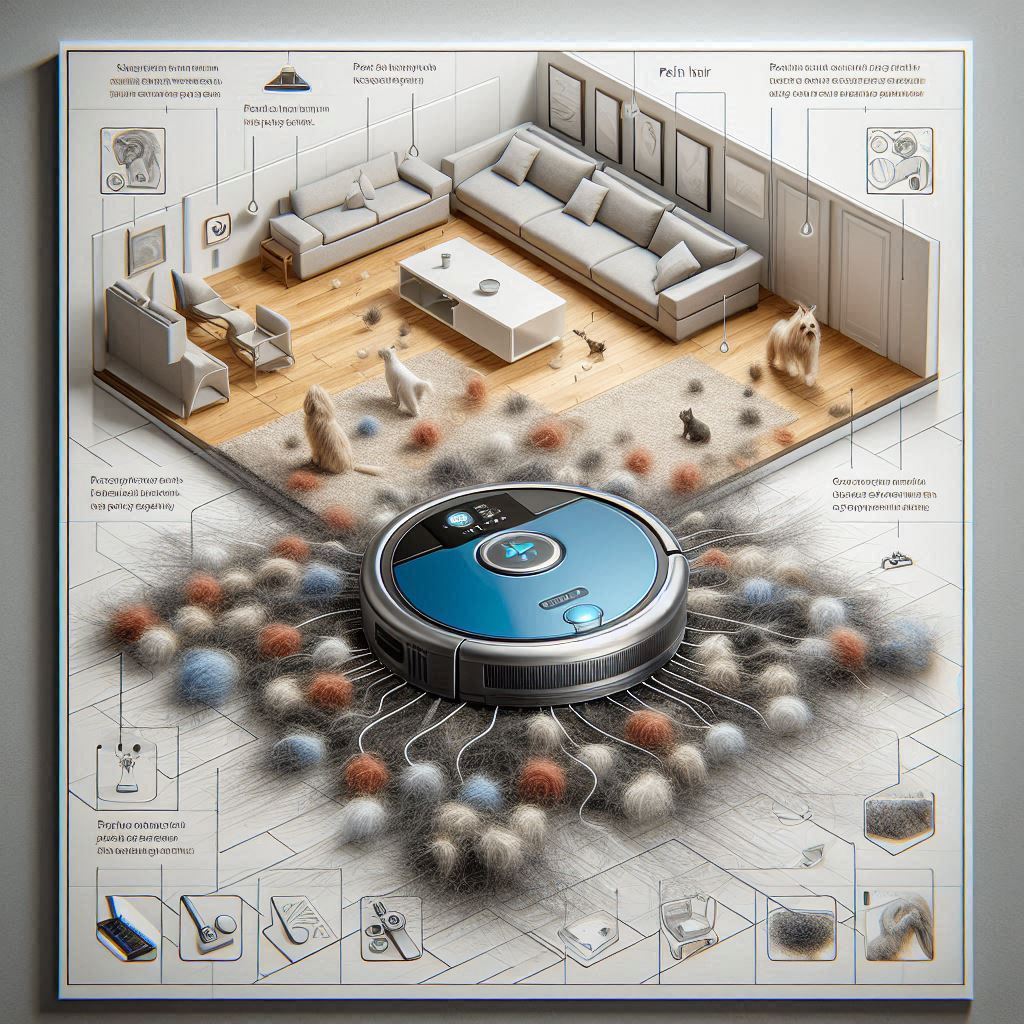
2. Why Pet Hair Forms Clumps Indoors
Several factors contribute to clumping:
a) Shedding Volume
Pets shed heavily during seasonal transitions, increasing loose hair indoors.
b) Static Charges
Carpets and low humidity environments cause static, helping hair gather into clumps.
c) Airflow Disturbance
Fans, AC units, and human activity push hair into corner traps where clumps form.
d) Household Debris
Pet hair mixes with dust, lint, food crumbs, and fibers, producing heavy clumps.
e) Multiple Pets
Homes with multiple shedding animals accelerate clump formation dramatically.
3. Why Robot Vacuums Struggle With Hair Clumps
Robot vacuums are efficient with loose hair, but clumps introduce unique challenges:
- Insufficient Suction for dense clumps in carpets or corners
- Brush Clogging as clumps wrap around rotating components
- Bin Overfilling faster due to bulky clump volume
- Airflow Blockage impacting suction consistency
- Edge Cleaning Failure as clumps stick along walls
- Navigation Delays if sensors detect hair as debris obstacles
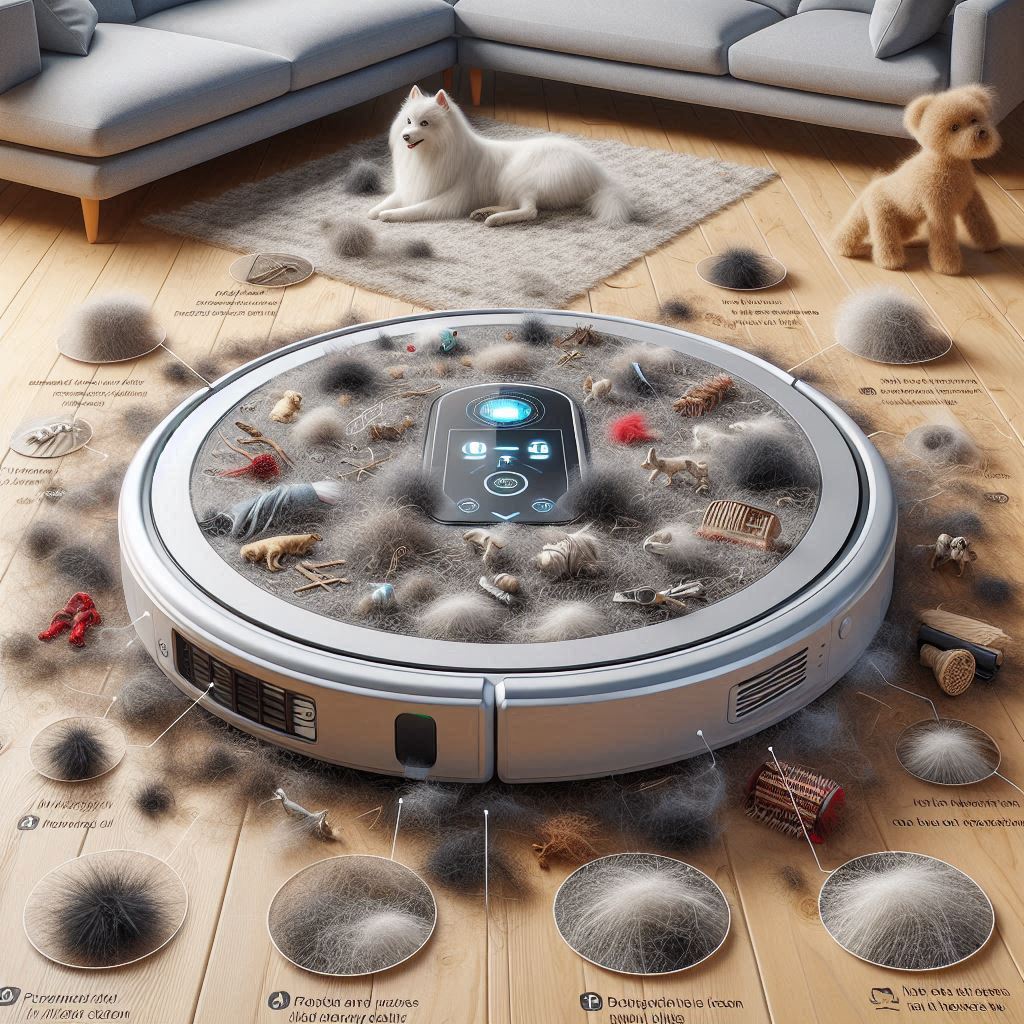
4. Key Areas Where Clumps Accumulate
The following zones are notorious for clumped pet hair:
- Corners & 90° wall edges
- Under beds and low furniture
- Carpet edges & transitions
- Sofa bases & living room seating zones
- Entryways where pets spend more time
- Hallways and choke points
Robot vacuums need robust navigation & mapping to handle these high-traffic areas effectively.
5. Consequences of Hair Clumping for Robot Vacuums
a) Reduced Cleaning Efficiency
Robot vacuums may leave clumps behind, requiring manual cleanup.
b) Brush Tangles
Clumps wrap tightly around rollers and side brushes, stalling the brush motor.
c) Dustbin Overflow
Clumps compress poorly, filling dustbins faster and reducing cleaning coverage.
d) Suction Loss
Airflow gets blocked inside the vacuum system, impacting filtration and power.
e) Allergens & Smell
Clumped hair traps dander, moisture, and bacteria, causing musty odors and allergy triggers.
6. Features That Improve Clump Handling
When searching for a robot vacuum optimized for pet hair clumps, consider these features:
a) High Suction Power (2000–6000 Pa)
Strong suction lifts dense clumps off carpets and floors.
b) Rubberized Brush Rollers
Better than bristle brushes, rubber prevents hair entangling and resists clumping.
c) Wide Dustbin or Self-Emptying Base
Clumping increases debris volume, so larger capacity means fewer emptying trips.
d) Edge Cleaning Mode
Helps with corner-based clump extraction.
e) Smart Mapping + LIDAR
Ensures complete coverage without missed clump zones.
f) HEPA Filtration
Prevents dander circulation and improves air quality, especially useful for allergic households.
7. Maintenance Solutions to Combat Hair Clumping
To keep robot vacuums performing at peak capability:
- Clean rollers after every 1–2 runs
- Empty dustbin before it reaches full capacity
- Use airflow-safe filter brushes for HEPA maintenance
- Trim long pet hair during grooming
- Use multiple daily runs during shedding seasons
- Rotate rubber brush rollers every 3–6 months
- Check for hair near sensors and wheels
8. Best Practices for Multi-Pet Homes
Homes with more than one pet require additional strategy:
- Schedule twice-daily cleaning cycles
- Use grooming tools to capture hair before it reaches floors
- Apply zoned cleaning for heavy traffic rooms
- Consider self-emptying models to reduce manual work
- Select vacuums with anti-tangle engineering
9. Top Robot Vacuum Recommendations for Clumped Hair
Here are models that perform exceptionally well against hair clumping:
1. Roborock S8 Pro Ultra
Best for: Multi-pet households + thick carpets
- Strong suction (5100 Pa) removes dense clumps
- Rubber dual rollers resist tangling
- Edge mode helps with corner clumps
- Auto dust emptying reduces manual intervention
2. iRobot Roomba j7+ with Clean Base
Best for: All floor types + clump-prone homes
- Dual rubber roller design reduces hair wrapping
- Smart navigation avoids leaving clumps behind
- Clean Base automatically handles dustbin disposal
3. Shark AI Ultra Robot Self-Empty
Best for: Budget-friendly clump removal
- Good suction for heavy hair patches
- Anti-wrap roller works well on carpets
- Ideal for medium shedding pets
4. Eufy X8 Hybrid
Best for: Slim furniture and corner clumps
- AI obstacle detection
- Dual turbines for hair suction
- Slim design goes under beds & couches
10. Benefits of Solving the Hair Clumping Issue
Addressing clumping leads to:
- Cleaner carpets & corners
- Improved robot lifespan
- Reduced allergic reactions from dander
- Fewer brush replacements
- Lower time spent on manual cleaning
- Reduced odor buildup on flooring
- More efficient home hair management overall
Pet hair clumping is a serious challenge for robot vacuums, especially in homes with heavy shedders or multiple pets. Clumps overwhelm dustbins, block suction, tangle brushes, and create dirty corners that robots struggle to manage. However, with:
- High suction models
- Rubber roller technology
- Self-emptying bins
- Smart mapping
- Regular maintenance
- Grooming strategies
…this issue can be effectively controlled.
Key Takeaway:
Investing in a robot vacuum designed for pet households dramatically reduces manual cleanup, enhances air quality, and keeps floors consistently hair-free—even during shedding season.
Pro Tip for Pet Owners
During peak shedding months, run your robot vacuum twice daily and pair it with grooming tools such as deshedding brushes to prevent clump formation at the source.

Related Posts