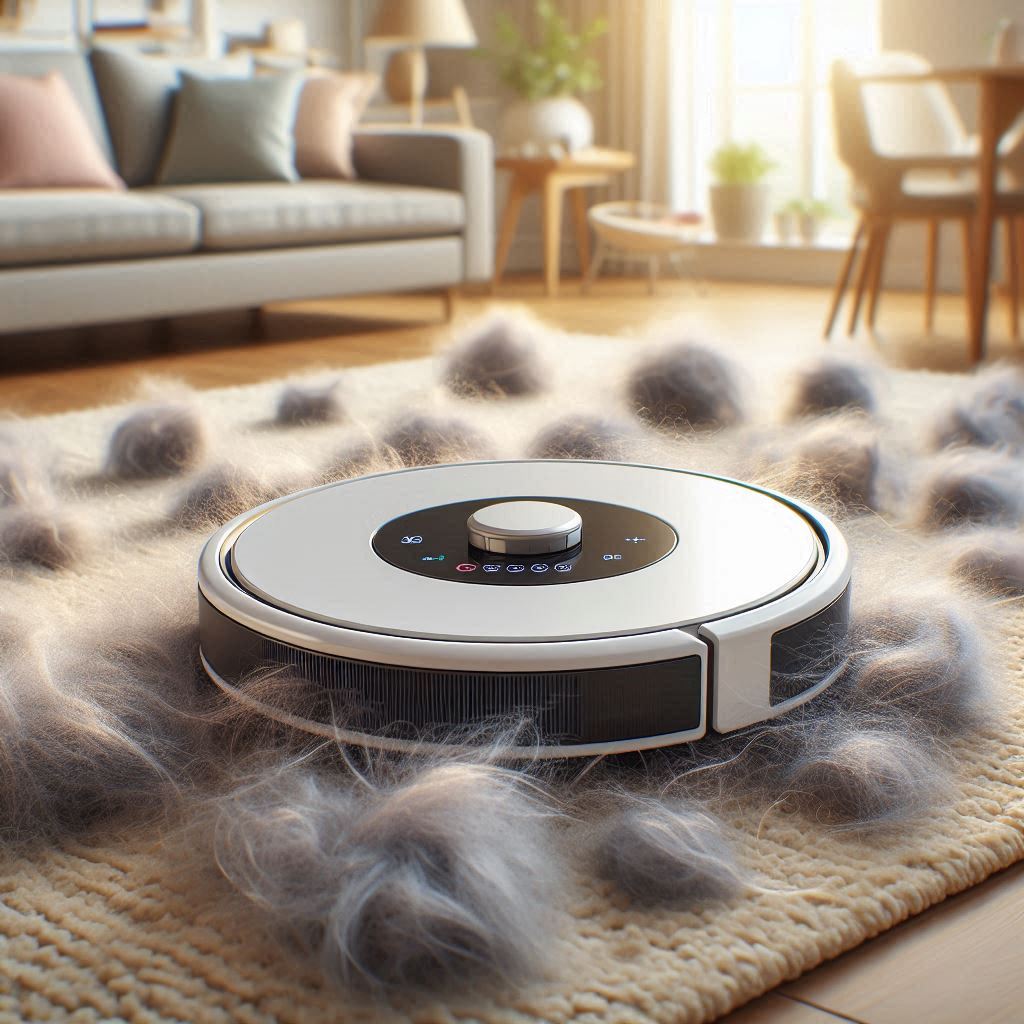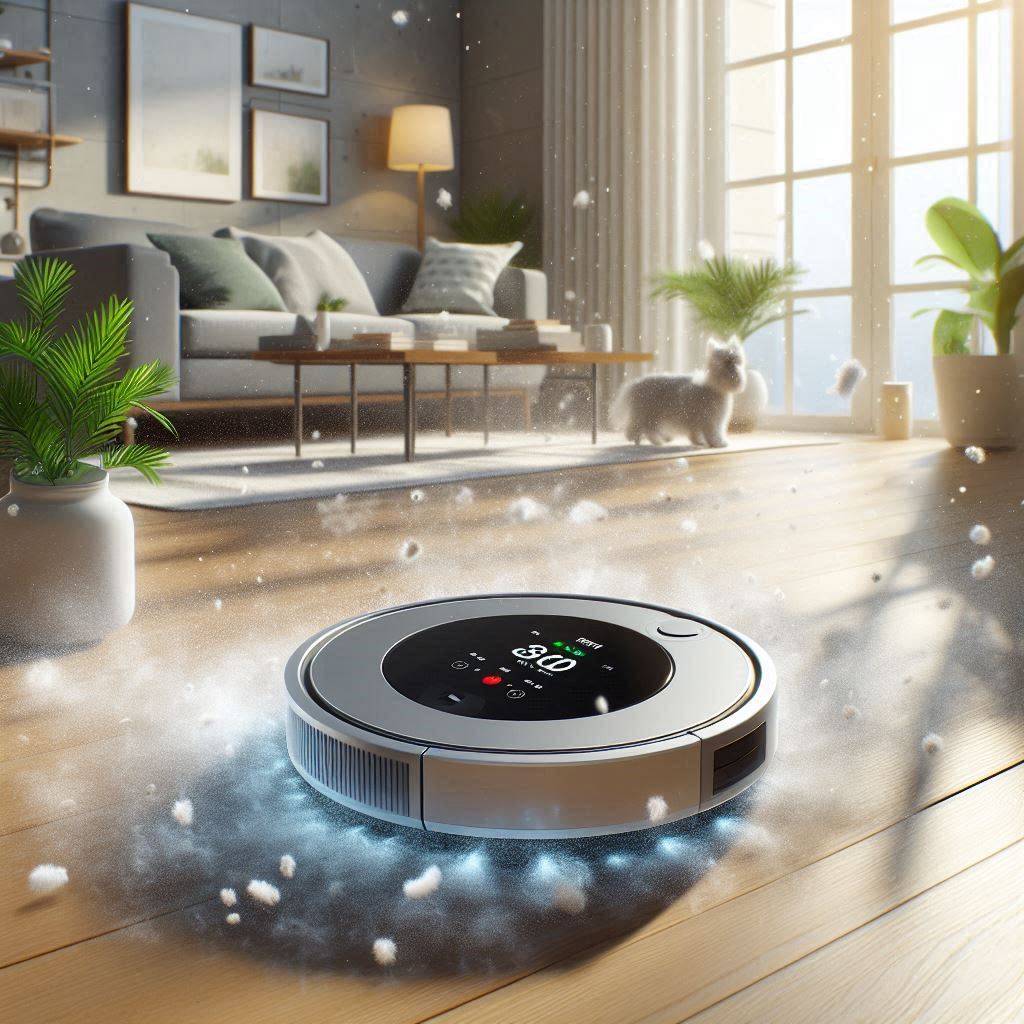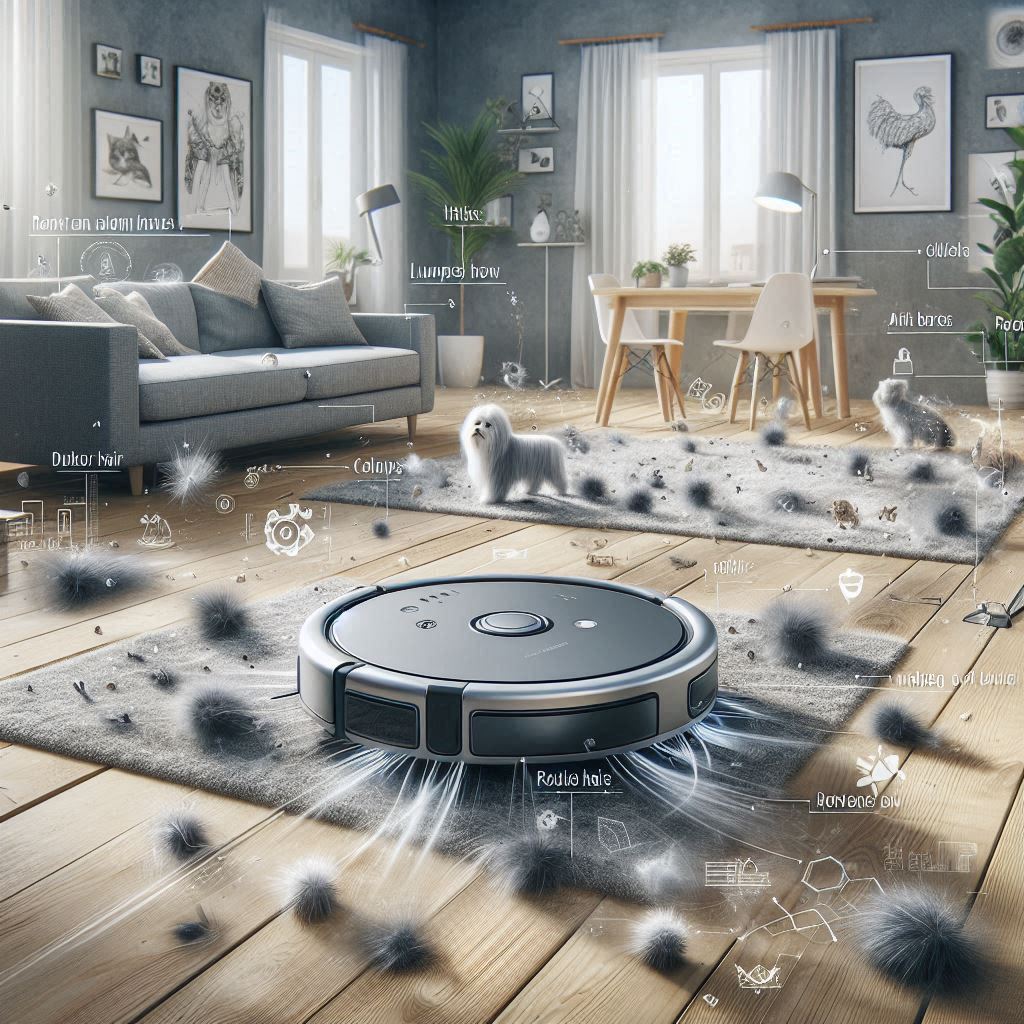
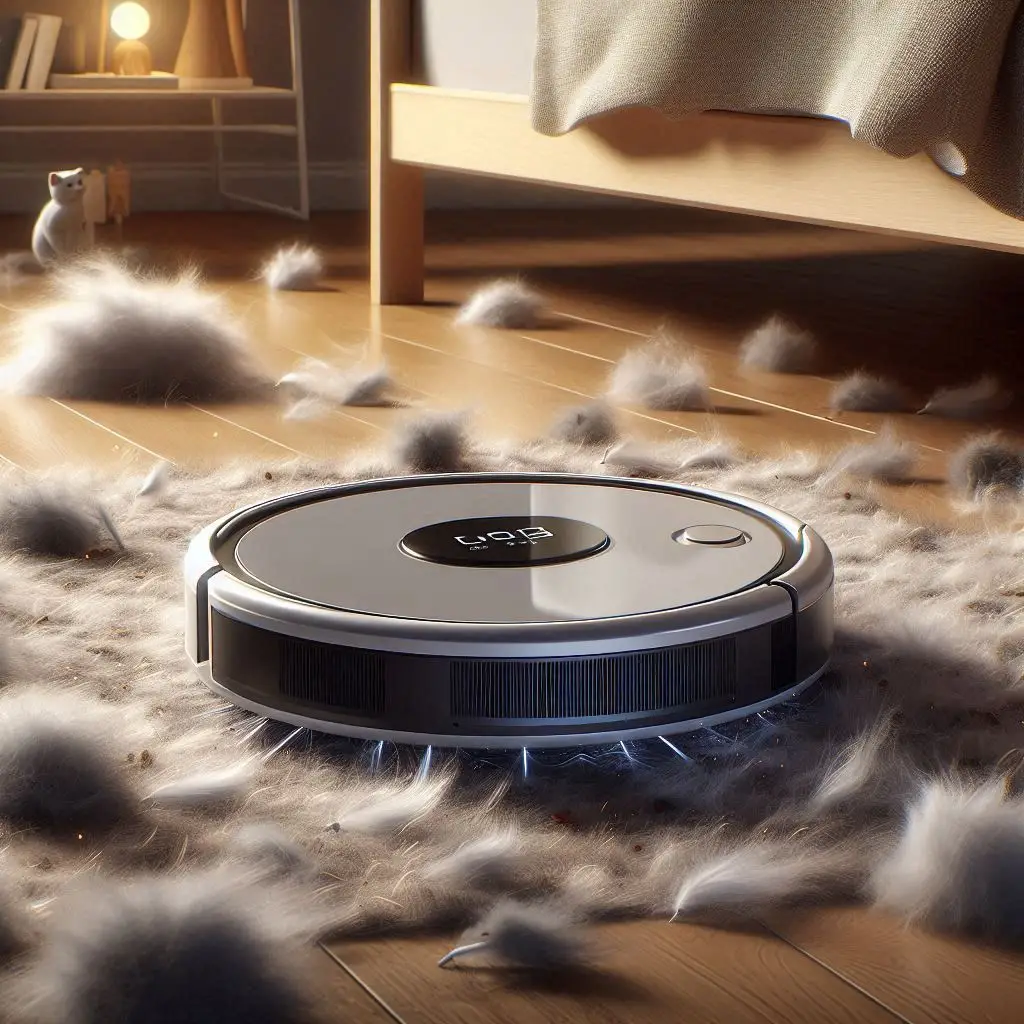
One of the most frustrating problems pet owners face with robot vacuums is incomplete cleaning along walls. Even the most advanced models can leave a trail of pet hair, dust, and dander right where the wall meets the floor. This issue, often called “wall failure” or “edge cleaning failure,” significantly reduces overall cleaning performance and can undermine the investment in a high-end robot vacuum. In this guide, we explore why this happens, what features to look for, practical solutions, and Amazon buying advice for 2026.
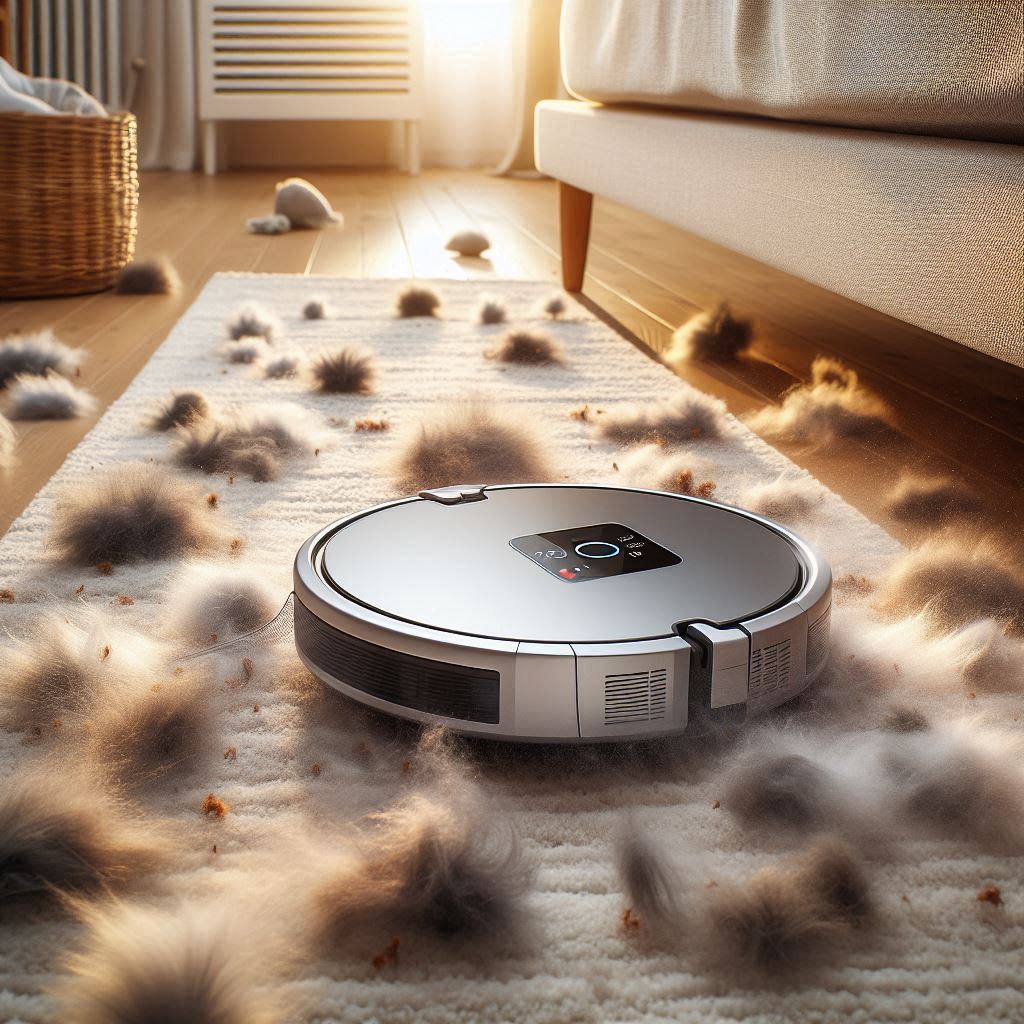
Why Robot Vacuums Fail to Clean Pet Hair Along Walls
Pet hair tends to accumulate along baseboards and corners, but robot vacuums often struggle to pick it up for several reasons:
1. Side Brush Design Limitations
Side brushes sweep hair and debris toward the main roller brush. If the brush is too short, too soft, or poorly positioned, pet hair remains stuck along the wall. Long pet hair often tangles or slides away from the suction path.
2. Suction Placement
Many robots have the main suction channel centered under the body. Pet hair pushed to the side may never reach the suction intake, leaving strands along walls or corners.
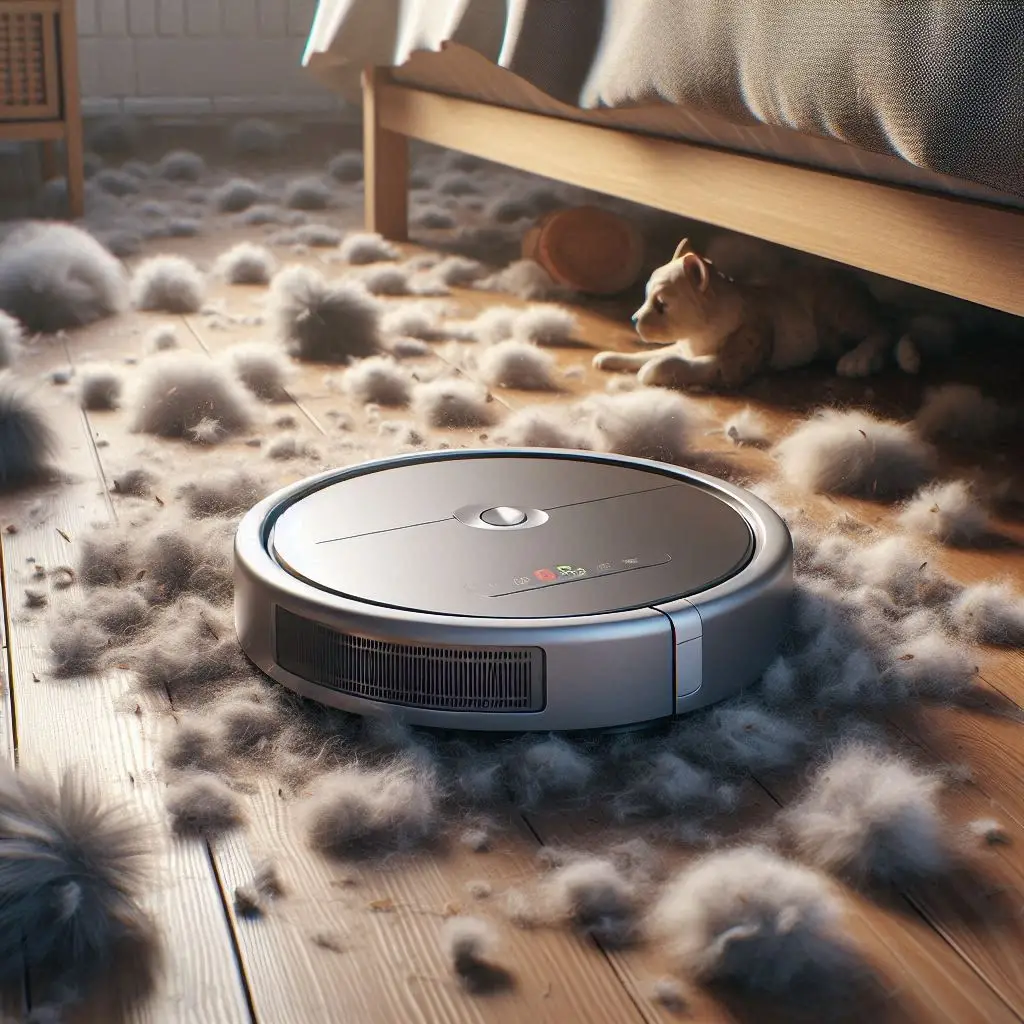
3. Navigation and Sensor Errors
Some robots avoid walls based on infrared or LIDAR readings to prevent collision. This often creates a small gap between the wall and the robot’s path, leaving debris untouched.
4. Floor Type and Surface Texture
Hardwood, tile, or uneven grout lines can allow hair to hide in gaps along the wall, making it difficult for side brushes to reach. Carpets with thick edges also trap hair along baseboards.
Features That Improve Wall and Edge Cleaning for Pet Hair
Low-Profile Side Brushes
Thin, flexible side brushes sweep hair efficiently along walls without pushing it away. Multi-pronged brushes cover more surface area in a single pass.
Adjustable Side Brush Speed
Higher-speed side brushes can move more pet hair toward the main suction, especially on hard surfaces.
Edge Detection Navigation
Robots with LIDAR or camera-based edge detection navigate closer to walls while avoiding collisions, ensuring minimal gaps and better cleaning coverage.
Anti-Tangle Brush Systems
Long pet hair can wrap around bristle brushes. Rubberized or anti-tangle brushes reduce hair buildup and maintain performance along walls.
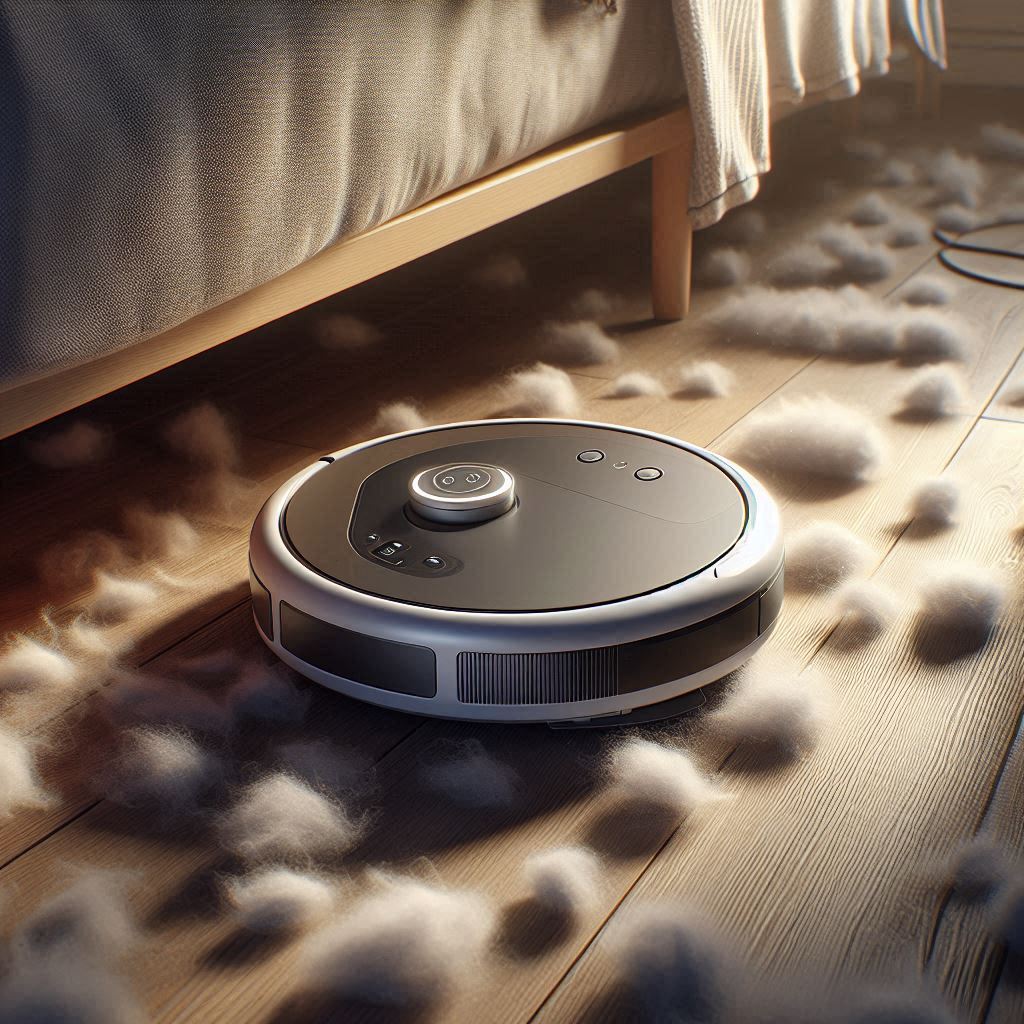
Strong Suction Power
High suction ensures pet hair pushed by side brushes is picked up immediately, preventing hair from remaining along the wall.
Common Problems Pet Owners Face with Wall Cleaning
Hair Trails Along Baseboards
Even after multiple passes, visible hair trails remain. This is common with long-haired dogs or cats.
Corners Left Untouched
Robot vacuums struggle with 90-degree corners where walls meet, leaving pet hair accumulations.
Overlapping Cleaning Cycles Not Enough
Repetition does not always solve wall failure. If the brush and suction design are inadequate, multiple passes still leave debris.
Battery Drain During Edge Cleaning
Edge cleaning can increase suction requirements, consuming battery faster. Some robots slow down along walls, resulting in incomplete hair collection.
Tips to Optimize Wall and Edge Cleaning for Pet Hair
1. Use High-Speed or Maximum Suction Mode Near Walls
Increasing suction helps pick up embedded hair pushed by side brushes.
2. Schedule Multiple Passes Along Edges
Many robots allow edge cleaning cycles. Scheduling these specifically for pet hair-heavy rooms ensures better coverage.
3. Keep Side Brushes Clean
Hair wrapping around side brushes reduces their ability to sweep effectively. Check and clean brushes frequently.
4. Declutter Baseboards and Corners
Remove cables, small furniture legs, or obstacles that block the robot from getting close to walls.
5. Consider Anti-Tangle Brushes
Models with rubber or silicone brushes maintain consistent hair pickup without tangling.
Amazon Features to Look For in 2026 Pet-Friendly Robots
- Edge Cleaning or Wall Follow Mode: Robots that allow dedicated wall cleaning cycles.
- Multi-Pronged Side Brushes: Better coverage for long pet hair.
- High Suction with Adjustable Levels: Ensures hair is picked up even along walls.
- HEPA Filtration: Traps allergens displaced from wall areas.
- Navigation Intelligence: LIDAR, camera, or gyroscopic navigation ensures consistent wall approach.
- Anti-Tangle Brush Design: Reduces hair wrapping and maintains performance.
Maintenance Advice for Wall Cleaning Efficiency
- Brush and Roller Maintenance: Remove hair from side and main brushes every 2–3 cleaning cycles.
- Filter Replacement: Pet hair along walls often contains dander and dust; HEPA filters should be replaced every 6–8 weeks in heavy shedding homes.
- Dust Bin Management: Edge cleaning generates concentrated debris. Empty bins more frequently to maintain suction performance.
- Sensor Cleaning: Dust on IR or optical sensors may cause the robot to avoid walls unintentionally. Clean sensors regularly.
Challenges and Limitations Even With the Best Robots
- Robots may still leave small gaps along walls if the floor is irregular or the brush design does not reach fully.
- Heavy mats of hair at wall edges may require occasional manual attention.
- Furniture placement can limit access to some walls or corners.
- Multi-pet households with thick shedding cycles will always need more frequent maintenance.
Top Robot Vacuums for Wall Cleaning and Pet Hair in 2026
iRobot Roomba j7+ – Advanced wall-following, anti-tangle brushes, HEPA filtration, excellent for edge cleaning.
Roborock S8 Pro Ultra – Ultra-low profile, multi-pronged side brushes, powerful suction, smart edge navigation.
Ecovacs Deebot T10 Omni – Laser navigation, dedicated edge cleaning mode, rubber side brushes.
Neabot NoMo Q11 – Low-clearance design, strong suction, HEPA filter, edge mapping for wall hair pickup.
Amazon Buying Tip: Check clearance, brush type, suction power, and edge-cleaning mode specifications before purchase. Multi-pack replacement filters and side brushes are recommended for heavy shedding pets.
Wall cleaning failure is one of the most common pain points for pet owners using robot vacuums. Pet hair naturally accumulates along baseboards, corners, and edges, and not all robots can handle it effectively. Choosing a model with low-profile design, high suction, anti-tangle brushes, HEPA filtration, and intelligent navigation ensures better wall cleaning. Frequent maintenance of brushes and filters further maximizes performance. For homes with shedding dogs or cats, selecting the right robot vacuum prevents unsightly hair trails along walls, improves indoor air quality, and reduces allergy triggers.
With proper selection, scheduling, and maintenance, under-wall and edge cleaning becomes a manageable task, leaving floors consistently pet hair-free without manual intervention. Investing in a robot optimized for pet hair and edge cleaning is a practical solution for modern pet households.

Related Posts