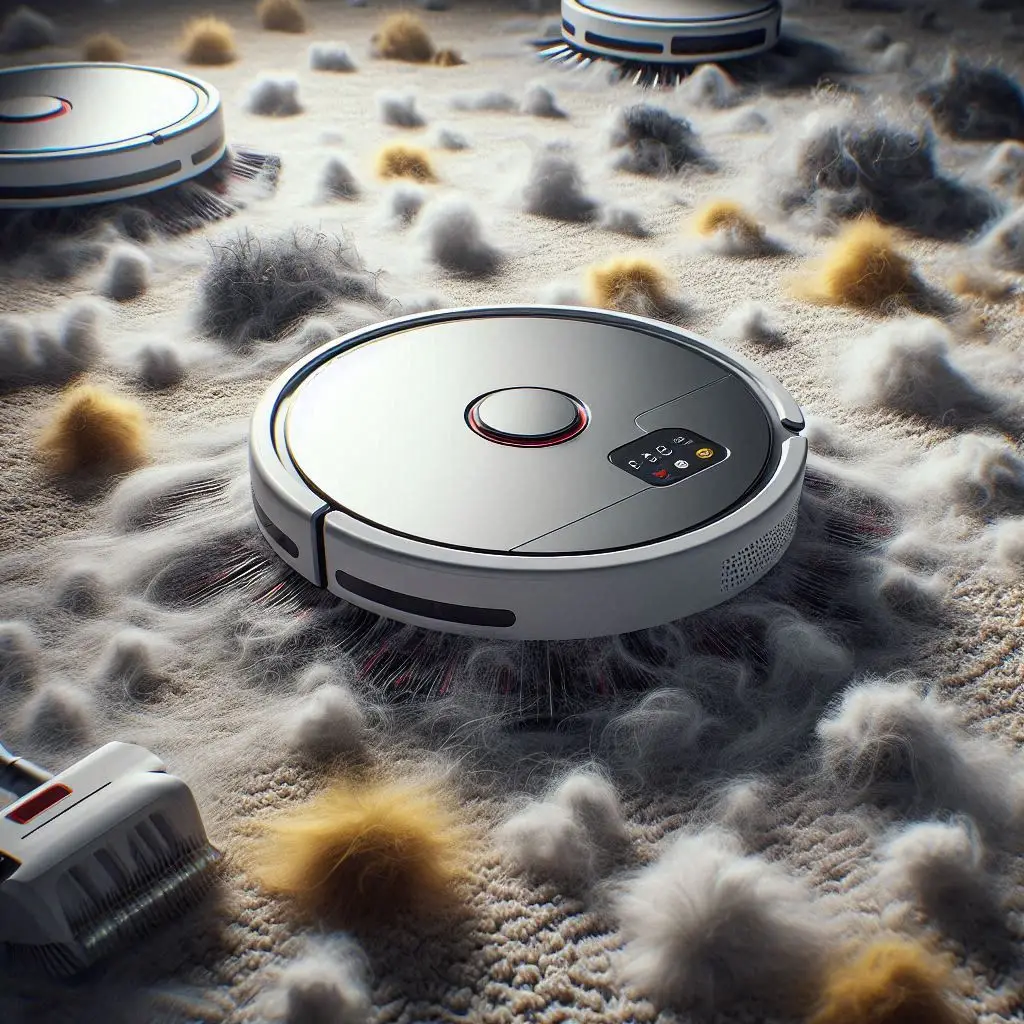
For pet owners, robot vacuums are a dream come true automatically cleaning fur while you focus on other tasks. But what happens when your smart vacuum starts overheating after just a short run? One common culprit is pet hair, which can clog brushes, reduce airflow, and put unnecessary strain on the motor. In this article, we’ll explore why robot vacuums overheat from pet hair, how to prevent it, and the top models designed to handle heavy shedding without issues.
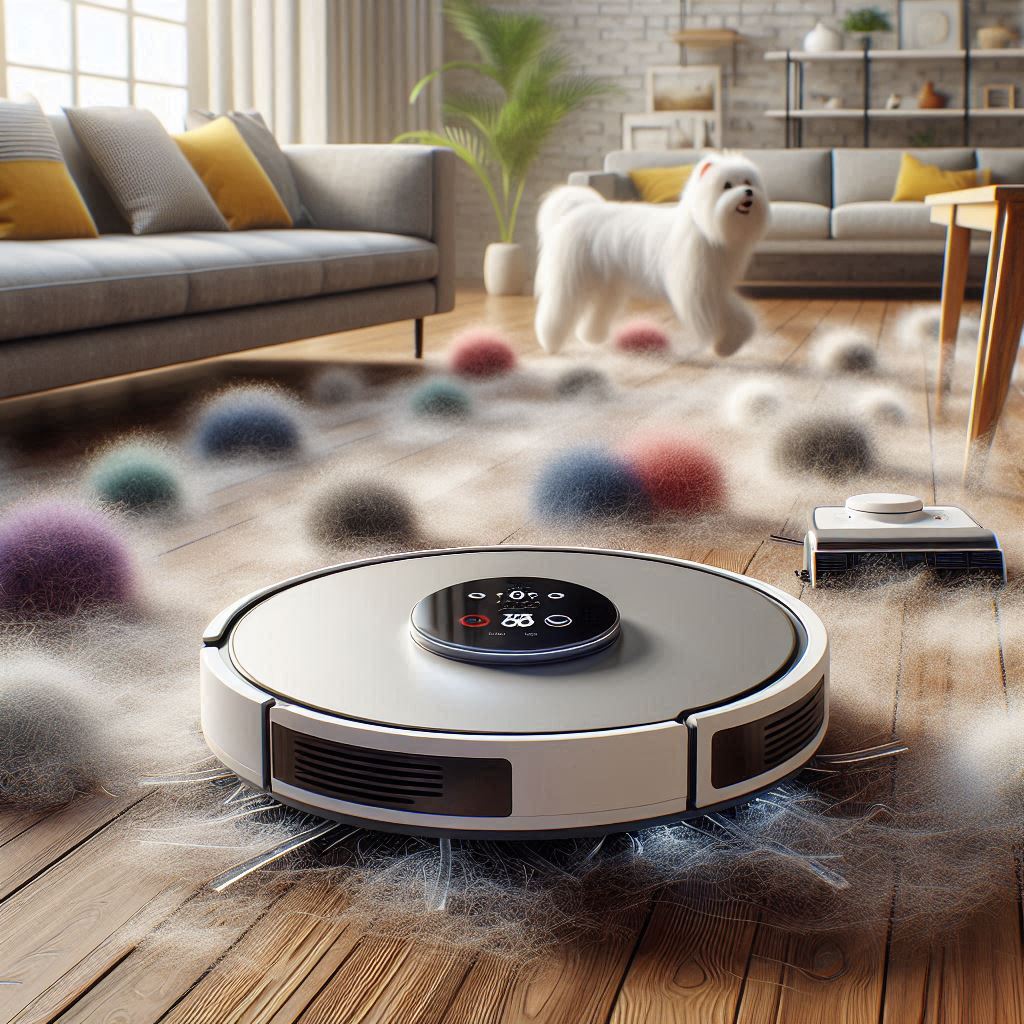
Why Robot Vacuums Overheat from Pet Hair
Overheating is usually a sign that your vacuum is struggling. Here are the main reasons pet hair can cause this problem:
1. Clogged Brushes
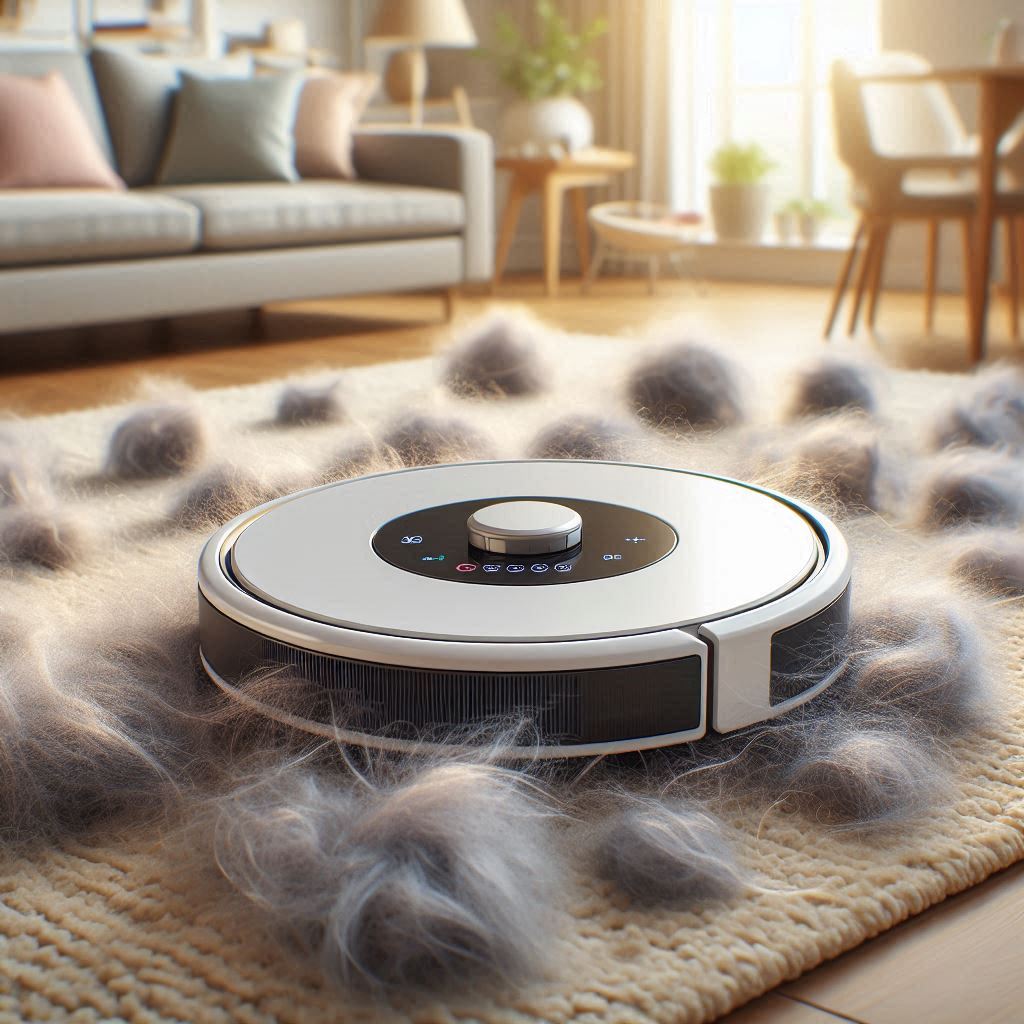
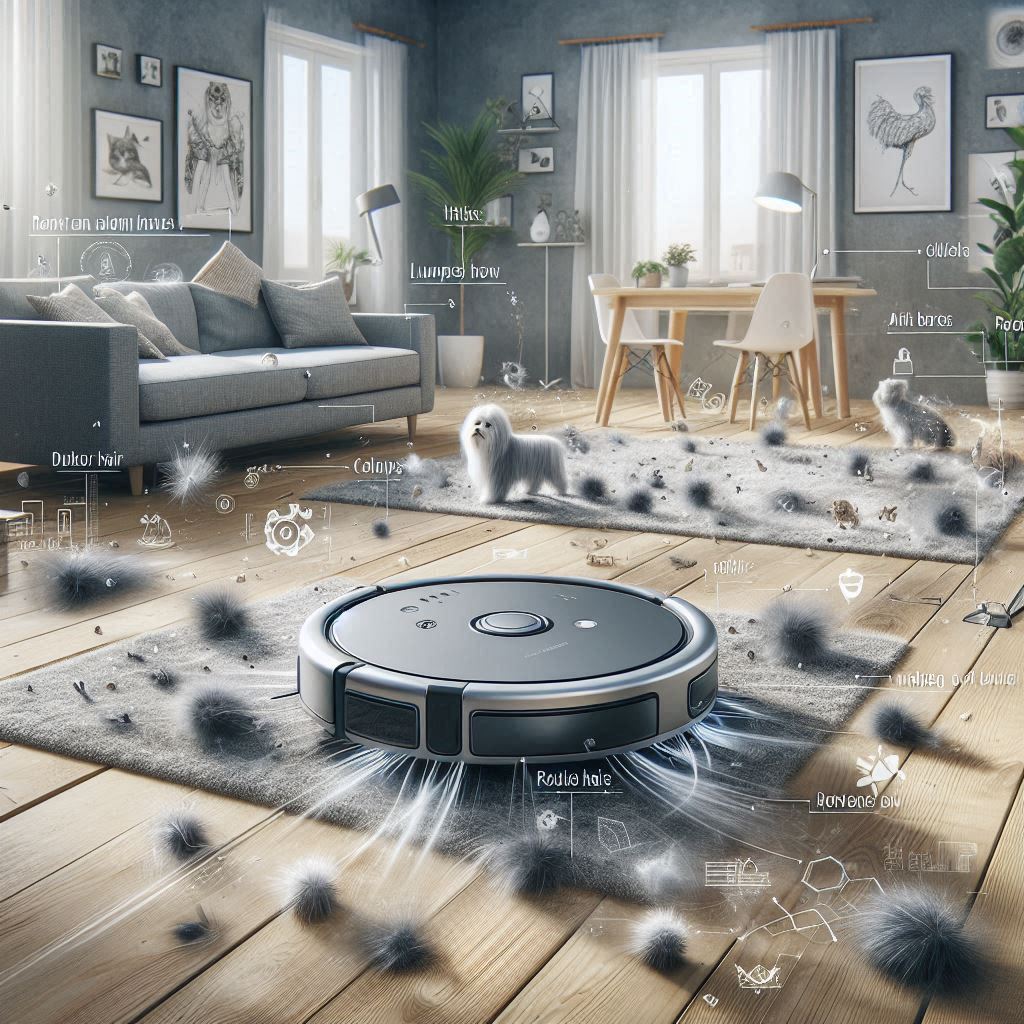
Pet hair, especially long or thick strands, tends to wrap around the main brush or side brushes. This restricts brush rotation and increases motor workload. When the motor works harder to turn a blocked brush, it generates excessive heat, leading to overheating.
2. Blocked Airflow
The dust bin, filters, and air pathways are designed to move debris efficiently. When pet hair clogs these areas, suction drops, and the motor compensates by running harder. The result? A rapid temperature increase and potential shutdowns to prevent damage.
3. Small Dust Bins
Most standard robot vacuums have dust bins under 0.5L. Pet hair fills these bins quickly, reducing airflow. Once airflow is restricted, the vacuum struggles to maintain suction, causing the motor to overheat.
4. Thick Carpets and Rugs
Carpet fibers trap pet hair, making it harder for the vacuum to pick up debris. Continuous effort on thick surfaces increases motor strain, leading to heat buildup. Homes with plush rugs or carpets experience this issue more frequently.
5. Extended Cleaning Sessions
Running your robot vacuum continuously in a high-pet-hair home without breaks can also cause overheating. Even the best models need short pauses for cooling, particularly when handling heavy debris loads.
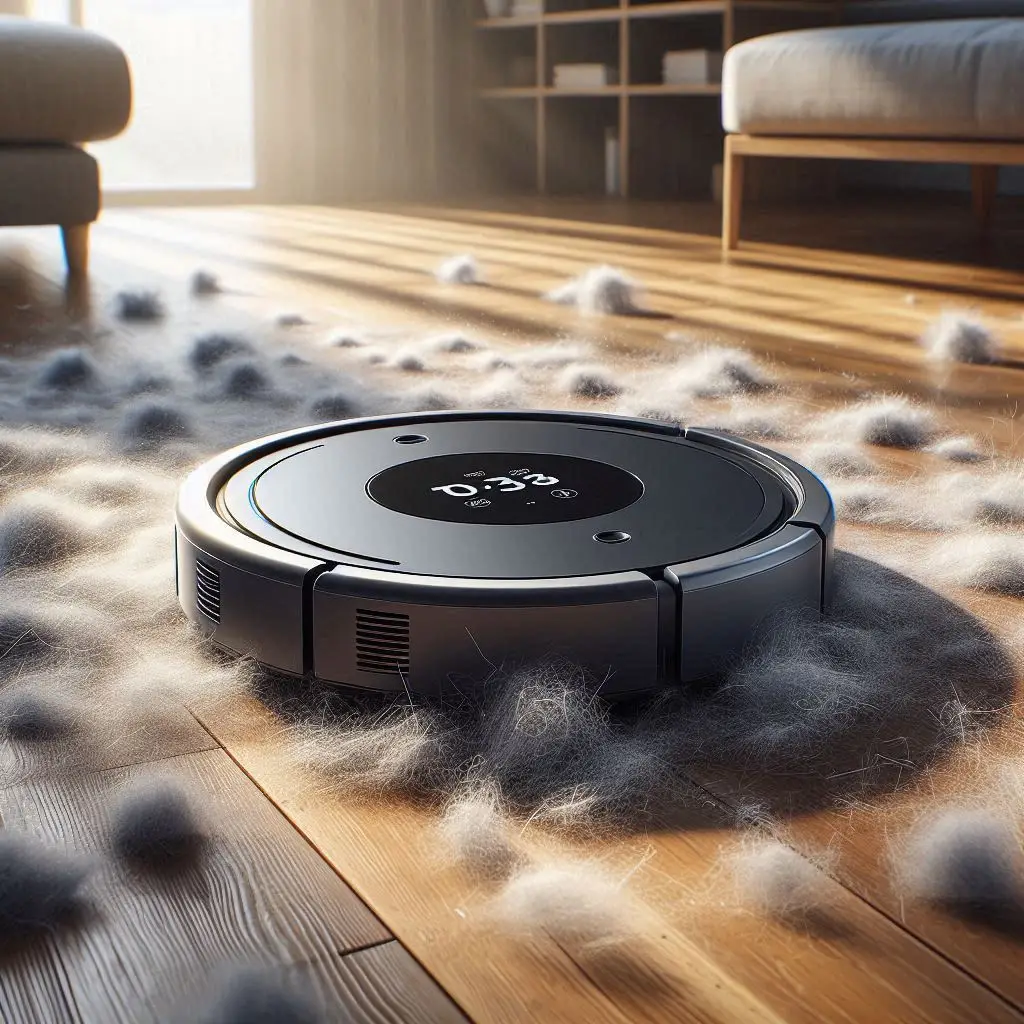
Signs Your Robot Vacuum is Overheating
Knowing the warning signs can prevent permanent damage:
- Motor sounds louder than usual
- Vacuum stops mid-cleaning or shuts down unexpectedly
- Odor of burning or smoke (in rare extreme cases)
- Reduced suction or uneven cleaning performance
- Brushes spinning slower or jammed
If you notice any of these, check for hair clogs immediately.
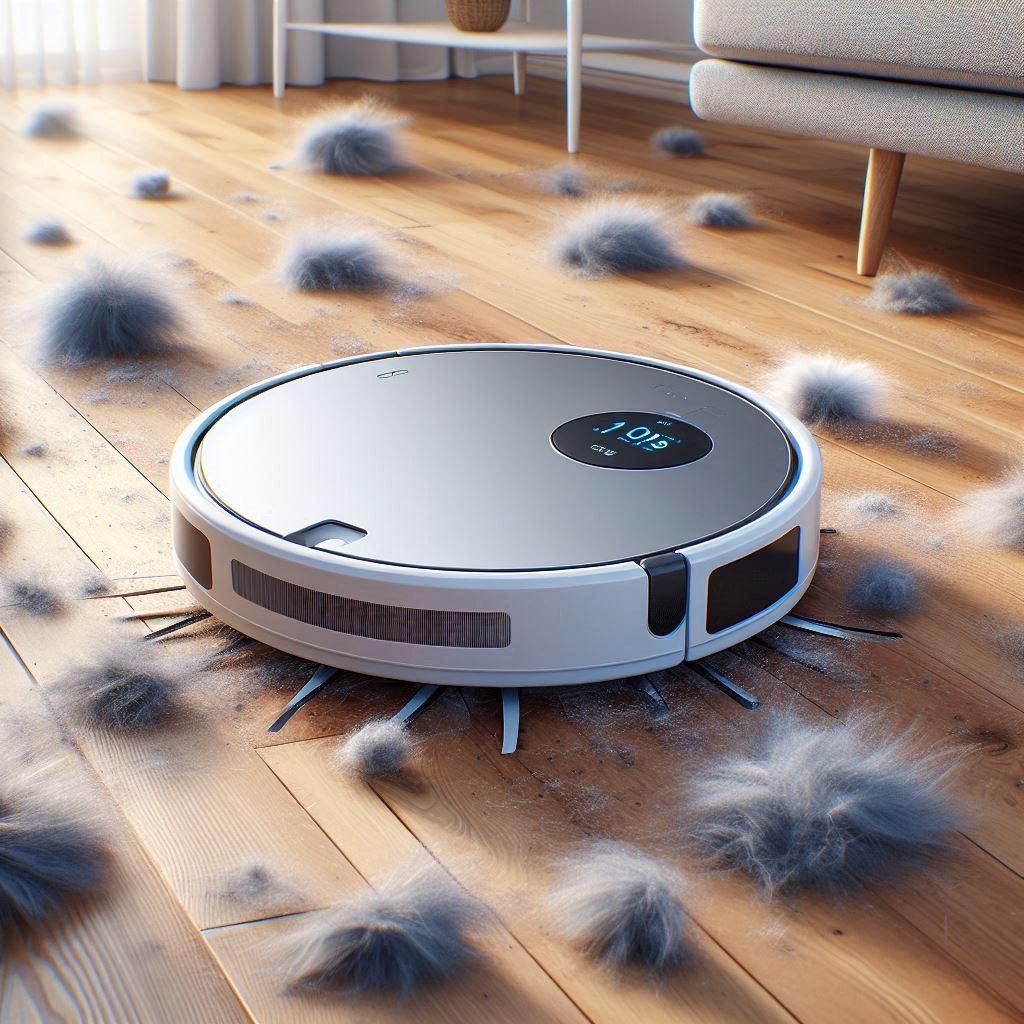
How to Prevent Overheating from Pet Hair
Preventive care is key to keeping your robot vacuum running efficiently:
1. Regularly Clean Brushes and Rollers
Remove hair wrapped around the main brush and side brushes. Some vacuums include a cleaning tool to cut tangled hair, which is especially useful for long-haired pets.
2. Empty Dust Bin Frequently
A full dust bin restricts airflow and forces the motor to work harder. In high-shed homes, consider emptying the bin after each cleaning session or upgrading to a vacuum with a self-emptying base.
3. Wash and Replace Filters
Filters trap fine hair and dander. Clogged filters reduce suction and contribute to overheating. Wash washable filters weekly and replace them as recommended by the manufacturer.
4. Use Anti-Tangle or Rubber Brushes
Rubber brushes or tangle-free designs reduce hair wrapping, keeping the motor and brushes running smoothly. This is particularly useful for households with multiple pets.
5. Shorten Cleaning Cycles
Split vacuuming into shorter sessions instead of letting the robot run continuously for long periods. This allows the motor to cool down and reduces the risk of overheating.
6. Optimize Path and Zones
Most high-end robot vacuums allow zone cleaning. Focus on high-shed areas first and avoid cluttered zones that require extra effort, which can cause strain and heat buildup.
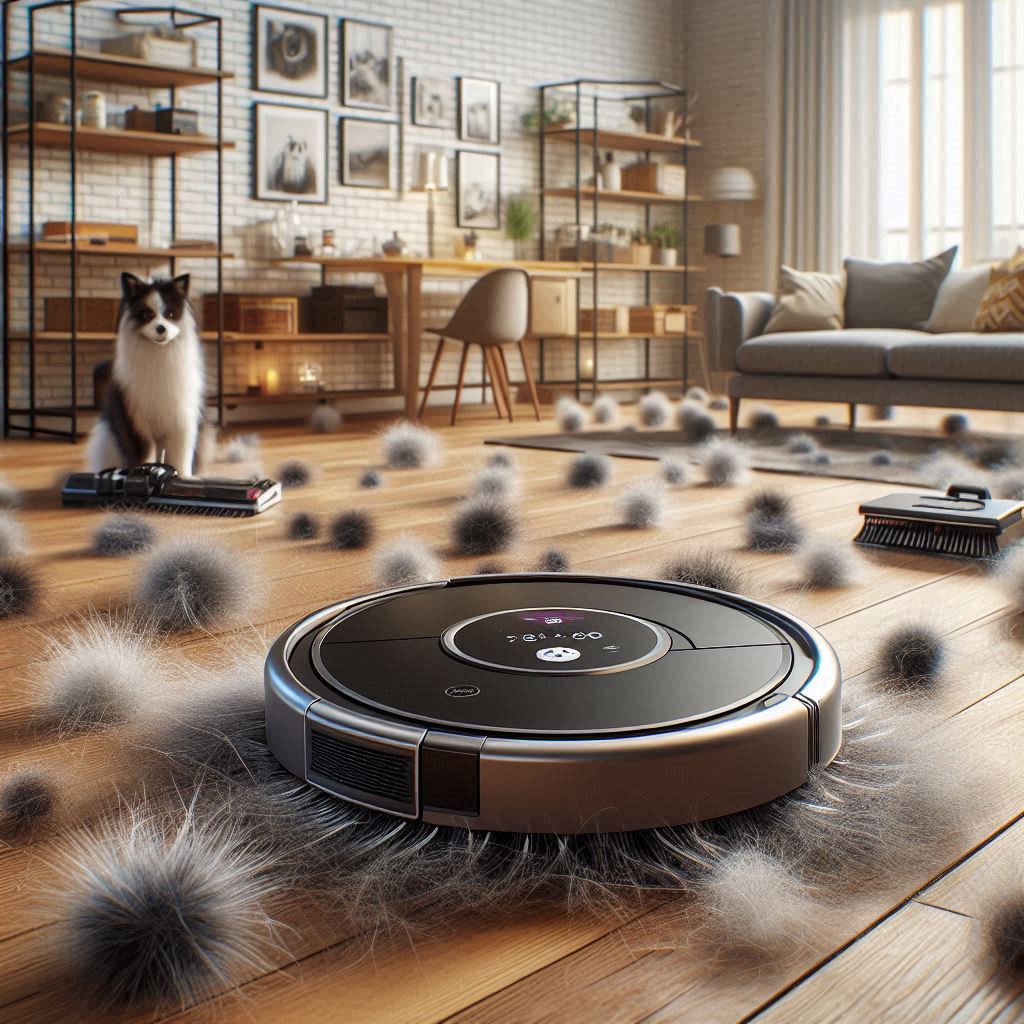
Best Robot Vacuums for Pet Hair That Minimize Overheating
If overheating is a concern, consider these models specifically engineered for pet hair:
1. iRobot Roomba j7+
- Pros: Self-emptying dustbin, tangle-free rubber brushes, advanced sensors
- Why it helps: Rubber brushes prevent hair jams, while the self-emptying base reduces dust accumulation, minimizing motor strain.
2. Roborock S8+
- Pros: Dual rubber brushes, powerful suction, large dust bin
- Why it helps: Designed to handle heavy debris, it maintains consistent suction even on carpets. The large dustbin and efficient airflow prevent overheating.
3. Eufy RoboVac X8 Hybrid
- Pros: Twin-turbine suction, low-profile design, large dustbin
- Why it helps: Its twin brushes handle hair efficiently, reducing motor load. Low-profile design reaches under furniture where pets often shed.
4. Neato D10
- Pros: D-shaped design, large dustbin, laser mapping
- Why it helps: D-shaped brush layout covers corners effectively, reducing repeated effort and potential overheating. Large dustbin minimizes airflow restriction.
Signs You Need to Upgrade Your Robot Vacuum
If your vacuum consistently overheats despite proper maintenance, it may be time to invest in a more advanced model. Look for:
- Self-emptying features: Reduces dustbin-related airflow issues.
- Tangle-free or rubber brushes: Prevents hair jams that strain motors.
- High-capacity dust bins: Accommodates heavy shedding without frequent emptying.
- Advanced cooling design: Some premium models include ventilation systems that prevent heat buildup during long runs.
DIY Tips for Reducing Overheating
Even without upgrading, you can extend your robot vacuum’s life with these strategies:
- Spot clean high-hair areas before the vacuum runs to reduce hair load.
- Remove rugs or mats temporarily during cleaning to prevent motor strain.
- Run multiple shorter cycles rather than one long session.
- Use floor fans to improve airflow around the vacuum when cleaning.
Pros and Cons of Pet Hair-Friendly Robot Vacuums
Pros:
- Reduces manual cleaning effort for pet owners
- Rubber or tangle-free brushes prevent hair jams
- Self-emptying bins decrease airflow restrictions
- High suction ensures hair removal from carpets and hardwood
Cons:
- Premium features increase cost
- Even advanced models require routine maintenance
- Heavy shedding may still require occasional touch-ups
Preventing Overheating for Long-Term Performance
Robot vacuums are a game-changer for pet owners, but pet hair can challenge even the most advanced models. Understanding why vacuums overheat, maintaining brushes and bins, and selecting the right model are critical to avoiding motor strain.
Models like the iRobot Roomba j7+, Roborock S8+, Eufy RoboVac X8 Hybrid, and Neato D10 are specifically designed to handle pet hair without overheating. With proper care and routine maintenance, these vacuums can provide reliable, hair-free floors without the frustration of sudden shutdowns or reduced performance.
Affiliate Tip: Pet owners dealing with overheating issues should consider models with self-emptying bins, tangle-free brushes, and high-capacity dustbins. Amazon often features bundles with extra brushes and filters, which maximize performance and lifespan. Check verified reviews and compare prices to find the perfect solution for your furry friends.

Related Posts