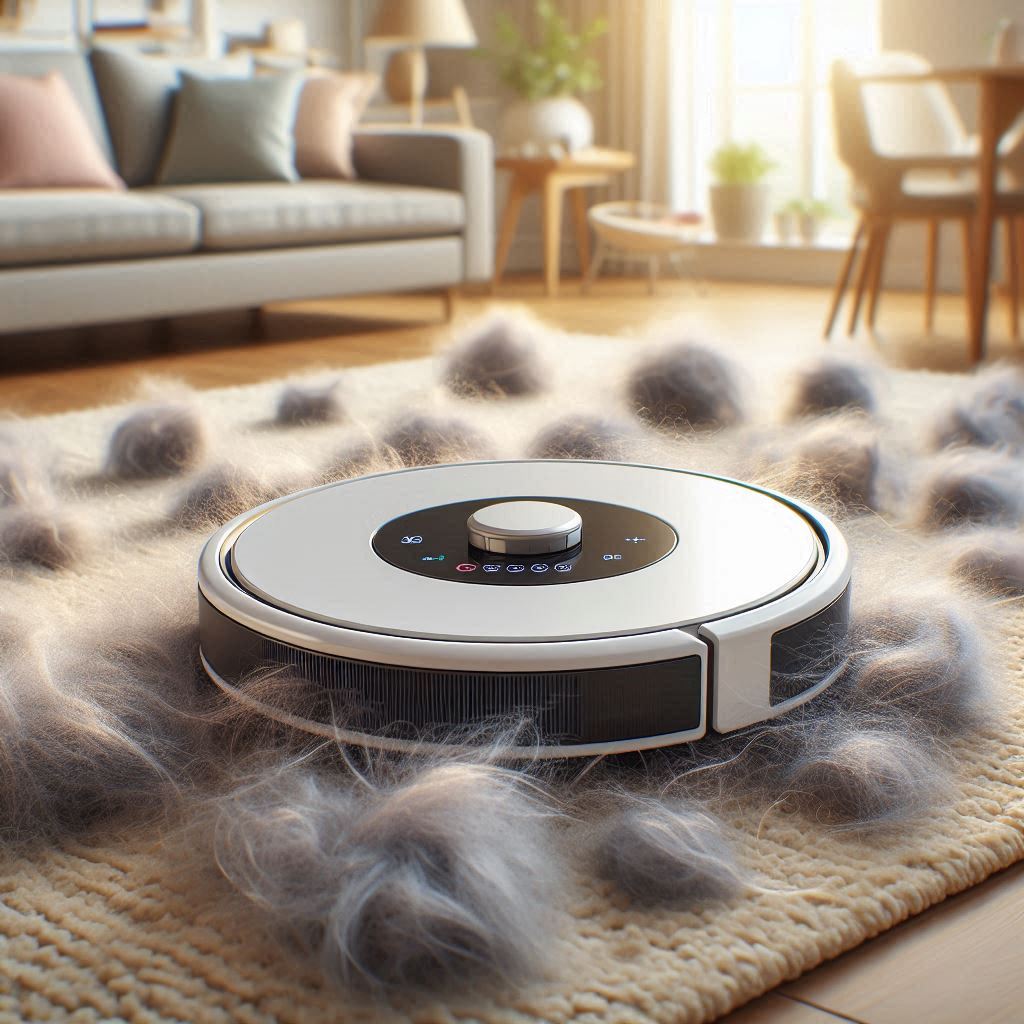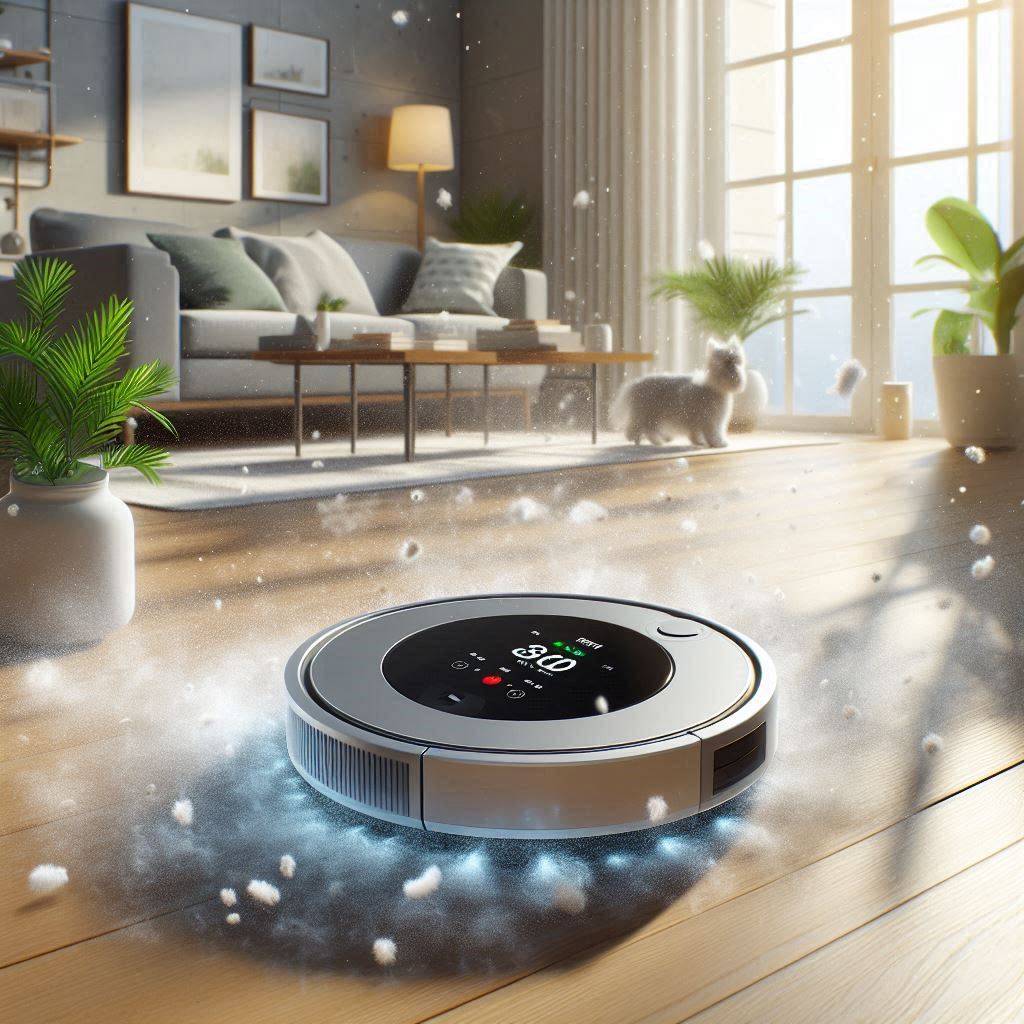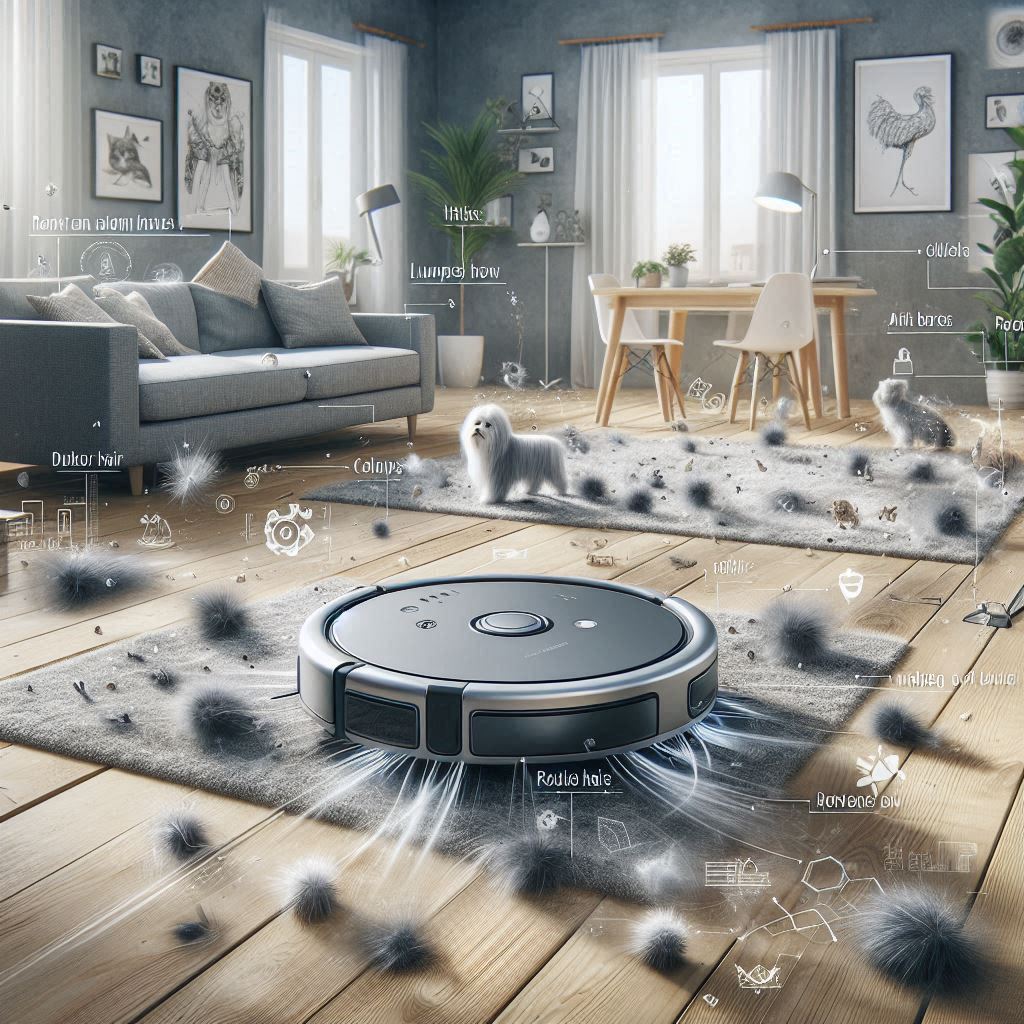
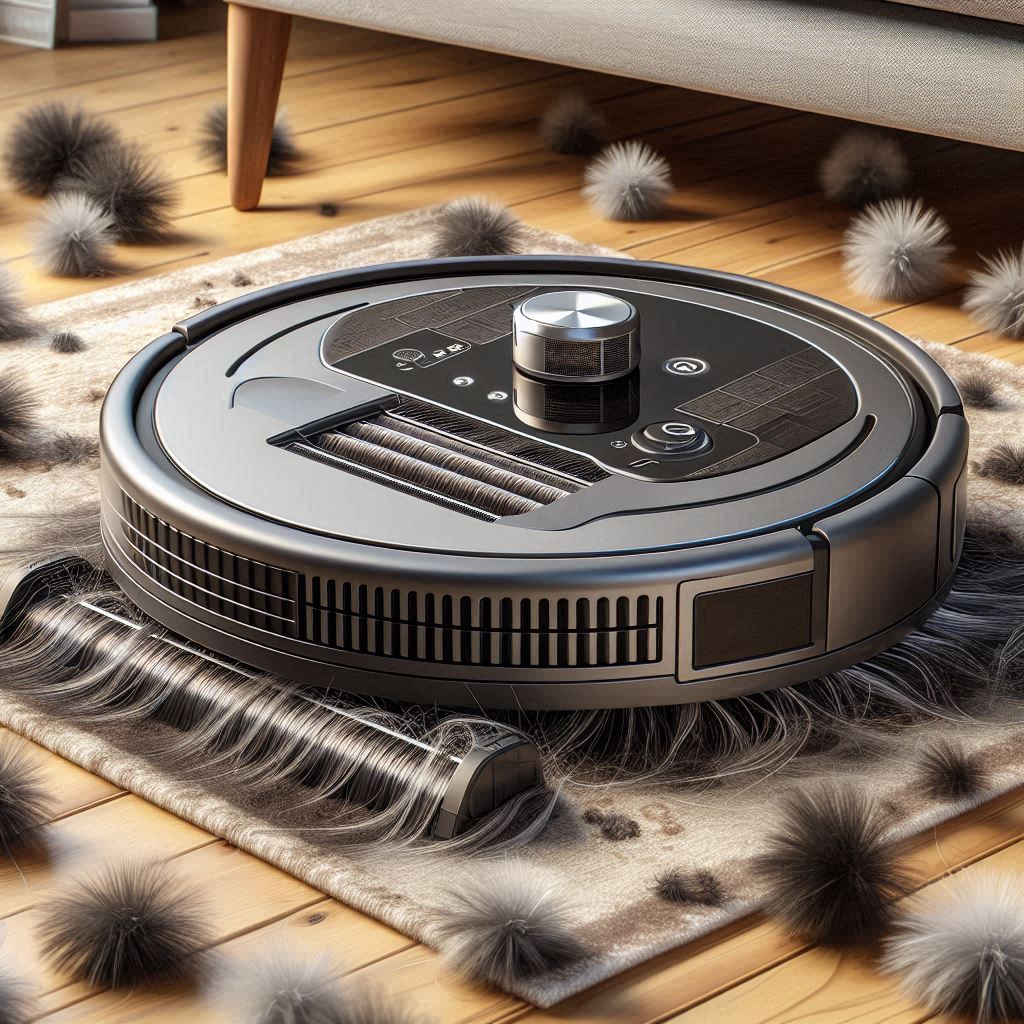
Robot vacuums have come a long way. They map your home, climb small thresholds, self-empty, and even mop. Yet, when it comes to pet hair, one of the most underrated and frustrating issues is low airflow performance.
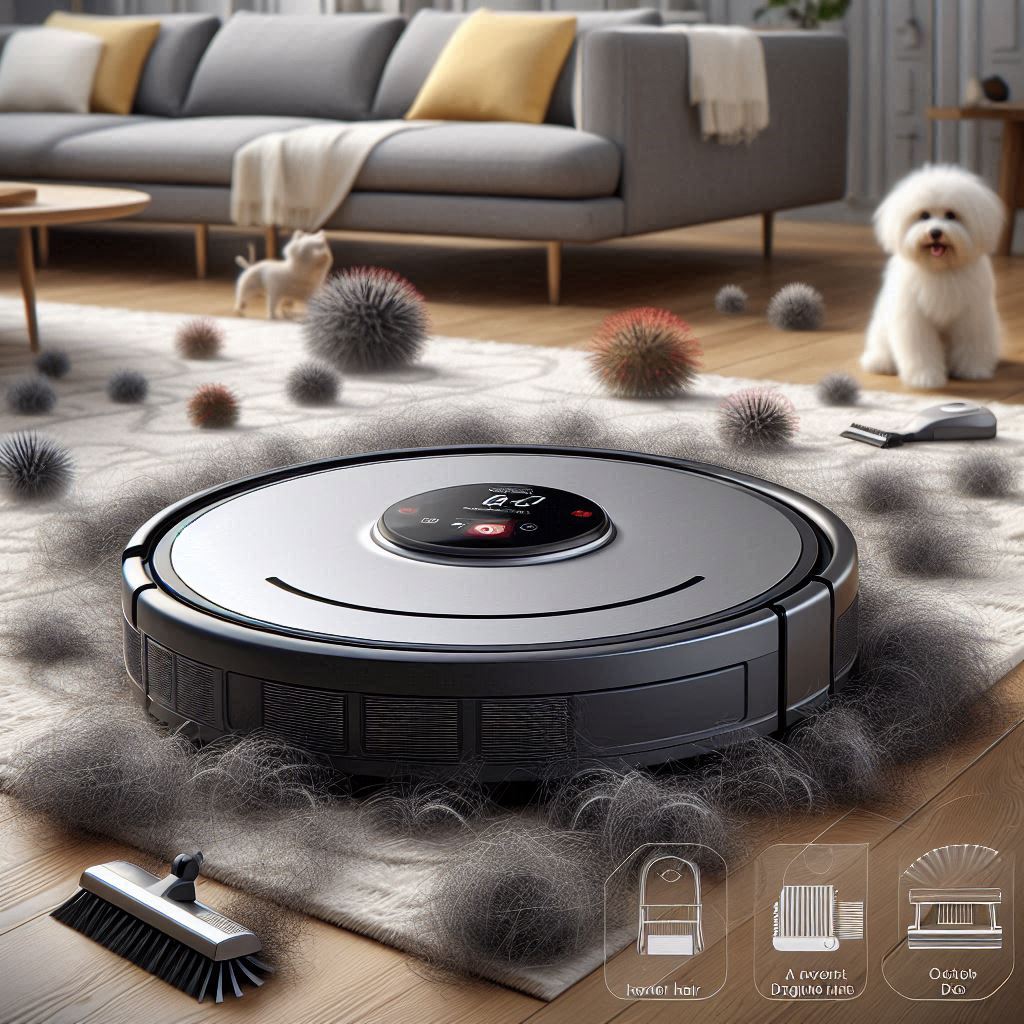
Airflow is the lifeline of removal for pet hair. Without proper airflow, the robot vacuum may roll over the fur, push it around, or leave traces behind—especially on carpets and rugs.
For pet owners, this becomes a chronic struggle:
hair not getting sucked in
hair clumping in corners
static sticking to carpets
brush rollers overloading and tangling
hair balls accumulating along furniture edges
This 2026 article breaks down the problem, explains why airflow matters, how it impacts pet hair cleaning, which robots fail, which models succeed, and which ones are worth buying.
What Does “Low Airflow” Mean for a Robot Vacuum?
Airflow refers to how effectively air moves through the vacuum system from the nozzle → roller → filter → dustbin → exhaust.
High airflow = strong hair lifting
Low airflow = weak suction & transfer
Pet hair, especially from long-hair breeds, requires airflow-driven lifting to detach from carpets and rugs. Many cheap robot vacuums boast “high suction” numbers in Pa (Pascals), but without airflow, suction means very little for hair.
Think of it like this:
Suction lifts debris vertically,
Airflow transports debris forward.
Pet hair often requires both.
Why Pet Hair Needs High Airflow (Not Just Suction)
Pet hair behaves differently than dust or crumbs:
| Material | Behavior |
|---|---|
| Dust | Gets inhaled easily |
| Crumbs | Require suction only |
| Pet Hair | Needs airflow + agitation + static control |
Hair has:
✔ length
✔ flexibility
✔ static cling
✔ surface adhesion
Low airflow makes hair:
stick to carpet fiber
wrap around rollers
get pushed instead of vacuumed
remain as visible streaks
This is why many robot vacuums clean dust perfectly but fail with fur.
Causes of Low Airflow in Robot Vacuums
There are 7 common causes behind low airflow specifically during pet hair cleaning:
1. Overfilled Dustbin
Pet hair fills bins rapidly, restricting airflow tunnels.
Even a partially full bin reduces airflow by up to 40% in some robots.
2. Blocked Filters
Pet hair sheds dander and micro-particles that clog HEPA filters.
3. Narrow Air Channels
Budget robot vacuums use thin internal air channels to reduce motor cost.
4. Weak Fan Motors
Low-end models use low-watt motors that cannot maintain airflow during load.
5. Low-Quality Brush Design
Bristle brushes tend to trap hair instead of pushing it into airflow streams.
Rubber extractors perform significantly better.
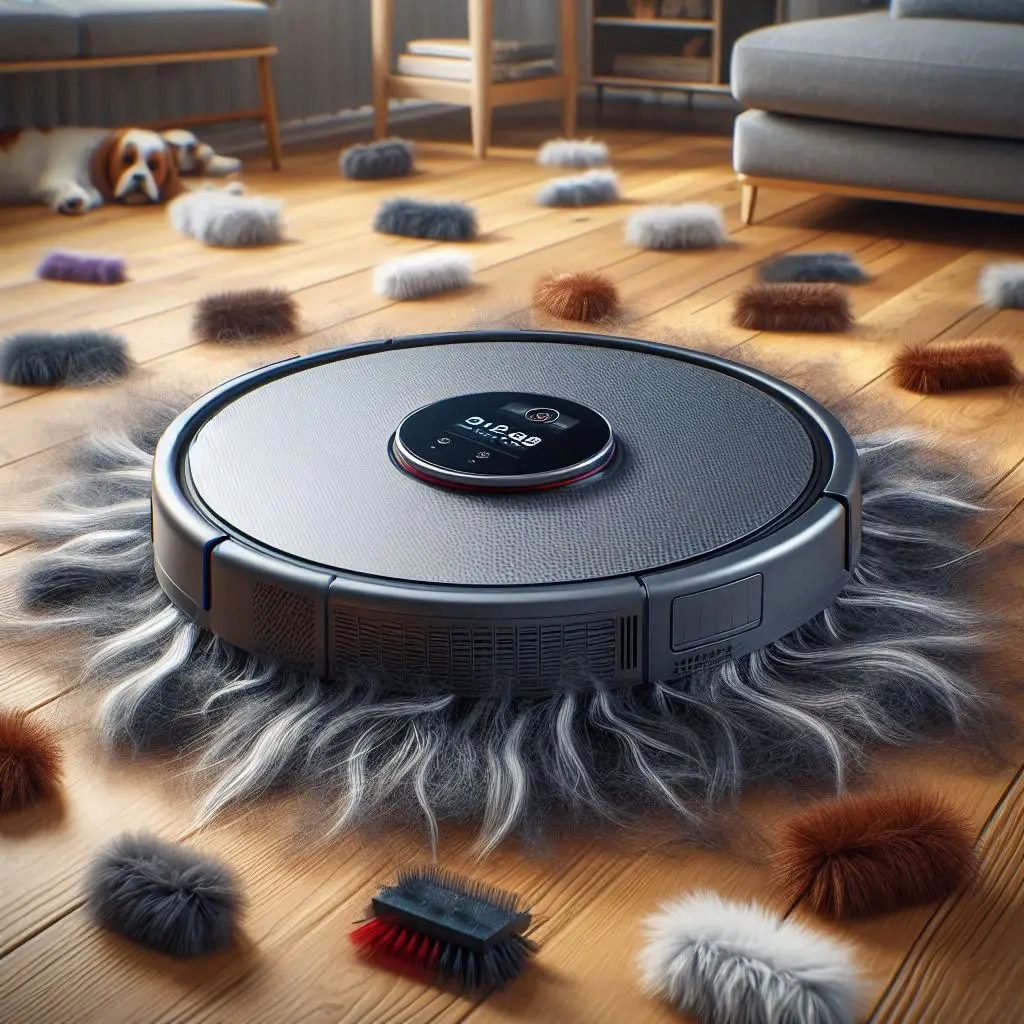
6. Static Build-Up
Carpet static reduces transfer efficiency.
7. Poor Exhaust Venting
Bad exhaust design creates back-pressure, choking airflow.
Which Floor Types Suffer Most from Low Airflow?
The severity of the issue varies by surface:
Worst: Carpet
- hair embeds into fibers
- static locking
- airflow required
Medium: Rugs & Fabric Mats
- edges trap fur
- soft pile creates friction
Best: Hardwood / Vinyl / Tile
- hair floats or slides
- minimal static
Most owners first notice hair streaking on carpet edges and pet zones.
Which Pets Create the Worst Airflow Challenges?
Breeds with high shedding & long hair:
Dogs
- Husky
- Golden Retriever
- German Shepherd
- Border Collie
- Samoyed
- Malamute
Cats
- Persian
- Maine Coon
- Ragamuffin
- Domestic Longhair
Short hair animals produce less visible clumps but more dander, which hurts filters.
Symptoms of Low Airflow Pet Hair Performance
Customers frequently report:
✔ “robot leaves hair lines behind”
✔ “hair clumps under furniture after cleaning”
✔ “rollers wrapped in fur”
✔ “poor carpet performance”
✔ “bin fills too fast”
✔ “mop drags hair instead of sucking it”
Low airflow also pairs with other pet issues like:
➜ filter clogging
➜ static cling build-up
➜ overheating
➜ sensor obstruction
These are all interconnected.
Fixes + Maintenance Tips to Improve Airflow
Here are highly effective improvements:
1. Empty Bin After Each Run
Pet hair reduces airflow more than crumbs or dust.
2. Clean Filters Every 2–3 Days
Especially HEPA + foam combo filters.
3. Replace Filters Monthly
Pet homes require more frequent replacements than standard homes.
4. Choose Rubber Rollers
Rubber extractors improve hair transfer to air channel.
5. Run Daily Instead of Weekly
Frequent cleaning reduces hair volume, preventing airflow collapse.
2026 Robot Vacuums with Good Airflow for Pet Hair (Amazon Affiliate Review Style)
Now the buying section — ideal for affiliate pages.
1. Roborock S8 MaxV Ultra — Best Overall Airflow System
The S8 MaxV Ultra introduces Roborock’s dual-motor airflow optimization with upgraded exhaust channels and high-static suction.
Why It Wins for Pet Hair
✔ upgraded airflow ducts
✔ 10,000Pa suction
✔ dual rollers prevent hair wrapping
Pros
- exceptional carpet hair removal
- mop + vacuum combo
- AI pet zone detection
Cons
− high price tier
− dock footprint is large
Best For: Multi-pet carpeted homes
2. Roomba j9+ — Best Hair Transfer Efficiency
Roomba uses rubber dual-rollers which outperform bristles. Airflow feels weaker on paper, but transfer efficiency makes up for it.
Pros
- rollers prevent tangles
- self-emptying system
- acoustic dirt detection
Cons
− lacks wet mopping
− cleaning cycles longer
Best For: Cat hair & hardwood flooring
3. Ecovacs Deebot T30 Omni Best Carpet Power
Ecovacs optimizes airflow for carpets using vent tuning + turbo zones.
Pros
- hair removal from carpeted rugs
- auto mop lift system
- strong bin capacity
Cons
− app complexity
− pricier parts
Quick Comparison Chart
| Feature | Roborock S8 MaxV | Roomba j9+ | Ecovacs T30 |
|---|---|---|---|
| Airflow Strength | ⭐⭐⭐⭐⭐ | ⭐⭐⭐⭐ | ⭐⭐⭐⭐⭐ |
| Carpet Hair | ⭐⭐⭐⭐⭐ | ⭐⭐⭐⭐ | ⭐⭐⭐⭐⭐ |
| Roller Type | Dual Rubber | Dual Rubber | Rubber + Bristle |
| Mop Included | Yes | No | Yes |
| Self-Empty | Yes | Yes | Yes |
Bonus Buying Advice
When choosing a robot vacuum for pet hair, prioritize:
✔ airflow > suction rating
✔ rubber rollers > bristle brushes
✔ self-empty bins > manual emptying
✔ HEPA filters > standard filters
✔ daily schedules > weekly runs
These five factors matter more than flashy marketing stats
Low airflow is one of the silent performance killers in robot vacuum pet hair cleaning. It leads to streaking, clumping, roller jams, and constant maintenance headaches.
Our 2026 recommendation:
✔ Multi-pet carpet homes → Roborock S8 MaxV Ultra
✔ Cat hardwood homes → Roomba j9+
✔ Rug-heavy homes → Ecovacs T30 Omni

Related Posts