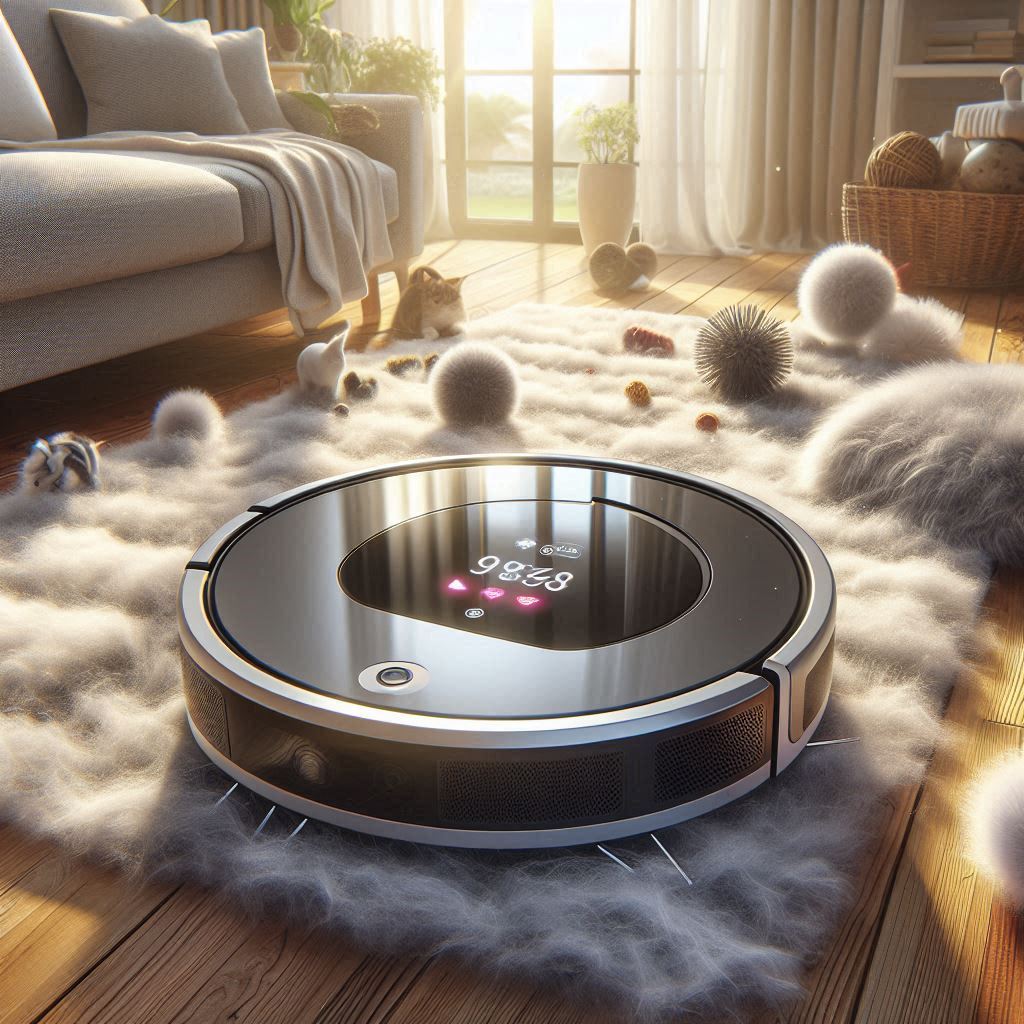
Pet owners increasingly rely on robot vacuums to manage daily shedding, dander, and micro debris. One of the most important questions in 2026 is whether a HEPA filter is actually necessary for homes with pets. Many robot vacuum listings advertise “True HEPA,” “HEPA-Like,” or “Allergen Filtration,” leaving buyers confused about what really matters. This guide explains why HEPA filters matter for pet hair, when they are required, replacement intervals, performance benefits, and Amazon buying strategies.
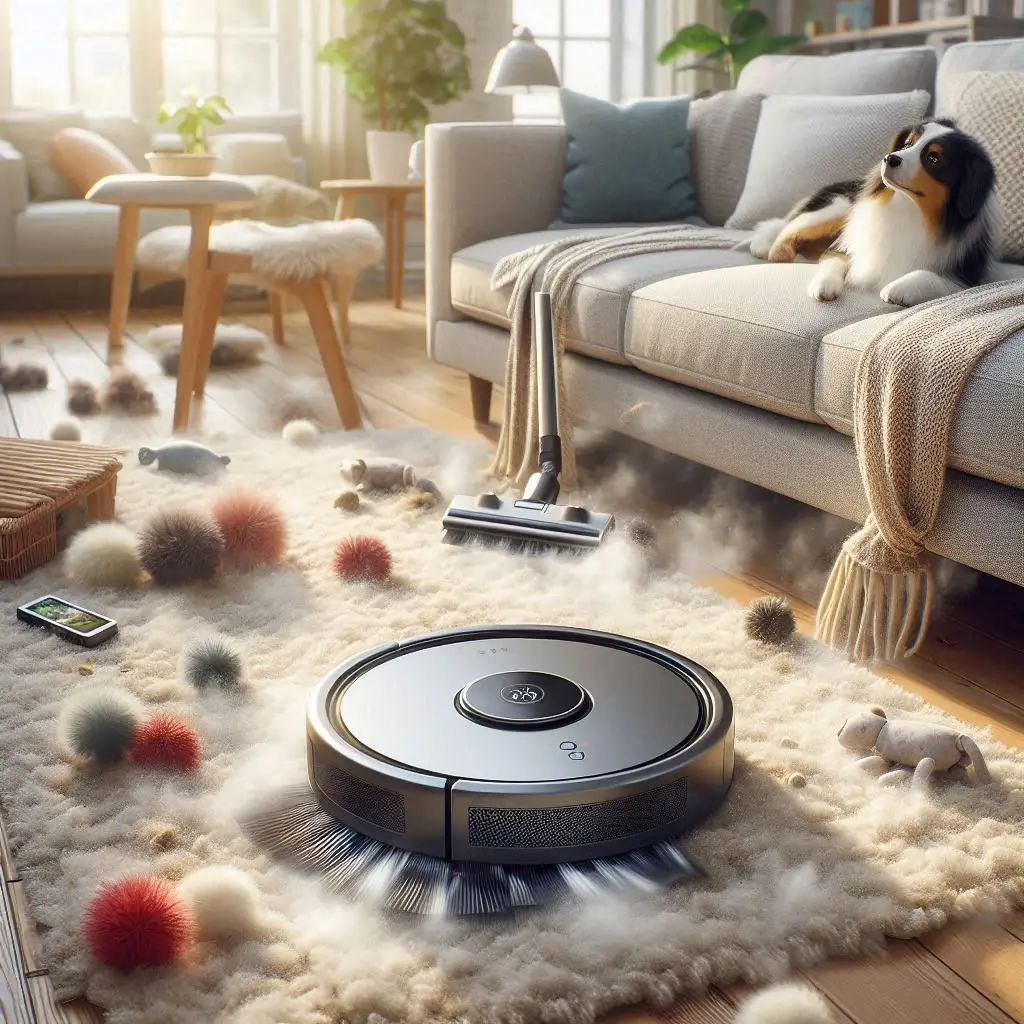
Why Filtration Matters in Pet Hair Cleaning
Robot vacuums do more than collect visible strands. Pet hair carries microscopic particles, including dander, saliva residue, dry skin flakes, and dust bonded to fur. These tiny particles are what trigger allergy symptoms such as sneezing, watery eyes, and asthma flare-ups. A standard filter will capture the visible hair but will allow these micro-level irritants to circulate in the air. This is where HEPA filters make a difference.
What HEPA Filtration Actually Means
HEPA (High-Efficiency Particulate Air) filters are designed to capture 99.97% of particles as small as 0.3 microns. To put this in context:
- Human hair: 50–70 microns
- Pet hair: 10–60 microns
- Pet dander: 0.5–10 microns
HEPA filters cover the particle range that matters most for allergy control and air quality in pet households.
Standard Robot Vacuum Filters vs HEPA Filters
When comparing normal filters to HEPA filters:
Capture Efficiency
- Standard filters capture large hair and some lint but fail to trap fine allergens.
- HEPA filters capture hair, lint, dust, dander, pollen, and other microscopic irritants.
Air Quality Impact
- Standard filters leave fine dust and dander circulating.
- HEPA filters improve indoor air quality and reduce allergy triggers.
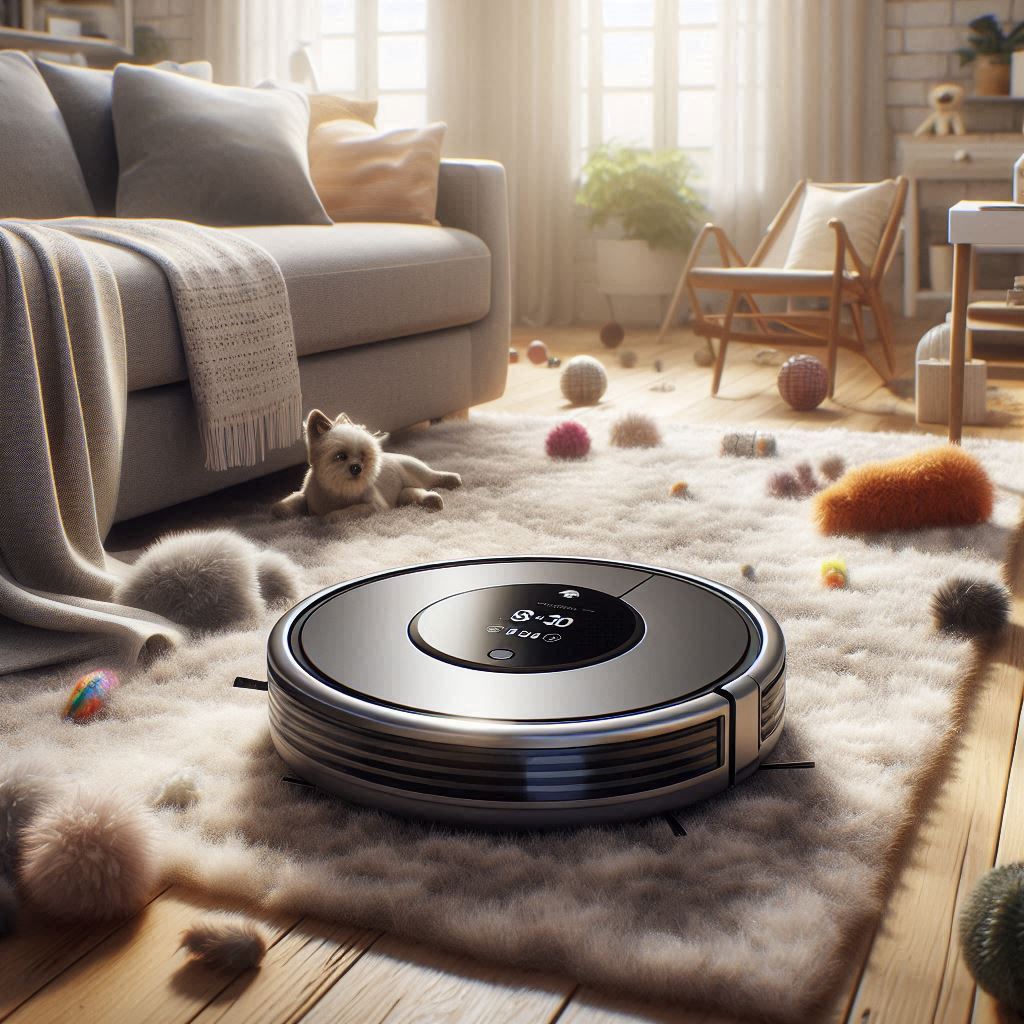
Odor Control
- Standard filters do not address odor caused by pet oils or litter.
- HEPA filters with activated carbon layers reduce odor and improve freshness in pet homes.
Do All HEPA Filters Perform the Same?
Not all HEPA filters are created equal. Many products on Amazon use terms like HEPA-Type or HEPA-Like, which are not certified. Buyers should understand the distinctions:
- True HEPA: Certified, tested, highest filtration quality.
- HEPA-Type / HEPA-Like: Better than standard filters but lacks certification.
- Multi-stage Filtration with Carbon: Ideal for homes with both odor and allergy concerns.
When HEPA Becomes Essential
HEPA filters are not mandatory for every home but are critical in certain situations:
Pet Allergies or Sensitivities
If anyone in the household has allergies, HEPA is essential to trap microscopic dander and prevent flare-ups.
Long-Haired Breeds
Pets like Golden Retrievers, Huskies, Maine Coons, or Persian Cats shed continuously, producing both hair and dander.
Small or Poorly Ventilated Spaces
Apartments or closed areas accumulate airborne particles faster, making HEPA filtration important.
High-Suction Robots
High airflow may stir micro particles into the air, so a HEPA filter prevents their release back into the room.
When HEPA May Not Be Strictly Necessary
- Low shedding breeds
- Outdoor pets
- Homes with large, well-ventilated spaces
- Households with daily manual vacuum routines
In these cases, a standard multi-stage filter may suffice.
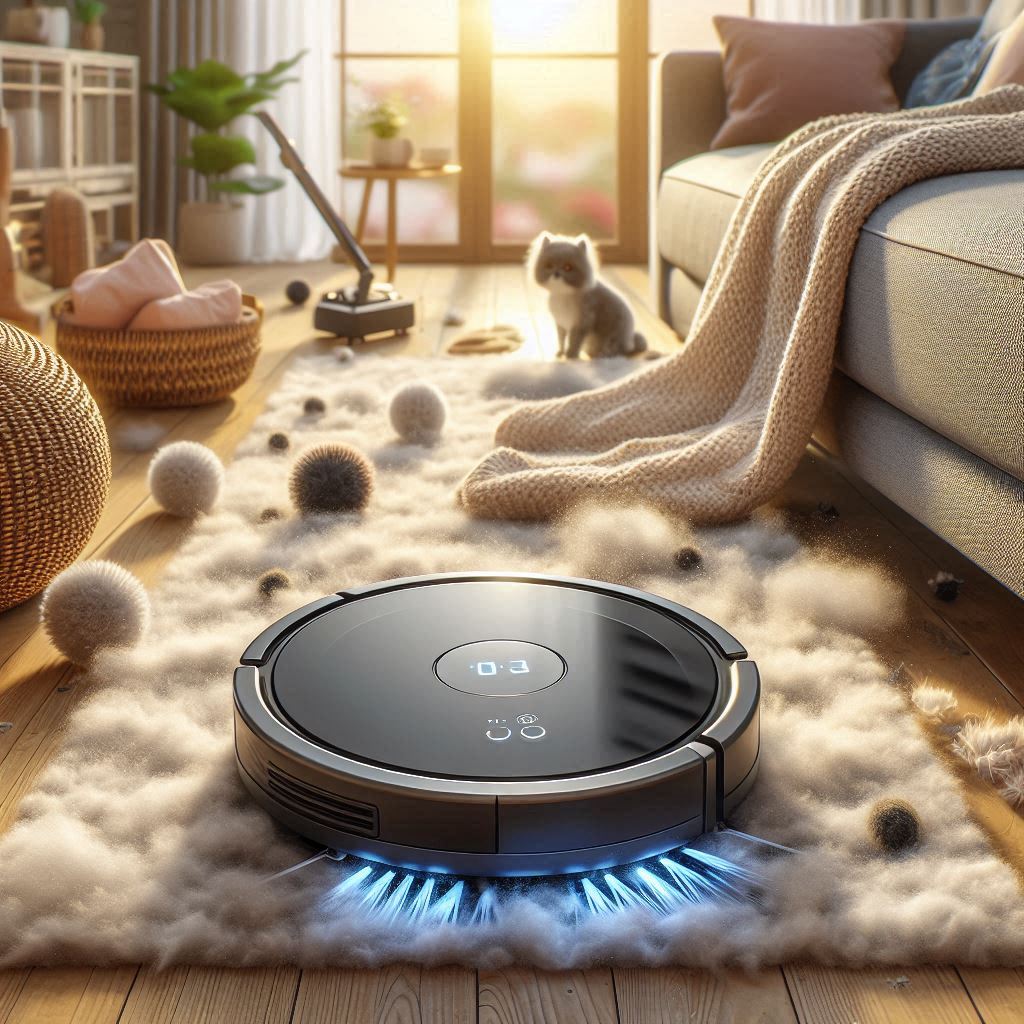
HEPA Filter Replacement Frequency in Pet Homes
Pet hair shortens filter life due to oils and fine debris. Recommended replacement cycles:
- Homes without pets: 6 months
- Homes with pets: 6–8 weeks
Some robot vacuums send app notifications for replacement, which helps maintain consistent suction and air quality.
Amazon-Recommended Features for Pet-Focused HEPA Robots
When buying on Amazon, look for:
- True HEPA certification
- Anti-tangle brushes
- Auto-dust bag collection
- Odor reduction features
- Allergy certifications
- Activated carbon layers
Products without these features are typically repackaged standard robots.
HEPA Filter with Auto-Empty Dock: The Ideal Combo
Auto-empty docks prevent dust and dander blowback during manual bin emptying. Advantages include:
- Hands-free disposal
- Sealed allergen bags
- Less airborne debris
- Longer maintenance intervals
Reviews consistently show pet owners prefer robots with both HEPA and auto-empty for maximum convenience and hygiene.
Cost Considerations
HEPA-equipped robots are more expensive but worth the investment:
- Basic non-HEPA robot: $150–$250
- HEPA robot without auto-dock: $250–$450
- HEPA robot with auto-dock: $450–$900+
Replacement filter packs range from $10–$40 per pack depending on the brand and type.
Noise and HEPA Filtration
HEPA does not significantly impact noise levels. Suction noise comes from the motor, brush resistance, and airflow design, not the filter itself.
Brands Leading in HEPA and Pet Performance
Premium brands integrating HEPA for pets include:
- iRobot Roomba (newer models)
- Roborock
- Ecovacs
- Dreametech
Budget brands often include HEPA selectively:
- Eufy
- Proscenic
- Lefant
Ultra-budget robots rarely offer True HEPA, instead providing fine dust or HEPA-Type filters.
Common Misconceptions About HEPA for Pet Hair
- Misconception 1: HEPA only matters for allergies — false. HEPA also improves odor control and indoor air quality.
- Misconception 2: All HEPA filters are equal — false. Certification and quality vary.
- Misconception 3: Pet hair doesn’t need HEPA — false. Hair itself may not, but dander and microscopic debris attached to hair do.
Performance Recommendations for Pet Owners
- Allergies present: HEPA + sealed auto-dock + high suction
- Heavy shedding breeds: HEPA + anti-tangle brushes + strong airflow
- Odor-sensitive homes: HEPA + carbon layer + app maintenance alerts
- Budget-conscious: HEPA-type + manual bin + moderate suction
For most pet homes, HEPA filtration is a major upgrade, and in allergy-sensitive households, it is essential. HEPA filters trap micro dander, reduce odors, improve indoor air quality, and prevent health issues. Combined with proper filter maintenance and, optionally, an auto-empty dock, HEPA-enabled robots provide long-term convenience and hygiene. Choosing the right HEPA robot on Amazon ensures consistent performance, cleaner living spaces, and peace of mind for families living with pets.

Related Posts