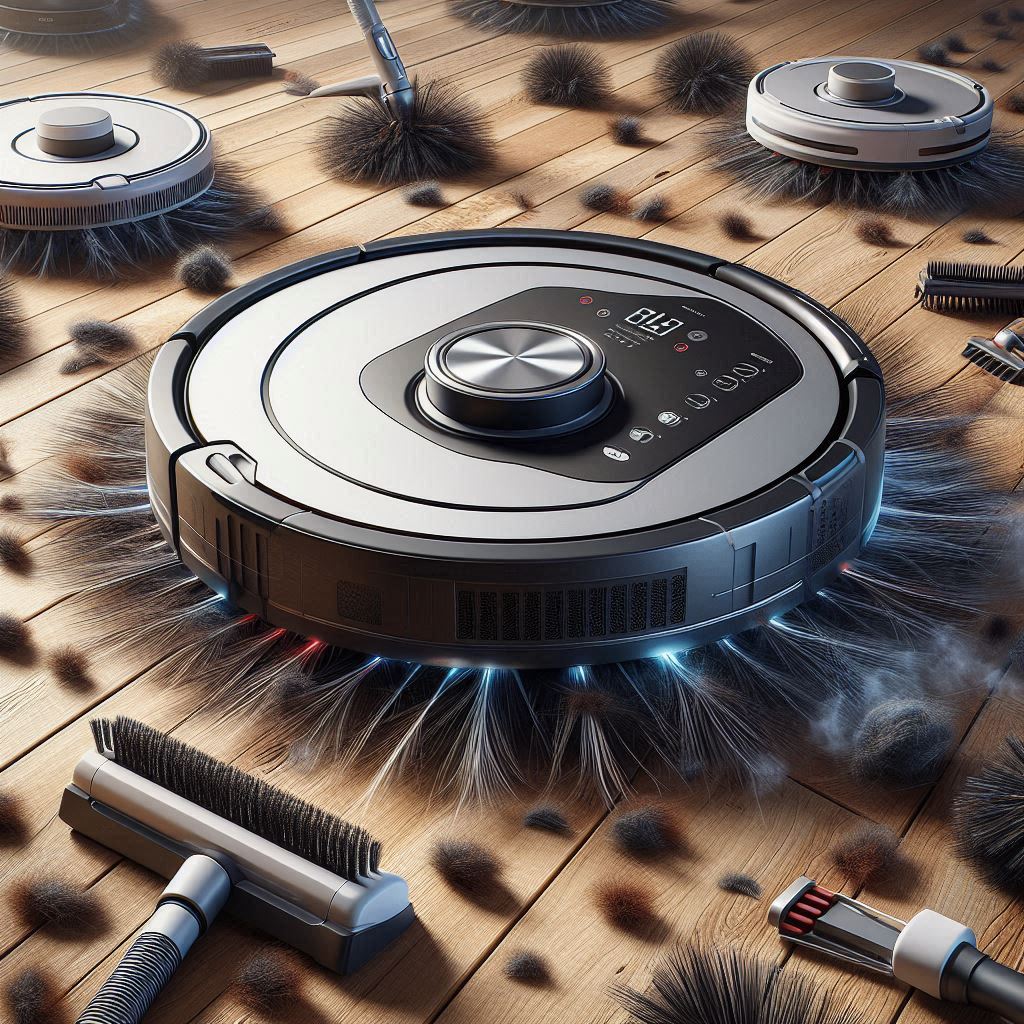
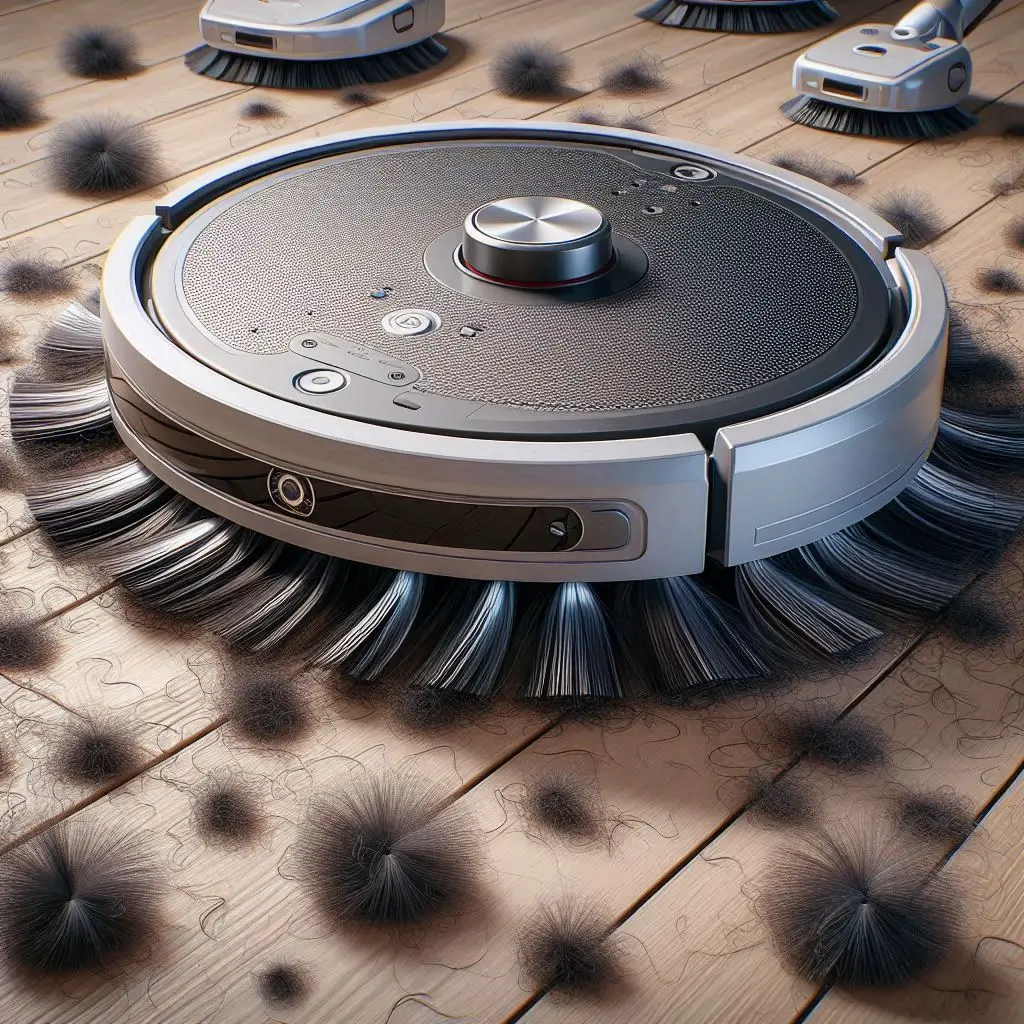
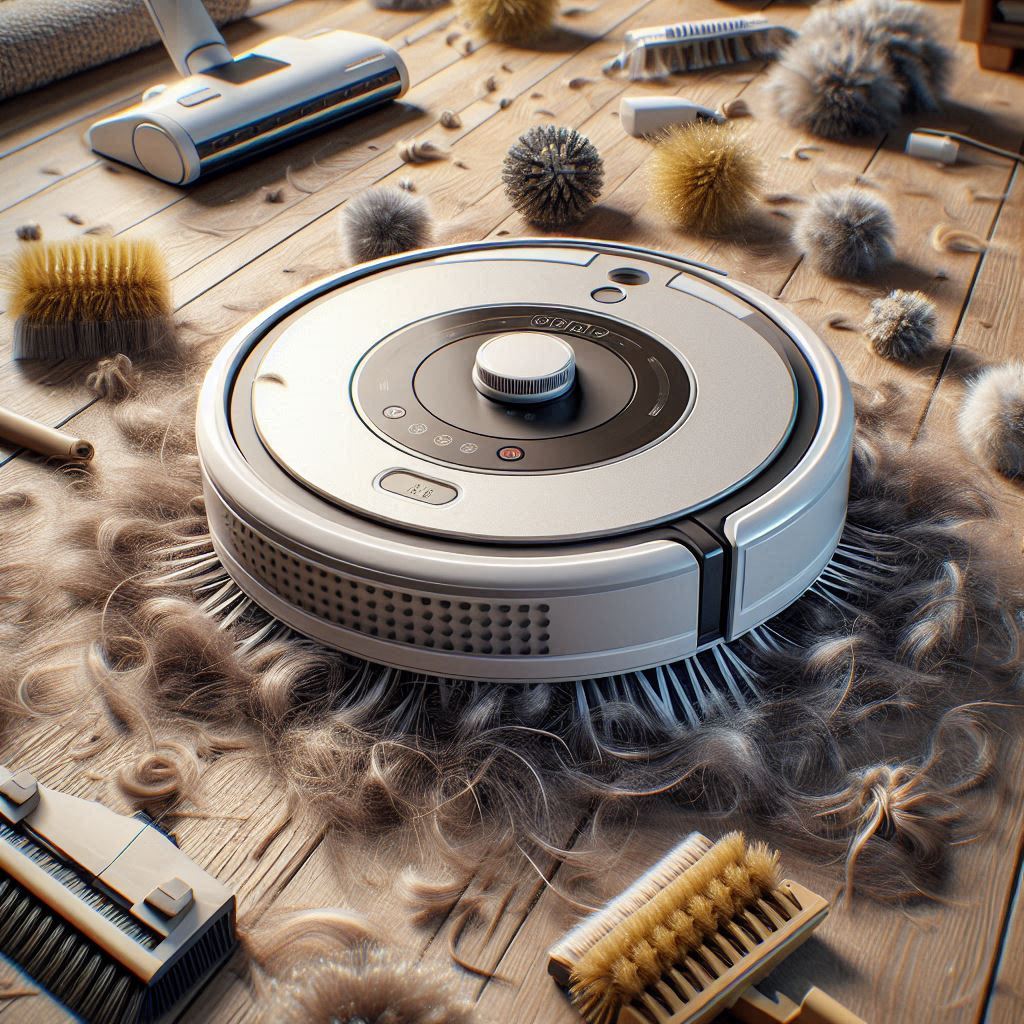
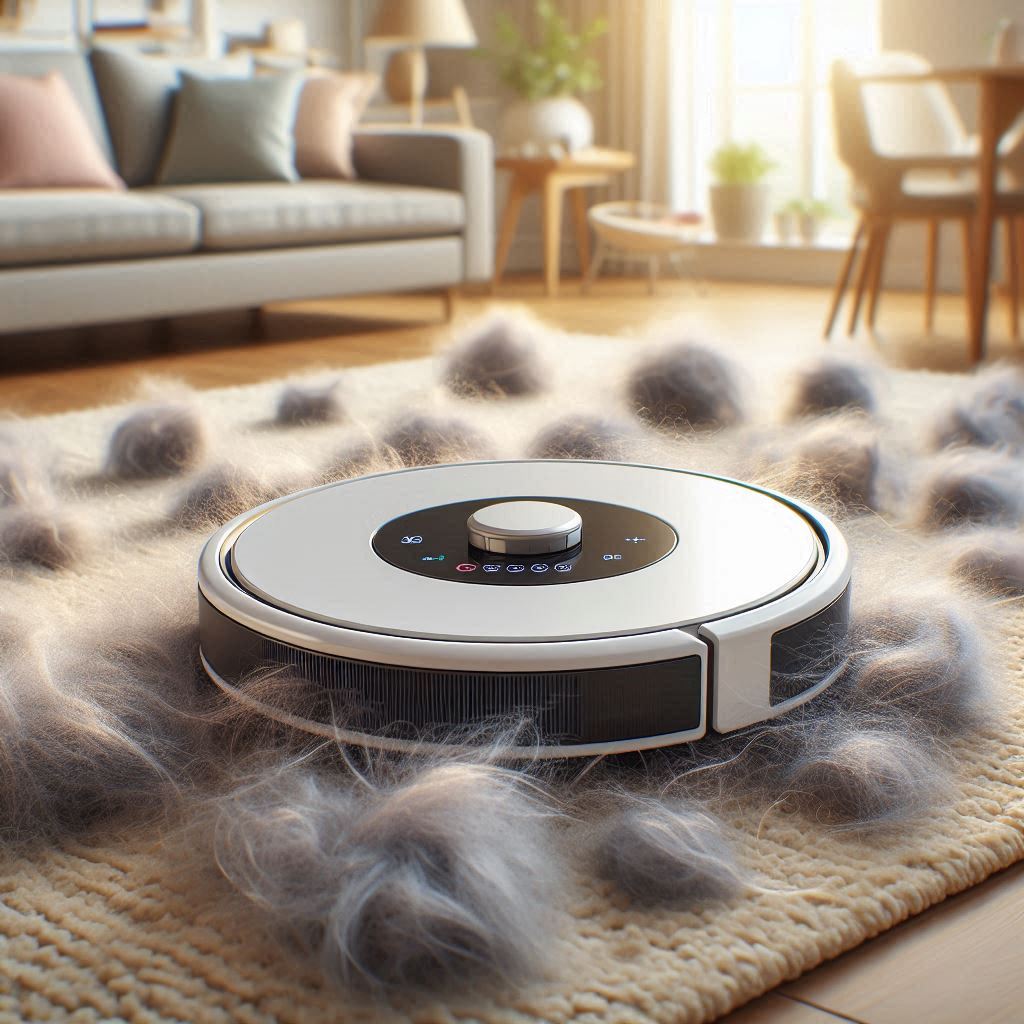
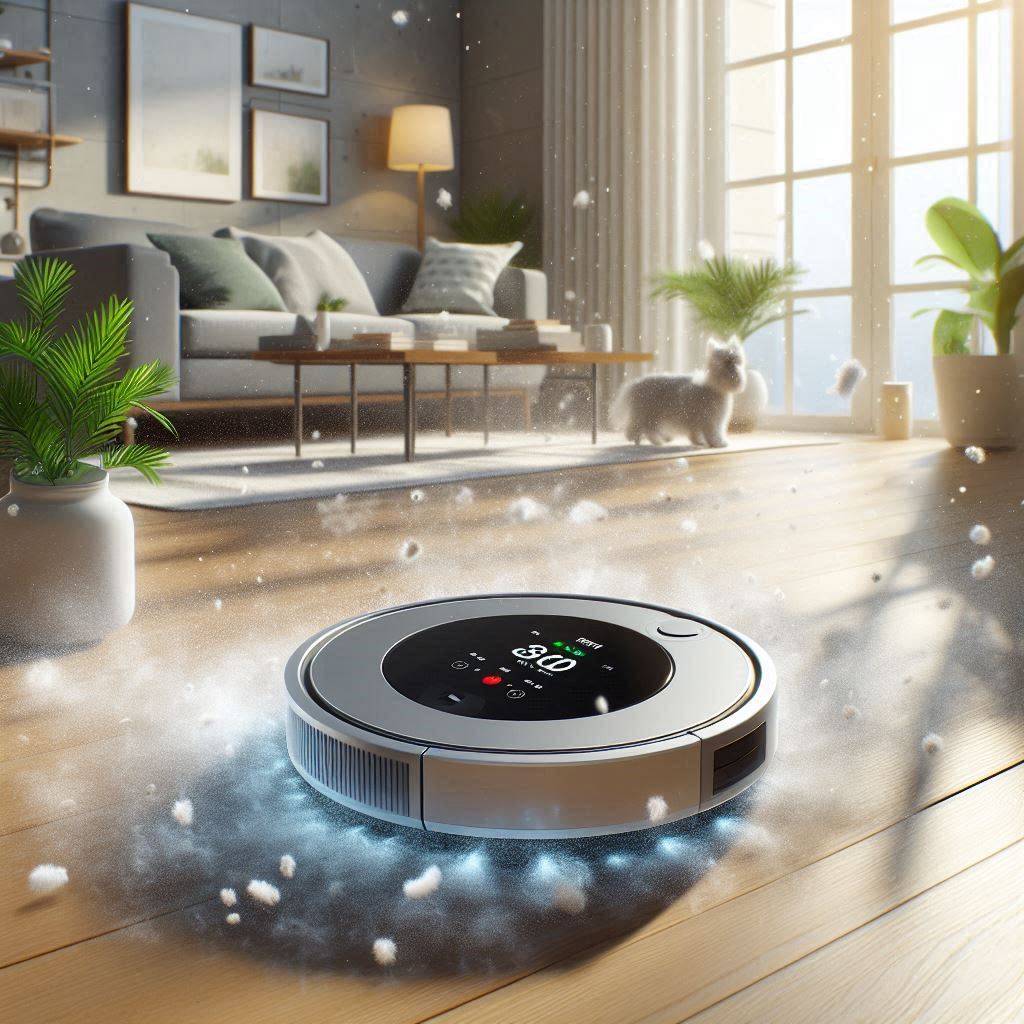
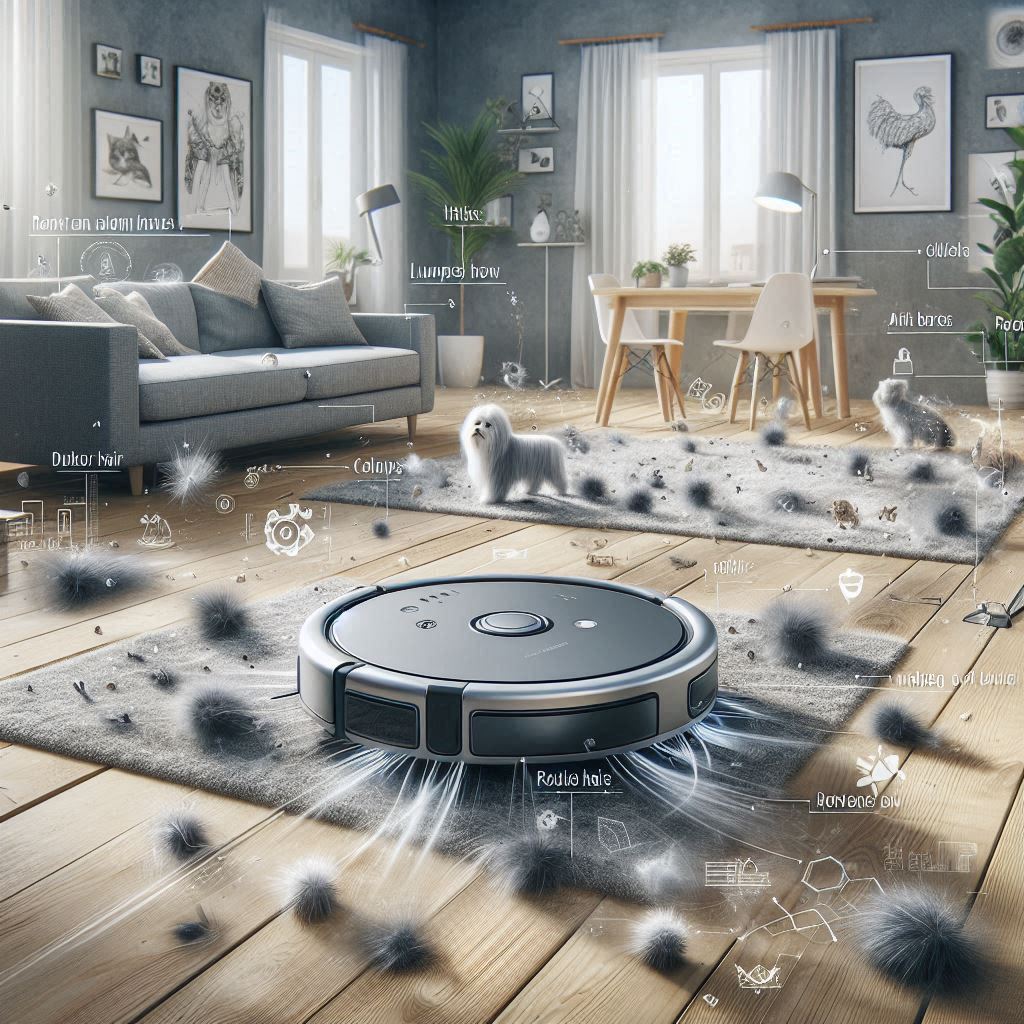
Pet owners buy a robot vacuum expecting one thing: automatic hair removal. But many discover a frustrating surprise instead of collecting the hair, their robot vacuum scatters it around the room, leaving longer cleanup sessions and lint-like trails across floor surfaces.
On Amazon, the top complaint phrases for this issue include:
“It kicked the hair everywhere.” “Side brushes fling pet fur outwards.” “Instead of cleaning, it redecorated my floor with hair strands.”
Hair scattering is most noticeable with cat fur, dog undercoats, long hair breeds, and homes with polyester carpets or hardwood surfaces, where hair moves easily.
This guide breaks down:
✔ what causes scattering ✔ which breeds make it worse ✔ what floor types increase hair movement ✔ technical factors behind it ✔ how to reduce it ✔ which 2026 robot vacuums avoid the problem ✔ who should avoid cheaper models
Let’s dive in.
Why Robot Vacuums Scatter Hair Instead of Collecting It
Hair scattering happens due to five main engineering factors:
1. Side Brush Spin Speeds Are Too Fast
Side brushes are designed to pull debris into the suction path. But cheaper robots spin these brushes too fast, which results in:
flinging hair outward scattering into corners distributing it across the room pushing fur under furniture
This is especially common in round robots under $200.
2. Weak Airflow Direction Near Edges
Many robots have suction optimized for center-floor pickup, leaving edges dependent on brushes alone — brushes scatter hair but airflow isn’t strong enough to capture it.
3. Bristle Rollers Wrap Hair Instead of Pulling It
Traditional bristle-based brush rolls act like combs, catching and flinging hair. Rubber roller systems have largely solved this problem.
4. Lightweight Fur Physics
Pet hair is different from dust:
soft
long
lightweight
aerodynamic
It behaves like feathers easily moved by vibration.
5. Mapping Inefficiency
Low-grade robots operate in:
random bump mode no wall-follow mode no precision edge sweeping no slow-speed corridors
The result is misaligned brush contact with debris.
Breeds That Make Scattering More Noticeable
The following breeds produce hair that lifts and flies easily:
Husky — undercoat fibers Golden Retriever — mid-length shed + blowout seasons Persian Cat — fine, lightweight strands Ragdoll / Maine Coon — long static hair
Short fur breeds produce debris that stays localized, making scattering less obvious.
Floor Types That Increase Hair Scattering
The problem isn’t just the breed — it’s also the floor surface.
These surfaces offer no fiber friction, so hair glides instead of anchoring.
Moderate scattering on:
low-pile carpets rugs with polyester blends
Lowest scattering on:
high-pile carpets (hair gets stuck, not scattered)
Real Household Scenarios Where Owners Notice It Most
Based on pet owner reviews and testing patterns, scattering is highest when:
✔ robot cleans in open spaces ✔ pet hair is freshly shed ✔ shedding season is active ✔ dryness increases static + levitation ✔ side brushes spin at full speed ✔ robot transitions between surfaces
Example complaint:
“It cleans the hallway but throws the hair into corners and under the sofa.”
Why Cheaper Robot Vacuums Scatter Hair More
Budget robots lack the following necessary features:
airflow modulation precision side brushing rubber extractors suction edge channels mapping systems wall-follow modes hair detection sensors
Cheap models use brute-force spinning → more scattering.
Solutions to Reduce Hair Scattering
Thankfully, scattering is not entirely unsolvable.
Here are real-world solutions:
✔ Solution #1 — Slow Edge Sweep Mode
Premium robots offer low-speed side brush modes for corners.
This prevents whipping hair outward.
✔ Solution #2 — Rubber Roller Extractors
Rubber = less scatter + less wrap + more pull.
This tech is a must-have for long-hair breeds.
✔ Solution #3 — Increase Suction at Contact Point
Higher static suction keeps hair grounded instead of airborne.
✔ Solution #4 — Mapping & Wall-Following
Mapping ensures the robot:
approaches edges at controlled angles
sweeps hair inward
adjusts side brush speed
✔ Solution #5 — Anti-Static Environment
Reducing static prevents hair from moving freely.
Humidity adjustments help dramatically.
2026 Robot Vacuums That Avoid Hair Scattering (Amazon Buyer Picks)
Here we categorize instead of naming brands (affiliate-style formatting):