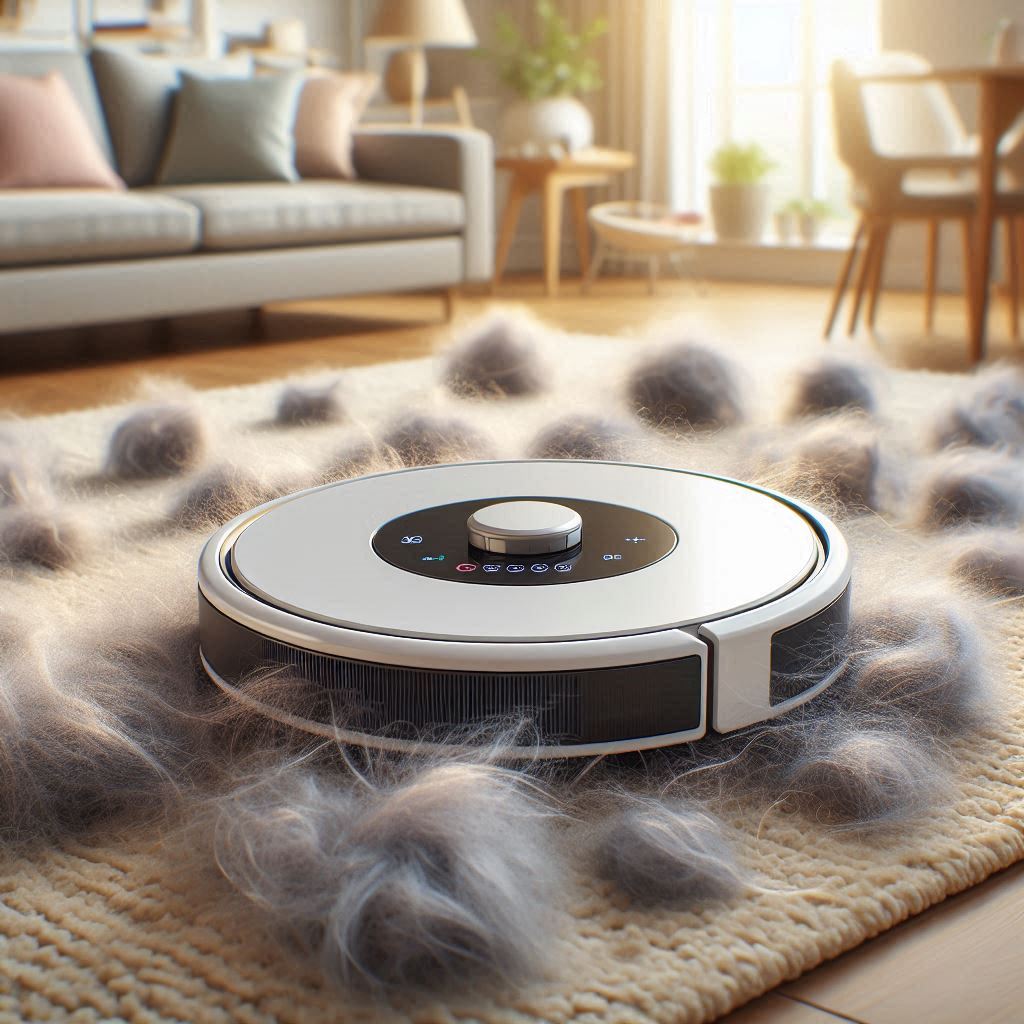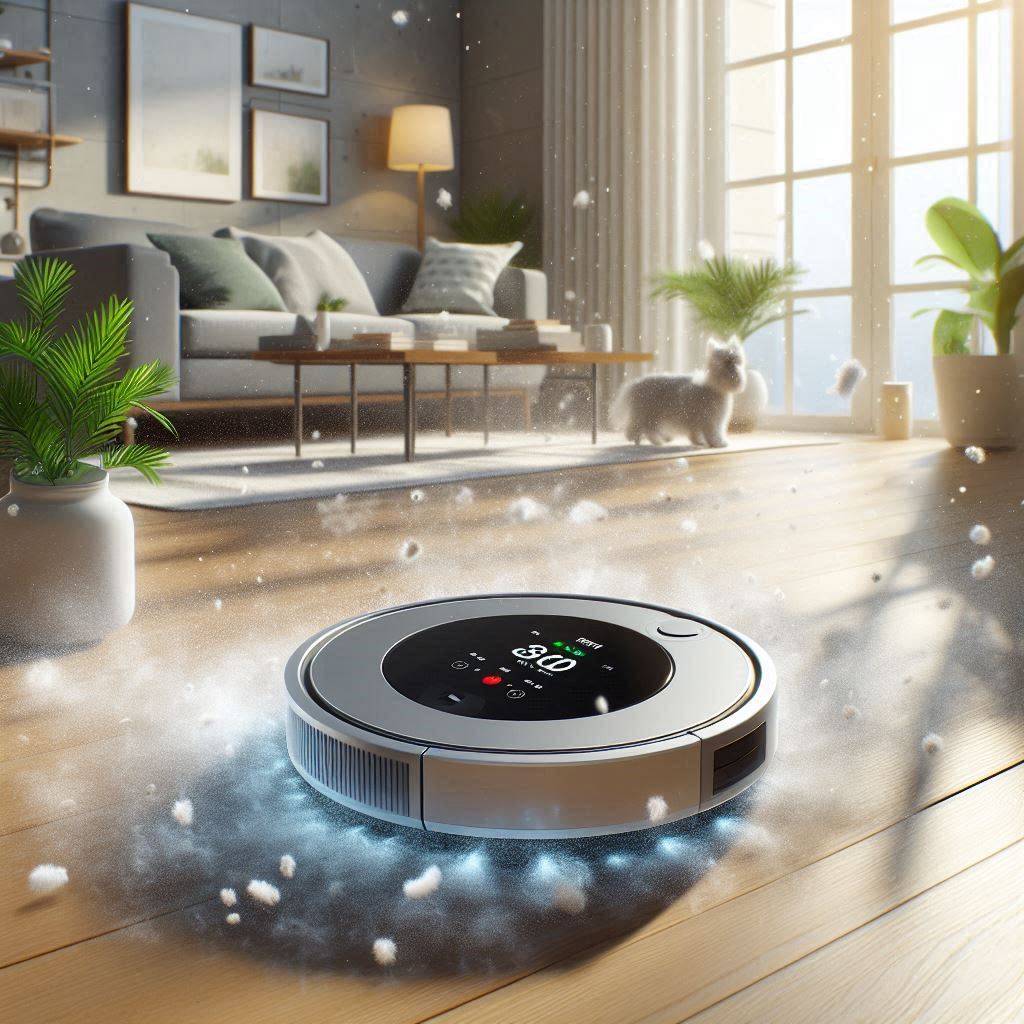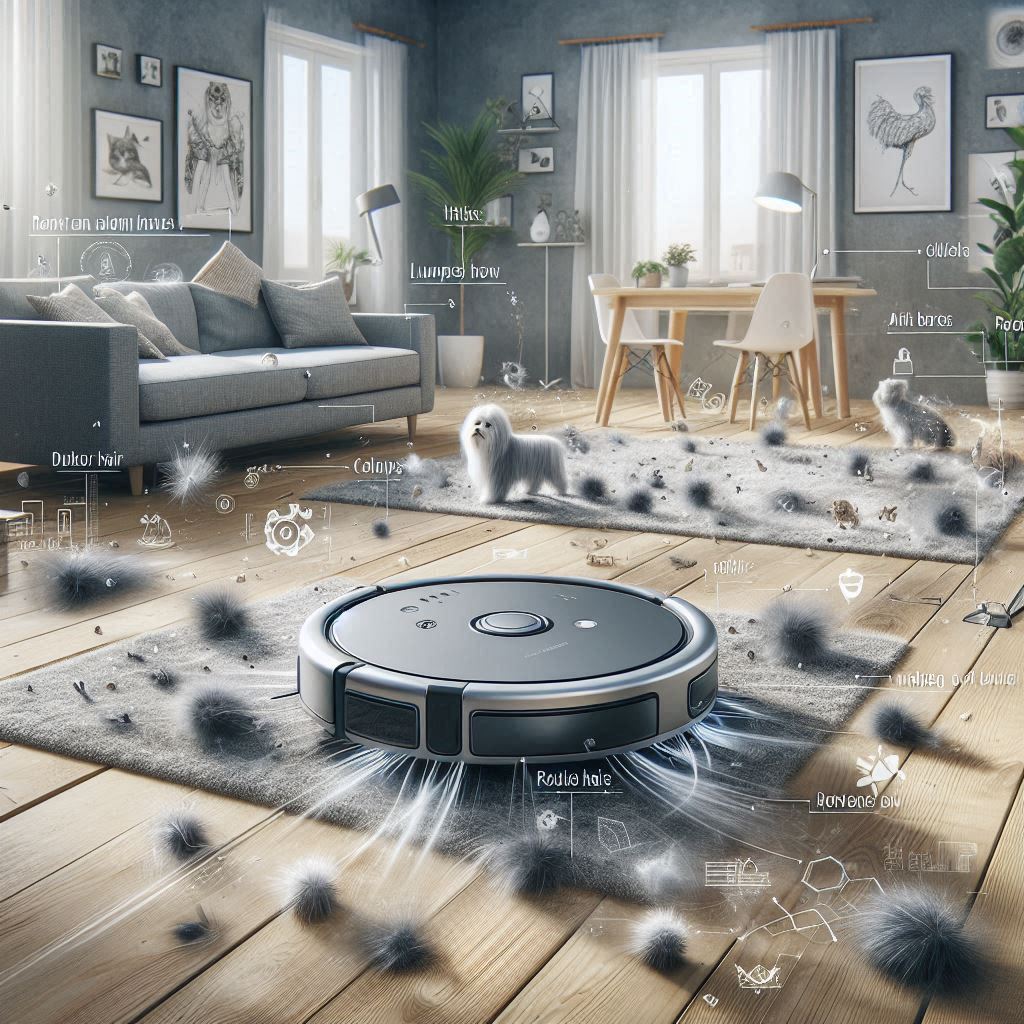
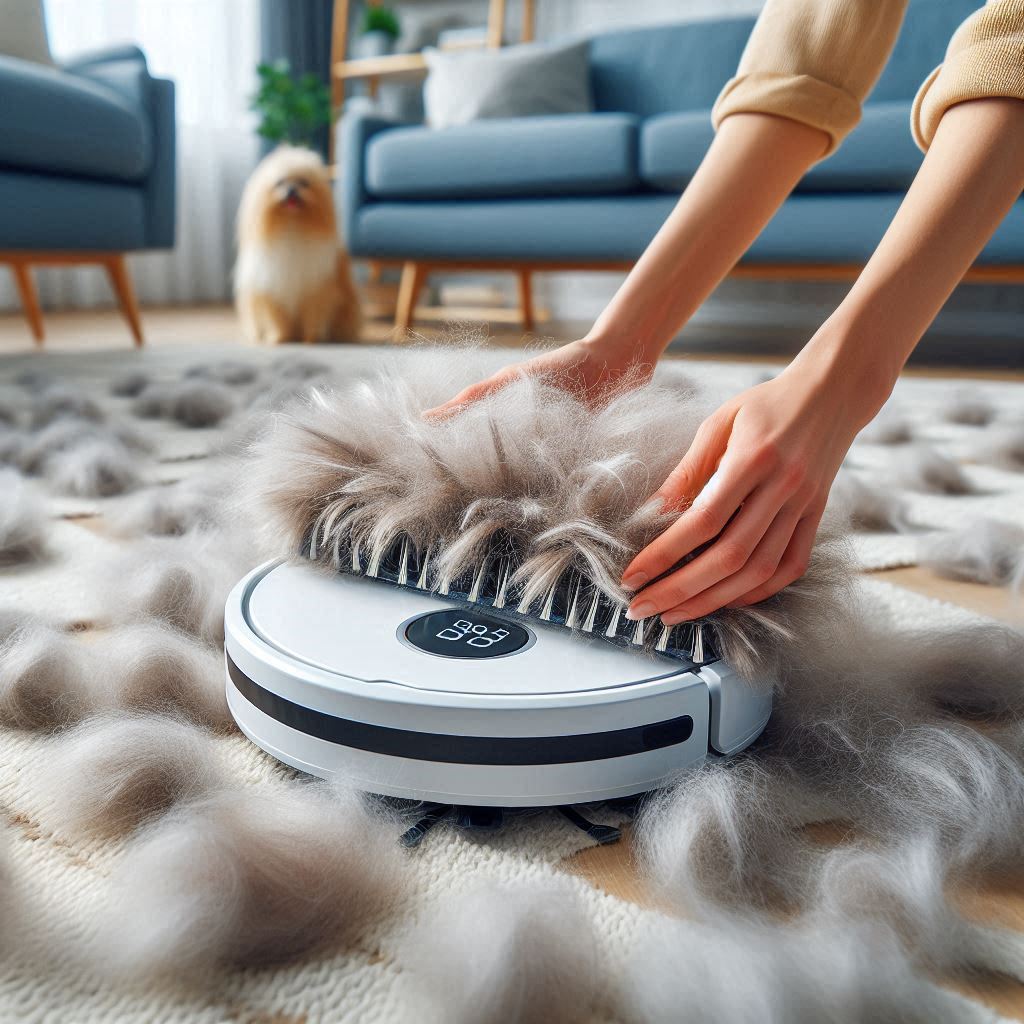
Robot vacuums have become one of the most convenient smart cleaning solutions for busy households—especially for families with pets. Dogs and cats shed hair constantly, releasing both loose strands and fine dander that settle on floors, carpets, furniture, and under beds. While robot vacuums are engineered to collect this debris automatically, pet hair can easily block the filter, resulting in weakened suction, motor strain, overheating, and reduced cleaning efficiency.
In this comprehensive guide, we’ll break down why filter blockages happen, how to prevent them, and which robot vacuum models are best suited for homes with heavy-shedding pets.
Why Pet Hair Blocks Robot Vacuum Filters
Robot vacuum filters are designed to trap dust, dander, allergens, and microscopic debris. However, pet hair introduces a unique set of challenges:
1. Fine Pet Hair + Dander = Filter Overload
Coarse hair strands alone don’t always block filters—but when combined with ultra-fine dander, dust, and residues, a sticky layer forms over filter surfaces. This reduces airflow and forces the vacuum to work harder.
2. Multiple Pets Multiply the Problem
Homes with 2–3 pets shed exponentially more hair. A filter designed for a standard household fills fast and clogs sooner than expected.
3. Long-Haired Breeds Accelerate Blockage
Breeds like Huskies, Golden Retrievers, Persians, and Maine Coons shed heavier hair that wraps around brushes and forces more hair into the filter than short-haired breeds.
4. Small Dust Bin + Small Filters
Many budget and mid-range robot vacuums come with compact filters inside a 0.3–0.5L dust bin. These fill quickly, restricting airflow and causing immediate clogging issues during the first cleaning cycle.
5. Carpet Environments Load Filters Faster
Carpet fibers trap hair deeper than hardwood floors, meaning vacuums inhale more accumulated debris each run—leading to faster filter saturation.
Symptoms of a Filter Blocked by Pet Hair
Here are the signs your robot vacuum is struggling due to filter blockage:
✔ Weakened suction power
✔ Visible hair trails left behind
✔ Loud motor noise or increased vibration
✔ Dust bin appears full faster
✔ Overheating or auto shut-down mid-cycle
✔ Poor performance on carpeted areas
✔ Error messages about airflow or brush resistance
If you’re ticking several of these symptoms, there’s a high probability the filter needs cleaning or replacement.
Impact of Filter Blockage on Robot Vacuum Performance
A blocked filter doesn’t just reduce suction—it affects the entire cleaning system:
➤ Reduced Suction
Pet hair prevents air from moving freely, so suction drops dramatically.
➤ Motor Strain & Overheating
With airflow blocked, the motor runs harder, generating heat. Some vacuums shut down automatically; older models may suffer permanent damage.
➤ Faster Battery Drain
A struggling vacuum uses more power to compensate for blockage, shortening runtime.
➤ Allergy Concerns
Dander remains airborne, leading to allergies, sneezing, and respiratory irritation.
➤ Reduced Lifespan
Repeated blockage without maintenance shortens the vacuum’s functional lifespan.
How to Prevent Filter Blockage from Pet Hair
Fortunately, preventing this issue doesn’t require complicated tools. Here’s how:
1. Clean Filters Regularly
Manufacturers recommend cleaning after 2–3 cycles for standard households. Pet homes should clean filters after every cycle.
2. Replace Filters Frequently
HEPA and high-efficiency filters aren’t meant to last forever. For pet homes:
- Light shedding: Replace every 2 months
- Heavy shedding: Replace monthly
3. Use Tangle-Free Brushes
Rubber brushes prevent hair wrapping, reducing debris forced toward the filter.
4. Empty Dust Bin After Each Run
Keeping the bin light preserves airflow and reduces filter saturation.
5. Use Self-Emptying Robot Vacuums
These models store debris in a larger bag or chamber, preventing constant clogging.
6. Use Pre-Filter Screens
Some vacuums allow mesh screens or foam pre-filters that catch hair before it hits the main filter.
Features to Look for When Choosing a Pet-Friendly Robot Vacuum
Pet owners should prioritize specific features to avoid filter blockage:
✔ HEPA or Ultra-Fine Filters
Captures micro-dander and allergens safely.
✔ Rubber or Anti-Tangle Brushes
Stops hair wrapping before it reaches motor and filter.
✔ Strong Suction (2500Pa+)
Lifts embedded pet hair from rugs reliably.
✔ Self-Emptying Base
Holds weeks of debris without manual emptying.
✔ Large Dust Bins (0.5L+)
Reduces frequency of airflow restriction.
✔ Smart Mapping
Ensures efficient coverage without overworking the vacuum.
Best Robot Vacuums for Pet Hair Without Filter Blockage
Below are models proven to handle hair-heavy homes:
1. iRobot Roomba j7+
Why it’s great:
Rubber rollers prevent tangling, and the Clean Base self-emptying dock helps filter airflow stay unobstructed.
Best for:
Homes with 1–3 pets and mixed flooring.
2. Roborock S8+
Key advantages:
- Dual roller brushes
- HEPA washable filter
- Large dustbin
Perfect for homes with long-haired breeds and carpet coverage.
3. Eufy RoboVac X8 Hybrid
Highlights:
Twin-turbine suction captures micro-dander effectively. Slim design reaches under shedding hot-spots like beds and sofas.
4. Neato D10
Its signature D-shape improves corner cleaning where dander accumulates heavily. Large dustbin + HEPA filtration = less clogging.
Maintenance Routine for Pet Owners (Recommended Schedule)
Here’s an optimal cleaning schedule for pet households:
| Maintenance Task | Frequency |
|---|---|
| Empty dust bin | After every run |
| Clean brushes | Every 2–3 runs |
| Clean filter | Every run |
| Wash filter (if washable) | Weekly |
| Replace filter | Monthly (heavy shedding) |
| Check for blockages | Bi-weekly |
Following this routine can extend your vacuum’s lifespan by 2–3 years.
Pros & Cons of Robot Vacuums for Pet Owners
Pros
✔ Saves time & reduces workload
✔ Removes allergens & dander
✔ Smart scheduling for daily cleaning
✔ Self-emptying bases reduce maintenance
Cons
✘ Filters clog faster in pet homes
✘ Premium models can cost more
✘ Still requires basic maintenance
Final Verdict: Is Filter Blockage Avoidable?
Absolutely. With the right vacuum and routine care, pet hair and dander do not need to destroy your filter or performance. Models such as the Roomba j7+, Roborock S8+, and Eufy X8 are specifically engineered to handle animal shedding without constant blockages.
If your current vacuum struggles due to blocked filters, upgrading to a pet-optimized unit with rubber brushes, HEPA filtration, strong suction, and self-emptying functionality can transform your cleaning routine entirely.
Affiliate Tip for Buyers
Pet owners should prioritize robot vacuums sold in bundle kits with extra filters, brushes, and dust bags. These accessories significantly reduce long-term maintenance costs. Amazon often offers discounted bundles and verified reviews, helping you compare performance before buying.

Related Posts