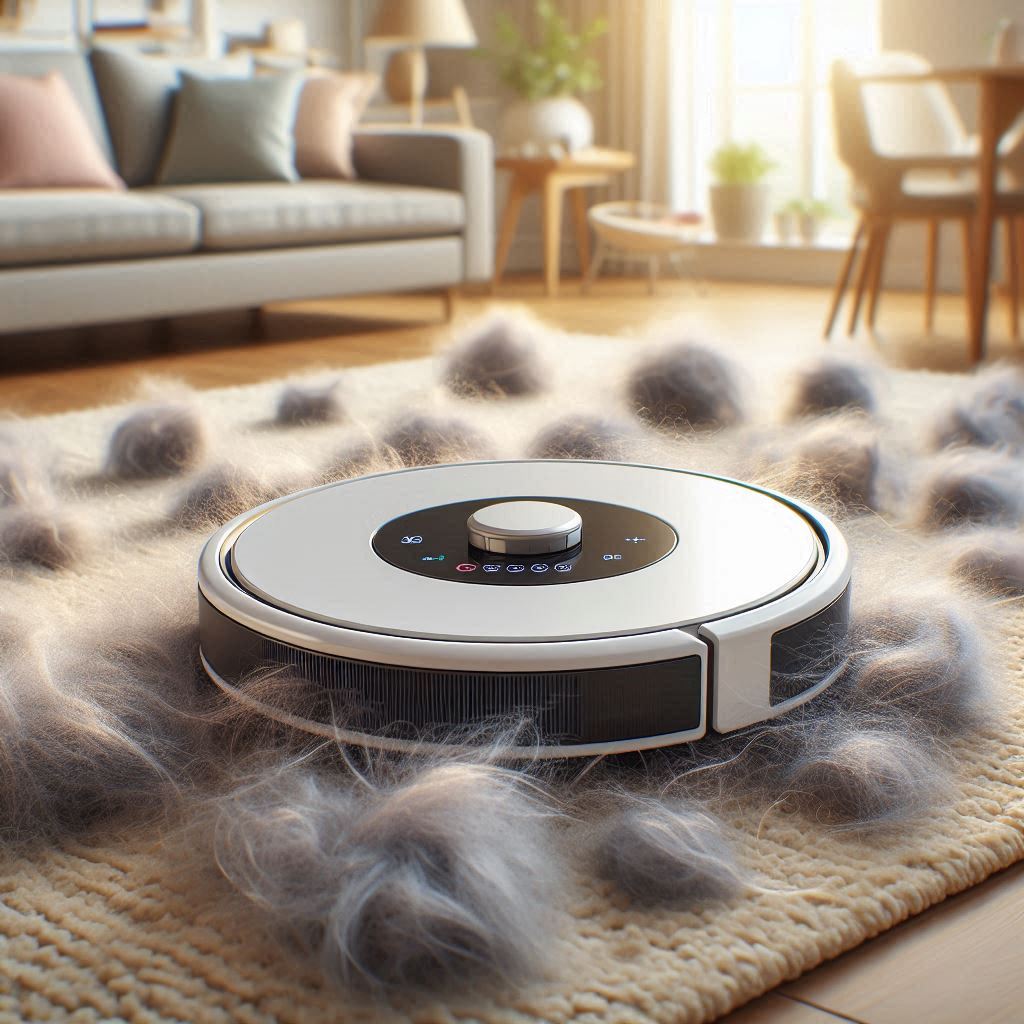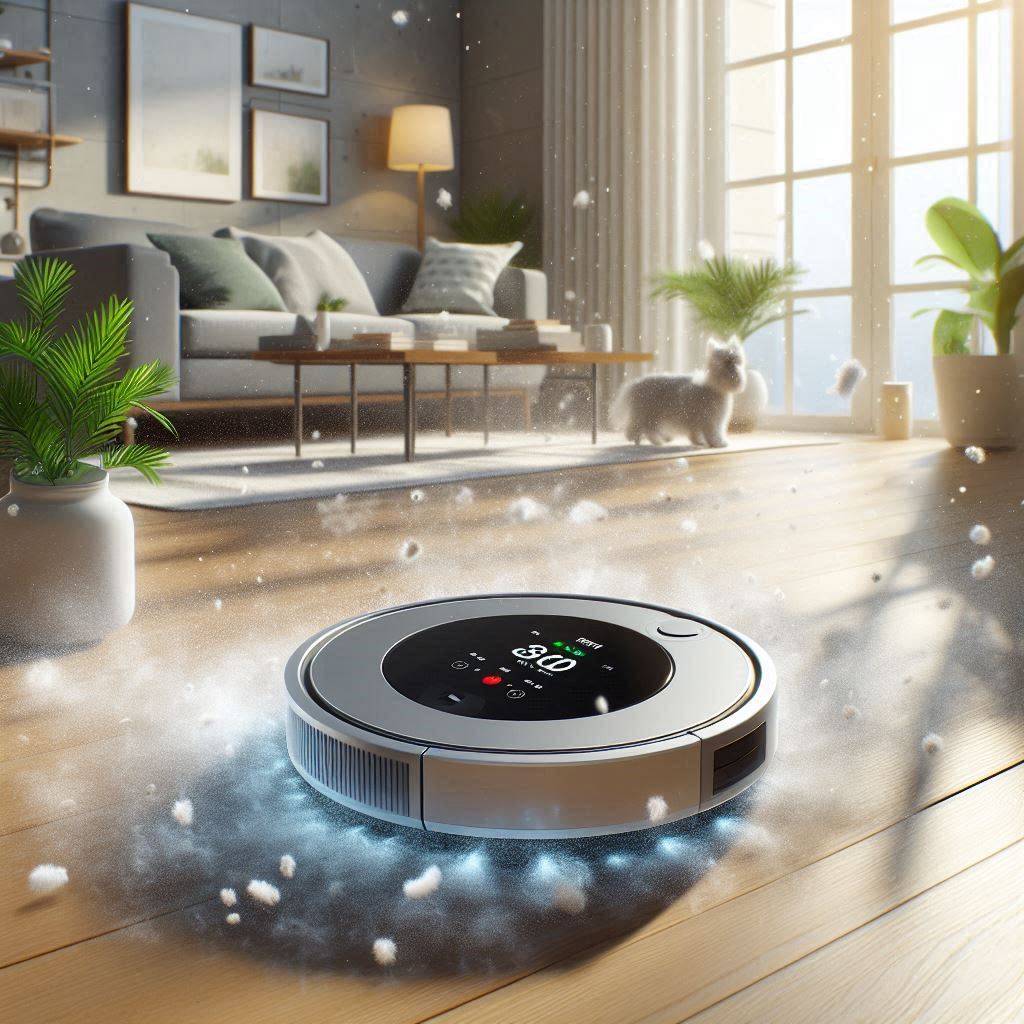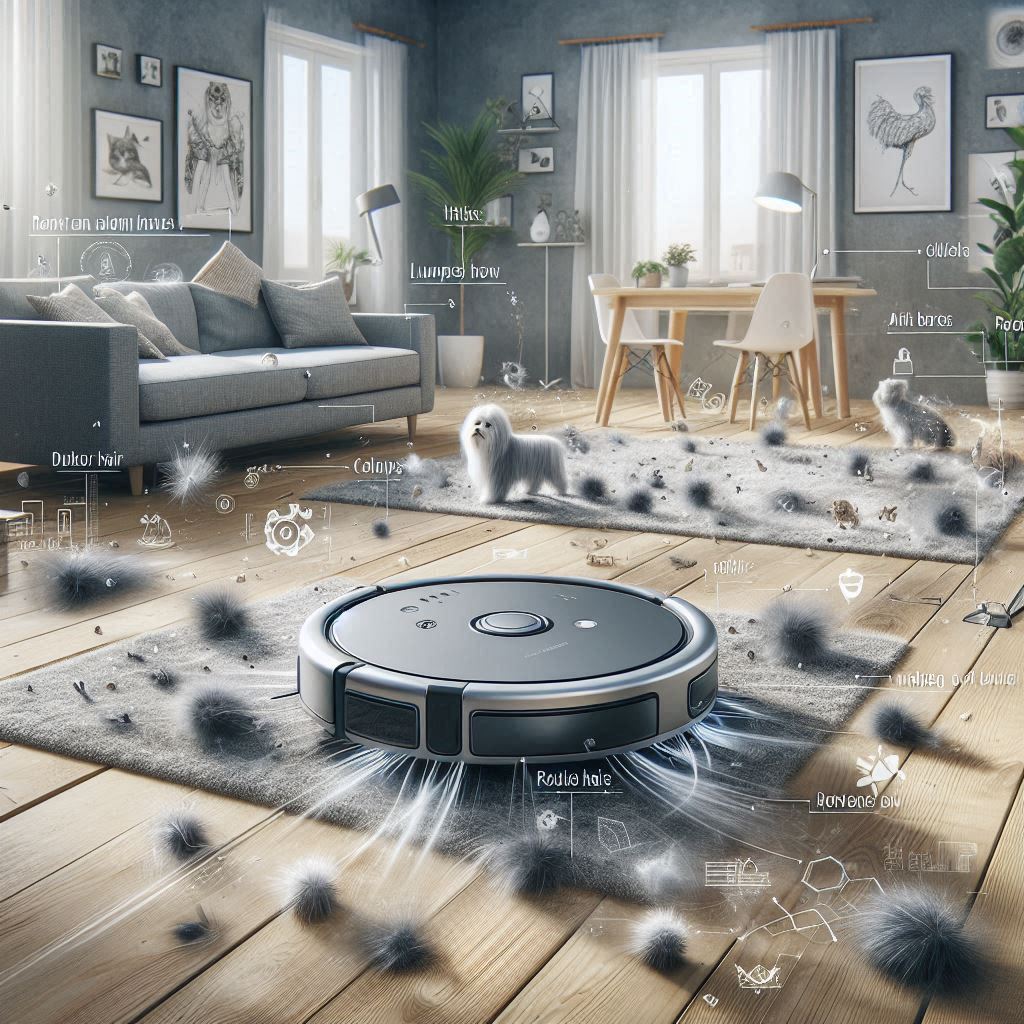
Owning a pet is a joy, but it comes with its fair share of cleaning challenges. Beyond fur, pets shed dander, the tiny flakes of skin that can trigger allergies and accumulate on floors. Robot vacuums promise convenience, automatically cleaning your home while you focus on other things. However, pet dander can quickly clog your vacuum, reducing suction, straining the motor, and even causing malfunctions.
In this article, we’ll explore why robot vacuums get clogged by pet dander, practical ways to prevent it, and the top models that handle dander effectively, keeping your home allergen-free.
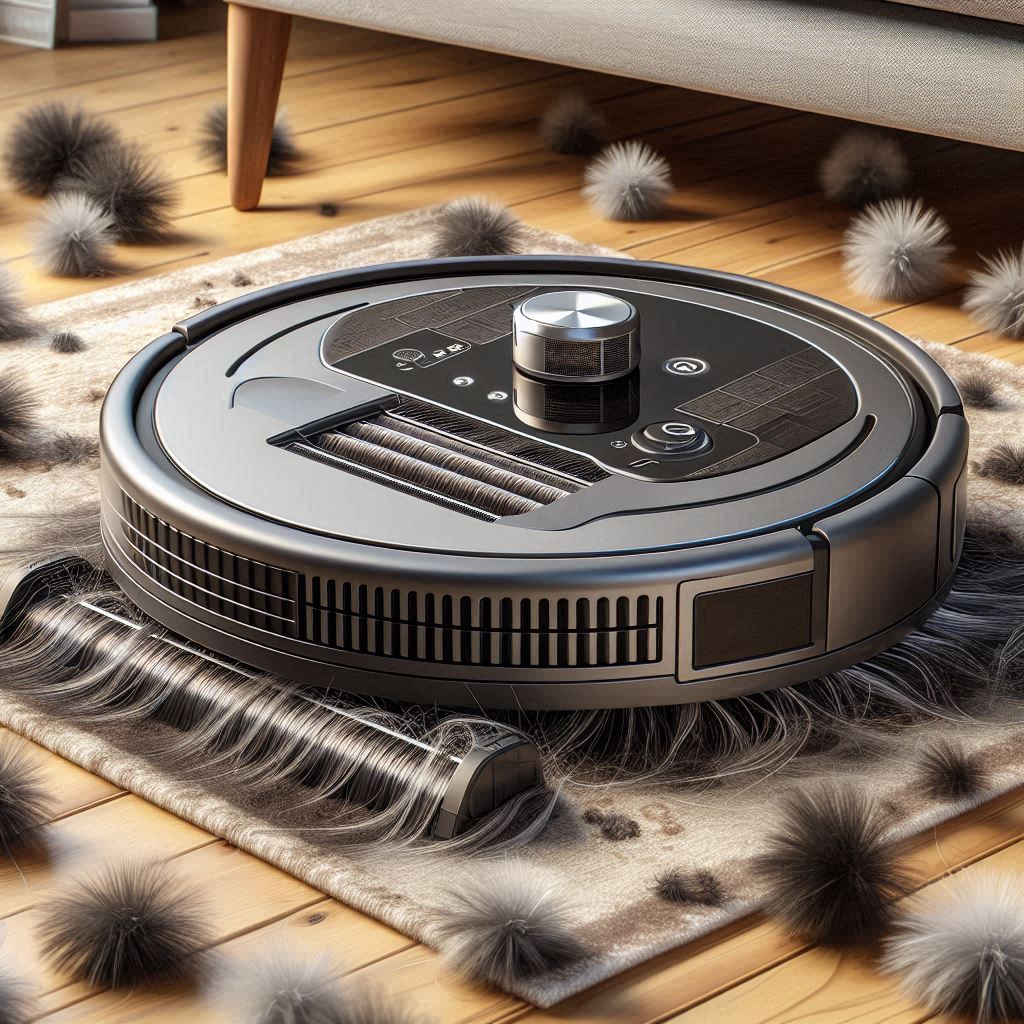
Understanding Pet Dander and Its Impact on Robot Vacuum
Pet dander is extremely fine and lightweight, which allows it to settle in every corner of your home. Unlike hair, dander is invisible to the naked eye but can accumulate inside a robot vacuum in several ways:
1. Filters Become Blocked Quickly
HEPA or standard filters trap dust, fur, and dander. Over time, fine particles coat the filter surface, reducing airflow. A clogged filter prevents efficient suction, meaning your vacuum can’t pick up more dander or hair effectively.
2. Brushes Accumulate Fine Particles
Even though pet dander is microscopic, it can cling to bristles or rubber brushes. As hair wraps around the brush, dander sticks to it, forming a sticky buildup that reduces rotation efficiency and blocks debris from reaching the dust bin.
3. Dust Bin Fills Faster
Unlike hair, which you can see and remove easily, dander adds a hidden layer of debris in the dust bin. Over time, the combined effect of hair and dander clogs the bin, restricting airflow and forcing the vacuum motor to work harder.
4. Air Pathways Get Restricted
Fine particles can penetrate the internal air pathways, reducing motor efficiency and leading to overheating. This is a common problem in homes with multiple pets or heavy shedding breeds.
Signs Your Robot Vacuum is Clogged by Pet Dander
Identifying a clog early can prevent long-term damage:
- Reduced suction, even on smooth surfaces
- Brushes spinning slower or irregularly
- Dust bin seems “full” quickly, even after emptying
- Strong motor noise or unusual odors
- Vacuum stopping mid-cleaning
If you notice these signs, it’s time for maintenance.
How to Prevent Clogs from Pet Dander
Keeping your robot vacuum free of dander requires regular care and some preventive strategies:
1. Clean or Replace Filters Frequently
Check your vacuum’s filter weekly. Washable filters should be rinsed with water and allowed to dry completely. For non-washable HEPA filters, replace them according to the manufacturer’s guidelines. A clean filter ensures airflow is maintained and suction remains strong.
2. Remove Hair from Brushes Regularly
Long hair and bristles trap dander, forming sticky tangles. Remove hair from main and side brushes after each cleaning session. Consider using a tangle-free or rubber brush to reduce buildup.
3. Empty Dust Bin After Each Cycle
Even if it’s not full, pet dander can accumulate quickly. Frequent emptying prevents overfilling and reduces strain on the motor.
4. Shorter Cleaning Cycles
Split vacuuming into shorter sessions to prevent the vacuum from working too hard on high-dander areas. This also reduces the likelihood of clogs in the dust bin and air pathways.
5. Use Zone Cleaning
Many advanced models allow you to define high-traffic pet zones. Focus on these areas first and adjust suction settings to remove the maximum amount of hair and dander without overloading the vacuum.
6. Maintain Airflow Channels
Inspect your robot vacuum’s internal airways and remove accumulated dust and debris. Keeping these clear prevents airflow restrictions and maintains optimal performance.
Features to Look for in a Dander-Friendly Robot Vacuum
When shopping for a robot vacuum in a pet home, certain features can significantly reduce the likelihood of clogs:
- HEPA or High-Efficiency Filters: Captures microscopic dander particles, keeping them out of the air.
- Tangle-Free or Rubber Brushes: Prevents hair and dander buildup that can clog the vacuum.
- Large Dust Bins or Self-Emptying Bases: Reduces the frequency of emptying and prevents airflow restriction.
- Powerful Suction and Adjustable Modes: Helps lift dander from carpets and hardwood efficiently.
- Smart Navigation: Covers all corners systematically to reduce repeated strain on certain areas.
Top Robot Vacuums That Handle Pet Dander Effectively
Here are some of the best models specifically designed to handle pet hair and dander:
1. iRobot Roomba j7+
- Pros: Self-emptying dustbin, tangle-free rubber brushes, advanced navigation
- Why it’s great for dander: Rubber brushes prevent hair buildup, while the self-emptying base keeps filters and bins clear, reducing clogs.
2. Roborock S8+
- Pros: Dual rubber brushes, strong suction, washable HEPA filter
- Why it’s great for dander: Powerful suction ensures fine particles are collected efficiently. Washable HEPA filter maintains airflow and captures allergens.
3. Eufy RoboVac X8 Hybrid
- Pros: Twin-turbine suction, large dustbin, low-profile design
- Why it’s great for dander: Large bin and strong airflow prevent clogging. Twin brushes remove hair and dander effectively from carpets and hardwood floors.
4. Neato D10
- Pros: D-shaped design, laser mapping, large dustbin
- Why it’s great for dander: D-shape design reaches corners where dander accumulates. Large dustbin reduces the risk of airflow restrictions and clogs.
Maintenance Routine to Prevent Clogging
To maximize your vacuum’s lifespan and efficiency:
- Empty the dustbin after each cleaning session to prevent hair and dander buildup.
- Remove hair from brushes and clean roller covers weekly.
- Wash or replace filters every 2–4 weeks depending on usage.
- Inspect airflow channels monthly to remove trapped debris.
- Run shorter cleaning cycles in high-pet areas to reduce strain.
By following this routine, your robot vacuum will remain efficient, allergen-free, and less prone to clogs.
Pros and Cons of Robot Vacuums for Homes with Pet Dander
Pros:
- Efficiently removes pet hair and dander
- Reduces allergy triggers in the home
- Self-emptying bins and HEPA filters minimize maintenance
- Smart navigation ensures systematic cleaning
Cons:
- Premium features increase cost
- Filters need regular cleaning or replacement
- Homes with multiple pets may still require occasional manual touch-ups
Pet dander is one of the most overlooked cleaning challenges for pet owners. While hair is visible, dander accumulates silently, clogging brushes, filters, and dust bins. A robot vacuum designed for pets, equipped with HEPA filters, tangle-free brushes, and self-emptying bins, can efficiently manage both hair and dander while preventing motor strain or overheating.
Models like iRobot Roomba j7+, Roborock S8+, Eufy RoboVac X8 Hybrid, and Neato D10 are ideal choices for homes with pets. Paired with proper maintenance routines—frequent bin emptying, filter care, and brush cleaning—these vacuums will keep your home clean, reduce allergens, and extend the life of your device.

Related Posts