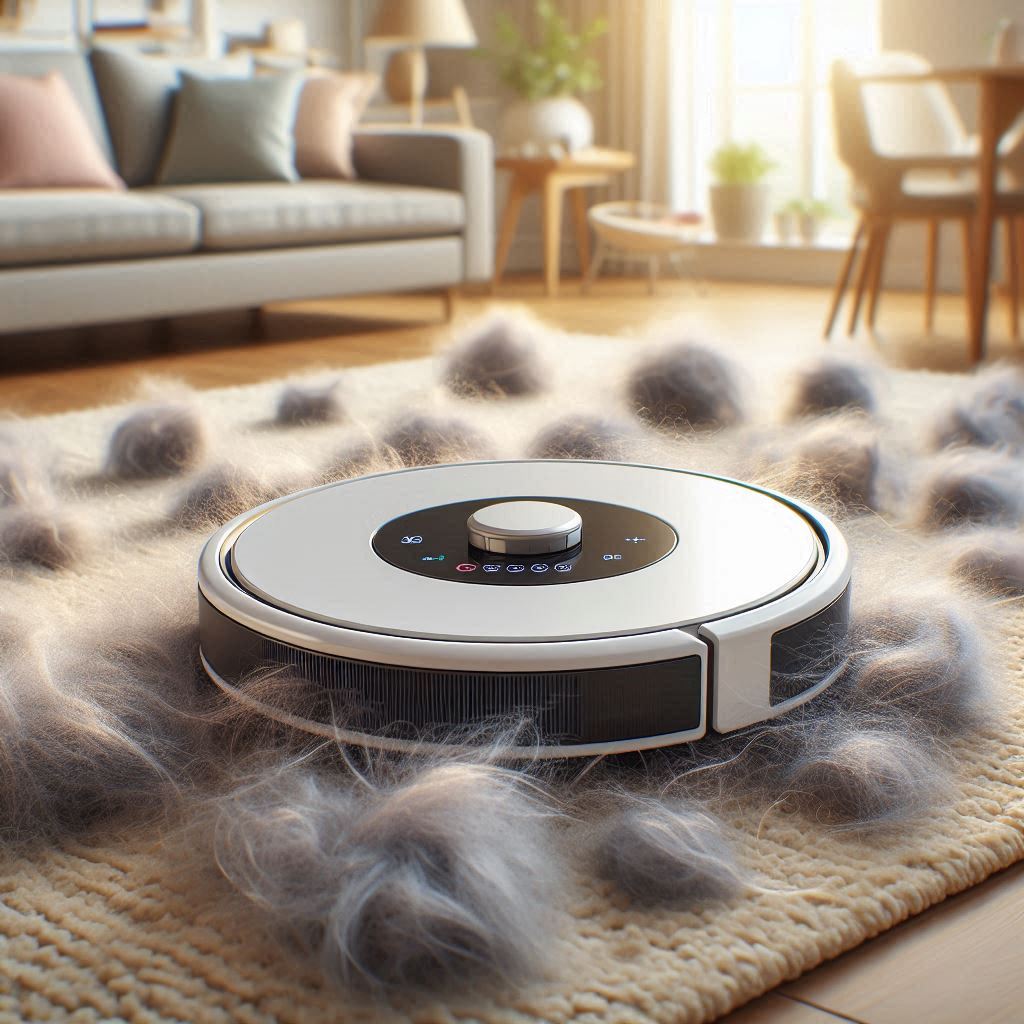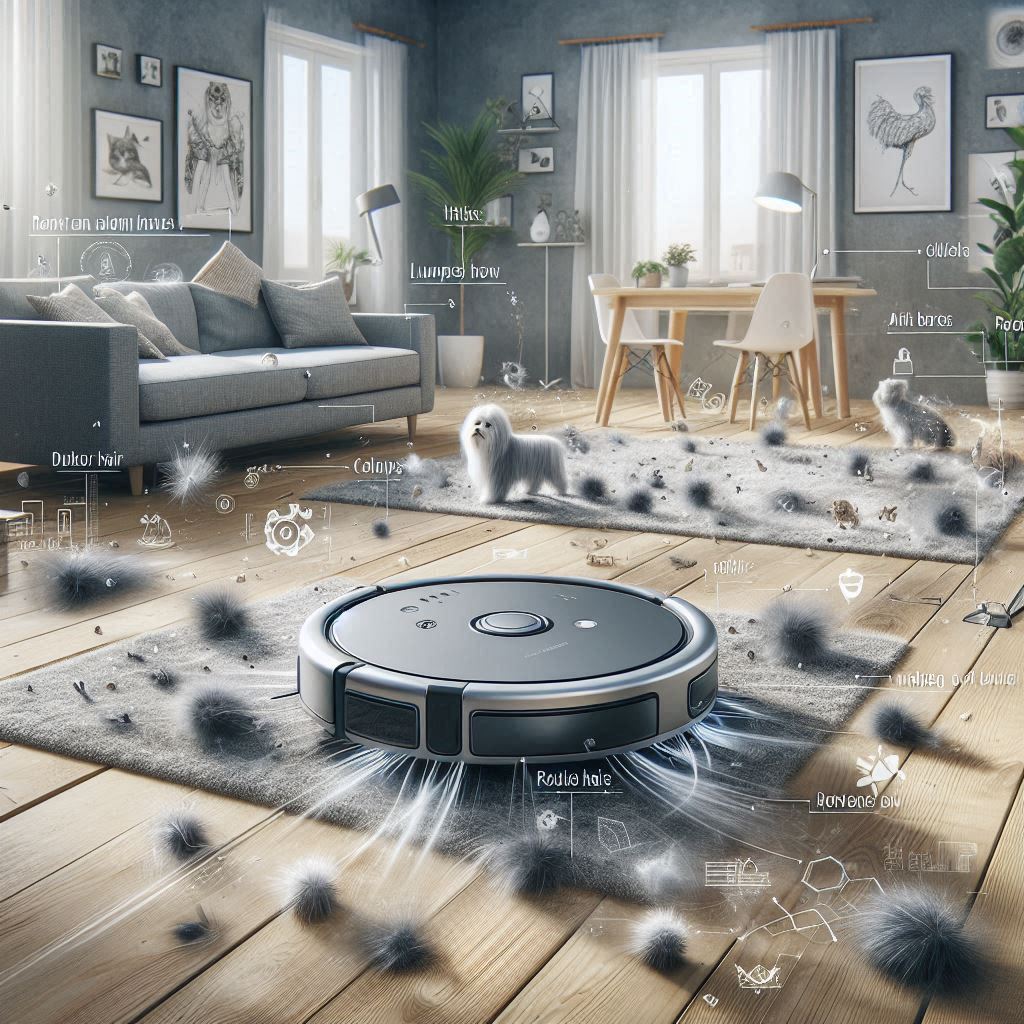
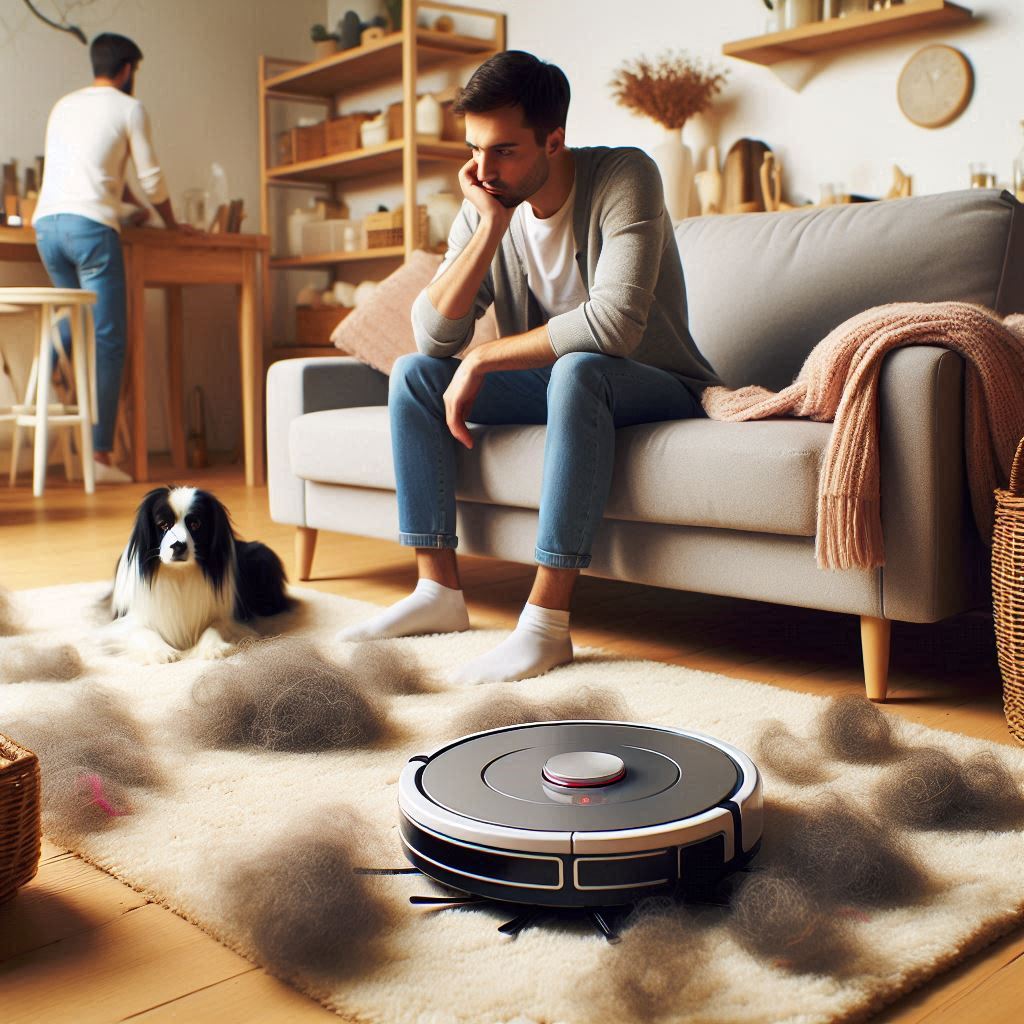
Robot vacuums with auto-empty systems were introduced as the ultimate-time saving upgrade for pet households. Instead of manually emptying dust bins multiple times per week, auto-empty bases suction the debris directly into a larger dust bag. For the average buyer, it sounds like a perfect solution for fur-heavy homes packed with Huskies, Persian cats, German Shepherds, Ragdolls, Retrievers, and mixed shedding breeds.
However, a new issue has begun appearing in long-term reviews, support forums, and real-life testing: auto-empty systems clogging due to dense pet hair. This new problem reveals an uncomfortable truth about the robot vacuum industry. While manufacturers optimized suction power and mapping technology, the auto-empty pipeline design has not evolved fast enough for heavy pet households.
This article breaks down why this clogging happens, what parts of the auto-empty system are affected, how different brands handle it, and what pet owners should consider before buying a 2026 robot vacuum with auto-empty functionality.
Why Auto-Empty Systems Seemed Like the Perfect Pet Solution
Before exploring the problem, it is worth understanding why auto-empty systems became so popular. For pet owners, the traditional robot vacuum workflow had three major frustration points:
The robot dust bin fills too quickly with pet hair
Manual emptying releases allergens into the air
Pet dander sticks inside the robot dust bin
Auto-empty systems were marketed as the direct solution. They promised:
Hands-off disposal
Allergen-sealed dust bags
Less maintenance
Better suction consistency
Longer cleaning cycles
For the first few months, many pet households experienced exactly this benefit. But after extended use, new mechanical complications became noticeable.
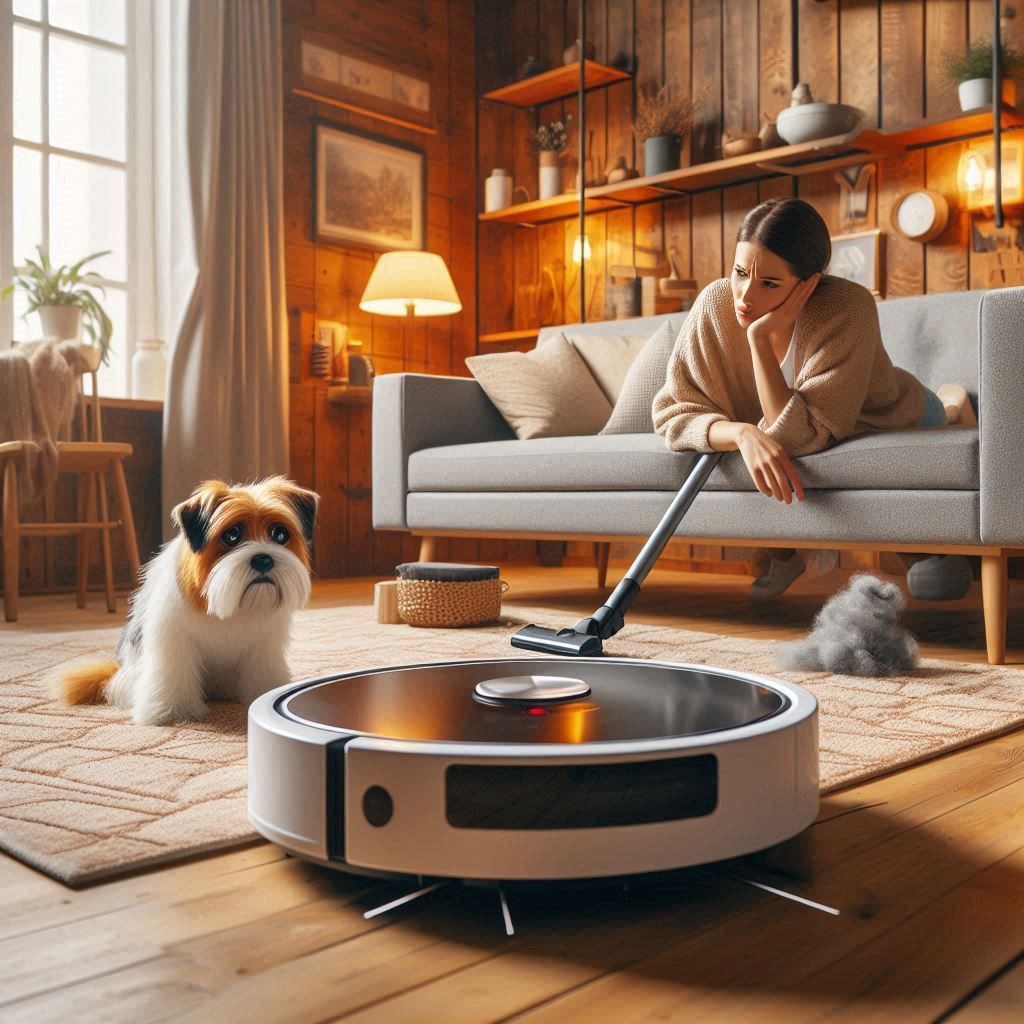
The Core Problem: Pet Hair is Not the Same as Dust
Robot vacuums were originally designed for dust, crumbs, and light debris. Pet hair introduces a different physical material entirely. Hair is long, flexible, electrostatic, and forms dense clumps. When combined with dust and dander, it creates what engineers call cohesive debris, meaning it sticks to itself and forms mats that resist airflow.
Auto-empty systems rely on suction through narrow channels. Dense cohesive debris is more likely to clog these channels than loose dust alone. This is where the pet clogging problem begins.
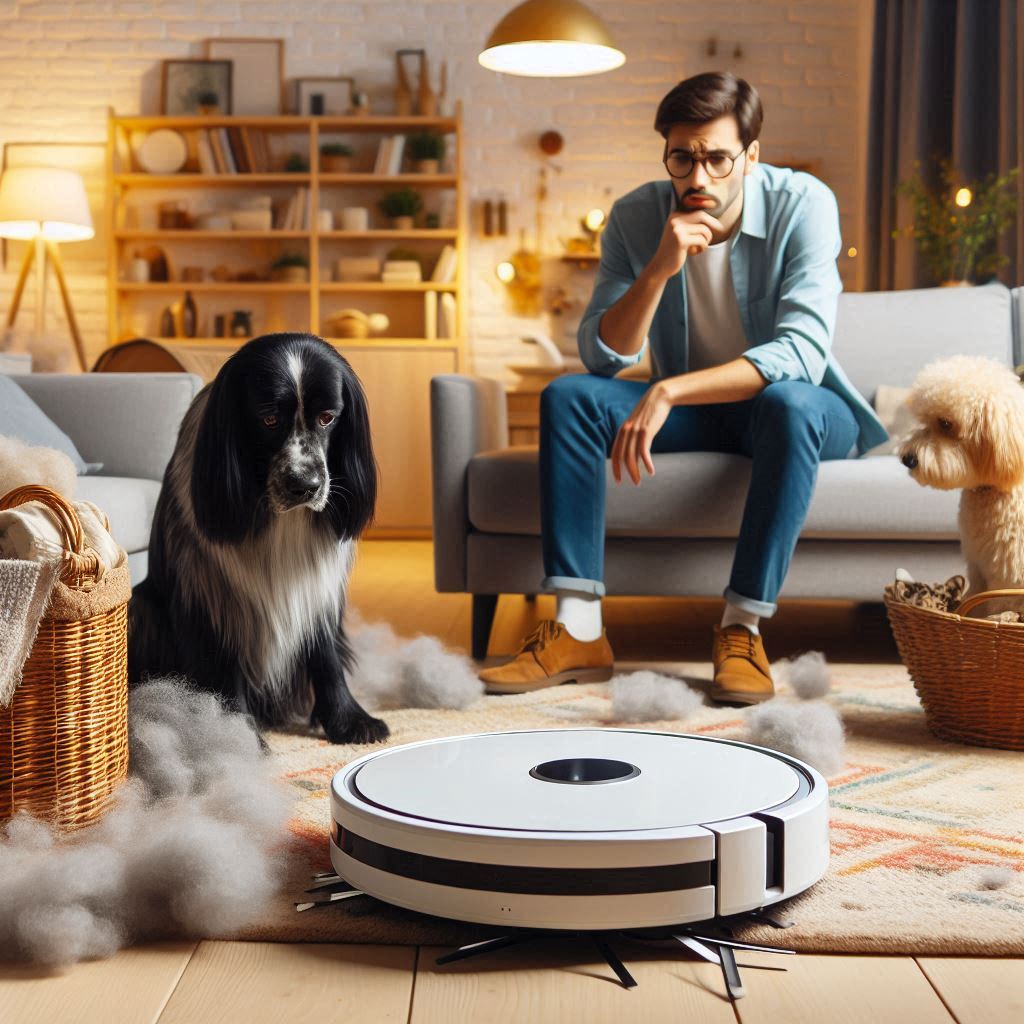
Parts of the Auto-Empty System That Clog Due to Pet Hair
Clogging does not happen in a single location. Heavy pet hair environments introduce multiple potential choke points:
Dust bin exit port
Transfer tunnel or chute
Cyclone chamber (on cyclone-style bases)
Dust bag inlet
Dock filter screen
Brush channel leading to dust bin
Robot dust bin mesh screens
If any of these points clog, auto-empty functionality weakens or stops entirely. This forces users to manually intervene, defeating the purpose of purchasing an auto-empty system.
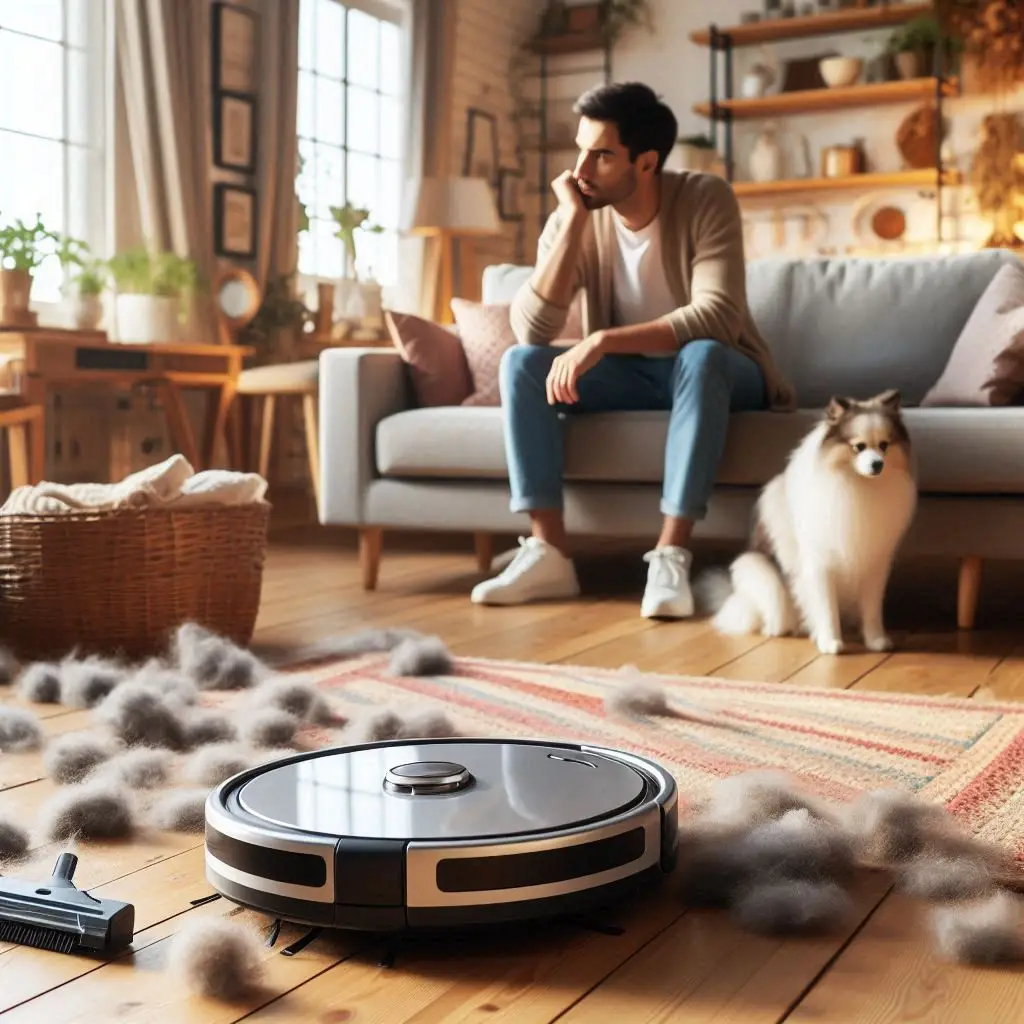
Behavioral Symptoms in Pet Households
Robot vacuums show specific behaviors when auto-empty clogs begin. The most common symptoms include:
Auto-empty suction becomes weaker
Dust bin fails to empty completely
Hair is left stuck inside the robot bin
Auto-empty cycle repeats multiple times
Dust bag fills unevenly or appears half empty
Robot error messages about airflow restriction
Dust blows backward into the robot bin
Dock becomes louder than usual due to airflow strain
These symptoms appear more frequently in homes with long-hair breeds and multiple pets.
The Hidden Culprit: Hair Density and Moisture
One factor that makes pet environments more difficult is moisture. Pet households contain more water-laden debris than non-pet households. Moisture comes from:
Pet saliva
Pet water bowls
Pet grooming
Pet noses touching surfaces
Pet food residues
When moisture binds with pet hair and dust, it creates semi-sticky conglomerates. These are significantly harder for the auto-empty tunnel to move. Budget auto-empty bases lack the cyclone force to break them apart.
Why Some Brands Handle Pet Hair Better Than Others
Based on current 2025-2026 performance trends, the following ranking emerges for auto-empty systems in heavy pet environments:
Strongest performance
Roborock
Dreame
Ecovacs
Moderate performance
iRobot Roomba
Weak performance
Shark
Generic Amazon brands
The biggest performance gaps come from engineering differences in:
Dock suction strength
Dust tunnel diameter
Cyclone dust separation
Brush design and airflow management
Dust bag architecture
Roborock, Dreame, and Ecovacs use cyclone-based chambers that break hair clusters before bag entry. iRobot uses vacuum-bag suction without cyclone, which works well for dust but not for dense mats. Shark and budget brands use narrow-chute suction systems that clog quickly.
Why Long-Term Reviews Reveal the Problem More Than Day-One Reviews
Auto-empty clogging is not noticeable during the first few weeks or months of ownership. New units have clean channels, fresh filters, and no internal debris. After six months of pet use, clogging becomes more visible. After one to two years, airflow channels narrow due to micro buildup.
This explains why product pages often show high early ratings, while updated reviews mention clogging, suction loss, and maintenance burden later.
Clogging Impacts Cleaning Efficiency and Battery Performance
Auto-empty failure has cascading effects:
Dust bin fills faster
Suction channels in the robot reduce efficiency
Robot airflow sensors detect resistance
Carpet boost engages more frequently
Battery consumption increases
Cleaning coverage decreases
Pet owners notice more hair left behind on carpet after auto-empty issues begin, especially if they rely on daily unattended cleaning cycles.
Pet Hair Type Also Matters
Not all pet hair behaves the same in auto-empty systems. Performance varies based on hair texture and length.
Long hair breeds such as Huskies, Golden Retrievers, German Shepherds, and Persian cats produce ribbon-style hair strands that form clumps.
Short hair breeds such as Pugs, Boxers, Beagles, and British Shorthairs produce shorter, fine strands that mix with dust and create cohesive mats.
Wire hair breeds such as Terriers produce stiff hair that wedges into filters and mesh screens.
Multi-pet households experience combined clogging behavior that strains the auto-empty channel even further.
Solutions That Improve Auto-Empty Performance for Pet Owners
Several adjustments help pet owners reduce clogging:
Shorter cleaning intervals reduce bin density
Dust bag replacement before full capacity improves airflow
Weekly chute cleaning prevents block formation
Cyclone-style docks reduce hair clustering
Anti-static brushes reduce tunnel sticking
Pet grooming reduces floor hair volume
Pre-vacuuming high-shed zones can prevent compaction
These solutions significantly reduce clogging in heavy pet environments.
What Pet Owners Should Look for When Buying in 2026
Pet households should not buy auto-empty systems blindly. Key features matter:
Cyclone separation before dust bag entry
Wide dust chute diameter
High dock suction power
Anti-clog dust bin ports
Anti-hair brush systems
Minimum 5000 Pa suction on the robot
Sealed dock bags for allergen control
Battery above 4000 mAh
Self-cleaning wheel and brush chambers
These features collectively improve long-term performance.
Recommended Auto-Empty Robots for Pet Hair Clogging
Best overall for pet households
Roborock S8 Pro Ultra
Best mid-tier performance
Dreame L10s Ultra
Best for allergy-sensitive homes
Ecovacs T20 Omni
Best budget option that still works
Shark AI Ultra with Auto-Empty Base
Generic budget auto-empty systems should be avoided by heavy pet households.
Auto-empty systems are not failing because the technology is flawed. They are failing because pet households introduce material that the first generation of auto-empty bases was not engineered for. Manufacturers optimized dust removal, not cohesive hair clump removal. As more robot vacuum buyers become pet owners, filtration tunnels, cyclone separation, brush architecture, and airflow engineering must evolve.
For pet owners, auto-empty is still one of the best upgrades available, but buyers must choose models designed specifically for pet environments instead of assuming all auto-empty systems perform equally.

Related Posts