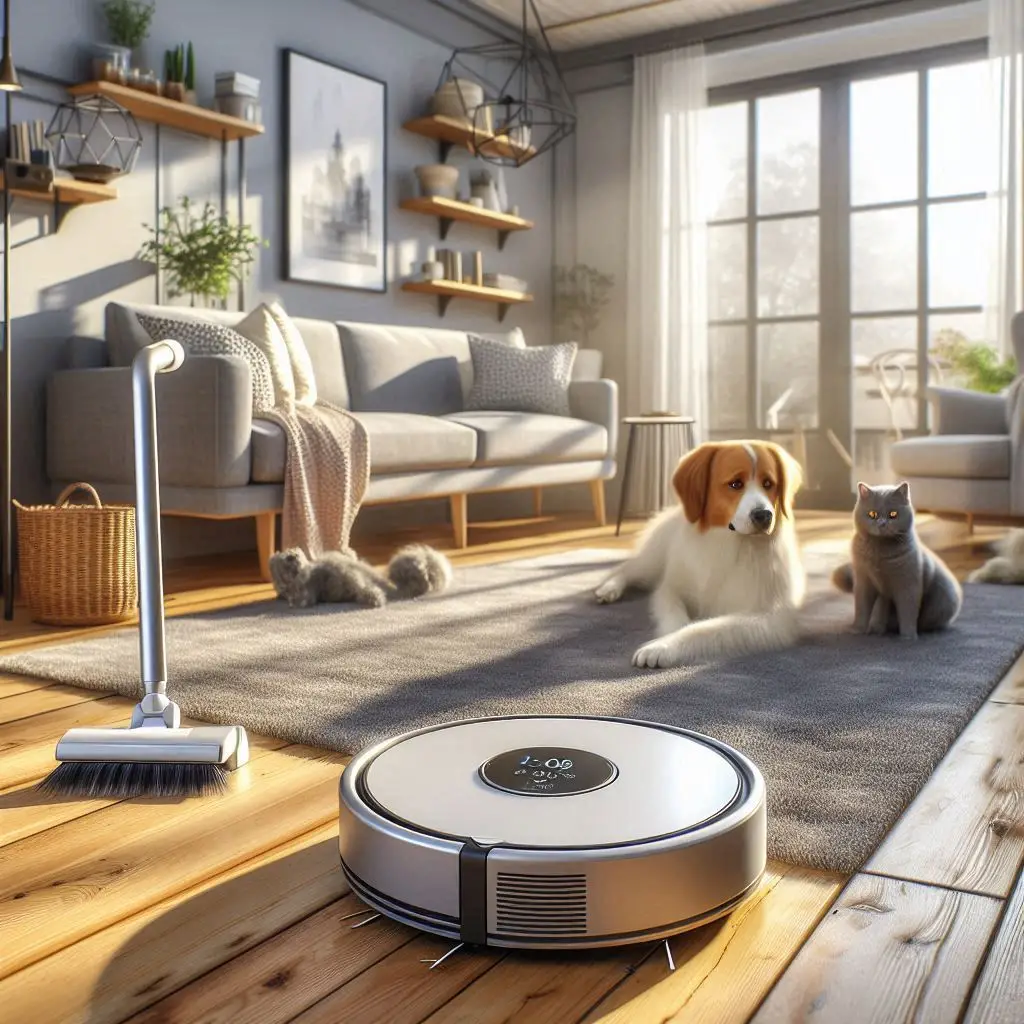
Pet owners know the struggle of managing loose fur in every corner of the home. Even with robot vacuums, one recurring issue is pet hair clinging to baseboards due to static electricity. While robots clean floors efficiently, hair often refuses to move away from baseboards, sticking stubbornly in thin layers. This not only affects the visual cleanliness of your home but can also reduce air quality and spread allergens. This guide explains why static causes hair cling, the limitations of robot vacuums, practical solutions, and Amazon buying strategies for effective pet hair management in 2026.
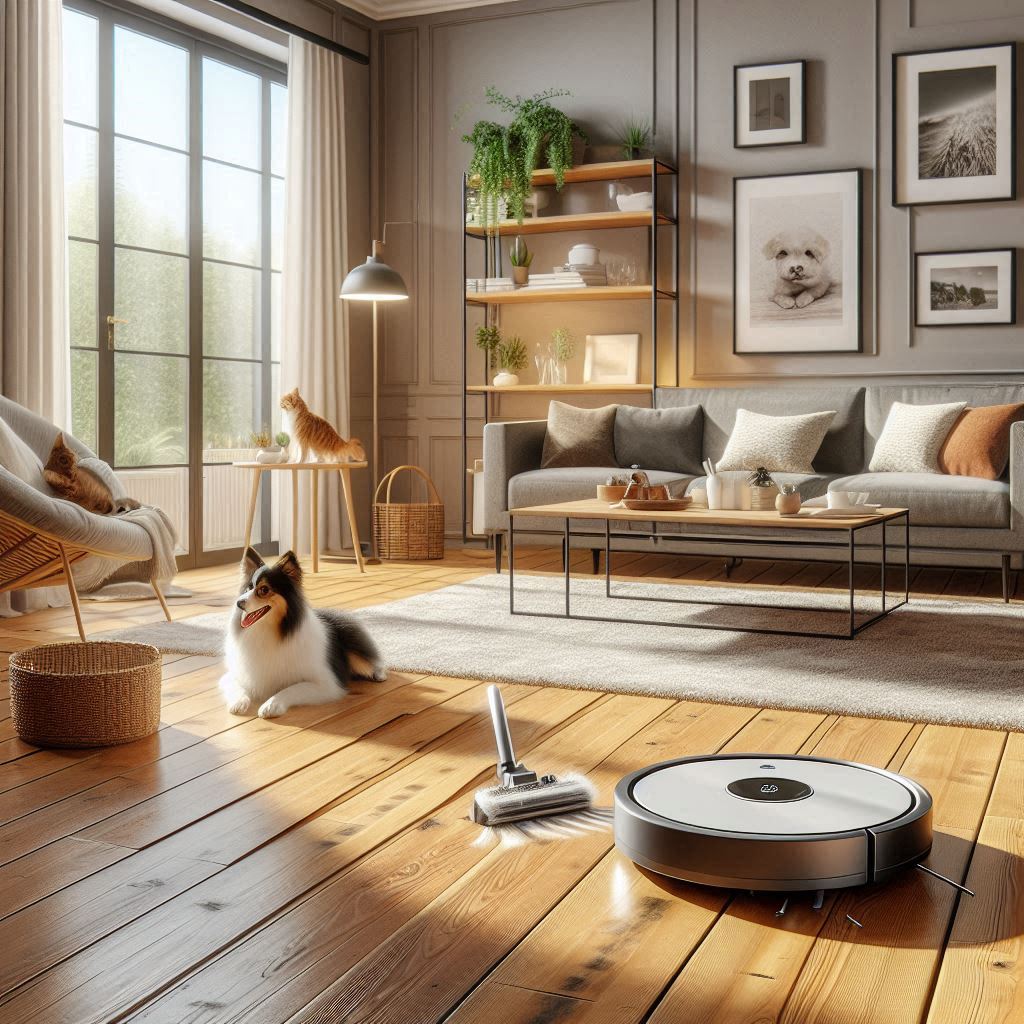
Why Pet Hair Clings to Baseboards
Pet hair accumulation along baseboards is common, but static electricity intensifies the problem:
1. Material of Baseboards
Wood, painted surfaces, vinyl, or plastic can carry static charges, attracting pet hair like a magnet.
2. Low Humidity Environments
Dry winter air or central heating increases static buildup, causing hair to cling more stubbornly.
3. Airflow from Heating and Cooling Systems
HVAC systems can push loose hair toward walls and baseboards, where it sticks due to static charge.
4. Fine Hair and Pet Dander
Small, lightweight hairs and dander adhere more easily than thick fur, creating persistent hair layers that robots cannot fully remove.
Why Robot Vacuums Struggle With Baseboard Hair
Limited Brush Reach
Most robots have side brushes that extend slightly beyond their body. While effective for edges, the reach may not fully sweep hair off baseboards.
Hair Clinging Due to Static
Even when brushes make contact, hair can cling to baseboards instead of being pulled into the suction path.
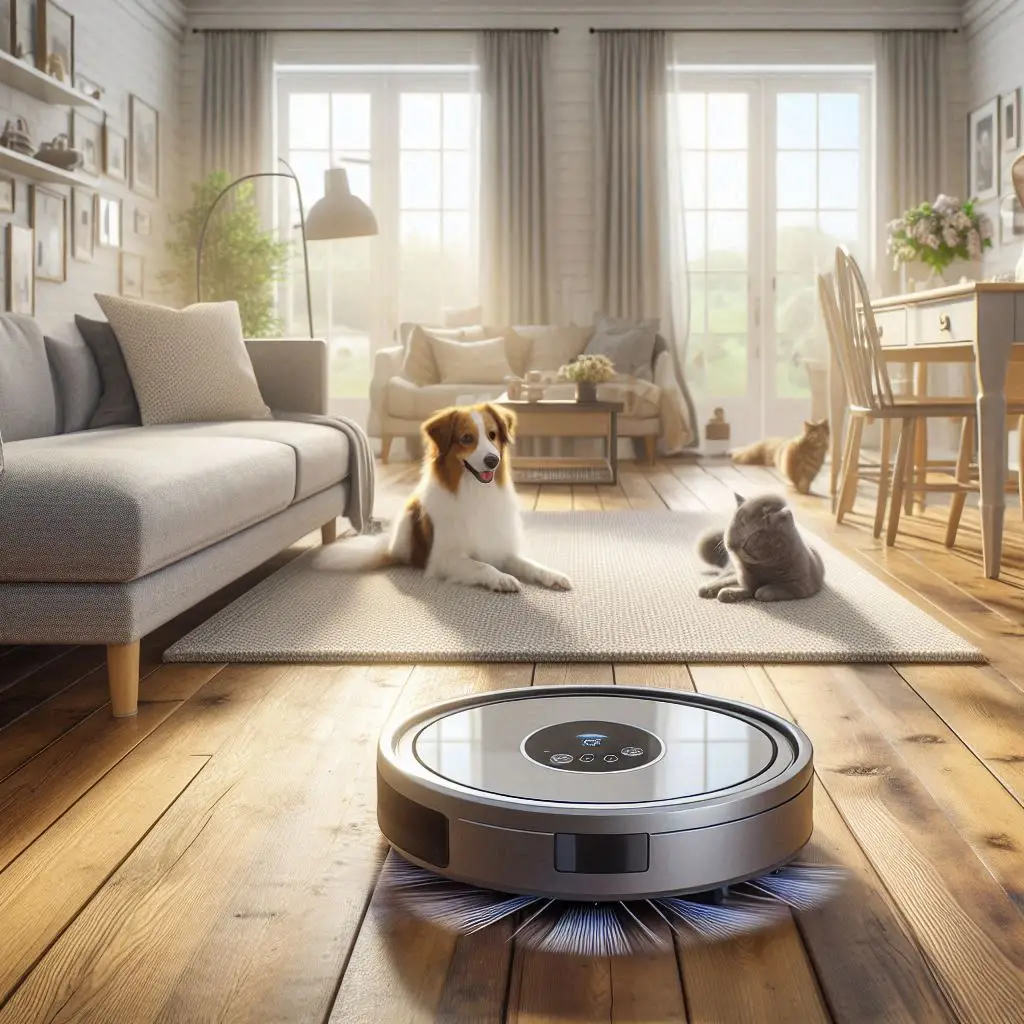
Navigation Limitations
Robots may avoid bumping too close to baseboards to protect walls or sensors, leaving a small gap where hair remains.
Suction Power Insufficient for Static Hair
Standard suction may pull loose hair from floors but cannot overcome the electrostatic force holding hair to baseboards.
Practical Solutions to Reduce Static Hair on Baseboards
1. Use Anti-Static Cleaning Tools
Microfiber cloths, anti-static dusters, or electrostatic sweepers help remove clinging hair that robots cannot reach.
2. Humidity Management
Increase indoor humidity with a humidifier to reduce static buildup on walls and baseboards.
3. Side Brush Optimization
Robots with adjustable or long side brushes sweep closer to walls, helping pick up hair near the baseboard.
4. Regular Vacuuming
Running the robot frequently prevents hair from forming dense layers that stick to static surfaces.
5. Pre-Clean High-Shedding Areas
Pet beds, feeding areas, and high-traffic spots tend to produce more hair that migrates to walls. Pre-cleaning reduces hair accumulation near baseboards.
6. Manual Spot Cleaning
Even with a robot, spot cleaning along baseboards is sometimes necessary, especially in homes with multiple shedding pets.
Features to Look for in Robots for Baseboard Pet Hair
Anti-Tangle Brushes
Rubber or silicone brushes prevent hair wrap and improve edge collection near baseboards.
High Suction Power
Adjustable suction ensures hair is lifted effectively, even near edges.
Edge Cleaning or Wall Follow Mode
Robots with dedicated edge cleaning cycles focus on baseboards, reducing hair cling.
HEPA Filtration
Captures airborne dander dislodged during baseboard cleaning, improving overall air quality.
Low-Profile Design
Allows robots to get closer to edges without leaving gaps between the wall and cleaning path.
Maintenance Tips for Baseboard Cleaning Efficiency
Brush Cleaning
Remove hair from side brushes regularly to maintain edge cleaning performance.
Filter Maintenance
Replace HEPA filters every 6–8 weeks in homes with heavy shedding pets to maintain suction efficiency.
Dust Bin Management
Empty bins frequently to ensure maximum airflow and prevent hair accumulation near brushes.
Sensor Cleaning
Keep edge sensors free from dust and hair to allow precise wall-following and baseboard coverage.
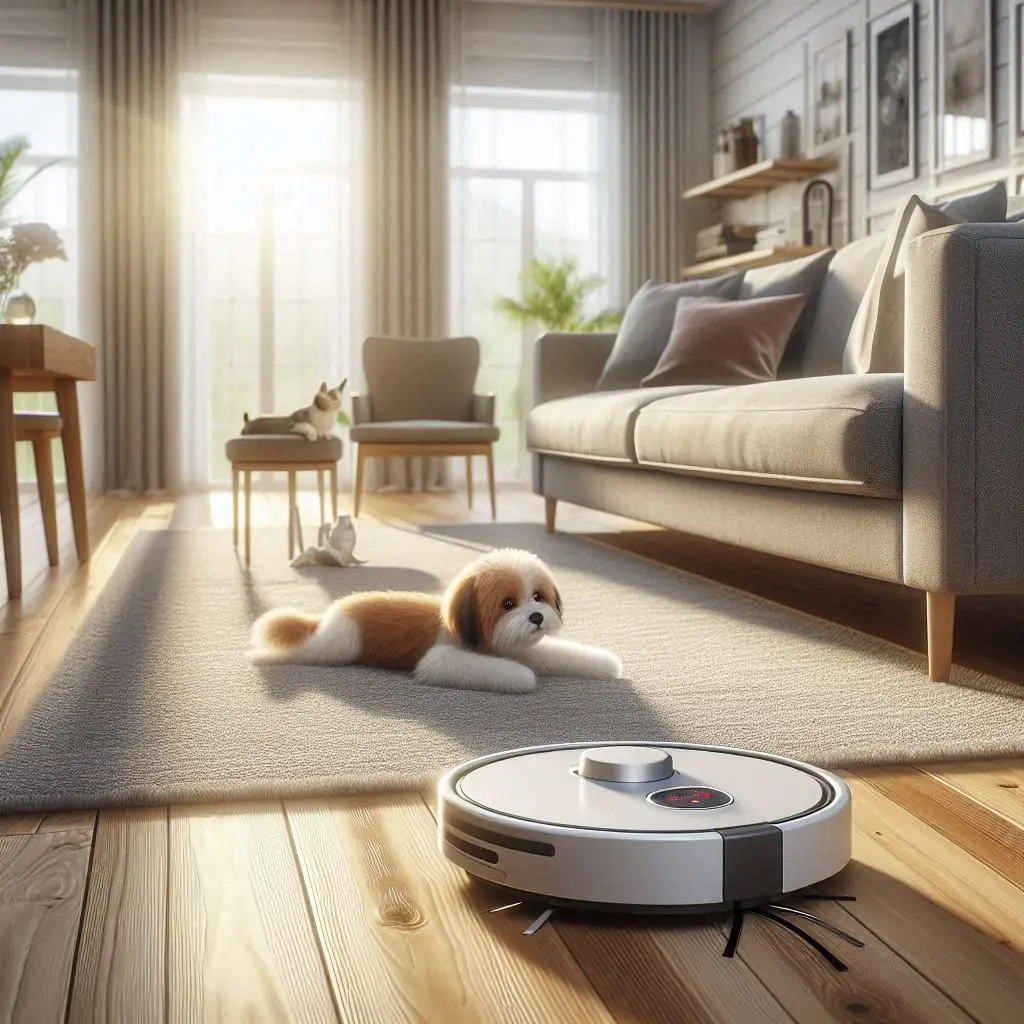
Common Pitfalls to Avoid
Ignoring Edge Hair
Robot vacuums alone may not remove static-clinging hair; waiting too long allows layers to accumulate.
Using Inadequate Brushes
Cheap or short side brushes fail to sweep hair near baseboards effectively.
Low Suction Settings
Running robots in quiet or low suction mode may not overcome static cling, leaving hair behind.
Neglecting Manual Cleaning
Even the best robots need occasional manual intervention for stubborn hair stuck to baseboards.
Amazon Features to Look For in 2026 Models
- Edge Cleaning or Wall Follow Mode: Targets baseboards specifically.
- Anti-Tangle Side Brushes: Reduces hair wrap and improves pickup.
- High Suction Levels: Effective for clinging hair.
- HEPA Filtration: Traps hair and dander released during cleaning.
- Smart Navigation: Ensures close, consistent baseboard coverage.
- Large Dust Bin or Auto-Empty Station: Handles heavy pet hair loads without interruption.
Top Robot Vacuums for Baseboard Pet Hair in 2026
iRobot Roomba j7+ – Advanced edge cleaning, anti-tangle brushes, HEPA filtration, wall-follow mode, and auto-empty dock.
Roborock S8 Pro Ultra – High suction, long side brushes, low-profile design, and smart mapping for edge cleaning.
Ecovacs Deebot T10 Omni – Rubber side brushes, HEPA filters, and optimized wall-follow technology.
Neabot NoMo Q11 – Low-clearance design, anti-tangle brushes, strong suction, and app-controlled edge cleaning cycles.
Amazon Tip: Always check the robot’s baseboard reach, brush type, and suction settings before purchase. Replacement brush packs are recommended for long-term maintenance in pet-heavy homes.
Pet hair sticking to baseboards due to static is a persistent challenge in multi-pet households. Robot vacuums alone cannot always overcome static forces, but selecting models with edge cleaning modes, anti-tangle brushes, high suction, and HEPA filtration significantly reduces hair accumulation. Frequent maintenance, humidity control, and occasional manual spot cleaning further enhance performance. For 2026 pet owners, investing in a robot vacuum optimized for edge cleaning ensures cleaner floors, reduced allergens, and less frustration with hair stuck to baseboards.
By combining smart technology with proper maintenance and preventive strategies, pet owners can maintain hair-free baseboards and enjoy a cleaner, healthier home without constant manual intervention.

Related Posts