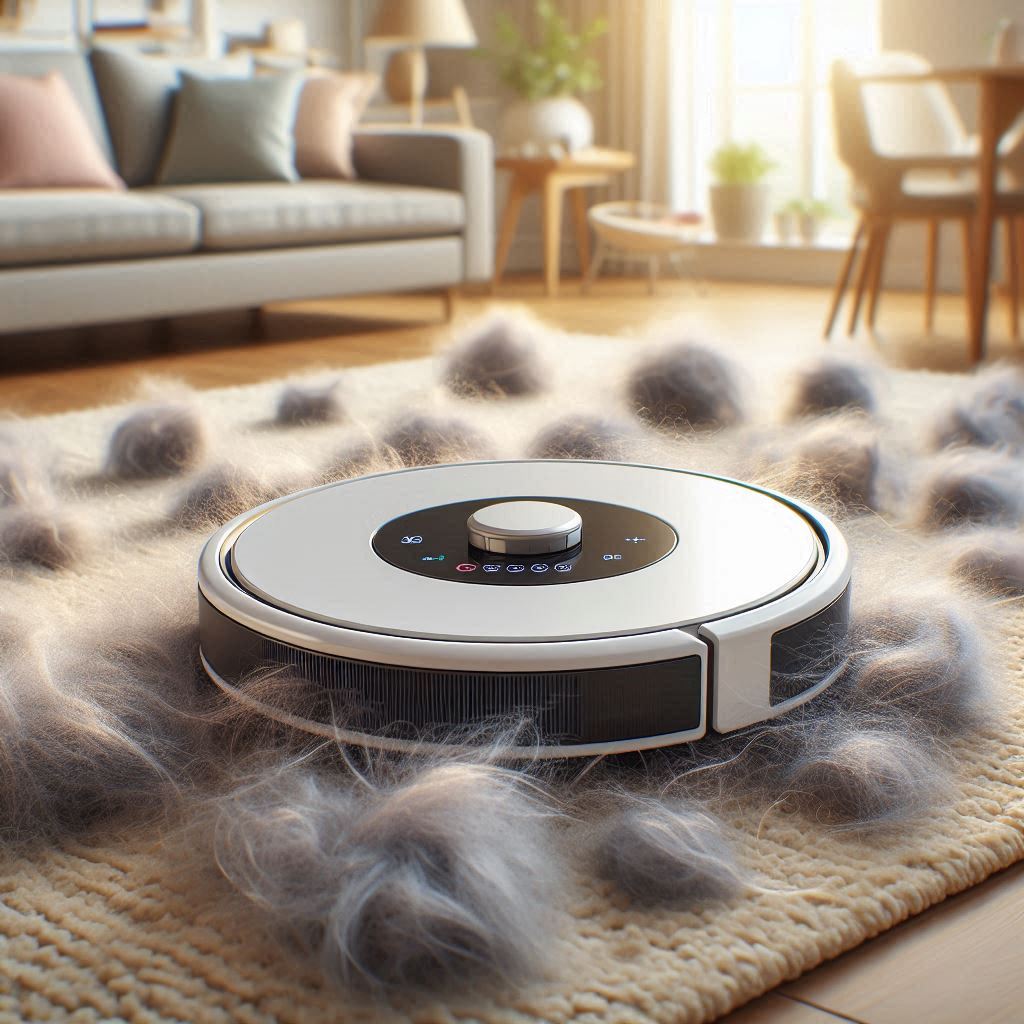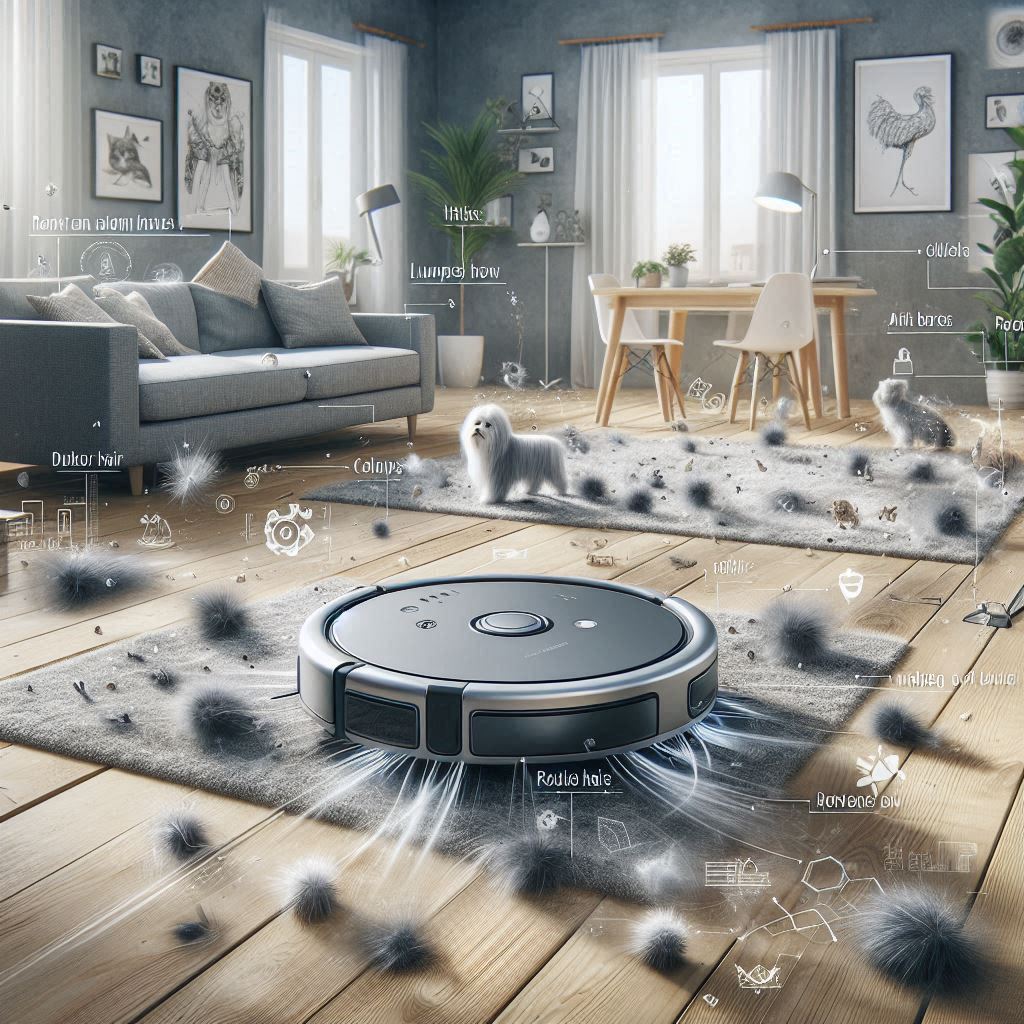
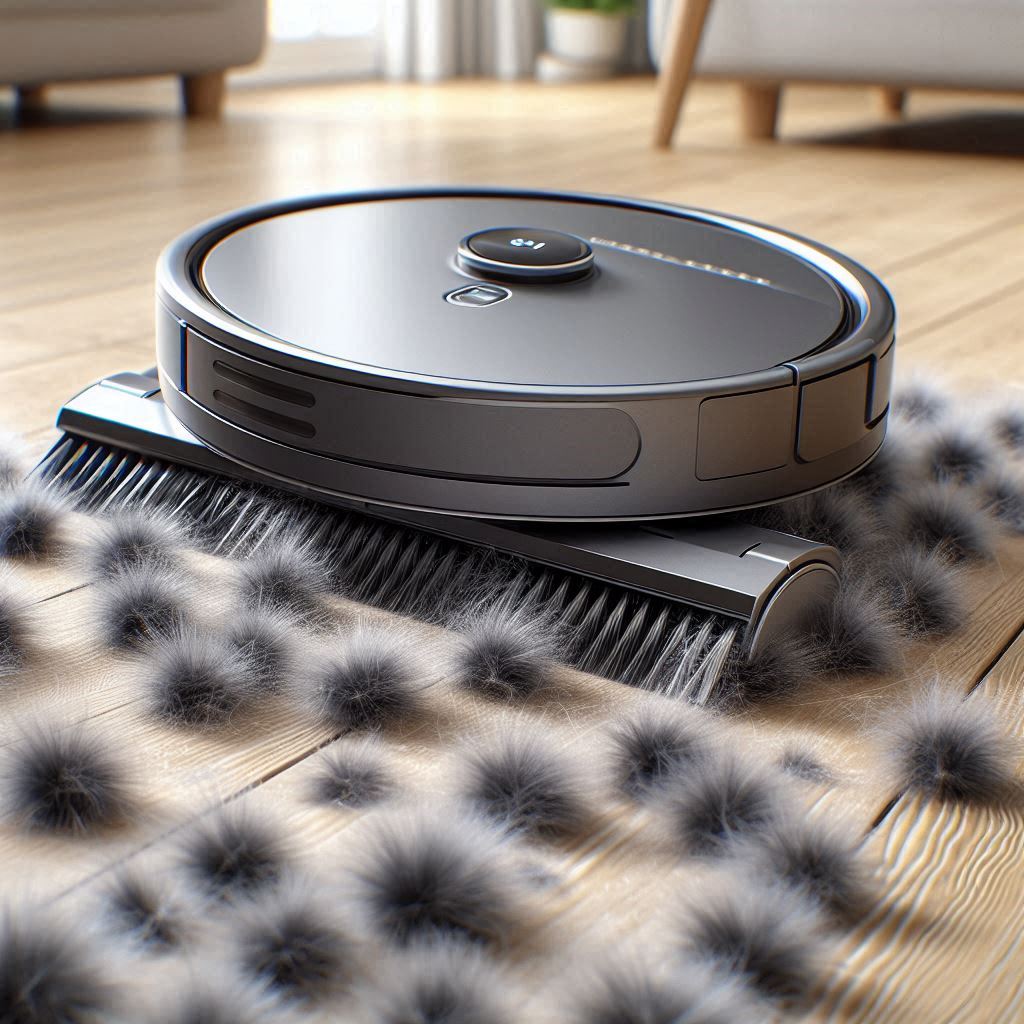
Robot vacuums have revolutionized cleaning in pet-friendly homes, but pet hair and carpets together can create a challenging friction problem. Thick carpets, high-pile rugs, and long pet hair can increase drag on wheels and brushes, reducing suction efficiency and leaving hair behind. In this guide, we explore why carpet friction issues occur, their impact on cleaning performance, practical solutions, maintenance tips, and top robot vacuum features for 2026.
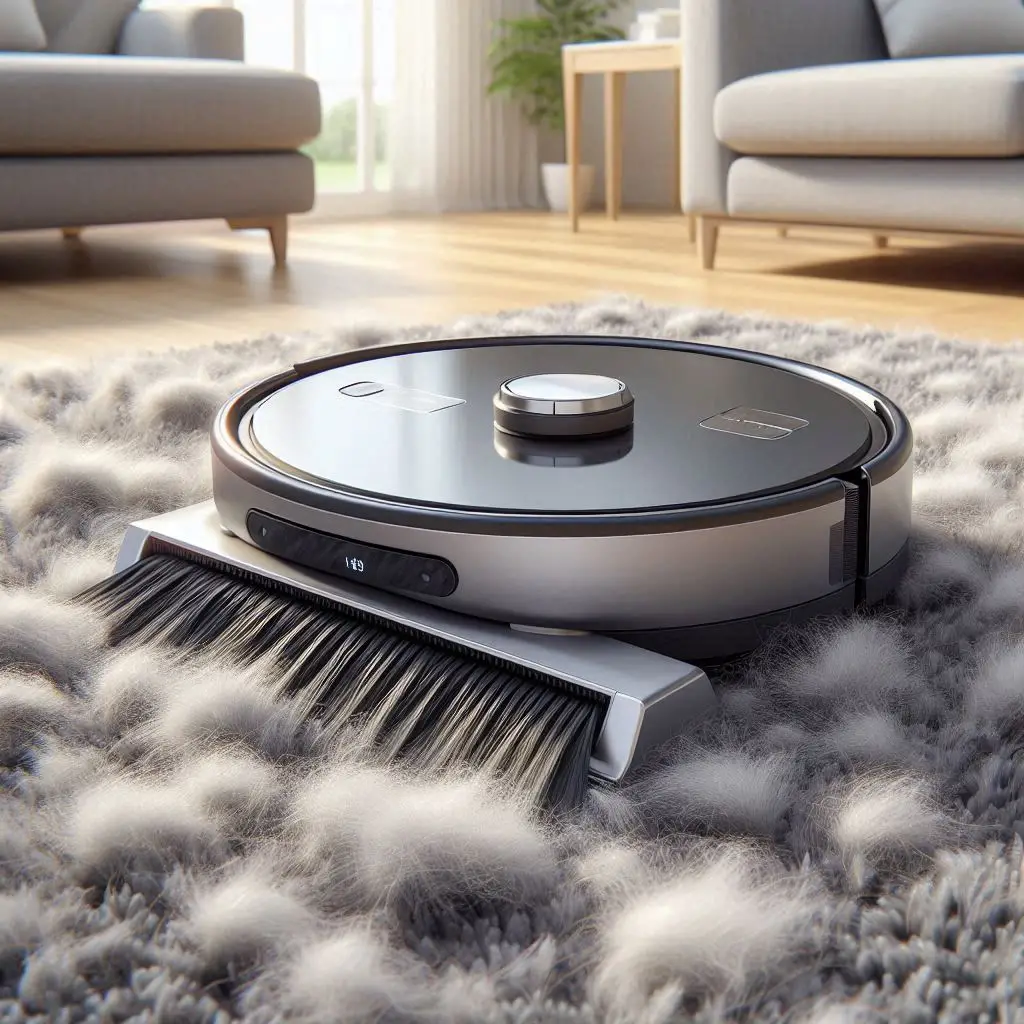
Why Carpet Friction Causes Pet Hair Problems
1. High-Pile and Thick Carpets
Dense carpets create resistance against robot wheels and brushes. Pet hair gets trapped in fibers, making it harder for robots to lift and pull into the dust bin.
2. Long Pet Hair
Hair from long-haired cats or dogs tangles in carpet fibers and wraps around brushes, increasing friction and reducing suction efficiency.
3. Side Brush Inefficiency
Side brushes are often designed for hard floors. On carpets, friction prevents them from sweeping hair toward the main suction path effectively.
4. Suction Limitations
Standard suction may not be sufficient to lift hair embedded in carpet fibers, especially in areas where friction slows down brush rotation.
Impact of Carpet Friction on Cleaning Performance
Reduced Mobility
Friction increases drag on wheels, slowing robot movement and leaving some areas uncleaned.
Hair Tangling
Long hair wraps around side and main brushes more easily when friction slows brush rotation, leading to decreased edge cleaning efficiency.
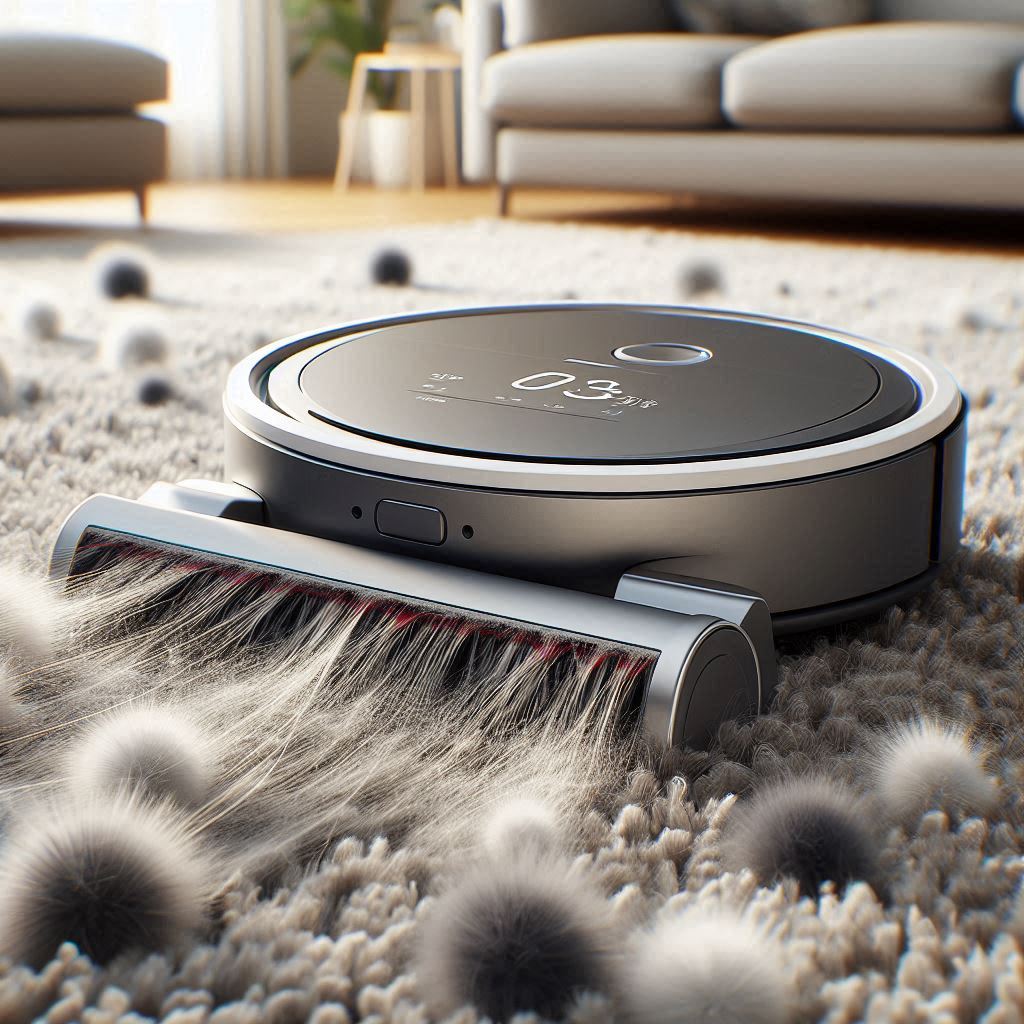
Battery Drain
High friction on carpets requires more motor power, draining batteries faster and reducing cleaning time per cycle.
Incomplete Cleaning
Robots may leave streaks of pet hair on carpets or fail to clean high-traffic areas effectively.
Wear and Tear
Repeated friction can wear down brushes, wheels, and motors over time.
Practical Solutions to Reduce Carpet Friction Issues
1. Use Robots with Adjustable Suction
Robots with high or turbo suction modes can overcome carpet friction and lift embedded hair effectively.
2. Schedule Multiple Cleaning Passes
Running multiple passes ensures that trapped hair is lifted progressively, rather than relying on a single sweep.
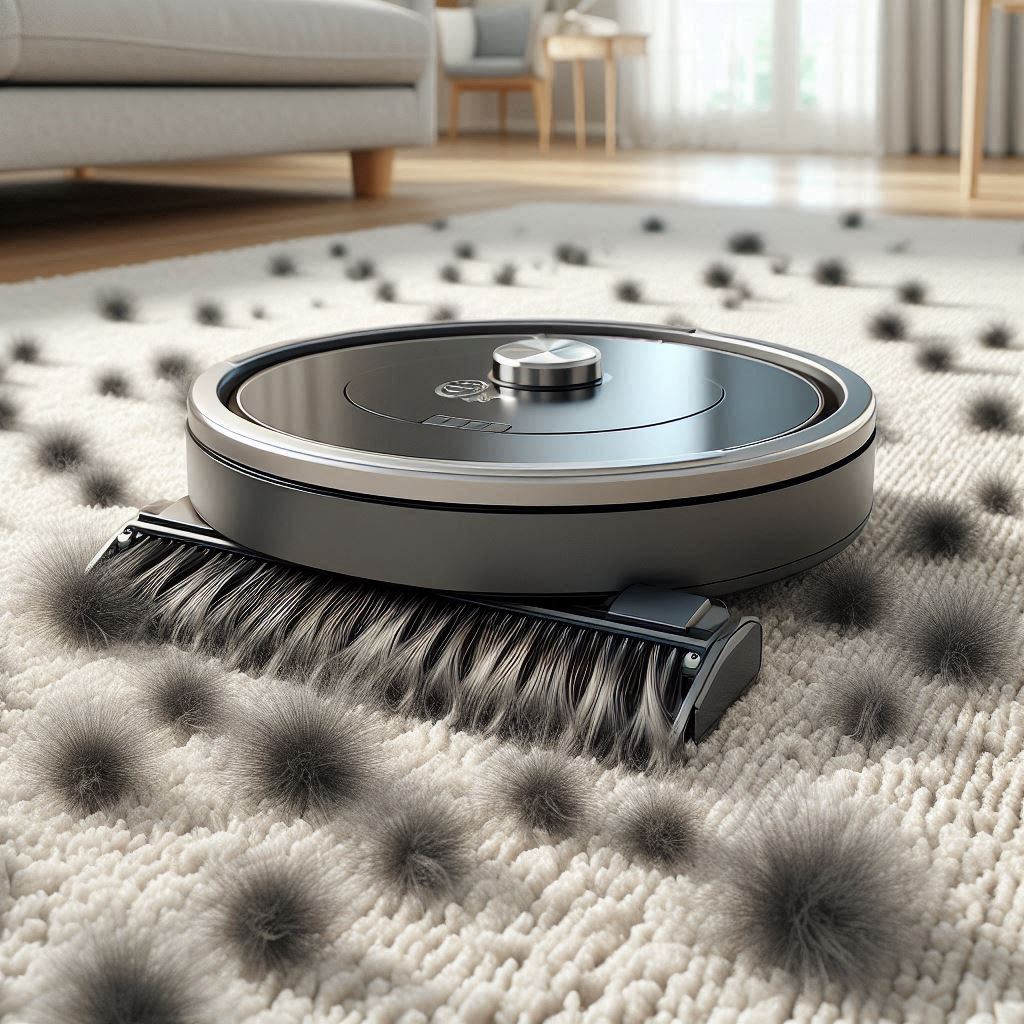
3. Choose Low-Pile or Pet-Friendly Rugs
If possible, use low-pile rugs in high-traffic areas to reduce friction and improve robot efficiency.
4. Clear Hair Before Robot Runs
Manually removing excessive hair from carpets or using a handheld vacuum reduces the amount the robot needs to handle, minimizing friction.
5. Maintain Brushes Regularly
Hair wrapped around brushes increases friction. Regularly clean main and side brushes to maintain smooth rotation.
6. Edge Cleaning and Zone Mapping
Advanced robots with edge cleaning or zone mapping target specific carpet areas, ensuring hair is removed without excessive friction strain.
Features to Look for in Robots for Carpeted, Pet Hair-Heavy Homes
Anti-Tangle Brushes
Rubberized brushes reduce hair wrap and friction on high-pile carpets.
Adjustable Suction Power
Turbo or carpet modes increase suction for high-resistance areas.
Edge Cleaning Capabilities
Dedicated brushes for corners and edges ensure hair is collected even under furniture and near baseboards.
Advanced Navigation
LIDAR or camera-based navigation maps carpets accurately, preventing repeated friction in the same area.
HEPA Filtration
Traps fine hair and dander released from carpet fibers, improving air quality.
Low-Profile Design
Allows robots to maneuver under furniture without getting stuck, reducing friction-related issues.
Maintenance Tips to Combat Carpet Friction
Brush Cleaning
Remove hair from main and side brushes regularly to maintain optimal rotation.
Wheel Inspection
Check wheels for hair or fibers that may increase friction on carpets.
Filter Replacement
Replace HEPA or high-efficiency filters every 6–8 weeks to maintain suction performance.
Dust Bin Management
Empty bins frequently to prevent suction reduction caused by full dust containers.
Regular Carpet Care
Vacuum carpets manually occasionally to prevent excessive hair buildup that increases friction.
Common Mistakes Pet Owners Make
Skipping Brush Maintenance
Dirty brushes reduce rotation speed, increasing friction and leaving hair behind.
Using Low Suction Modes on Carpets
Quiet or eco modes may not have enough power to overcome carpet resistance.
Ignoring Rug Placement
High-pile rugs in areas of frequent pet activity increase hair accumulation and friction.
Relying Exclusively on the Robot
Robots may need occasional manual intervention for dense, hair-covered carpets.
Amazon Features to Look for in 2026 Robots for Carpeted Pet Hair
- Anti-Tangle Brushes: Reduces hair wrap and friction on high-pile carpets.
- Adjustable Turbo Suction: Lifts embedded hair effectively.
- Edge Cleaning and Zone Mapping: Targets high-hair areas for thorough cleaning.
- HEPA Filters: Captures fine pet hair and dander.
- Low-Profile Design: Prevents getting stuck under furniture, reducing friction.
- Auto-Empty Dust Bin: Reduces manual intervention for heavy shedding households.
Top Robot Vacuums for Carpet Friction and Pet Hair in 2026
iRobot Roomba j7+ – Anti-tangle brushes, turbo suction, HEPA filter, edge cleaning, auto-empty dock.
Roborock S8 Pro Ultra – High suction, anti-tangle side brushes, low-profile design, advanced carpet mapping.
Ecovacs Deebot T10 Omni – Rubber side brushes, HEPA filtration, wall-follow mode, optimized for carpet and pet hair.
Neabot NoMo Q11 – Low clearance, strong suction, anti-tangle brushes, app-controlled zone cleaning.
Amazon Tip: Verify suction power, brush design, and low-clearance capability for homes with thick carpets or multiple pets. Replacement brush packs and filters are recommended to maintain performance.
Carpet friction issues significantly affect robot vacuum performance in pet-heavy homes. Thick or high-pile carpets combined with long pet hair increase drag, reduce suction efficiency, tangle brushes, and accelerate battery drain. Choosing a robot with anti-tangle brushes, adjustable suction, HEPA filtration, and advanced navigation minimizes friction-related problems. Coupled with proper maintenance, carpet preparation, and multiple-pass cleaning schedules, pet owners can maintain cleaner carpets, improve robot efficiency, and enjoy a hair-free, comfortable home.
Investing in a pet-focused robot vacuum designed for carpets ensures long-term performance, reduces manual labor, and keeps pet hair under control in 2026 homes.

Related Posts