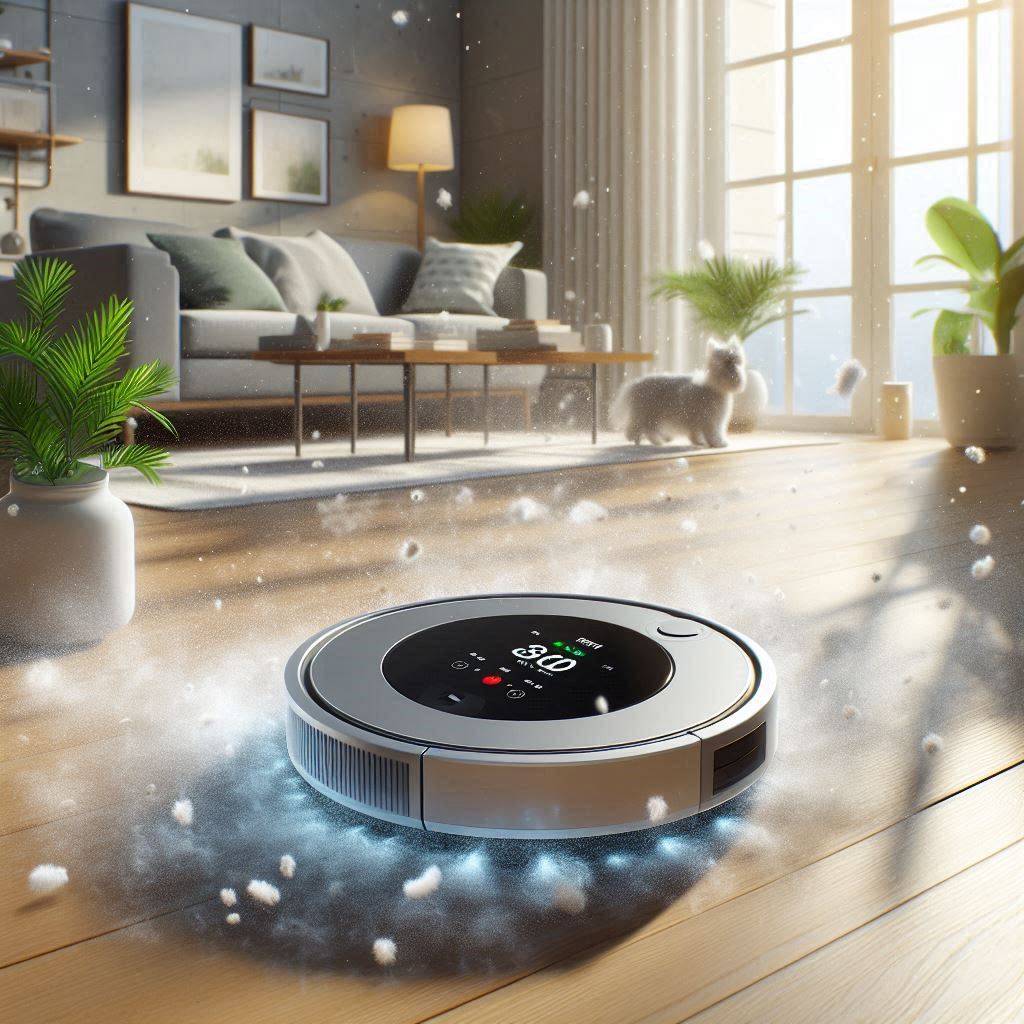
Keeping a clean home with pets is a priority, but one issue that often gets overlooked is pet dander and its impact on indoor air quality. While robot vacuums are helpful for daily floor maintenance, many users notice that these vacuums can disturb settled dander, pushing it into the air and triggering allergies, asthma, or respiratory discomfort. In homes with cats, dogs, or multiple shedding animals, this becomes a critical indoor air health concern.
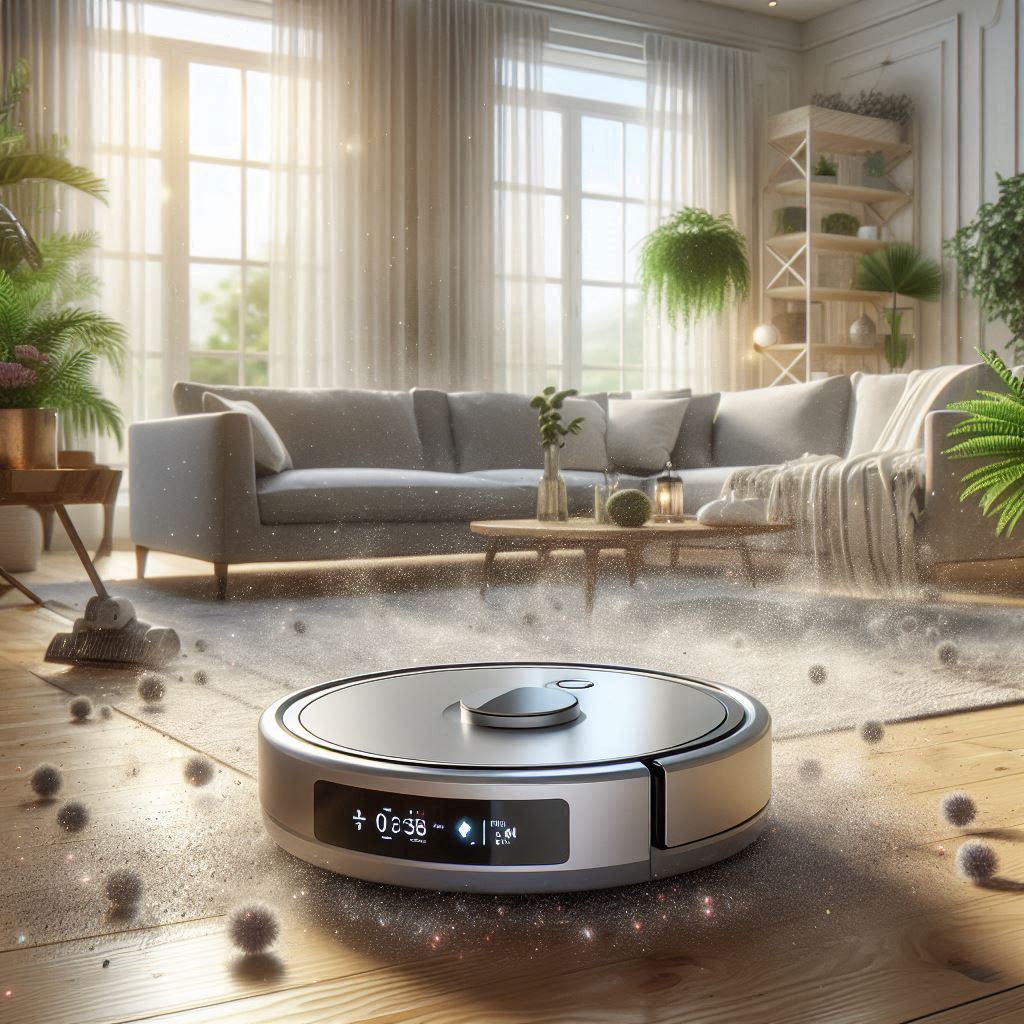
Below is a complete analysis of the pet dander air quality problem, why it happens, how robot vacuums contribute to it, and which technologies and models help fix it.
1. What is Pet Dander and Why It Matters
- Definition: Pet dander consists of microscopic skin flakes shed by animals.
- Visibility: Unlike pet hair, dander is extremely small and hard to detect.
- Airborne Nature: Dander easily becomes airborne and stays suspended for long periods.
- Health Impact: Dander is a common trigger for allergies, asthma, sinus irritation, and respiratory stress.
- Allergen Carrier: Dander can attach to pet hair, dust, carpets, clothing, and furniture.
2. How Pet Dander Affects Indoor Air Quality
Pet dander degrades air quality in the following ways:
- Increases airborne allergens
- Settles into carpets and fibers
- Reactivates when disturbed
- Travels through HVAC systems
- Sticks to upholstery and curtains
- Combines with dust and pollen
- Attracts bacteria due to organic oils
Homeowners with children, seniors, or asthma sufferers are most sensitive to dander effects.
3. How Robot Vacuums Contribute to Airborne Dander
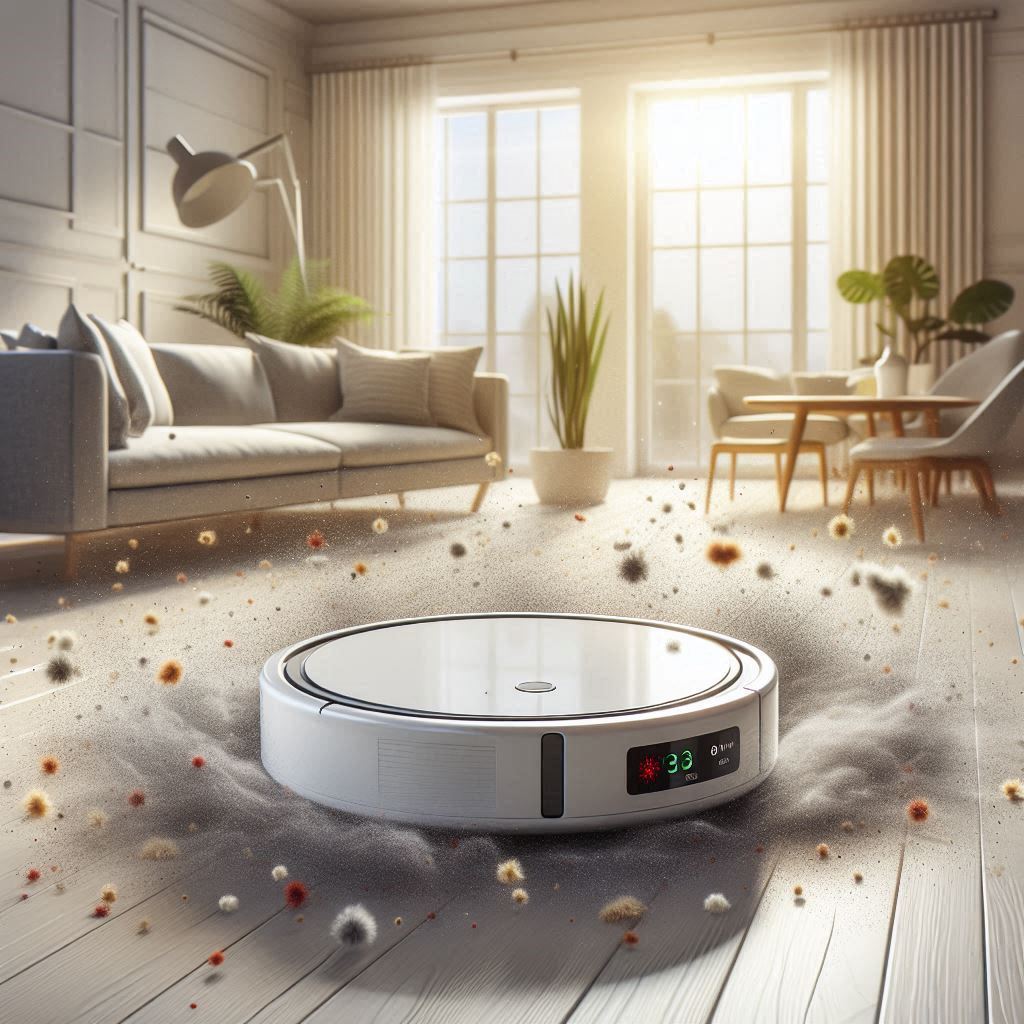
While robot vacuums remove hair and debris, they can unintentionally reactivate dander into the air, especially if they lack proper filtration. Key contributors:
a) Airflow Disturbance
Robot suction and exhaust airflow lift dander from floors into the air.
b) Poor Filtration
Models without HEPA filtration allow fine particles to escape back into the environment.
c) Brush Agitation
Brush rollers disturb dander embedded in carpets and rugs.
d) Dustbin Air Release
Opening non-sealed bins releases trapped allergens into the air.
e) Exhaust Location
Air exits from the robot and disperses particles at floor level.
4. Which Homes Are Most Affected
Homes that experience this issue commonly share certain conditions:
- Multiple pets
- Long-haired breeds
- Carpet-heavy flooring
- Small rooms with poor ventilation
- Allergy-prone family members
- High-shedding seasons
In these cases, indoor air quality fluctuates based on daily cleaning cycles.
5. Key Signs of Dander-Related Air Quality Problems
- Frequent sneezing or coughing during/after vacuuming
- Eye irritation or watery eyes
- Worsening allergies in peak shedding seasons
- Air feels dusty or heavy
- Strong pet odor in rugs or upholstery
- Visible dust clouds during bin emptying
- Chronic sinus problems in sensitive individuals
6. Features That Reduce Pet Dander Air Quality Issues
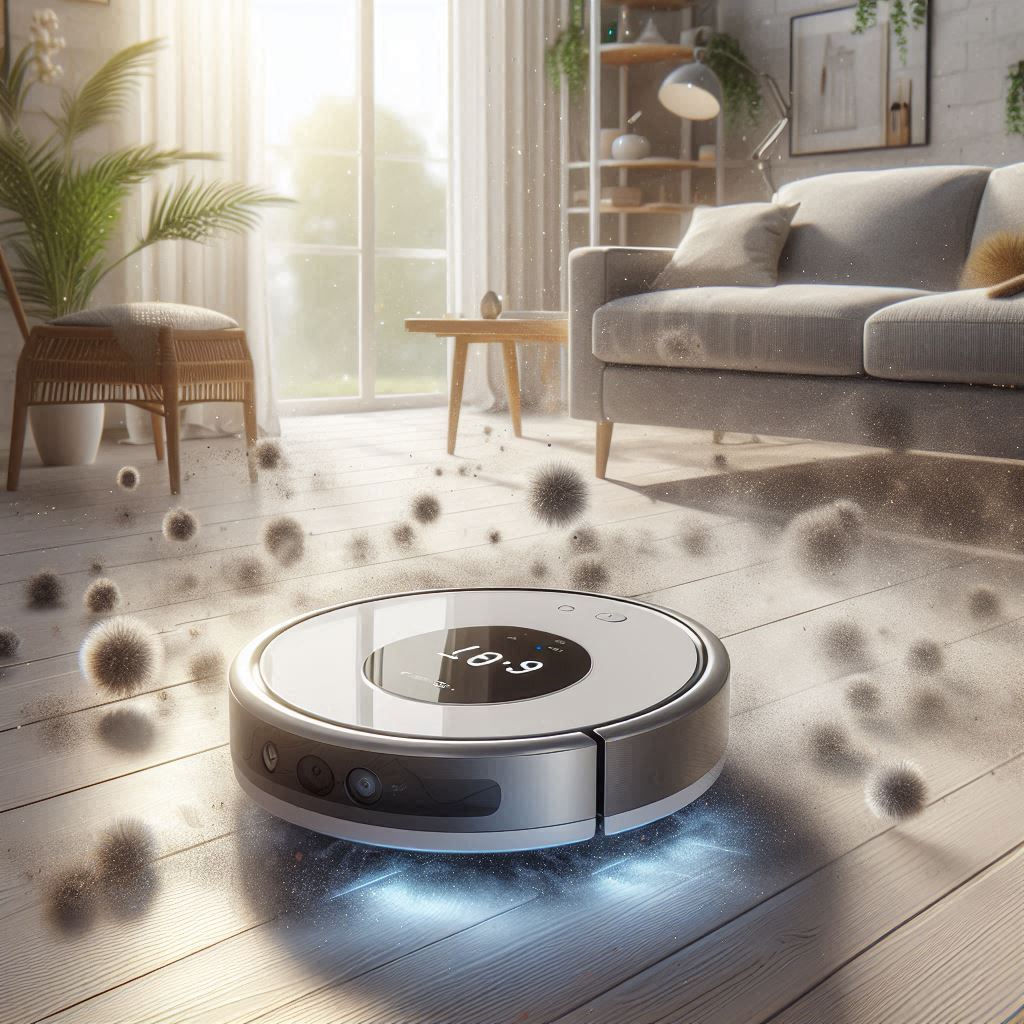
When selecting a robot vacuum for a dander-sensitive household, look for these:
a) True HEPA Filtration
- Captures particles as small as 0.3 microns
- Prevents allergens from reentering airflow
- Essential for asthma and allergy sufferers
b) Sealed System Design
- Ensures no leakage around filters or dust collection areas
- Traps allergens inside the vacuum
c) Self-Emptying Base
- Prevents airborne allergen release during manual bin emptying
- Excellent for multi-pet homes
d) Rubber Brush Rolls
- Avoid hair-tangling and reduce particle scattering
e) High Suction Power
- Helps extract dander from carpet fibers
- Improves allergen capture at the source
f) Mopping Capability (Hybrid Models)
- Helps suppress fine dust after vacuuming
- Reduces airborne allergens post-cleaning
7. Maintenance Practices to Minimize Air Quality Problems
Even the best robot vacuum needs proper maintenance to handle allergens effectively:
- Change filters every 1–2 months
- Clean brush rollers after every few cycles
- Wash mop pads (if hybrid)
- Vacuum carpets multiple times weekly
- Run during the day for ventilation benefit
- Keep grooming routine consistent to reduce dander load
- Use air purifiers in pet-heavy rooms
8. Best Robot Vacuums for Dander-Sensitive Homes
Here are top vacuum picks that perform well for families concerned with air quality:
1. iRobot Roomba j7+ (with Clean Base)
Best for: Allergy-prone homes + multiple pets
- True HEPA filtration
- Self-emptying dust base
- Dual rubber rollers for deep carpet cleaning
- Minimizes bin-contact allergen release
2. Roborock S8 Pro Ultra
Best for: Carpet + hard floor + heavy shedding
- LIDAR mapping
- Strong suction (5100 Pa)
- Sealed filtration system
- Mopping suppresses fine dust post-vacuum
3. Shark AI Ultra Self-Empty Robot
Best for: Affordable allergy control
- Anti-allergen HEPA filter
- Self-sealing dust bag system
- Anti-tangle rollers for long hair
4. Ecovacs Deebot X2 Omni
Best for: Hybrid cleaning + fine allergen capture
- 8000 Pa suction (strongest in class)
- Mopping + drying system
- Fully integrated sealed bin and filtration
9. Complementary Tools for Dander Management
Robot vacuums work best when paired with supportive tools such as:
- Air Purifiers with HEPA filters
- HVAC filters (MERV 13+ recommended)
- Grooming brushes (deshedding tools)
- Pet wipes & hypoallergenic shampoos
- Dehumidifiers for damp environments
This holistic approach dramatically improves respiratory comfort indoors.
10. Benefits of Addressing Dander Air Quality Issues
When done correctly, pet owners experience:
- Cleaner indoor air
- Reduced allergy symptoms
- No more dust/dander clouds after vacuuming
- Better pet smell control
- Improved sleep quality
- Healthier respiratory environment
- Fresher carpets and fabrics
Robot vacuums are a powerful tool for pet households, but without proper filtration and design, they may worsen pet dander air quality issues by pushing allergens back into the air. The solution lies in:
✔ HEPA filtration
✔ Sealed dust systems
✔ Self-emptying bases
✔ Strong suction capability
✔ Consistent grooming
✔ Smart cleaning schedules
These upgrades transform the robot vacuum from a dust activator into a dander reducer, making homes safer, cleaner, and more breathable for both pets and humans.
Pro Tip for Allergy-Sensitive Homes
Run your robot vacuum in the morning when ventilation can be improved naturally, and pair it with an air purifier in the evening for maximum allergen suppression.

Related Posts