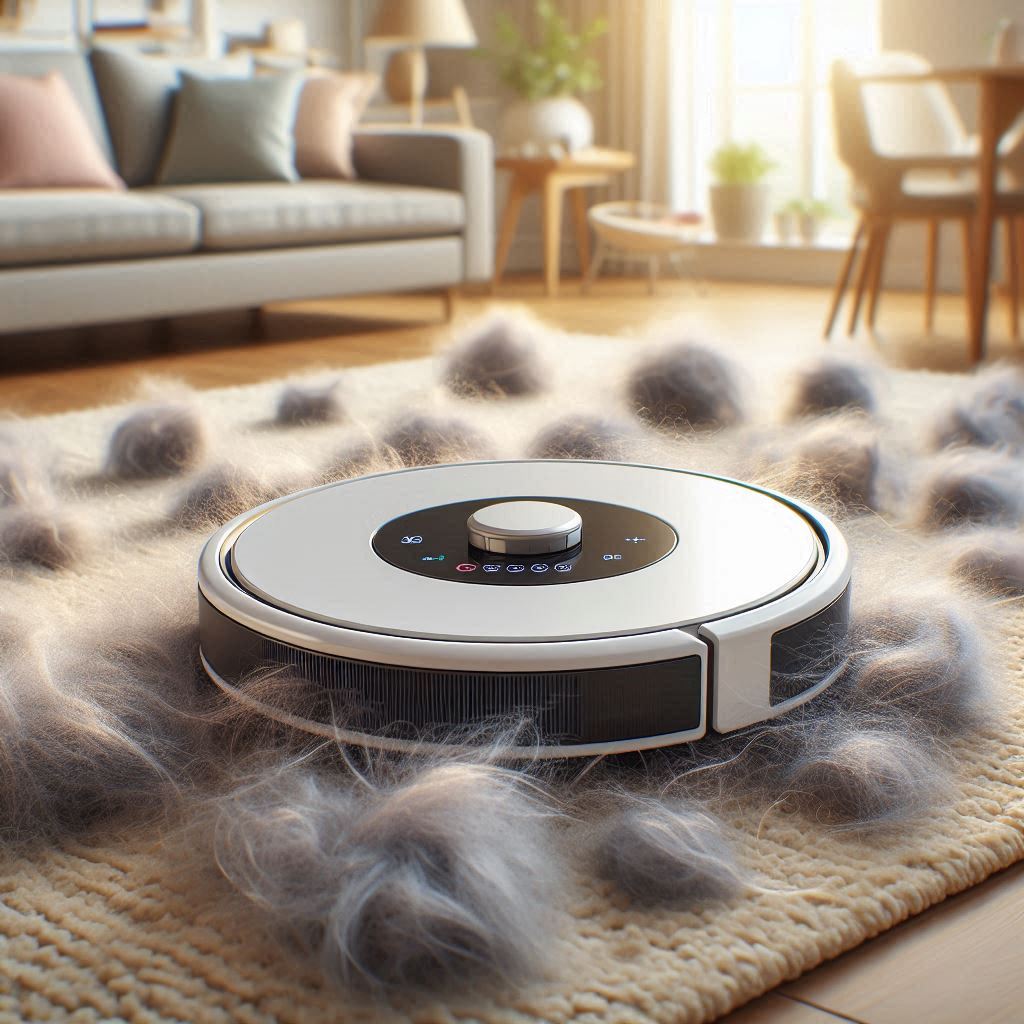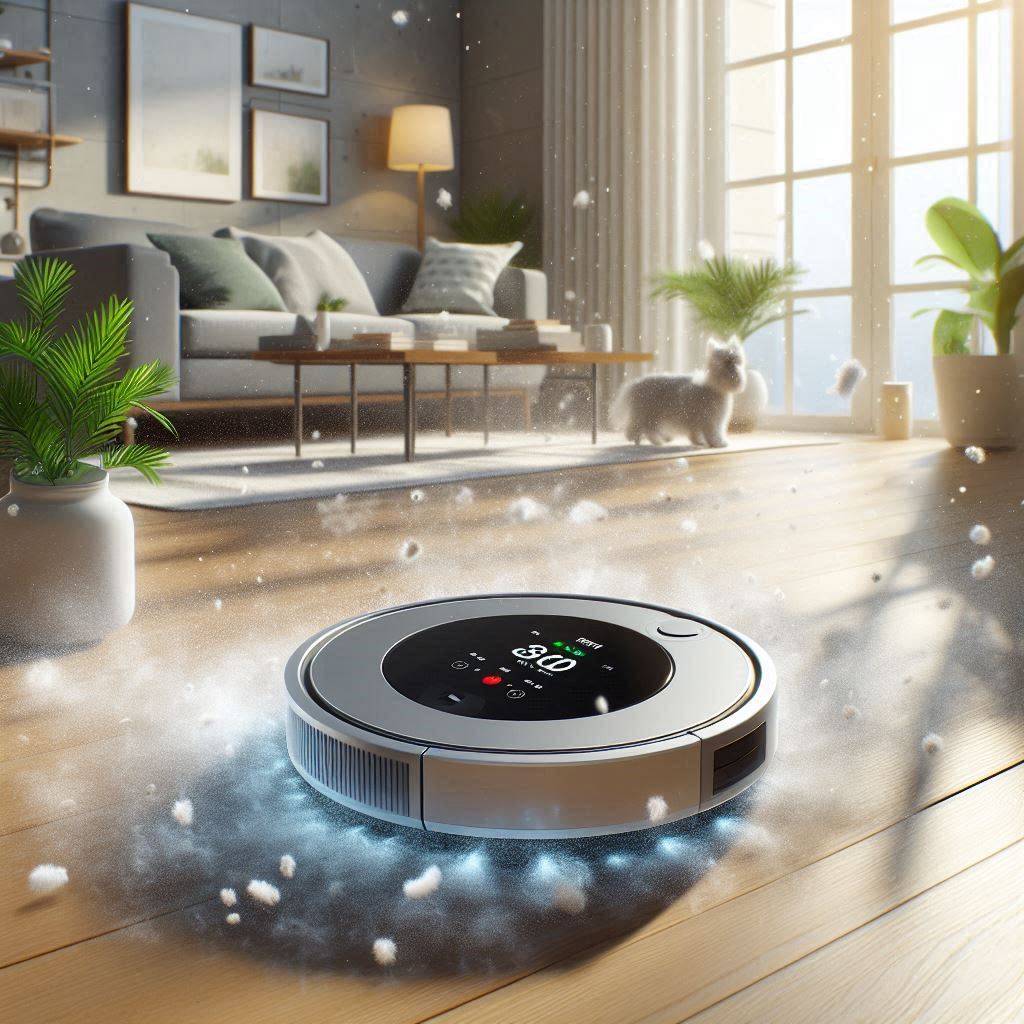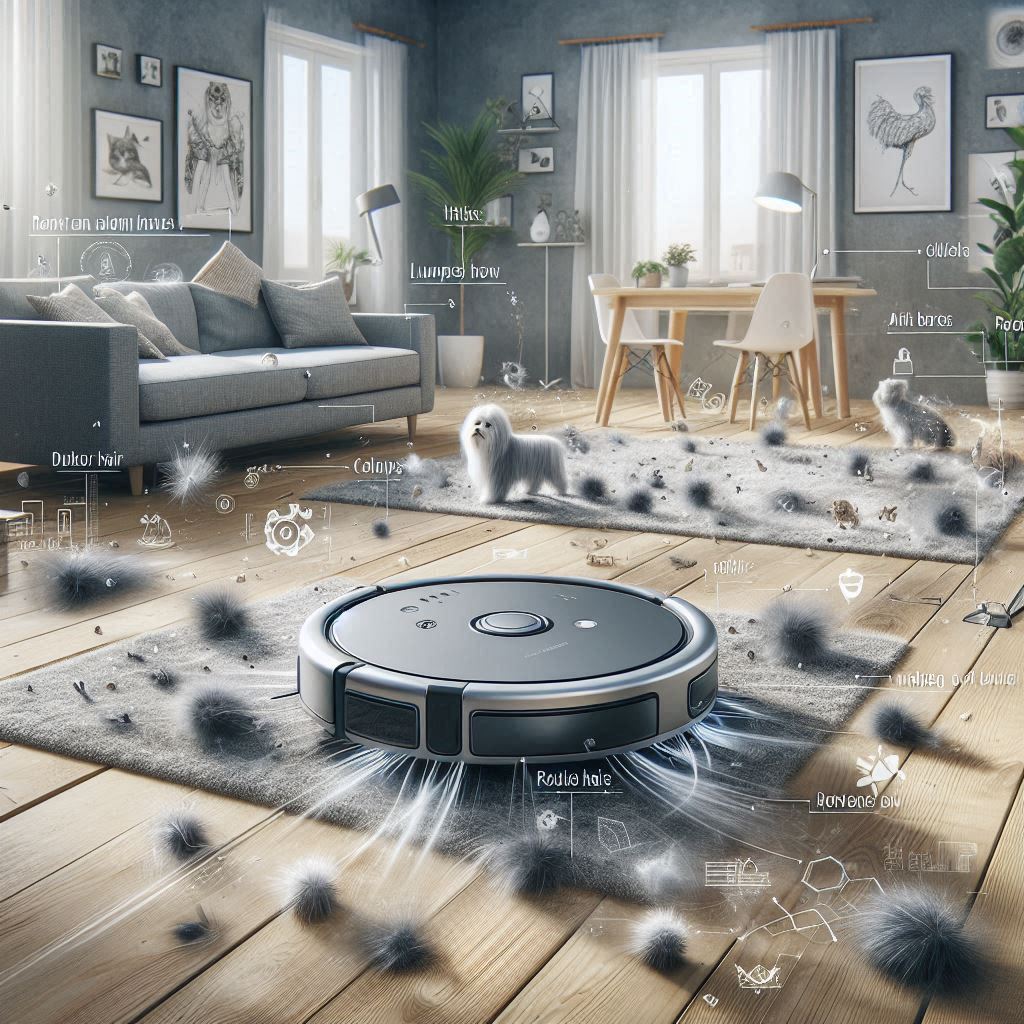
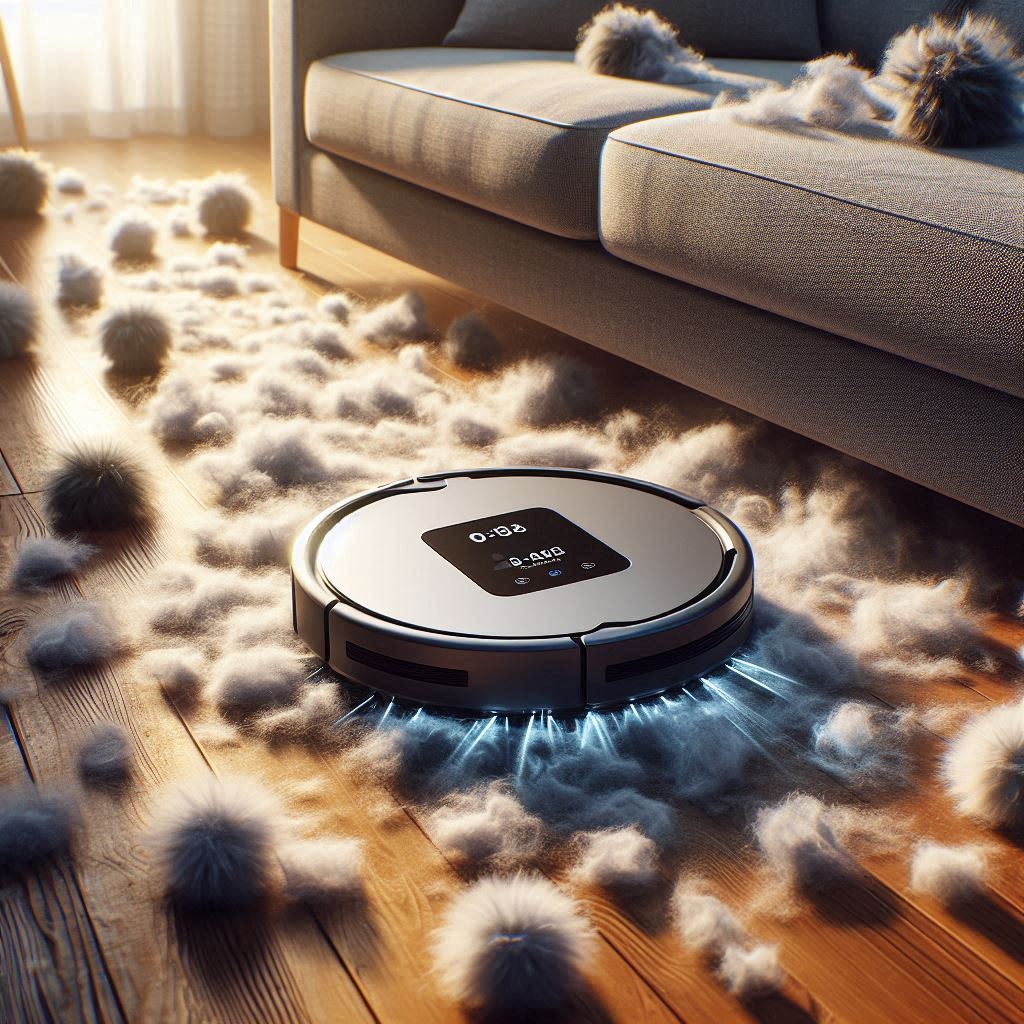
Pet owners know that pet hair management can be a full-time task. While robot vacuums are excellent for keeping floors clean, low-capacity dustbins are a common challenge, especially for homes with pets that shed heavily. A small bin fills up quickly, reducing efficiency and requiring frequent emptying, which can be frustrating for busy homeowners. This guide explores the low-capacity bin issue in robot vacuums, its impact on pet hair cleaning, and solutions all in a clear, point-to-point style.
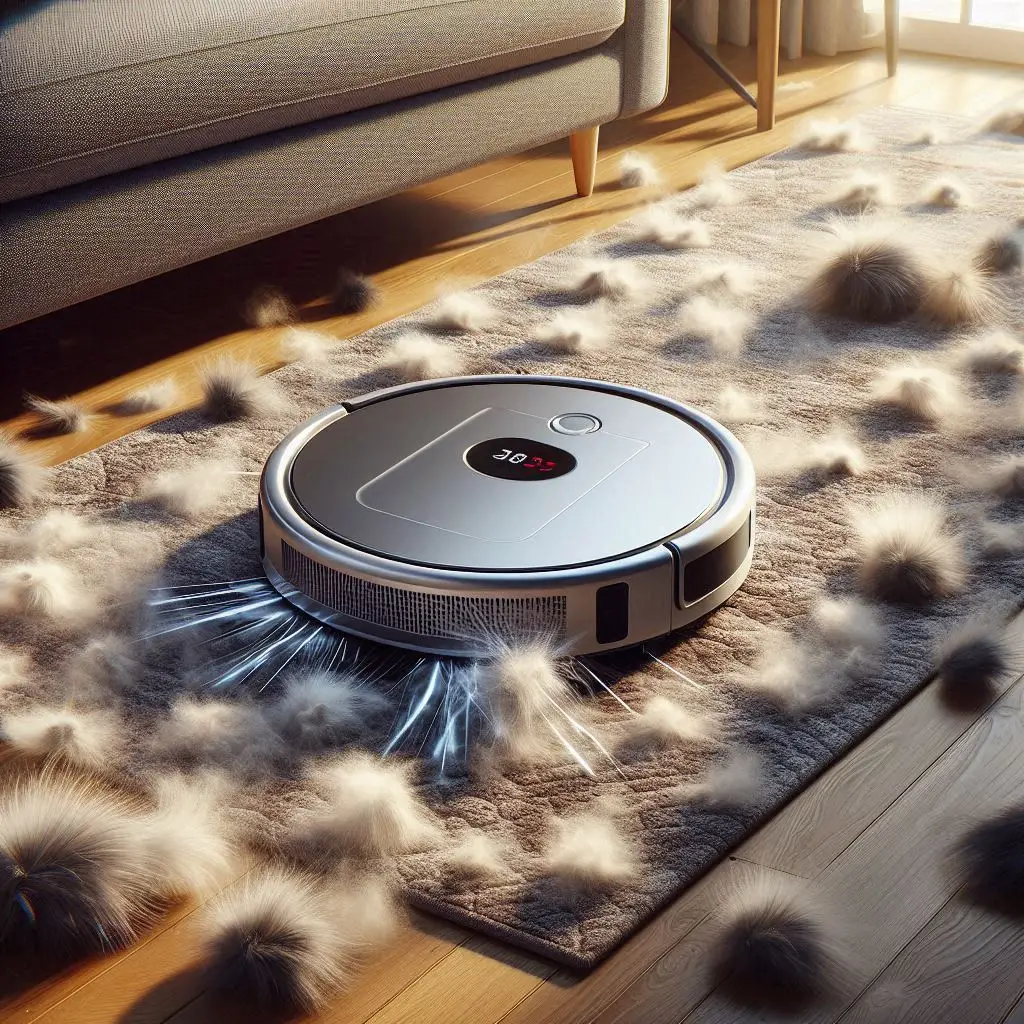
1. Understanding the Low-Capacity Bin Issue
- Frequent Emptying Required: Robot vacuums with small dustbins (typically 0.3–0.5 liters) fill up quickly when cleaning pet hair.
- Reduced Cleaning Efficiency: When bins fill up, suction can decrease, leaving hair behind.
- Inconvenience During Heavy Shedding: Owners must pause cleaning to empty the dustbin multiple times, defeating the “set and forget” convenience.
- Allergen Exposure: Frequent emptying exposes users to dust and pet dander, which can be problematic for allergy sufferers.
2. Why Pet Hair Worsens the Low-Capacity Bin Problem
- Hair Volume: Pets shed hair constantly, which accumulates faster than dust or crumbs.
- Clumping and Tangling: Hair can combine with dust, forming clumps that occupy more space in the bin.
- Multiple Pets: Homes with more than one pet fill small bins even faster.
- Long Hair: Longer pet hair tends to wrap around brushes and fill the bin unevenly, requiring frequent cleaning.
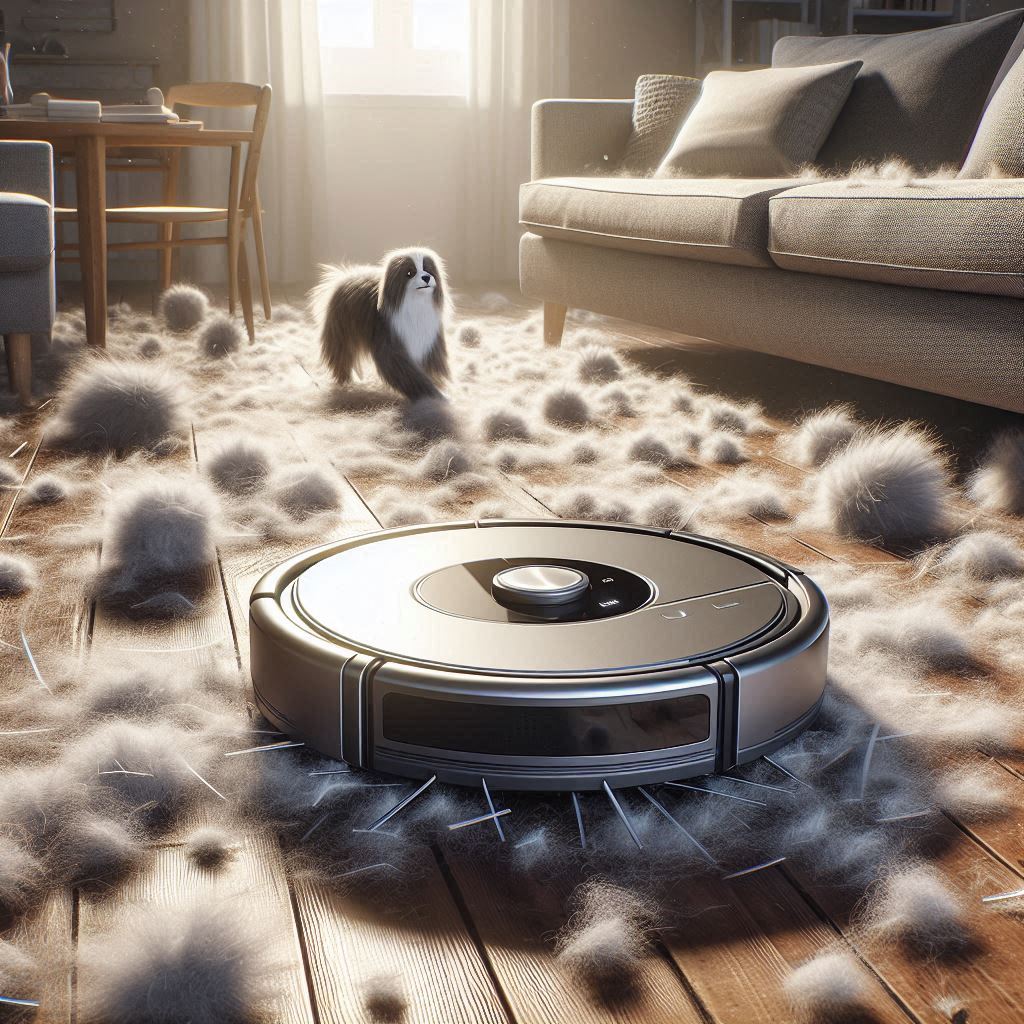
3. Key Features to Look for to Solve Low-Capacity Bin Issues
a) Self-Emptying Dustbins
- Automatically transfers collected hair into a larger base station.
- Pros: Reduces the need for manual emptying, ideal for heavy-shedding households.
- Best For: Homes with multiple pets or long-haired breeds.
b) Large Dustbin Capacity
- Prefer models with 0.6–1.0 liter or higher capacity.
- Handles hair accumulation better, especially during shedding season.
- Larger bins maintain suction efficiency longer.
c) Anti-Tangle or Rubber Brushes
- Hair often clogs brushes and reduces bin efficiency.
- Tangle-free brush rolls prevent clumping, making the most of limited dustbin space.
d) HEPA Filtration
- Helps trap allergens alongside hair, preventing fine particles from being released when emptying.
- Especially important for allergy-sensitive households.
e) Smart Sensors for Full Bin Alerts
- Some vacuums notify you when the dustbin is almost full.
- Prevents the vacuum from running inefficiently and leaving hair behind.
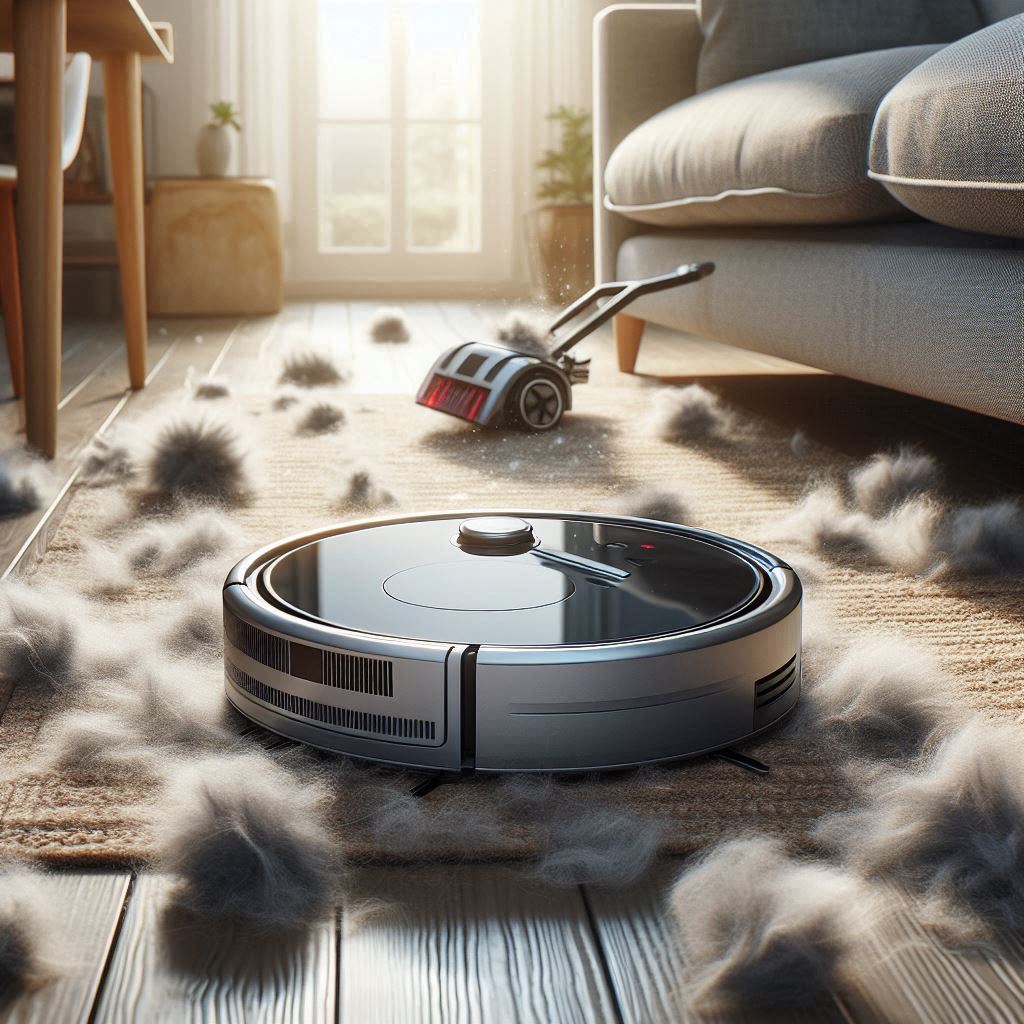
4. Common Challenges with Low-Capacity Dustbins
- Interrupted Cleaning: Small bins force owners to stop cleaning frequently, which is inconvenient.
- Reduced Suction Efficiency: Some models lose suction when bins reach capacity.
- High Maintenance: Frequent emptying and brush cleaning is necessary.
- Allergen Exposure: Handling a full dustbin releases trapped hair and dander into the air.
- Inefficient for Multi-Room Cleaning: A small bin may prevent cleaning large areas without multiple emptyings.
5. Maintenance Tips to Optimize Performance
- Empty Dustbin After Every Cleaning Session: Essential during heavy shedding periods.
- Clean Brushes Regularly: Prevents hair clumps from overloading the bin.
- Replace HEPA Filters Frequently: Keeps suction strong and allergen removal effective.
- Schedule Cleaning in Smaller Zones: Helps manage low-capacity bins efficiently in multi-room homes.
- Monitor Full Bin Alerts: Take action promptly to avoid reduced suction or missed areas.
6. Best Practices for Managing Pet Hair With a Low-Capacity Bin
- Divide Cleaning into Multiple Sessions: Run the vacuum for shorter periods in high-traffic or hair-heavy areas.
- Combine With Manual Spot Cleaning: Vacuum upholstery, stairs, and corners manually to reduce load on the robot.
- Groom Pets Regularly: Brushing your pets before shedding season reduces hair volume.
- Use Virtual Barriers: Prevent the vacuum from accessing overly hairy areas repeatedly until it’s emptied.
- Keep Extra Dustbins or Liners Ready: Some self-emptying models allow quick replacement of collection bags.
7. Top Robot Vacuums That Handle Pet Hair Efficiently Despite Low-Capacity Bins
Even with smaller dustbins, certain robot vacuums are optimized for pet hair. Here are some Amazon-recommended models:
1. iRobot Roomba j7
- Dustbin: 0.4 liters (small)
- Pros: Smart navigation, anti-tangle brushes, great for single-pet homes.
- Solution: Works best with daily emptying or in homes where pets shed moderately.
2. Roborock S7
- Dustbin: 0.47 liters
- Pros: Vibrating mop and strong suction help pick up hair efficiently.
- Solution: Split cleaning into zones to avoid frequent stops.
3. Eufy RoboVac 15C Max
- Dustbin: 0.5 liters
- Pros: Budget-friendly, quiet, decent suction.
- Solution: Requires daily emptying in multi-pet households; good for small apartments.
4. Shark AI Robot Vacuum
- Dustbin: 0.45 liters
- Pros: Self-cleaning brush, strong suction.
- Solution: Works best in homes with moderate shedding or with supplemental grooming.
5. Self-Emptying Variants (Recommended for Heavy Shedding)
- iRobot Roomba j7+, Roborock S8 Pro Ultra, Shark AI Ultra Robot
- Benefit: Automatically handles hair from multiple pets without frequent intervention.
8. Benefits of Managing Low-Capacity Bins Effectively
- Maintains Suction Efficiency: Prevents hair from reducing cleaning power.
- Reduces Manual Effort: Frequent emptying is minimized with good maintenance or self-emptying models.
- Prevents Missed Spots: Ensures the vacuum can complete cleaning sessions without interruption.
- Minimizes Allergens: Proper handling prevents hair and dander from escaping into the air.
- Maximizes Robot Lifespan: Regular maintenance reduces wear on motors and brushes.
Low-capacity dustbins are a common concern for pet owners using robot vacuums. During shedding season or in multi-pet households, a small bin fills quickly, reducing efficiency and creating maintenance hassles. However, with proper maintenance, smart usage, and the right features—like tangle-free brushes, HEPA filtration, self-emptying dustbins, and full-bin sensors—you can overcome these challenges effectively.
Tips for success:
- Empty bins after each session if your model is small.
- Groom pets regularly to reduce hair accumulation.
- Use multi-pass or zoned cleaning to manage bin capacity efficiently.
- Invest in self-emptying models for large homes or multiple shedding pets.
By following these strategies, even robot vacuums with low-capacity dustbins can keep your home clean, hair-free, and allergy-friendly, while saving time and effort for pet owners.
Pro Tip: If you have multiple shedding pets, consider upgrading to a self-emptying robot vacuum to avoid constant bin emptying while still enjoying the convenience of automated cleaning.

Related Posts