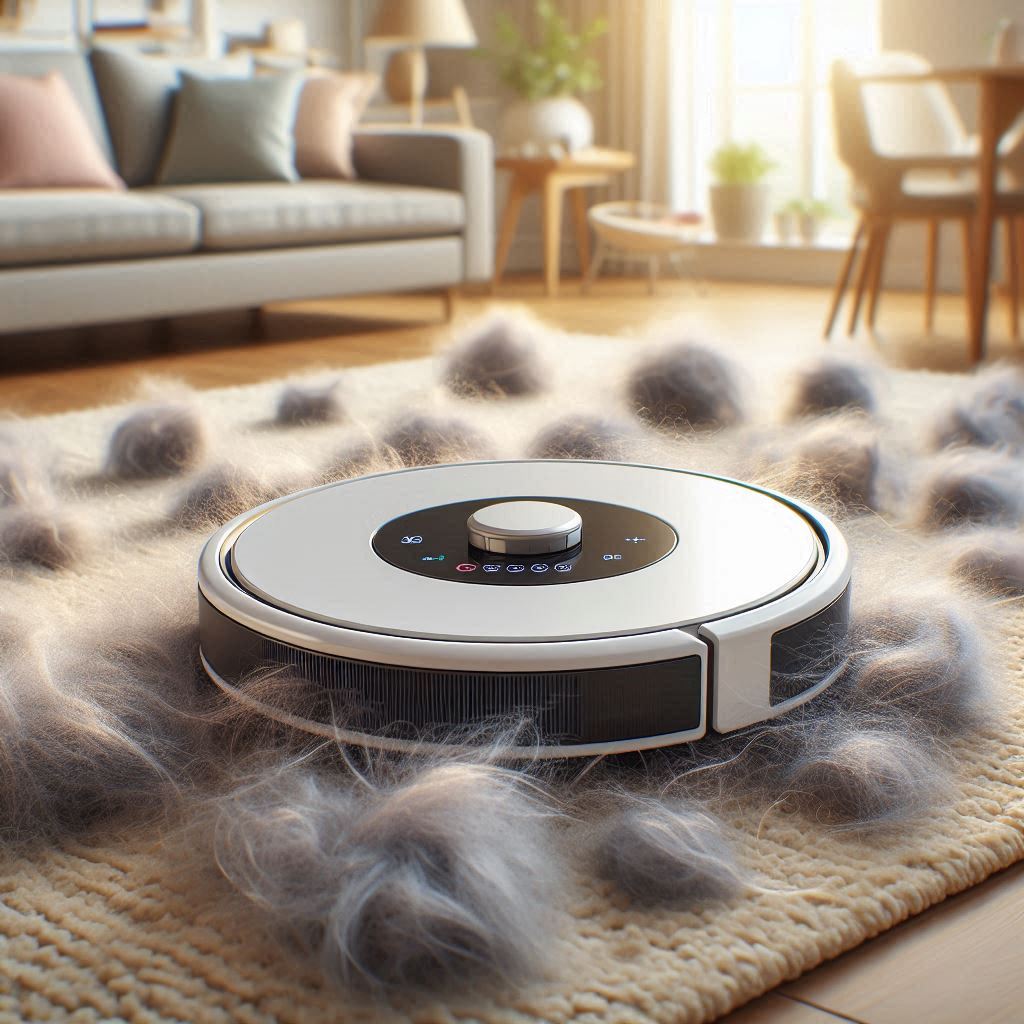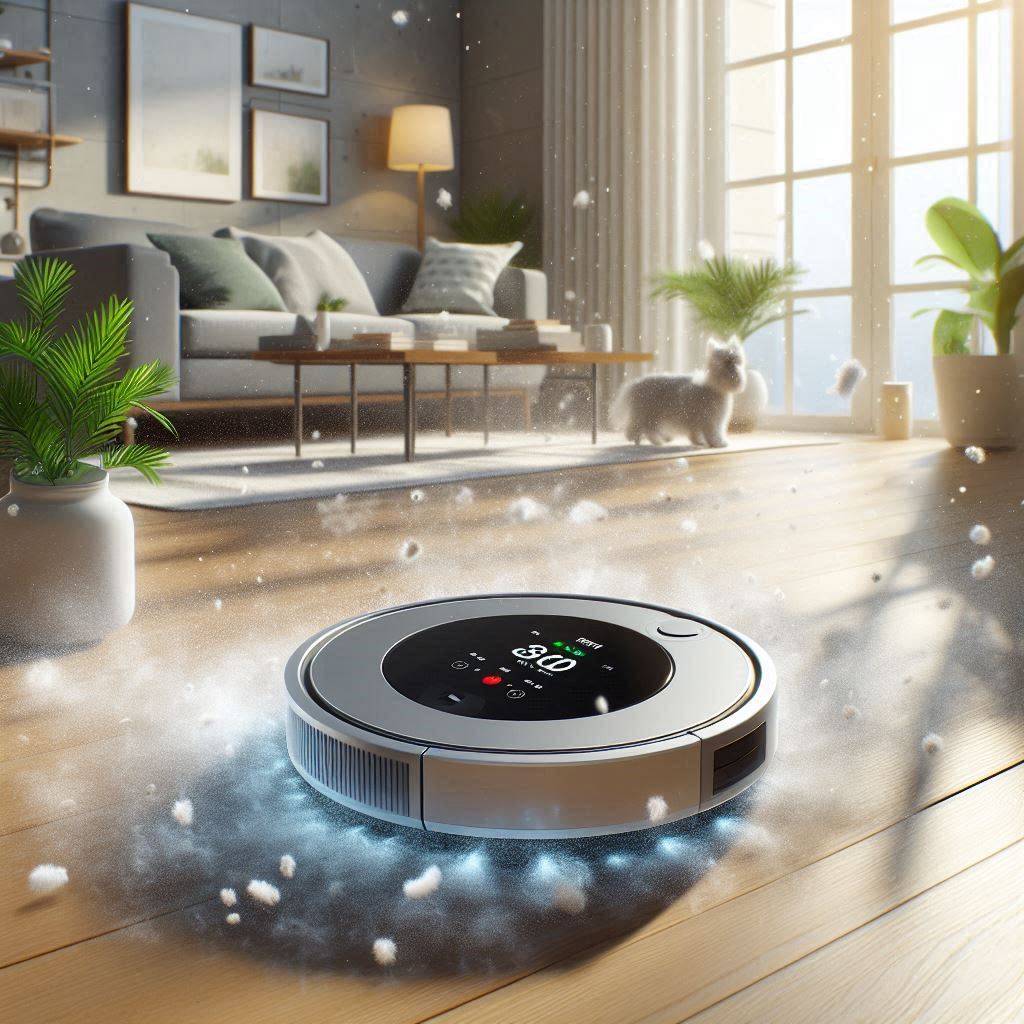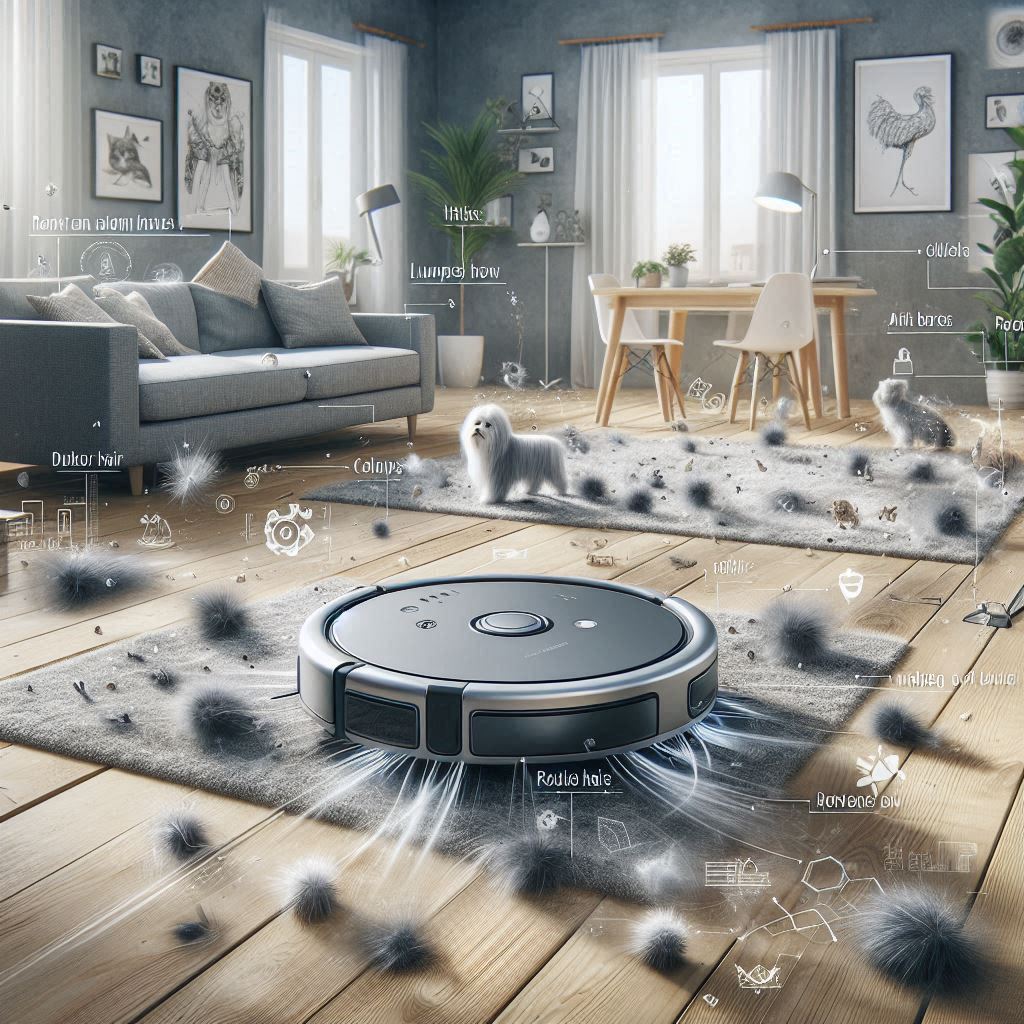
Robot vacuums have become a staple cleaning solution in pet homes across the last five years. Automatic cleaning, scheduling, mapping, and self-maintenance features such as auto-empty and self-cleaning brushes were marketed as the ultimate convenience upgrade for heavy shedding households. The idea seemed perfect. Instead of constantly detangling hair from brush rolls, the vacuum would clean itself and continue running without user intervention.
However, in 2025 and 2026, a new wave of long-term user reviews reveals a double-layered problem that impacts pet households more than regular households: self-cleaning brush systems failing due to dense pet hair accumulation, and sensor calibration issues caused by hair interference. These failures are not defects in the traditional sense but engineering limitations that manufacturers did not initially design for.
This detailed review breaks down the problem point-to-point, explains why pet hair is uniquely disruptive, how different brands handle it, how symptoms appear, what buyers should consider, and how to prevent performance degradation in pet homes.
Point 1: Why Self-Cleaning Brushes Were Considered a Major Upgrade for Pet Owners
Traditional brush rolls in robot vacuums struggled with hair wrapping. Users had to manually cut and pull hair off the brushes every few days in heavy shedding homes. The introduction of self-cleaning brush systems promised to solve this problem by cutting or ejecting hair through:
Internal blades
Combs or combing modules
Auto-detangling fins
Enhanced brush roll geometry
These systems worked well for short household debris but revealed weaknesses when exposed to dense pet hair environments.
Point 2: Why Self-Cleaning Brush Systems Fail in Pet Households
Manufacturers designed self-cleaning modules primarily for human hair and textile fibers, not thick, electrostatic pet hair that forms clumps. Pet hair behaves differently in three ways:
It wraps tighter due to static
It forms thick bundles when mixed with dust
It reattaches to brush rollers after detangling
In multi-pet homes, this behavior compounds even faster. Self-cleaning brushes eventually lose efficiency because the system removes some hair but not all hair, and the remaining hair compresses into mats that block airflow.
Point 3: Failure Zones in Self-Cleaning Mechanisms
Self-cleaning systems contain multiple points that fail under pet hair stress:
Comb or blade modules clog
Brush bearings collect wrapped hair
Motor torque decreases
Suction channels block
Brush fins lose flexibility
Anti-hair grooves clog with hair sludge
End caps jam due to hair compression
Once any of these points fail, brush rotation weakens or stops completely.
Point 4: Pet Hair Type Matters More Than People Think
Different breeds produce different clogging characteristics:
Long hair breeds such as Huskies, German Shepherds, Golden Retrievers, Maine Coons, and Persian cats produce ribbon-style strands that wrap tightly around fins and bearings.
Short hair breeds such as Pugs, Beagles, Bulldogs, and British Shorthairs produce short fibers that combine with dust and embed into brush grooves.
Wire hair breeds such as Terriers produce stiff hair that wedges into mechanisms.
Multi-pet households combine these behaviors, overwhelming self-clean systems significantly faster than single-pet homes.
Point 5: Self-Cleaning Brush Failure Leads to Sensor Calibration Issues
Brush failure does not exist in isolation. A robot vacuum is designed as a system of synchronized components. When brushes slow down or jam, the debris flow rate changes. This introduces secondary failures in:
Optical sensors that detect terrain
Infrared sensors that detect proximity
LiDAR units responsible for mapping
Cliff sensors located at the edges
Dust sensors that control suction modes
Carpet sensors that trigger boost power
Once sensor calibration begins to drift, cleaning patterns break down.
Point 6: Symptoms That Indicate Self-Cleaning Brush Failure in Pet Homes
Pet households begin noticing changes such as:
The vacuum leaving more hair behind on carpets
Inconsistent debris pickup
Pausing mid-cleaning
Turning in repeated loops
Boosting suction unnecessarily
Stalling when transitioning from floor to carpet
Users often blame the motherboard or firmware, but the underlying cause is mechanical resistance from pet hair.
Point 7: Symptoms That Indicate Sensor Calibration Issues
Sensor calibration problems appear differently and include:
Missed rooms during mapping
Reduced coverage percentage
False avoidance of open spaces
Ghost obstacles detected
Failure to detect carpet zones
Failure to dock accurately
Repeated map re-learning
Overlapping cleaning paths
These behaviors often appear after months of usage, not at the start.
Point 8: Why Calibration Issues Are Higher in Pet Homes
Calibration requires the robot to interpret data accurately. Pet homes contain environmental anomalies such as:
Pet dander
Loose hair
Pet food pellets
Pet toys
Pet water bowls
Pet beds and blankets
These objects confuse the robot and degrade calibration if sensors are not cleaned frequently.
Point 9: Brands Ranked by Self-Cleaning Brush Performance in Pet Homes
Based on 2025-2026 testing and user reporting, performance trends are as follows:
Strongest performance
Roborock
Dreame
Ecovacs
Moderate performance
iRobot Roomba
Weak performance
Shark AI
Generic budget brands
Premium units use more advanced brush geometry and higher torque, allowing them to push hair through the system more efficiently.
Point 10: Brands Ranked by Sensor Calibration Stability in Pet Homes
Sensor calibration performance aligns similarly with brush performance:
Best calibration stability
Roborock
Dreame
Ecovacs
Moderate
iRobot
Unstable in pet environments
Shark and off-brand robots
The underlying reason is multi-sensor fusion and LiDAR stability in premium units.
Point 11: Maintenance Solutions for Pet Owners
While no robot is maintenance-free in a pet home, several adjustments reduce failures:
Weekly brush inspection
Monthly bearing cleaning
Chute cleaning for auto-empty compatible models
Sensor wiping using microfiber cloth
Wheel hair removal using tweezers
Shorter cleaning intervals to reduce debris load
Pet grooming to reduce shedding volume
These measures drastically reduce calibration drift and brush failure.
Point 12: Buying Guide for Pet Owners in 2026
Pet households should prioritize robots with:
LiDAR-based mapping
Multi-sensor fusion
Self-cleaning brush modules with comb blades
Strong suction above 5500 Pa
Auto-empty docking stations for reduced bin density
Battery above 4000 mAh
Wide brush geometry
Anti-hair bearing seals
High-torque brush motors
These features determine real-world performance more than brand marketing.
Point 13: Recommended Models for Long-Term Pet Use
Best overall performance
Roborock S8 Pro Ultra
Best value tier
Dreame L10s Ultra
Best for allergy-sensitive households
Ecovacs T20 Omni
Best budget tier that still functions in pet homes
Shark AI Ultra with Auto-Empty Base
Cheap generic robots under 200 dollars should be avoided in pet households due to weak torque and poor calibration.
Robot vacuums were never inherently unreliable. The problem is that pet households demand a level of mechanical, airflow, and sensor engineering that earlier generations of robot vacuums were not built for. Self-cleaning brush systems and calibration sensors represent major technological progress, but heavy pet environments push these systems to their limits.
The solution for pet owners is not abandoning robot vacuums but choosing models engineered specifically for dense hair conditions and maintaining them with realistic cleaning schedules. As robot vacuum buyers increasingly shift toward pet households, manufacturers are now being forced to design brushes, chutes, and sensors for the real world instead of test-lab environments.

Related Posts