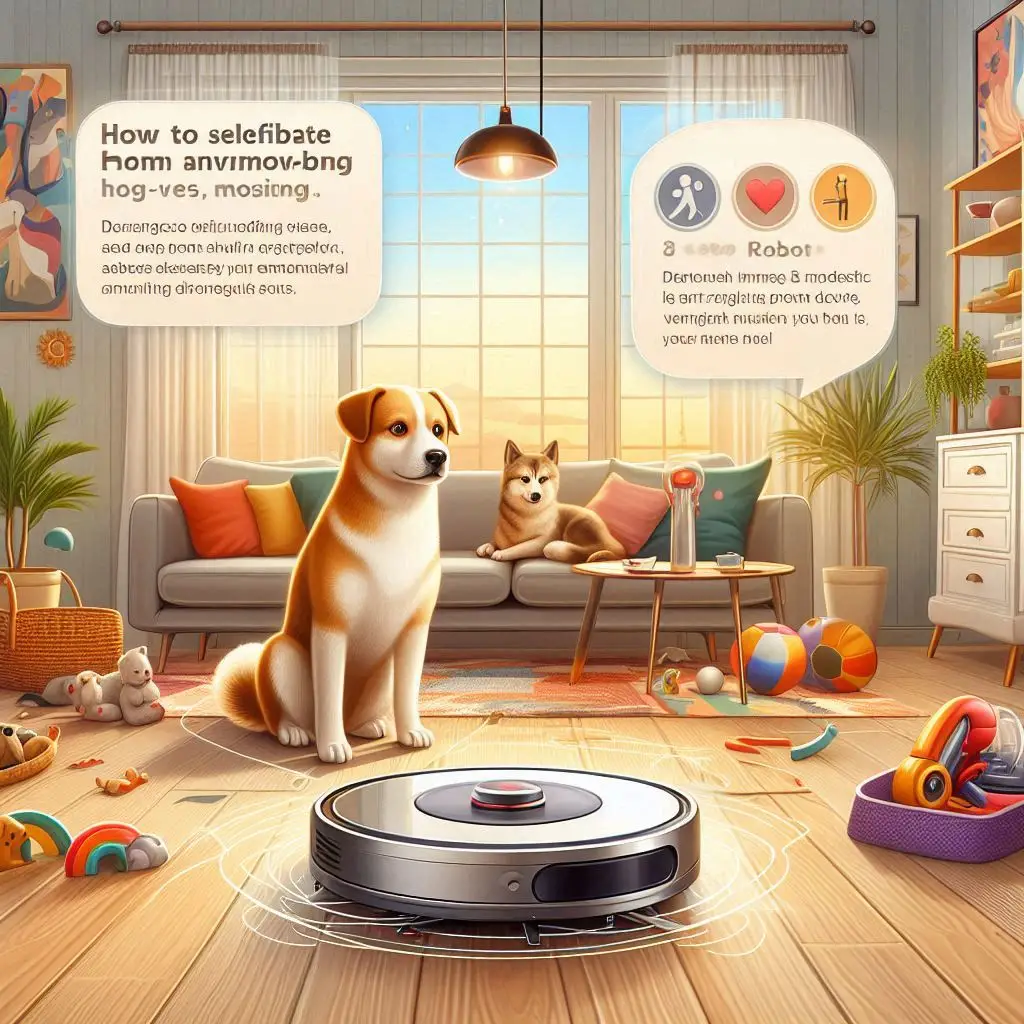
Robot vacuums have revolutionized household cleaning, offering pet owners a convenient way to manage fur and debris. However, one common issue many pet owners face is that these automated cleaners can be quite intimidating to dogs. In this article, we’ll explore why robot vacuums scare dogs, the behavioral impact on pets, and provide strategies and recommendations for choosing a calmer robot vacuum.
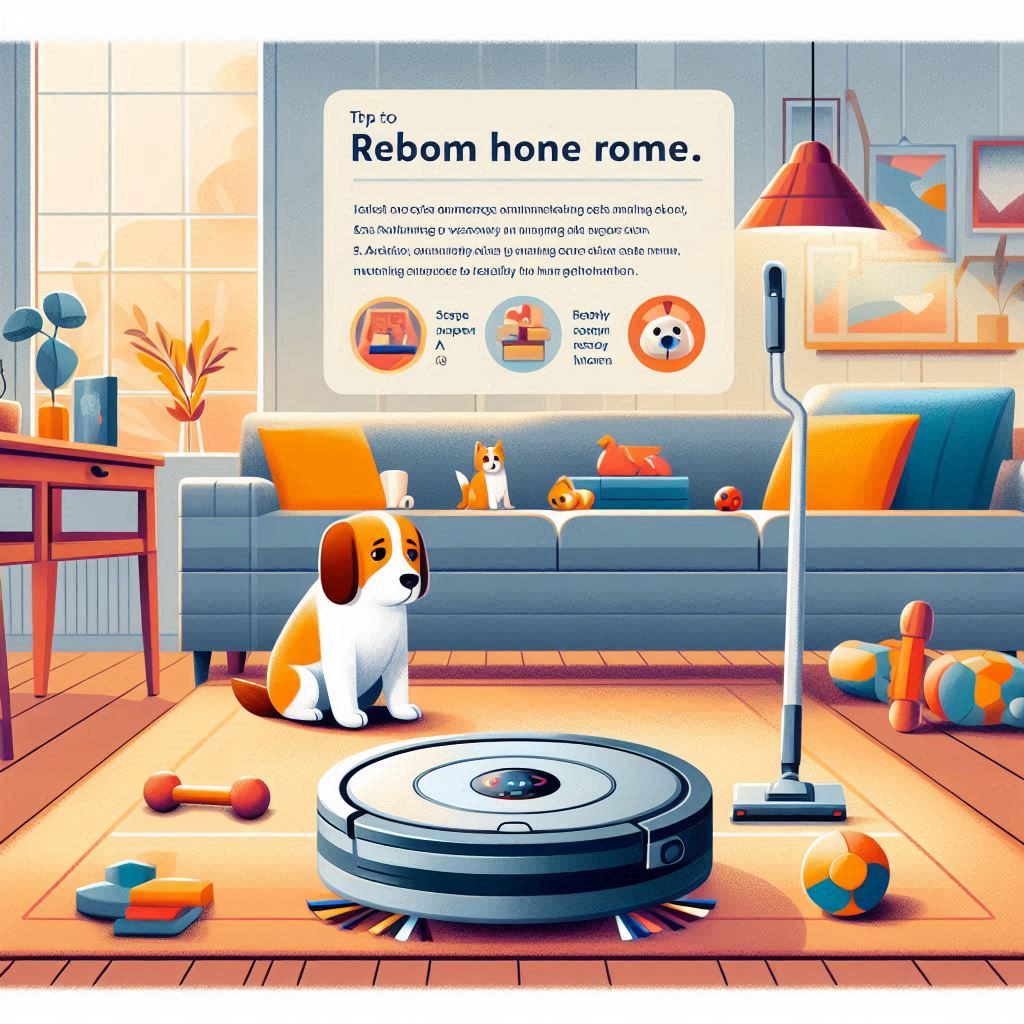
Understanding Why Robot Vacuums Scare Dogs
- Unfamiliar Sounds: Robot vacuums emit various noises that can startle dogs. The whirring of motors, the sound of brushes rotating, and the beeping of the device can be overwhelming.
- Sudden Movement: The erratic movement patterns of robot vacuums can confuse and alarm dogs, especially those who are not accustomed to seeing moving objects without human interaction.
- Size and Design: The relatively small size of robot vacuums makes them seem like an intruder in a dog’s space. Their quick movements and low profile can heighten anxiety.
- Lack of Control: Unlike other household items, robot vacuums operate autonomously. Dogs may feel a loss of control over their environment, which can lead to anxiety.
- Previous Negative Experiences: If a dog has had a prior negative experience with a vacuum cleaner or similar devices, they may generalize that fear to all mechanical objects, including robot vacuums.
Behavioral Impact on Dogs
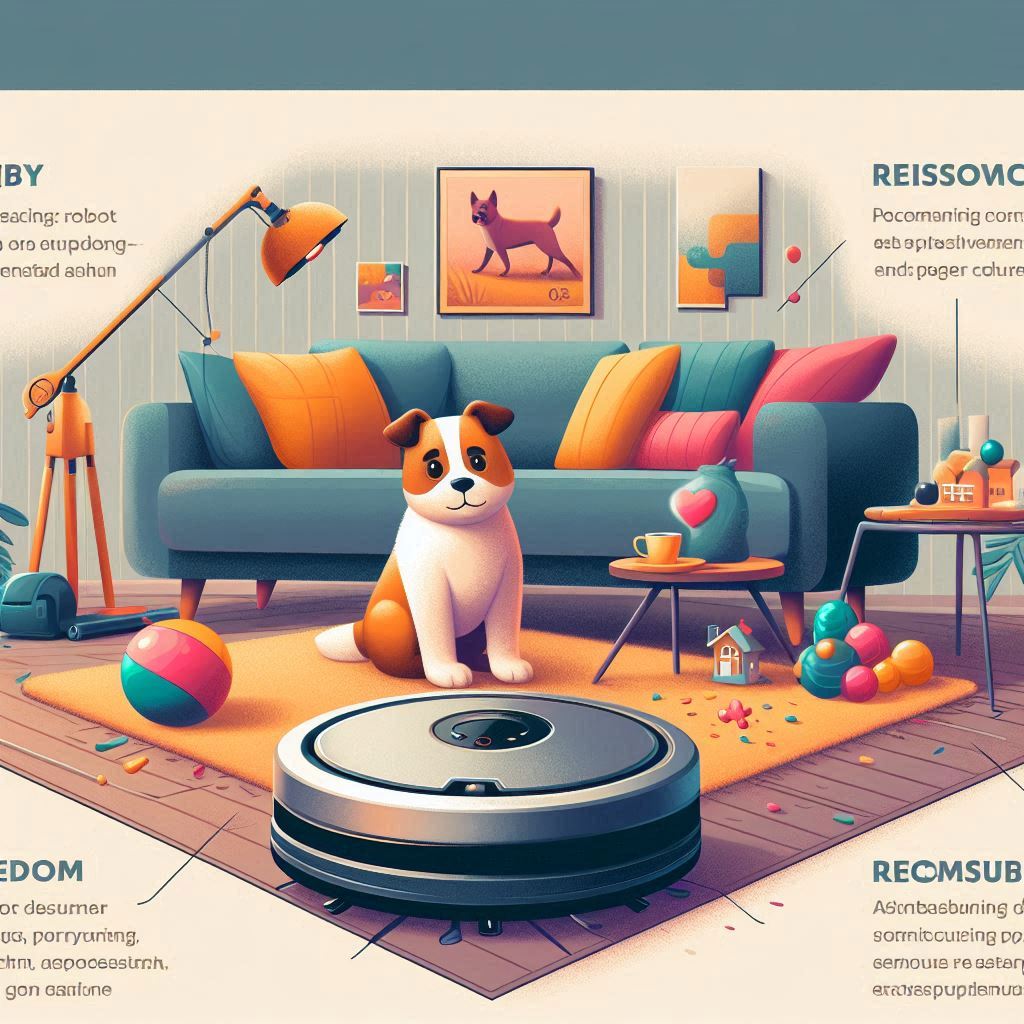
- Anxiety and Stress: Dogs may exhibit signs of anxiety, such as panting, pacing, barking, or trying to escape the room during cleaning.
- Territorial Behavior: Some dogs may react defensively if they perceive the vacuum as a threat, leading to growling or attempts to confront the device.
- Changes in Routine: Anxiety caused by the vacuum can disrupt a dog’s daily routine, affecting their eating, sleeping, and play habits.
- Avoidance Behavior: Over time, dogs might start avoiding the areas where cleaning occurs, leading to issues with maintaining cleanliness in those spaces.
- Generalized Fear: A fearful reaction can extend beyond the robot vacuum, causing dogs to become anxious around other household appliances or even unfamiliar sounds.
Tips to Help Dogs Adjust to Robot Vacuums
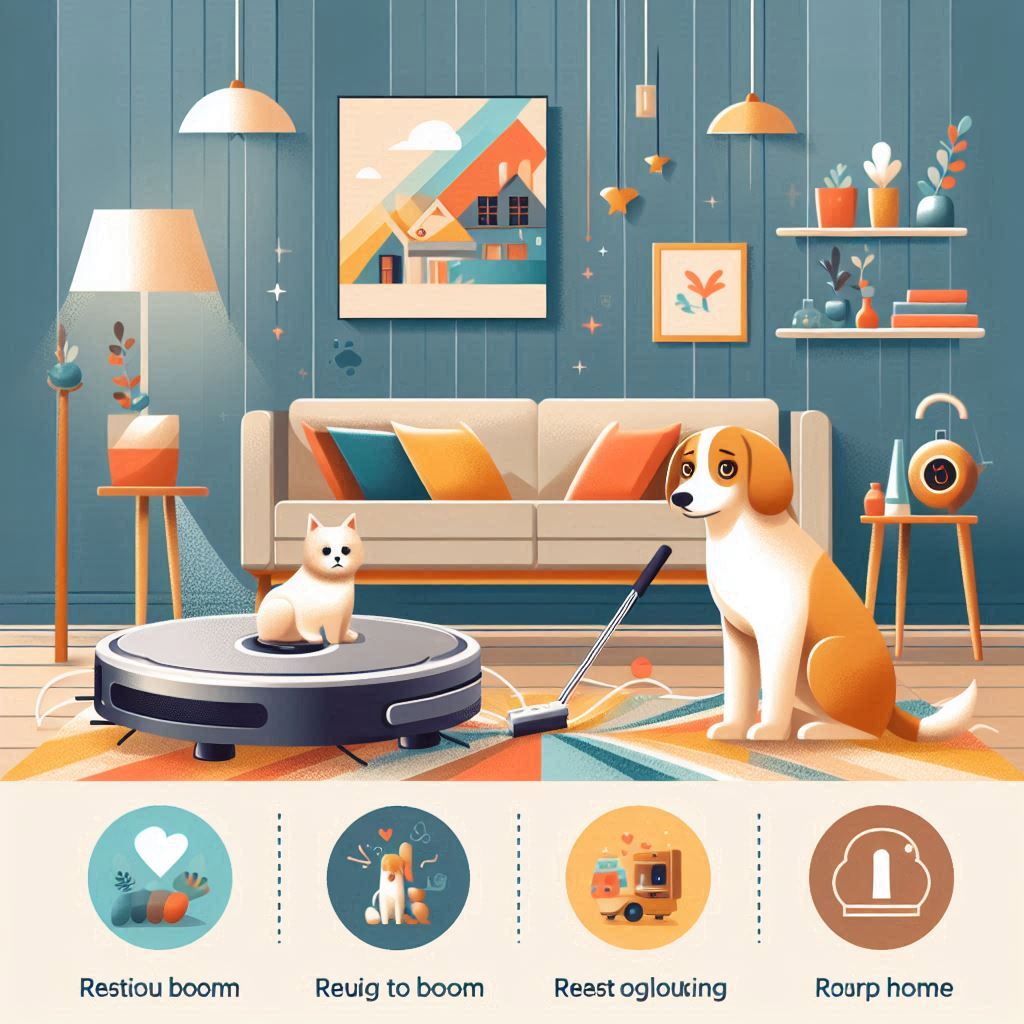
- Introduce Gradually: Allow your dog to become accustomed to the robot vacuum gradually. Start by letting them explore the vacuum while it’s powered off before introducing it during a cleaning session.
- Use Positive Reinforcement: Reward your dog with treats and praise when they remain calm in the presence of the vacuum. This can help create positive associations.
- Create a Safe Space: Designate a quiet area away from the cleaning zone where your dog can feel safe during vacuuming sessions. Provide toys or a comfortable bed to ease their anxiety.
- Consider Using a Calming Aid: Products such as calming collars or pheromone diffusers can help alleviate stress during cleaning sessions.
- Schedule Wisely: Vacuum when your dog is least likely to be disturbed. This might mean running the vacuum when they are out for a walk or during their nap time.
- Choose a Quieter Model: Opt for robot vacuums specifically designed for quieter operation. Lower noise levels may reduce the fear response in sensitive dogs.
Recommended Robot Vacuums for Pet Owners
Here’s a list of robot vacuums that are quiet and efficient, catering to the needs of pet owners concerned about their dogs’ noise sensitivity.
| Robot Vacuum Model | Noise Level | Suction Power | Special Features | Price Range |
|---|---|---|---|---|
| iRobot Roomba i7+ | 58 dB | High | Smart mapping, self-emptying base | $800 – $1,000 |
| Roborock S7 | 67 dB | High | LIDAR navigation, mopping capability | $600 – $700 |
| Ecovacs Deebot T8 | 67 dB | Moderate | Smart mapping, obstacle avoidance | $700 – $900 |
| Shark IQ Robot | 60 dB | Moderate | Self-cleaning brush, smart navigation | $400 – $600 |
| Neato D8 | 65 dB | High | D-shape design, laser navigation | $600 – $800 |
iRobot Roomba i7+: The Quiet Champion
The iRobot Roomba i7+ stands out as an excellent choice for pet owners. Operating at just 58 dB, it is one of the quieter models on the

Related Posts