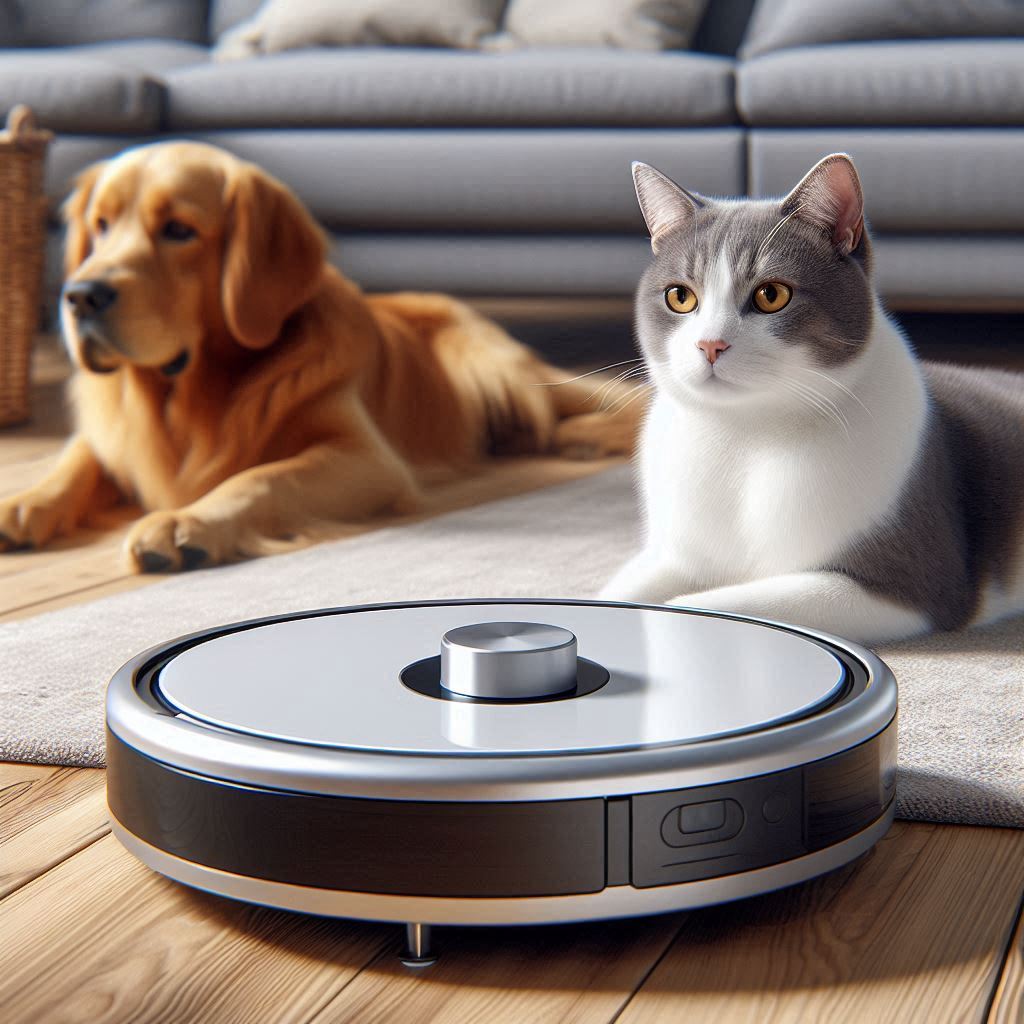
Robot vacuums are one of the best modern solutions for homes with shedding pets. They help remove fur from carpets and floors, control dander buildup, and keep surfaces fresh without constant manual vacuuming. However, not every robot vacuum is suitable for pet households. One major reason behind this is noise level.
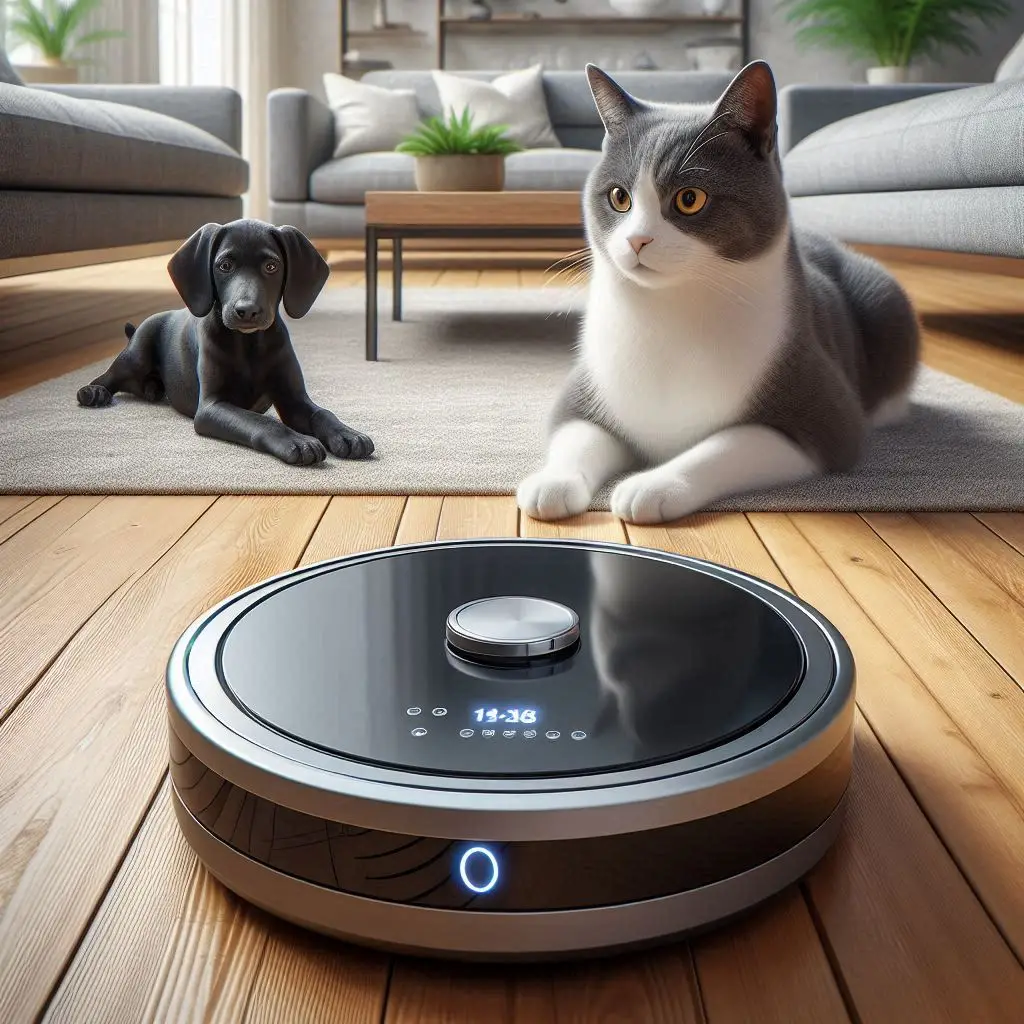
Many cats and dogs become stressed, defensive, or simply scared when vacuum cleaners start running. While humans can tolerate noise due to different sensory processing, animals experience sound more intensely. This makes understanding pet-friendly robot vacuum noise levels extremely important before purchasing a cleaning device.
In this long-form affiliate-style guide, we will discuss:
✔ Why noise levels matter for pets
✔ Decibel (dB) ranges to consider
✔ How noise affects different animals
✔ Key features that reduce noise
✔ Best low-noise robot vacuums for pets (review style)
✔ Pros, cons, and real-world insights
✔ Who should buy & final recommendations
Why Noise Levels Are Important for Pet Owners
Pets have much more sensitive hearing than humans. For example:
➤ Dogs can hear frequencies up to 45 kHz
➤ Cats can hear up to 65 kHz
➤ Humans only hear up to 20 kHz
That means a sound that feels mild to us may be alarmingly loud for pets.
Pet stress due to vacuum noise can cause:
barking or meowing
hiding behind furniture
pacing and anxiety
trembling or shivering
territorial aggression
A quieter robot vacuum allows for:
✔ calm indoor environment
✔ daily cleaning schedules
✔ nighttime cleaning
✔ better pet adaptation
✔ improved behavior & emotional safety
Understanding Decibel Levels for Robot Vacuums
Noise level is measured in decibels (dB).
General sound comparisons:
- 30 dB = whispering
- 40–50 dB = quiet room
- 55–60 dB = normal conversation
- 65–70 dB = typical upright vacuum
- >75 dB = noisy machinery
Robot vacuums fall into different categories:
| Robot Category | Noise Level | Pet Reaction Likelihood |
|---|---|---|
| Pet-Friendly Silent | 50–58 dB | Very calm |
| Standard Robots | 60–65 dB | Mild discomfort |
| High-Power Models | 70+ dB | Stress/avoidance likely |
For pet households, aim for under 60 dB during normal operation and under 65 dB in boost mode.
Types of Sounds Robots Produce (Pets Notice More Than Humans)
Robot vacuums produce several types of noise beyond suction:
1. Motor Noise
Continuous hum; lower is better for adaptation.
2. Brush Roller Contact
Brushing on hardwood or tile can produce tapping sounds that concern pets.
3. Wheels & Bumping
Random navigation models bump furniture, which adds impact noise.
4. Suction Boost
Sudden boost on carpet can scare timid animals.
5. Auto Docking & Emptying
Self-empty bins can get loud (up to 85 dB for short bursts).
A truly pet-friendly robot vacuum reduces or smoothens these noise factors.
Key Noise-Reducing Features to Look for
When selecting a pet-friendly robot vacuum, prioritize these:
✔ Quiet Motor Technology
Brushless motors and dampened airflow reduce dB levels significantly.
✔ Rubber Brush Rollers
Rubber rollers are quieter compared to bristle brushes and reduce hair tangling.
✔ Predictable Navigation (Smart Mapping)
Pets are less anxious when movement is smooth, not random.
✔ Silent/Quiet Mode
Allows late-night cleaning without disturbing pets.
✔ Gradual Carpet Suction Ramping
Sudden suction jumps can shock nervous animals.
✔ Low Vibration Housing
Reduces acoustic resonance especially on tile or hardwood.
✔ Optional Auto-Empty Settings
Some models allow delaying the empty cycle until pets are outdoors.
Amazon Affiliate Style Review Best Low-Noise Robot Vacuums for Pet Friendly Homes
Below are models recognized for being quieter, smoother, and more pet-compatible.
1. Roborock S8 — Best Overall Quiet Performer for Pet Homes
The Roborock S8 balances strong suction with quiet operation. With noise levels averaging around 62 dB, it is quieter than many standard vacuums.
Best For: Dogs & cats that dislike chaotic movement
Key Pet-Friendly Features:
- Ultra-silent motor for hardwood floors
- Dual rubber brushes for hair control
- Smooth LiDAR mapping routes
- Silent scheduling options
Pros:
- Quiet cleaning routines
- Anti-tangle rollers handle shedding
- Predictable mapping reduces anxiety
- Good for carpets & mixed floors
Cons:
– Premium-priced
2. Eufy RoboVac 11S Budget Quiet Champion
If your priority is silence over raw power, the Eufy 11S is a proven winner with noise ratings around 55–58 dB, making it one of the quietest robots available.
Best For: Small apartments with cats or low-shed dogs
Pros:
- Extremely quiet
- Lightweight & slim
- Affordable price range
Cons:
– Not ideal for high-pile carpets
– Lacks smart mapping
3. iRobot Roomba i3+ Quiet Operation with Auto Empty Option
The i3+ keeps operation noise moderate and offers a self-emptying base. The cleaning noise is gentle enough for most pets to acclimate to over time.
Best For: Multi-pet homes needing low maintenance
Pros:
- Dual-rubber rollers
- Low hair tangling
- Quiet movement patterns
Cons:
– Auto-empty is loud briefly
Real Pet Behavior Observations from Low-Noise Robots
Pet owners reported adaptation patterns such as:
✔ Week 1: Curiosity & distance
✔ Week 2: Tolerance & observation
✔ Week 3: Ignoring robot completely
Cats adapt faster than dogs due to curiosity-based learning.
Who Should Buy a Low-Noise Robot Vacuum for Pets?
Buy one if:
✓ You have anxious dogs or cats
✓ You want daily shedding control
✓ You don’t want loud noise disrupting naps
✓ You work from home
✓ You run vacuum during night or early mornings
Avoid if:
✗ You only vacuum once a week
✗ You have no pets
✗ You prefer manual deep-cleaning
Noise Matters More Than Most Pet Owners Realize
For pet households, noise isn’t just a convenience factor — it’s a behavioral and emotional factor. A low-noise robot vacuum:
✔ reduces stress
✔ prevents fear reactions
✔ supports healthier cleaning routines
✔ enables everyday use
✔ helps control shedding & allergens
Selecting a quieter robot vacuum translates to cleaner floors and happier pets — a win for both humans and animals.

Related Posts